
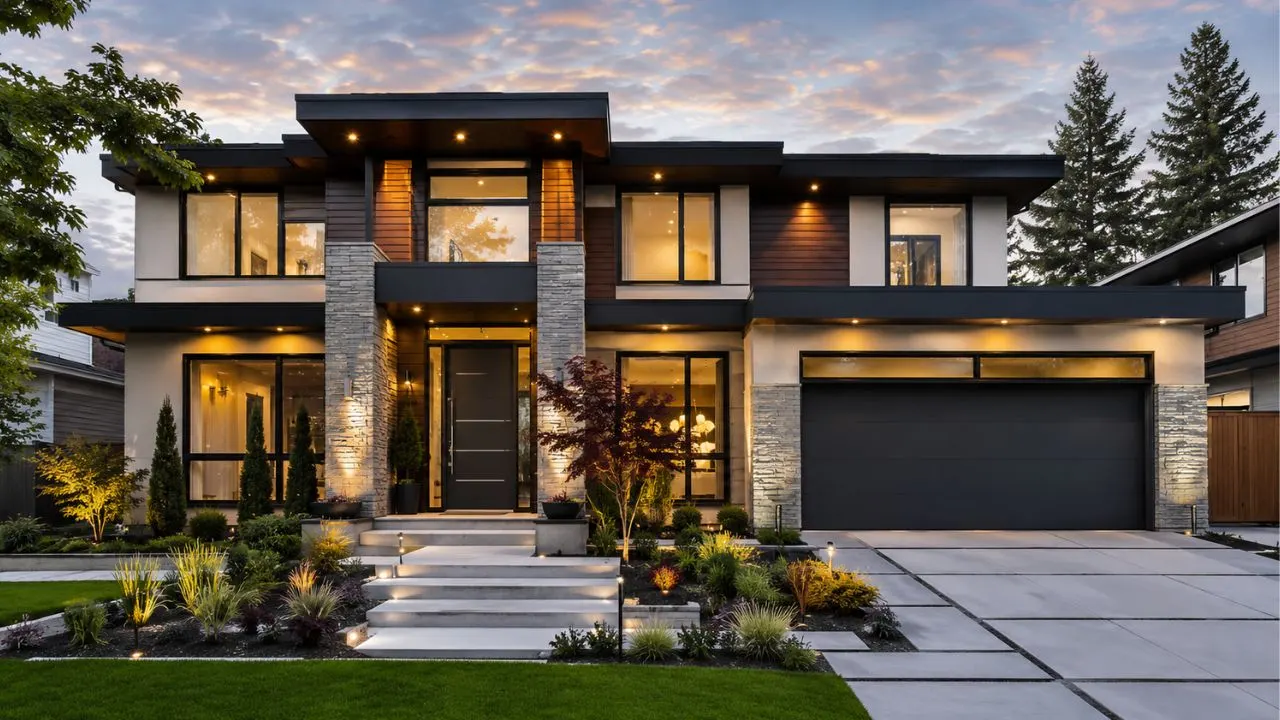
Your home is likely the biggest investment you will ever make. It is the place where you relax after a long day and where you build memories with your family. While we spend most of our time inside, the outside of your property is what everyone else sees first. A well-planned house exterior design does more than just look good. It increases the value of your property and makes you feel proud every time you pull into the driveway. Whether you want to sell your home or just want a fresh look, focusing on the outside is a smart move.
Designing the exterior of a house involves many different parts. You have to think about materials, colors, lighting, and landscaping. It can feel overwhelming when you start looking at all the options available today. This guide will walk you through everything you need to know about house exterior design so you can make informed choices. We will look at practical steps to improve curb appeal and how to choose the right materials for your specific climate. By the end, you will have a clear plan for your next home improvement project.
Understanding the Basics of House Exterior Design
Before you pick up a paintbrush or buy new siding, you need to understand the core parts of a good design. A successful project starts with a clear vision. You should look at the overall shape and style of your home. Is it a modern structure with flat lines or a traditional cottage with a sloped roof? Your design choices should respect the existing architecture while adding a personal touch.
Balance is a key part of how people see your home. You do not want one side of the house to look much heavier or busier than the other. This does not mean everything has to be perfectly symmetrical. Instead, try to distribute visual weight evenly. For example, if you have a large porch on one side, you might balance it with a tall tree or a decorative window on the other side. This creates a sense of harmony that is pleasing to the eye.
Another factor to consider is the neighborhood. While you want your home to stand out, you probably do not want it to look completely out of place. Look at the homes around you for inspiration. Take note of the materials they use and how their gardens look. You can still create a unique house exterior design while keeping it within the general vibe of the area. This helps maintain the resale value of the whole street.
Choosing the Right Materials for Longevity
The materials you choose will define the texture and feel of your home. They also play a big role in how much maintenance you will have to do over the years. Some materials are very durable but expensive, while others are budget friendly but require more care. It is important to find a balance that fits your lifestyle and your wallet.
Brick and Stone Options
Brick is a classic choice for a reason. It is incredibly strong and can last for decades with almost no maintenance. It also handles fire and wind very well. Many people love the natural look of red or brown brick, but you can also find it in modern shades like gray or white. If you want a very high end look, natural stone is a great option. It offers a unique texture that is hard to copy with man made products.
Stone veneer is a popular alternative if you want the look of stone without the high price tag. It is lighter and easier to install on existing walls. Both brick and stone offer excellent insulation, which can help keep your energy bills down. They are great for creating a sturdy and permanent feel in your house exterior design.
Modern Siding Solutions
Vinyl siding is one of the most common choices because it is very affordable. It comes in many different colors and styles, including some that look like wood. Modern vinyl is much better than the versions used years ago. It does not fade as quickly and can withstand heavy rain and sun. However, it can crack if it gets hit by something hard during very cold weather.
Fiber cement is another material that has gained a lot of popularity recently. It is made from a mix of wood fibers and cement. This makes it very tough and resistant to rot or insects. It looks very much like real wood but does not need to be painted as often. Many homeowners use fiber cement when they want a clean and professional look that lasts for a long time.
Selecting a Color Palette That Works
Color is perhaps the fastest way to change how your home looks. The right colors can make a small house look larger or a tall house look more grounded. Most designers suggest using a three color rule for the exterior. This includes a base color for the main walls, an accent color for doors or shutters, and a trim color for the edges of the roof and windows.
Your base color should be something you can live with for a long time. Neutral tones like beige, gray, or soft blue are safe and popular. They tend to look good in most lighting conditions and blend well with natural surroundings. If you want a more modern house exterior design, dark colors like charcoal or navy blue can look very sophisticated. Just keep in mind that dark colors can absorb more heat in the summer.
The accent color is where you can have a bit of fun. A bright red or yellow front door can serve as a friendly focal point. It draws the eye and gives the home some personality. For the trim, white or off white is a classic choice that makes everything look clean and crisp. If you have a dark base color, a lighter trim will make the architectural details of your home pop.
The Importance of Exterior Lighting
Lighting is often an afterthought, but it is a vital part of house exterior design. It serves two main purposes: safety and beauty. A well lit house is less likely to be targeted by burglars, and it makes it easier for you to walk to your door at night. From an aesthetic standpoint, lighting can highlight the best features of your home and garden.
Path lights are great for lining your driveway or the walk to your front door. They should be low to the ground and spaced out so they don’t look like a runway. For the house itself, you can use wall sconces next to the door or garage. Choose fixtures that match the style of your home. If you have a modern house, look for sleek and simple lights. For a traditional home, lanterns are a great fit.
Up lighting is a technique where you place lights on the ground and point them upward toward the house or a tree. This creates dramatic shadows and emphasizes textures like stone or brick. It makes your house exterior design look professional and expensive. Solar lights are an easy way to add illumination without having to worry about wiring, though they might not be as bright as hardwired options.
Enhancing Curb Appeal Through Landscaping
Your yard is the frame for your house. Even the most beautiful home will look dull if the grass is brown or the flower beds are full of weeds. Landscaping is a key element that connects your home to its environment. You do not need a massive budget to make a big difference in this area.
Start by cleaning up what you already have. Trim back overgrown bushes and mow the lawn regularly. Adding a fresh layer of mulch to your garden beds can instantly make them look cared for. Mulch also helps the soil hold moisture and prevents weeds from growing. This is a simple and cheap way to improve your house exterior design.
When choosing plants, try to pick species that are native to your area. They will be easier to look after and more likely to thrive. Use a mix of evergreen plants that stay green all year and seasonal flowers that add a splash of color. If you have a small space, consider using large pots or planters near your entrance. They add life and color without taking up too much room.
Designing a Welcoming Entrance
The front door is the heart of your house exterior design. It is the first thing guests interact with, so it should be inviting. If your door is looking old, you don’t always need to buy a new one. Sometimes a fresh coat of paint and some new hardware can make it look like new. Choose a high quality paint that is designed for outdoor use to ensure it doesn’t peel.
The hardware on your door should match the other metal elements on your house, like your mailbox or lights. If your lights are black, consider a black handle and lock set. This creates a cohesive look that feels well planned. You might also want to add a new house number that is easy to read from the street. This is practical and adds a modern touch to your home.
Don’t forget about the porch or the area around the door. A clean welcome mat and a couple of chairs can make the space feel like a part of the living area. If you have the space, a porch swing is a classic addition that many people love. These small details show that you take pride in your home and make the whole house exterior design feel more complete.
Integrating Functional Elements Gracefully
Every home has functional parts like garages, gutters, and trash can storage. These items are necessary, but they are not always pretty. The goal of a good house exterior design is to make these elements blend in or look intentionally styled. For example, your garage door takes up a lot of visual space. Choosing a garage door that matches the style of your front door can tie the whole look together.
Gutters should be kept clean and in good repair. If they are old and dented, they can ruin the look of your roofline. You can find gutters in various colors to match your trim so they are less noticeable. For things like air conditioning units or trash bins, consider building a small wooden screen. This hides the clutter while still allowing for proper airflow and access.
Windows are another functional part that has a huge impact on your home’s look. If you are replacing windows, think about the grid patterns. Simple grids work well for modern homes, while more complex patterns suit older styles. Keeping your windows clean is one of the easiest ways to keep your house exterior design looking sharp. It reflects light and makes the home look well maintained from the street.
Practical Steps to Plan Your Exterior Renovation
If you are planning a major change, it is best to take it one step at a time. Start by taking photos of your home from different angles. Look at these photos to see what sticks out as an eyesore. This will help you prioritize your tasks. You might find that simply painting the trim makes a bigger difference than you expected.
Create a budget before you start shopping. It is easy to get carried away when you see all the beautiful materials at the hardware store. Decide how much you can afford to spend on each part of the project. If you have a tight budget, focus on the things that offer the most impact, like paint and landscaping. You can save the more expensive projects, like new siding, for later.
It is also a good idea to talk to a professional if you are making structural changes. A designer or an architect can give you ideas you might not have thought of. They can also help you understand local building codes. Even if you do most of the work yourself, a professional consultation can save you from making costly mistakes in your house exterior design.
Maintaining Your Home Exterior Over Time
Once you have achieved the look you want, you need to keep it that way. Regular maintenance will save you money in the long run by preventing big problems. At least once a year, walk around your home and look for signs of damage. Check for peeling paint, cracked siding, or loose shingles on the roof.
Pressure washing is a great way to keep your house exterior design looking fresh. It removes dirt, mold, and pollen that can build up over time. Just be careful not to use too much pressure on delicate surfaces like wood or old brick. Cleaning your windows and light fixtures every few months will also help your home shine.
Keep an eye on your plants and trees as well. Make sure they are not growing too close to the house, as they can trap moisture against your walls. Moisture is the enemy of many building materials and can lead to rot or mold. By staying on top of these small tasks, your home will continue to look beautiful for many years to come.
Final Thoughts
Improving your house exterior design is a rewarding project that pays off in many ways. It makes your home a more pleasant place to live and builds value for the future. By choosing the right materials, picking a great color palette, and focusing on details like lighting and landscaping, you can create a stunning transformation.
Remember that you do not have to do everything at once. Small changes can add up over time to create a big impact. Start with the basics and work your way up to larger projects as your budget allows. Your home is a reflection of you, so make sure the exterior tells a story you are proud of. If you are ready to start, pick one small project today, like painting your front door or planting some flowers, and see how much of a difference it makes.
Frequently Asked Questions
How much does it cost to change a house exterior design? The cost varies greatly depending on the size of your home and the materials you choose. A simple refresh with paint and landscaping might cost a few thousand dollars. A full renovation with new siding and professional landscaping can cost much more. It is best to get multiple quotes from contractors to understand the local prices.
What is the most durable material for a home exterior? Brick and natural stone are widely considered the most durable materials. They can last for over a hundred years with very little maintenance. Fiber cement is also a very tough option that stands up well to harsh weather conditions.
How can I improve my curb appeal on a tight budget? You can make a big difference with small tasks. Mow your lawn, pull weeds, and add fresh mulch. Painting your front door and replacing old house numbers or light fixtures are also affordable ways to refresh your look. Cleaning your windows and power washing your siding can make an old house look much newer.
What are the most popular exterior colors right now? Neutral colors like light gray, beige, and white remain very popular because they are timeless. Darker tones like charcoal and navy blue are also trending for modern homes. Many people use a bright color like teal or red for the front door to add a pop of personality.
How often should I paint the exterior of my house? Most homes need a fresh coat of paint every five to ten years. This depends on the quality of the paint used and the climate you live in. Homes in very sunny or rainy areas may need to be painted more often to protect the wood or siding underneath.