
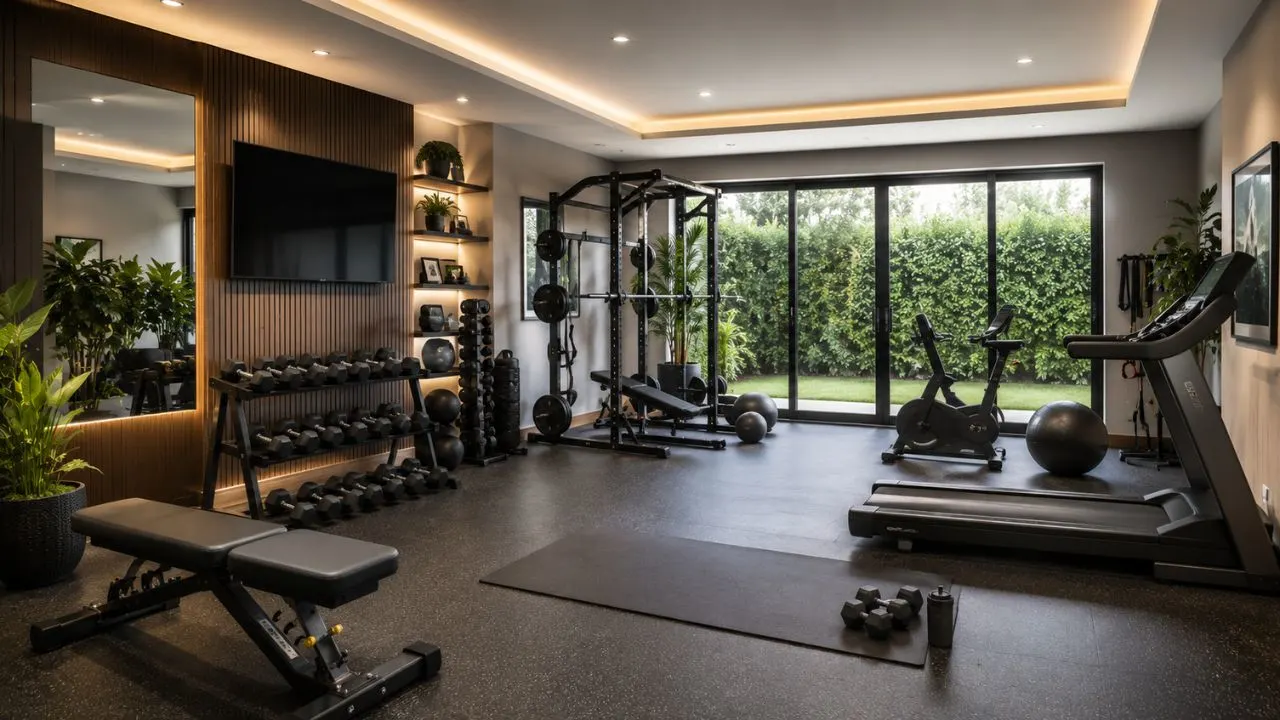
Let’s be honest: the hardest part of working out isn’t the heavy lifting; it’s the commute. There is a specific kind of mental exhaustion that comes with packing a gym bag, fighting through rush-hour traffic, and then hovering like a vulture over a squat rack while someone else scrolls through their phone. This is exactly why home gym design has shifted from a luxury trend to a lifestyle necessity. In 2026, our homes are more than just where we sleep they are our offices, our sanctuaries, and now, our high-performance training centers.
Creating a workout space that you actually want to spend time in requires more than just throwing a yoga mat on the floor and buying a pair of dusty dumbbells. It’s an intentional process of blending functionality with aesthetics. Whether you’re working with a sprawling three-car garage or a tiny corner of a studio apartment, the right home gym design can be the difference between a New Year’s resolution that fizzles out by February and a lifelong commitment to health. In this guide, we’re going to dive deep into how to build a space that motivates you, supports your goals, and looks incredible.
1. Defining Your Vision: Purpose-Driven Home Gym Design
Before you buy a single plate or bolt a pull-up bar to the wall, you need to define the why behind your space. Are you training for a powerlifting meet, or are you looking for a zen-like atmosphere for daily Vinyasa flows? The biggest mistake people make in home gym design is trying to replicate a commercial gym’s everything for everyone approach. In a home setting, you have the luxury of specialization.
If your goal is metabolic conditioning and HIIT, your design needs to prioritize floor space and high-durability flooring. If you are a dedicated lifter, your design revolves around the Big Three the squat rack, the bench, and the platform. By narrowing your focus, you prevent the space from becoming cluttered with equipment you’ll never use. Think of your gym as a bespoke suit; it should be tailored specifically to your movement patterns and fitness aspirations.
Beyond the physical goals, consider the psychological impact of the room. A dark, industrial dungeon vibe might work for heavy lifting, but it could be draining if you plan on using the space for morning mobility work. On the other hand, a bright, airy room with plants and natural light might be perfect for wellness but feel too soft for a heavy PR attempt. Your home gym design should reflect the energy you want to cultivate during your training sessions.
2. Spatial Planning: Making Every Square Inch Count
You don’t need a 500-square-foot basement to have an elite setup. In fact, some of the most effective home gym design layouts are found in micro-gyms or multipurpose rooms. The key is zoning. Even in a small space, you should have clearly defined areas for different activities: a hot zone for high-intensity work, a cool zone for recovery, and a storage zone for keeping the floor clear.
For those working with a spare bedroom, vertical storage is your best friend. Wall-mounted folding racks have revolutionized home gym design, allowing you to have a full-size squat rack that occupies only four inches of depth when not in use. Combine this with wall-mounted weight peg boards and magnetic accessory tidies to keep your floor footprint at a literal zero when you aren’t training. This allows the room to remain a functional guest room or office during the day.
If you are lucky enough to have a garage, the bay approach is often best. Dedicate one bay to your heavy equipment and leave the center open for dynamic movements like box jumps or jump rope. Remember to account for the working diameter of your equipment. A 7-foot Olympic bar needs at least 9 to 10 feet of clearance to be loaded safely without hitting walls. Proper home gym design always accounts for the human in motion, not just the equipment in its resting state.
3. The Foundation: Flooring and Acoustics
If the equipment is the heart of your gym, the flooring is the skeleton. You cannot overlook the importance of high-quality rubber flooring in your home gym design. Standard carpet or hardwood will be destroyed by the first dropped kettlebell, and more importantly, your joints will pay the price for training on unforgiving surfaces.
Choosing the Right Material
-
Rubber Tiles: Best for DIYers. They are easy to install, can be cut to fit any corner, and provide excellent impact absorption. Look for a thickness of at least 8mm for general fitness and 15mm+ for heavy lifting.
-
Stall Mats: The budget-friendly secret of the garage gym community. These heavy-duty mats (usually found at farm supply stores) are virtually indestructible and provide a professional, industrial feel to your home gym design.
-
Turf Strips: If you have the length, a strip of artificial turf is a fantastic addition for sled pushes, lunges, and plyometric work. It adds a pop of color and a different tactile experience to your workouts.
Acoustics are the most underrated aspect of home gym design, especially if you live in a shared household or apartment. Dropping 225 pounds sounds like a car crash to the person in the room below you. Investing in deadening materials—like acoustic wall panels or high-density foam underlays can save your relationships with your neighbors and family. Sound-absorbing curtains can also help reduce the echo that often plagues empty, hard-surfaced rooms.
4. Lighting and Atmosphere: The Psychology of Performance
Lighting can either make you feel like an elite athlete or like you’re working out in a hospital basement. For the most effective home gym design, you want a layered lighting approach. Avoid harsh, flickering overhead fluorescents. Instead, opt for LED panels that mimic natural daylight, which can help regulate your circadian rhythm and boost energy levels during early morning sessions.
Using Color Psychology
The colors you choose for your walls play a massive role in your performance.
-
Red and Orange: These are high-energy colors that increase heart rate and adrenaline perfect for a powerlifting or HIIT-focused home gym design.
-
Blue and Green: These promote focus, calmness, and endurance. They are ideal for yoga studios or long-duration cardio spaces.
-
Neutral Grays and Whites: These provide a clean, gallery look that makes a small space feel larger and allows your equipment to stand out.
Mirrors are another essential element. Beyond the ego factor, mirrors are vital for monitoring form and preventing injury. In terms of home gym design, a large floor-to-ceiling mirror can double the perceived size of a room and bounce light into dark corners. If you can’t afford a custom glass installation, high-quality acrylic mirror sheets are a lightweight and shatterproof alternative that provides the same visual benefit.
5. Essential Equipment: Building Your Arsenal
The beauty of home gym design is that you can build it in stages. You don’t need a $10,000 budget on day one. To create a versatile space, focus on multi-use items that offer the highest ROI (Return on Investment) for your specific goals.
The Starter Kit
-
Adjustable Dumbbells: These replace an entire rack of weights, saving massive amounts of space.
-
Kettlebells: The ultimate tool for strength and cardio in one.
-
Resistance Bands: Cheap, portable, and perfect for accessory work.
-
A Quality Bench: Look for one that is FID (Flat, Incline, Decline) for maximum versatility.
The Pro Level
As your home gym design evolves, you might consider a power rack with a cable attachment system. In 2026, many homeowners are opting for all-in-one trainers that combine a squat rack, functional trainer, and Smith machine into a single footprint. While the initial investment is higher, the space-saving benefits are unparalleled. Don’t forget a dedicated recovery station with foam rollers, percussion massagers, and perhaps a wall-mounted tablet for following along with recovery apps.
6. Ventilation and Climate Control
There is nothing quite as demotivating as a gym that smells like a locker room and feels like a sauna. Proper ventilation is a non-negotiable pillar of home gym design. If you are in a garage, a high-velocity floor fan is a must. If you are in a basement, you likely need a dehumidifier to prevent moisture buildup, which can lead to rusted equipment and moldy flooring.
Air purification is another modern essential. High-intensity breathing during a workout means you are taking in more air than usual; you want that air to be clean. A HEPA-certified air purifier will remove dust, pet dander, and odors, keeping the environment fresh. For those in colder climates, a smart space heater that can be scheduled to turn on 20 minutes before your workout can make those winter mornings much more bearable.
7. The Smart Gym Revolution: Integrating Technology
In 2026, home gym design has been transformed by the integration of AI and smart technology. We are moving away from just having a TV on the wall and toward fully integrated digital ecosystems. Smart mirrors that act as personal trainers, AI-driven weight systems that adjust resistance in real-time, and biometric tracking floors are all becoming standard in high-end designs.
When planning your tech integration, consider your connectivity. Ensure your gym has a strong Wi-Fi signal or, better yet, a hardwired ethernet port for lag-free streaming of live classes. Cable management is the hidden part of home gym design nothing ruins the aesthetic faster than a tangle of black wires running across the floor. Use cord covers and recessed outlets to keep the look sleek and professional.
8. Maintenance and Longevity: Protecting Your Investment
A great home gym design isn’t just about how it looks on day one; it’s about how it performs in year five. Gym equipment is a significant financial investment, and it requires maintenance. Establish a cleaning station within your design a simple shelf with disinfectant wipes, a microfiber towel, and some 3-in-1 oil for your barbells.
Wiping down your equipment after every session prevents the buildup of sweat and salt, which leads to corrosion. If you have a lifting platform with wood inserts, a quick coat of polyurethane every year or two will keep it looking brand new. By incorporating maintenance into the design of your space, you ensure that your gym remains a place of pride rather than a cluttered graveyard of rusted metal.
9. DIY vs. Professional Design: Which Path is for You?
For many, the joy of a home gym comes from the build itself. Scouring marketplaces for used gear, painting the walls, and laying the flooring yourself can be a rewarding weekend project. However, if you are looking for a high-end, seamless integration especially one involving structural changes like wall-mounted racks or professional-grade electricalb hiring a home gym design consultant can save you a lot of headaches.
A professional designer can help with load-bearing assessments (crucial if your gym is on an upper floor) and optimize the flow of the room to ensure you never feel cramped. They can also source commercial-grade equipment that might not be available to the general public. Regardless of which path you choose, the goal remains the same: a space that eliminates every excuse you have for not training.
Conclusion: Take the First Step Today
The perfect home gym design is an evolving project. It starts with a single mat and a clear intention, and it grows as you do. By focusing on smart spatial planning, high-quality flooring, and an atmosphere that sparks motivation, you are doing more than just buying equipment you are investing in your future self.
Your home should be a place that facilitates your best life. There is an incredible power in knowing that your sanctuary of strength is only a few steps away from your bedroom. So, clear out that cluttered corner, measure your walls, and start dreaming. Your dream gym is waiting to be built.
Frequently Asked Questions (FAQs)
1. How much does a basic home gym design cost?
A functional home gym can cost anywhere from $500 to $10,000+. A basic setup with a mat, adjustable dumbbells, and a bench usually falls in the $500–$1,000 range. High-end designs with power racks and smart technology typically start at $5,000.
2. Can I build a home gym in a small apartment?
Absolutely! The key to small-space home gym design is vertical storage and multi-use equipment. Folding wall racks, adjustable dumbbells, and resistance bands allow you to get a full-body workout in less than 50 square feet.
3. What is the best flooring for a home gym?
Rubber is the industry standard for home gym design. It protects your subfloor, dampens sound, and provides the grip necessary for safe lifting. Rubber tiles or horse stall mats are the most popular choices for durability and value.
4. Do I need mirrors in my home gym?
While not strictly necessary, mirrors are highly recommended for form correction and safety. They also help open up the space, making your gym feel larger and brighter.
5. How do I prevent my home gym from smelling?
Prioritize ventilation. Use high-velocity fans, air purifiers with HEPA filters, and dehumidifiers to keep the air moving and dry. Regularly wiping down equipment with disinfectant is also crucial for odor control.