
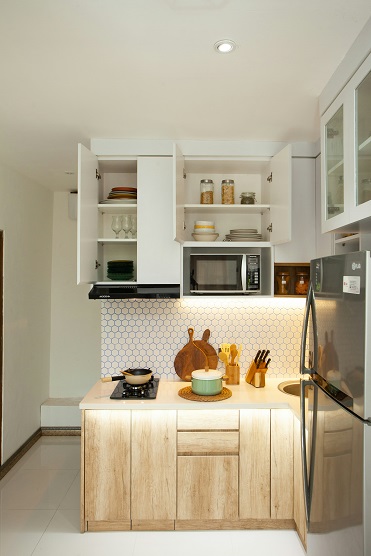
In today’s fast-paced world, many households find themselves facing the challenge of limited small kitchen organization space. The kitchen is often regarded as the heart of the home, serving multiple functions from meal preparation to social gatherings. However, small kitchens can present significant storage challenges, making it crucial to find efficient and affordable solutions. Without appropriate organizational strategies, a cramped kitchen can quickly become cluttered, hindering functionality and creating frustration for those who use it.
Effective kitchen organization is essential for maximizing the utility of every inch of available space. With thoughtful planning and innovative design, individuals can transform their small kitchens into well-organized, functional areas that cater to their cooking and storage needs. Affordable kitchen storage ideas are instrumental in achieving this goal, not only enhancing the usability of a small kitchen but also creating an inviting atmosphere that encourages culinary creativity.
This blog post explores various affordable storage solutions specifically tailored for small kitchens. These ideas encompass a range of options, from utilizing vertical space with shelving and wall-mounted racks to repurposing furniture to serve dual functions in the kitchen. Additionally, we will delve into clever storage hacks that allow for better accessibility of kitchen items. By understanding the specific challenges tied to limited kitchen space, readers can employ these strategies to improve their own kitchen environments, ensuring that every tool, utensil, and ingredient is stored efficiently and conveniently.
Assessing Your Kitchen Space
To optimize your kitchen storage effectively, a thorough assessment of your available space is essential. Start by measuring the dimensions of your kitchen—this includes the length and width of the countertops, cabinets, and any nook or cranny that could hold potential storage solutions. Having accurate measurements allows you to visualize what types of storage solutions will fit without overcrowding the space.
Next, take a close look at your kitchen layout. Identify areas that may not be performing as efficiently as they could. For instance, underutilized corners, the space above cabinets, or even the back of cabinet doors can become valuable storage spots if arranged correctly. These often overlooked areas can provide significant additional storage without requiring any major renovations.
After identifying these areas, consider incorporating vertical storage solutions. Vertical storage can include shelving units, wall-mounted racks, or even pegboards. These options not only save floor space but also make it easier to access items that are frequently used, reducing clutter on countertops. Keep in mind that effective vertical storage arrangements can optimize both small and large kitchens, as they draw the eye upward, enhancing the perceived space within the kitchen.
Additionally, reassess your kitchen’s overall organization. Evaluate what items you use most often versus those that are seldom used. By placing the most frequently used items in easily accessible spaces and relegating less-used items to less accessible areas, you can dramatically enhance functionality. This organizational effort can minimize wasted space and improve the overall efficiency of your kitchen layout.
In conclusion, assessing your kitchen space is the first crucial step toward achieving a well-organized, functional cooking area. By measuring the space available, recognizing underutilized areas, and incorporating vertical storage solutions, you can maximize storage capacity in even the smallest kitchen layouts.
Multi-functional Furniture
In smaller kitchen spaces, maximizing functionality while minimizing clutter is essential. Multi-functional furniture emerges as an effective solution, combining utility with style. This type of furniture serves multiple purposes, allowing homeowners to optimize their available space without compromising on aesthetics or convenience.
One popular example is the kitchen island with built-in storage. These islands can serve as a prep area, a dining space, and a place to store kitchen essentials such as pots, pans, and utensils. Brands like IKEA offer economical options that come with integrated shelving or drawers, making them a practical addition to any small kitchen.
Another excellent option is foldable tables. These tables can easily be expanded when needed for dining or food preparation and can be tucked away when not in use. This feature is particularly beneficial for small kitchens where every square foot matters. Check out portable and collapsible tables from retailers like Target that are designed specifically for tight spaces, providing functionality without taking up permanent room.
Stools with hidden compartments also deserve mention. They provide additional seating while secretly storing items like kitchen linens or small appliances. These stools can be positioned neatly around a foldable table or island, seamlessly integrating additional storage into the kitchen layout. Various manufacturers offer stylish alternatives that enhance both seating and storage capacity.
By investing in multi-functional furniture, homeowners can transform their kitchens into organized, multifunctional spaces that maximize limited square footage. Balancing aesthetics with practicality allows individuals to enjoy both style and efficiency in their kitchen, making multi-purpose furniture a key consideration for any small space.
Vertical Storage Solutions
When dealing with small kitchens, utilizing vertical space can be a game changer. This approach not only maximizes your available area but also contributes to a more organized and functional kitchen. One effective method is installing wall-mounted shelves. These shelves can neatly hold cookbooks, decorative pieces, or even pots and pans, keeping them off countertops and freeing up valuable work space. By placing shelves at varying heights, you can create an interesting visual effect while accommodating items of different sizes.
Another innovative solution is the use of pegboards. Available in various colors and materials, pegboards provide versatility and an attractive way to display kitchen tools and utensils. Simply hang the pegboard on an unused wall and use hooks to secure pots, pans, and kitchen gadgets. This not only keeps utensils within easy reach but also makes it simpler to see what you have at a glance, reducing the time spent searching for items.
Lastly, consider incorporating magnetic strips into your kitchen storage strategy. These strips are excellent for keeping knives and metal utensils organized and accessible. By mounting a magnetic strip on the wall, you can free up drawer space while ensuring that your most-used tools are within arm’s reach. This solution not only helps in maintaining order but also adds an element of modernity to the kitchen decor.
By implementing these vertical storage ideas—wall-mounted shelves, pegboards, and magnetic strips—you can effectively utilize the vertical space in your kitchen. These solutions diminish clutter on surfaces and contribute to a more orderly environment, which is essential in small living spaces.
Creative Use of Containers and Bins
Maximizing space in a small kitchen can be a daunting task, but the clever use of containers and bins can transform cluttered areas into organized zones. Containers come in various shapes, sizes, and materials, offering an affordable solution for anyone looking to improve their kitchen storage. From plastic and glass to wicker and metal, there is no shortage of options to suit any aesthetic while ensuring functionality. Utilizing containers allows for easy sorting of kitchen essentials such as spices, dry goods, and cooking tools.
When selecting containers, consider the size and layout of your kitchen. Stackable bins are an excellent way to save vertical space, while drawer organizers can efficiently group small items together. Transparent containers allow for visibility of contents, helping to minimize the time spent searching for specific ingredients or tools. Additionally, utilizing uniform containers can create a cohesive look, making the kitchen feel more organized and visually appealing.
Labeling is another crucial aspect of effective kitchen organization. By clearly marking each container, you can enhance accessibility and ensure that everything has its designated space. Labels can range from simple handwritten tags to printed stickers, depending on personal preference and style. A consistent labeling system not only facilitates quick access to items but also helps in maintaining order as it is easy to return items to their proper place.
Arranging these containers strategically is vital for optimizing visibility. Place frequently used items at eye level, and group similar products together in the same locality. For instance, keeping baking supplies in one section and cooking spices in another can streamline the cooking process. With thoughtful selection, organization, and labeling, containers and bins serve as essential tools in creating an efficient and organized kitchen environment, especially in smaller spaces.
Utilizing Cabinets and Drawers Efficiently
When it comes to small kitchens, effective organization is crucial. Cabinets and drawers can be optimized to maximize storage capacity and improve accessibility. One of the most impactful ways to enhance these storage spaces is through the use of drawer dividers. These dividers allow you to categorize utensils, cutlery, or kitchen tools, preventing clutter and making it easier to locate items quickly. Depending on the size of your drawers, you can invest in adjustable dividers that fit snuggly, allowing you to customize the layout according to your needs.
In addition to drawer dividers, consider implementing stacking solutions for items like pots and pans. Stackable organizers can help you efficiently use vertical space and free up valuable drawer room. Similarly, utilizing tiered shelves inside cabinets will offer better visibility and quicker access to items that might otherwise be buried behind others. This arrangement promotes an organized status where you can see all available pots or dishes at a glance.
Another strategy is to identify the items you frequently use and designate prime locations within your cabinets and drawers for these essentials. For instance, placing commonly used spices at eye level ensures they are easily reachable while cooking. Conversely, less frequently used items, like seasonal appliances or specialty cookware, can be stored in less accessible areas, such as the highest shelves or the back of deep drawers.
In conclusion, efficiently utilizing cabinets and drawers can significantly enhance storage capacity in small kitchens. By implementing drawer dividers, stacking solutions, and strategic organization of frequently used items, you can create a more functional kitchen space.
Repurposing Everyday Items
In the quest for affordable kitchen storage solutions, repurposing everyday items serves both creativity and sustainability. Many common objects, often deemed as clutter, can be transformed into practical storage solutions, reducing waste while enhancing organization. One popular method involves utilizing old jars for pantry organization. Glass jars, whether they once held pickles, sauces, or jams, can be cleaned and repurposed to store a variety of pantry staples. Their transparent nature allows easy visibility of contents, while their varying sizes can accommodate anything from grains and legumes to herbs and spices. By labeling these jars, one can maintain a tidy and accessible pantry.
Another beneficial item that can be repurposed is the shoe organizer. Often found hanging on the back of closet doors, these organizers can serve a new life in the kitchen. The compartments are perfect for storing cleaning supplies, spices, or even kitchen utensils. By simply hanging a shoe organizer on a kitchen door or wall, homeowners can reclaim valuable countertop space and keep essential items within immediate reach.
Repurposing items like wine crates or milk crates can also offer unique storage solutions. These crates can be stacked and utilized as shelving for canned goods or baking supplies. Additionally, they add a rustic touch to the kitchen decor. Another clever approach involves using pegboards; not only can they store tools, but they can also display utensils, pots, or even potted herbs, merging functionality with aesthetic value.
In conclusion, repurposing everyday items not only promotes sustainability but also showcases creativity in kitchen organization. By thinking outside the box, individuals can effectively utilize existing materials, leading to both an organized space and a more eco-friendly approach to home storage.
DIY Storage Ideas
In small kitchens, maximizing storage space often requires creativity. Do-it-yourself (DIY) storage solutions can effectively enhance organization while being cost-efficient. One of the simplest and most versatile options is to build custom shelves. Utilizing wooden boards and brackets, individuals can create shelves tailored to their specific needs and space dimensions. Customized shelving not only provides extra storage but can also be visually appealing, making it a wonderful addition to any kitchen decor.
Another innovative idea is to construct a storage rack using repurposed materials. For instance, old pallets can be dismantled and transformed into a rustic shelving unit. These racks can hold various kitchen essentials such as pots, pans, or spices, conveniently keeping them within reach. The process of creating such a rack can be both fulfilling and practical, allowing for the integration of personal style into the kitchen environment.
Moreover, transforming everyday items into storage solutions can enhance functionality without incurring additional costs. For example, hanging an old ladder against a wall can create vertical storage space. The rungs of the ladder can serve to hold cookbooks or decorative items, while additional hooks can be added for utensils or pots. This approach applies creative repurposing, significantly contributing to both storage and aesthetic appeal.
Additionally, using mason jars for pantry organization is a popular DIY storage idea. These jars can be labeled and utilized for storing various dry goods, freeing up drawer space and making items easy to find. Arranging the jars on a dedicated shelf or inside a cabinet allows for a tidier kitchen while also providing a touch of charm.
In essence, DIY storage ideas can be incredibly effective in small kitchens, providing practical solutions and opportunities for personal expression. With a little creativity and effort, anyone can transform limited space into a well-organized and functional area.
Conclusion and Final Thoughts
As we wrap up our discussion on affordable kitchen storage ideas for small spaces, it is crucial to reflect on the various strategies explored throughout this post. From utilizing vertical space through wall-mounted shelves to implementing multifunctional furniture, these ideas aim to transform your kitchen into a more organized and efficient space. Small kitchens can be challenging, but innovative storage solutions can significantly optimize the available area.
Additionally, the versatility of bins, baskets, and containers allows for not only enhanced organization but also a touch of personal style. By incorporating these storage options, you can create a visually appealing environment while improving functionality. Throughout this article, we emphasized the importance of customizing storage to meet individual kitchen requirements, thus empowering you to create a space that works for you.
We encourage you to take these affordable ideas and experiment with them in your own kitchen. Assess your unique needs, consider your cooking habits, and explore which solutions resonate with you. The journey to a more organized kitchen is not only about implementing suggested strategies; it also involves discovering what best suits your lifestyle. The effective use of small storage solutions can lead to a more enjoyable cooking experience and a more functional kitchen overall.
In conclusion, the key to successfully maximizing your kitchen space lies in finding practical and aesthetically pleasing storage solutions tailored to your needs. Begin today by analyzing your kitchen layout and integrating some of these innovative strategies and tools. Every little adjustment contributes to a more serene cooking environment, ultimately enhancing your culinary adventures.