
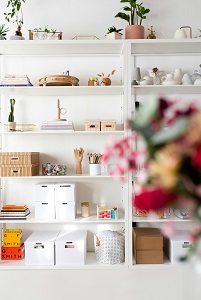
In the quest for efficient home storage solutions, DIY shelving has emerged as an increasingly popular choice among homeowners and renters alike. This innovative approach allows individuals to customize their storage needs while enhancing the aesthetics of their living spaces. By creating their own shelves, individuals can maximize vertical space, utilize corners effectively, and tailor designs to fit specific items, ultimately contributing to a more organized environment.
One of the primary benefits of DIY shelving is its adaptability. Homeowners can select dimensions and materials that best suit their particular needs and style preferences, which is particularly beneficial in smaller homes where every square foot matters. This customization enables the integration of storage into areas that may otherwise go unused. For instance, a simple shelving unit can be tailored to fit snugly into an awkward corner, transforming an overlooked spot into a functional storage solution.
Moreover, the simplicity of many DIY shelving projects makes them accessible to individuals across various skill levels. From beginner-friendly designs requiring minimal tools to more complex projects that challenge one’s craftsmanship, the wide range of options ensures that nearly anyone can successfully create a shelf that meets their needs. Numerous resources, including tutorials and material recommendations, are readily available, inspiring individuals to embark on their own shelving projects with confidence.
In a world where clutter can quickly accumulate, DIY shelving presents a practical and attractive solution for home organization. By investing time and creativity into these projects, individuals can gain greater control over their living spaces, resulting in a cleaner, more visually appealing home. The advantages of custom shelves extend beyond mere storage, helping to foster an environment of calm and order.
Assessing Your Storage Needs
When contemplating DIY shelving ideas for extra home storage, the first step is thorough assessment of your storage needs. Begin by identifying specific areas in your home that require better organization. Walk through your living spaces, noting which locations are cluttered or where items are often misplaced. Pay particular attention to high-traffic zones, such as entryways, kitchens, and living rooms, where additional storage could alleviate chaos.
Next, consider the types and volumes of items you wish to store. Different items demand different types of shelving solutions; for example, heavier items such as books or kitchen appliances require sturdier shelves, while lighter items like decorative pieces or smaller tools can be stored on less robust shelving. Make a checklist of the items you intend to store and categorize them based on usage frequency. Frequent-access items should be placed in more accessible areas, whereas seldom-used items can be stored away in less visible spots.
Before you start building or purchasing shelving, measure the space where you plan to install your storage. Use a tape measure to ascertain the dimensions of the area, including height, width, and depth, so you can effectively plan your shelving layout. Consider vertical space, as floor-to-ceiling shelving can maximize storage capacity without encroaching on your living area. Additionally, planning your shelving design can help you visualize how the storage will fit into your existing decor while catering to your specific storage needs.
Choosing the Right Materials
When embarking on a DIY shelving project, selecting the appropriate materials is crucial. The choice of material directly affects not only the shelving unit’s appearance but also its durability, cost, and functionality. Among the most popular materials for DIY shelving are wood, metal, and repurposed materials.
Wood is often favored for its versatility and aesthetic appeal. It can be easily customized with various finishes and stains, allowing homeowners to match their existing decor. Solid wood shelves are generally very sturdy, offering excellent weight capacity. However, they tend to be more expensive than other options and might require regular maintenance to prevent warping or damage from humidity.
Metal shelving is another viable option, particularly suitable for industrial or modern decor styles. Metals such as steel and aluminum provide unmatched strength and durability, making them great for heavy items. Additionally, metal shelving usually requires minimal maintenance. The primary downside is that metal can get cold or have sharp edges, which may be a concern in homes with children. Cost-wise, metal shelving can range widely depending on the finish and design.
Repurposed materials, such as old crates, pallets, or leftover wooden beams, can present an eco-friendly alternative. These materials are often affordable or even free, making them an attractive option for budget-conscious DIYers. However, challenges may arise in terms of consistency in size and structural integrity. Careful selection and evaluation of these materials are necessary to ensure they are safe and reliable for shelf construction.
Listeners can source these materials from local home improvement stores, lumberyards for wood, or even thrift shops and online classifieds for repurposed options. Whichever material you choose, ensure it aligns with your aesthetic vision, functional needs, and budget constraints to create efficient and appealing shelving solutions.
Popular DIY Shelving Styles
When enhancing home storage solutions, exploring various DIY shelving styles can significantly impact both functionality and aesthetics. Each type of shelving offers unique characteristics and use cases, catering to different needs and spaces within a home.
Floating shelves are a popular choice for those seeking a minimalist appearance. These shelves are mounted directly to the wall, with no visible brackets, creating an illusion of floating. This style is ideal for small spaces or rooms requiring a clean, uncluttered layout. Floating shelves can be used in kitchens for displaying spices and cookbooks, in living rooms for decorative accents, or in bathrooms for extra storage without taking up floor space.
Ladder shelves present a charming, rustic touch while offering functionality. These shelving units lean against a wall, resembling a ladder and allowing for an open design that can showcase items beautifully. Ladder shelves are best suited for areas where both display and storage are needed, like in home offices or living rooms where books and plants can coexist in style.
Corner shelves maximize underutilized space, fitting neatly into the corners of rooms. This style is particularly effective in tight areas, providing storage without encroaching on valuable floor space. Corner shelves can be utilized to house small plants, books, or decorative items, serving as an attractive focal point while efficiently using what could otherwise be wasted space.
Built-in shelves offer a custom solution for more permanent storage needs. Often designed to fit seamlessly into the architecture of a home, built-in shelves can be crafted to any size or style, accommodating books, memorabilia, or other personal items. Ideal for living rooms, libraries, or even closets, these shelves can provide a tailored look that enhances the overall design of the space.
Exploring these popular DIY shelving styles allows homeowners to maximize their storage potential while expressing their unique style. Each style’s versatility and adaptability make them excellent choices for various rooms, ultimately requiring thoughtful consideration of the available space and desired aesthetic.
Step-by-Step Guides for Simple Shelving Projects
Creating your own shelving can be an enjoyable and rewarding DIY project that not only enhances storage capabilities but also allows for personal design customization. Below, we outline a few straightforward DIY shelving projects complete with materials, tools needed, and estimated time for completion.
1. Floating Shelves
Estimated time: 2 hours
Materials: 1″ x 10″ boards, shelf brackets (hidden), screws, wood finish or paint.
Tools: Drill, level, measuring tape, saw.
Step 1: Measure the wall space where you wish to install the shelves, ensuring there is ample room for your intended items.
Step 2: Cut the boards to your desired size. You can create multiple shelves in varying lengths for a creative design.
Step 3: Sand the cut edges and apply wood finish or paint to complement your room decor.
Step 4: Mark the wall where the brackets will be attached using a level to ensure they are straight.
Step 5: Secure the brackets to the wall, then place the shelves on top. Your floating shelves are complete!
2. Cube Shelves
Estimated time: 3 hours
Materials: Plywood sheets, wood nails, wood glue, paint.
Tools: Saw, nail gun or hammer, measuring tape, level, sandpaper.
Step 1: Cut the plywood into squares or rectangles depending on your desired cube dimensions.
Step 2: Assemble the cubes by nailing the edges together and securing with wood glue. Ensure the joints are tight for durability.
Step 3: Sand the edges for a smooth finish and paint the cubes as per your aesthetic preference.
Step 4: You can mount them on the wall or stack them on the floor to create a versatile storage option.
Both of these shelving projects are functional, easy to customize, and enhance the visual appeal of your living space. Don’t hesitate to mix shapes, colors, and designs to elevate your home storage creatively!
Incorporating Shelving into Your Décor
Integrating DIY shelving into your home décor can significantly enhance both the aesthetics and functionality of your living space. When considering the color scheme, it is essential to align your shelving with your current interior palette. For instance, if your environment showcases soft pastels, opting for shelves painted in complementary shades can create a harmonious look. Conversely, bold colors can act as a statement piece, drawing the eye and adding an unexpected pop to a neutral room.
Stylish design ideas for customizing your shelving include using various materials and textures. Wooden shelves can exude warmth and coziness, while metal options may appeal to a more industrial vibe. Mixing these materials can create visual interest; for example, wooden shelves supported by metal brackets can strike a balance between rustic and modern. Additionally, styling your shelves thoughtfully can transform simple structures into appealing focal points. Arrange personal items such as cherished photographs or art pieces alongside functional objects like books and storage boxes. Consider the height and size of items – larger objects should anchor the bottom shelves while smaller accessories can be positioned on top for easy accessibility.
Personalization plays a crucial role in how your shelving reflects your style. Incorporate décor items that resonate with your interests or collection pieces; these may include travel souvenirs, plant pots, or unique sculptures. Utilizing alternative décor options like baskets or decorative boxes not only keeps the space organized but also adds an additional layer of texture to the shelves. Enhance overall harmony by maintaining varying heights and sizes, creating a curated look that feels both intentional and personal. With these considerations in mind, DIY shelves will not only serve as practical storage solutions but also as an extension of your unique home style.
Maintenance and Safety Tips for DIY Shelving
Creating DIY shelving can tremendously enhance your home storage solutions. However, to ensure the longevity and safety of your shelves, it is crucial to implement appropriate maintenance strategies and adhere to safety guidelines. Regular inspections of your shelving units should be part of your maintenance routine. Check for signs of wear, such as cracks in wood or rust on metal components. Pay attention to the fasteners, ensuring they are not loose. Tightening screws and bolts periodically will help maintain the structural integrity of your shelves.
Another critical aspect of maintenance is keeping your shelves clean. Dust and debris can accumulate, especially if you’re storing items that are frequently accessed. Regularly wipe down surfaces to prevent any long-term damage from dust buildup or moisture. For wooden shelves, consider applying a sealant or finish that protects against spills and stains, thus prolonging the life of your natural wood. Metal shelves may require regular checks for rust and can benefit from appropriate protective coatings.
In terms of safety, there are several considerations one should keep in mind, particularly in homes with children or pets. Ensure that all shelving units are securely anchored to the wall to prevent tipping. This is especially vital for taller shelves that could become top-heavy when loaded with items. Use corner brackets or L-brackets for added stability. When designing shelves, choose materials appropriate for the intended load. For example, powder-coated metal shelves can handle heavier weights than traditional wooden units without risk of bowing or collapsing.
Finally, educating all household members about the weight limits of the shelves can help prevent accidents. Children should be taught proper usage and advised against climbing or pulling items from higher shelves, while pets should be kept away from areas where they may accidentally knock over shelves or stored items. By adhering to these maintenance and safety practices, your DIY shelving can remain a reliable and secure addition to your home storage solutions.
Inspiration from Real-Life DIY Projects
DIY shelving has emerged as a popular solution among homeowners seeking to enhance their living spaces while maximizing storage. A myriad of creative projects demonstrates how individuals have transformed their homes with personalized shelving solutions. By observing various examples, it becomes evident how unique styles and functional designs can significantly impact a room’s aesthetics and organization.
One such compelling project features a family who converted an awkward corner of their living room into a captivating display with floating shelves. They repurposed reclaimed wood, adding a rustic charm while providing ample space for books and decorative items. The family’s children not only assisted in the project but also gained skills in woodworking and design, enriching their familial bond through the process. This project exemplifies how DIY shelving can be visually appealing and practical in making the most of underutilized spaces.
Another inspiring example emerged from a college student who turned a small studio apartment into a functional living area. To optimize vertical space, this individual built a set of custom bookcases that served multiple purposes, doubling as a room divider. Utilizing a sleek, modern design, the student was able to define different zones without sacrificing space. By integrating open shelving along with closed cabinets, they achieved a blend of storage and display that maintained a tidy appearance. This innovative approach highlights the versatility of DIY shelving solutions, showcasing that even limited spaces can be transformed with creativity.
Furthermore, social media platforms have illuminated countless DIY shelving projects, where users share their design processes, challenges, and triumphs. These real-life experiences truly emphasize the potential of DIY shelving as not just a storage solution but a means of personal expression and home improvement. Each project reflects the character of its creator and offers inspiration for others to embark on similar journeys of transformation.
Conclusion: Start Your DIY Shelving Journey
As we reach the conclusion of our exploration into DIY shelving ideas for extra home storage, it’s essential to remember that embarking on this creative journey can greatly enhance both functionality and aesthetics in your living environment. Whether you choose to craft minimalist floating shelves or robust built-ins, there is a perfect shelving solution tailored to suit your space and style.
Throughout this blog post, we have discussed various shelving styles and materials, highlighting creative approaches to maximize your storage potential. From using reclaimed wood for a rustic feel to opting for metal brackets for a modern touch, it is evident that the options are endless. Additionally, we have emphasized the importance of properly assessing your storage needs before committing to a design, ensuring that your DIY shelves not only look fantastic but serve their primary purpose effectively.
Moreover, the satisfaction derived from creating your shelving units cannot be understated. Not only does it signify a personal achievement, but it also fosters an enhanced sense of control over your home’s organization. Utilizing DIY shelving ideas adds a unique touch to your home and reflects your personality and taste.
Now is the perfect time to take the first step in your DIY shelving journey. Gather your tools, evaluate your space, and let your creativity flow. Remember, the process of home improvement can be just as fulfilling as the end result. Enjoy the journey, and look forward to transforming your space into a more functional and organized environment.