
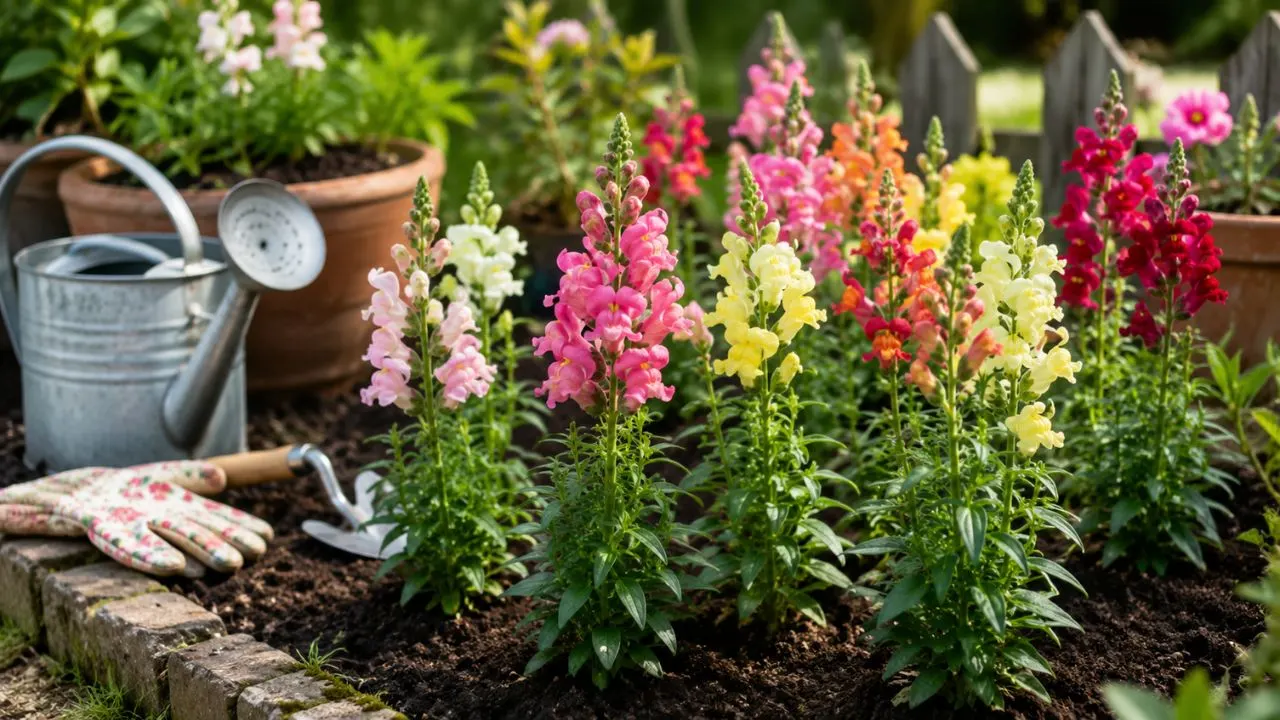
Introduction to Snapdragon Flowers
Snapdragon flowers are the charming jewels of any garden, boasting vibrant colors and unique shapes that can captivate any onlooker. With their whimsical dragon-like blooms, these perennial favorites bring not just beauty but also a burst of life to your outdoor space. Whether you’re an experienced gardener or just starting out, snapdragons offer a delightful challenge and reward. They come in various heights and hues, making them versatile for different garden designs. Ready to dive into the world of snapdragons? Let’s explore how you can grow these stunning flowers beautifully in your own backyard!
Choosing the Right Location for Your Snapdragon Garden
Choosing the right spot for your Snapdragon flowers is crucial for their success. These vibrant blooms thrive in full sun, so aim for a location that receives at least six hours of direct sunlight each day.
Consider the surrounding environment as well. Snapdragons prefer cooler temperatures and can struggle in extreme heat. A site with some afternoon shade might help protect them during hotter months.
Good air circulation is also important. Avoid overcrowding your plants to prevent fungal diseases and pests from taking hold.
Think about accessibility for watering and maintenance. Placing your Snapdragon garden near a water source will make it easier to keep them hydrated without much hassle.
Preparing the Soil for Optimal Growth
Preparing the soil for your snapdragon flowers is a crucial step toward vibrant blooms. First, start by testing the pH level of your soil. Snapdragons thrive in slightly acidic to neutral conditions, ideally between 6.0 and 7.0.
Next, you’ll want to enrich the soil with organic matter. Incorporating compost not only improves drainage but also boosts nutrient content. Aim for a well-draining mix that retains moisture without becoming soggy.
If your soil is heavy clay or overly sandy, consider amending it with peat moss or perlite to enhance its texture and fertility. This will help create an environment where roots can establish firmly.
Don’t forget about sunlight! Before planting, ensure the area receives at least six hours of direct sunlight each day. With prepared soil and good lighting, you’re setting up your snapdragons for healthy growth from the very beginning.
Planting and Caring for Snapdragon Flowers
When it comes to planting snapdragon flowers, timing is essential. Start by sowing seeds indoors about 8-10 weeks before the last frost date. This gives them a head start.
Transplant seedlings outdoors when they are sturdy enough and after the risk of frost has passed. Ensure space between each plant—around 6 to 12 inches allows for proper air circulation.
Water your snapdragons well after planting, but avoid waterlogging the soil. A consistent watering schedule will keep them thriving without drowning their roots.
As they grow, pinch back the tips of young plants to encourage bushier growth and more blooms. Regularly deadhead spent flowers to promote further blooming throughout the season.
Fertilizing every few weeks with a balanced fertilizer can also boost flower production and overall health. Keeping an eye on soil moisture levels will ensure lush foliage and vibrant colors in your garden display.
Common Pests and Diseases to Watch Out For
Snapdragon flowers can be a delightful addition to any garden, but they are not immune to pests and diseases. One of the most common culprits is aphids. These tiny insects suck the sap from plants, leading to stunted growth and curled leaves.
Another threat comes from spider mites. They thrive in dry conditions and create fine webs on your snapdragons. Check for yellowing leaves or speckled patterns that indicate their presence.
Fungal issues like powdery mildew can also affect these vibrant blooms. High humidity and poor air circulation often contribute to this problem, manifesting as a white powdery coating.
Keep an eye out for root rot too, especially if you’ve overwatered your snappies. Healthy roots are essential for strong plants; be cautious with watering routines.
Regularly inspecting your snapdragons will help catch these problems early before they escalate into bigger issues.
Tips for Extending the Blooming Season of Snapdragons
To enjoy snapdragons for as long as possible, proper deadheading is essential. By snipping off spent blooms regularly, you encourage the plant to produce more flowers.
Additionally, providing a balanced fertilizer can help extend their blooming period. Choose one that’s high in phosphorus to promote flower growth rather than just foliage.
Consider planting varieties with different bloom times. Mixing early and late bloomers creates continuous color in your garden throughout the season.
Watering plays a crucial role too. Keep soil consistently moist but avoid waterlogging which can harm roots.
Provide some afternoon shade during scorching summer months. This helps protect delicate petals from wilting away quickly and keeps your snapdragon flowers vibrant longer.
Using Snapdragons in Floral Arrangements
Snapdragons bring a whimsical charm to floral arrangements. Their unique shape and vibrant colors can elevate any bouquet, making them an eye-catching choice for special occasions.
When incorporating snapdragons, consider their height. They work beautifully as focal flowers in taller arrangements or as accents in more compact designs. The variety of hues ranging from soft pastels to bold brights—offers endless possibilities.
Mixing snapdragons with other seasonal blooms enhances texture and visual interest. Pairing them with daisies or peonies creates a delightful contrast that captures attention.
Don’t forget about foliage! Adding greens like eucalyptus or ferns will complement the snapdragon’s elegance while providing balance.
For those who enjoy DIY projects, creating single-stem vases featuring snapdragons can add a touch of sophistication to your decor. Their sturdy stems make them perfect for this style, ensuring they remain upright and striking.
Conclusion
Snapdragon flowers are a stunning addition to any garden, bringing vibrant colors and unique shapes that can elevate your outdoor space. With proper planning and care, you can cultivate these beautiful blooms with ease. By selecting the right location, preparing the soil thoughtfully, and staying vigilant against pests and diseases, you’ll create an environment where snapdragons thrive.
Taking steps to extend their blooming season will ensure your garden remains colorful for as long as possible. Plus, using snapdragons in floral arrangements adds elegance to your home decor or special events.
With a little effort and knowledge, growing healthy snapdragon flowers is within reach for every gardener. Embrace the process of nurturing these lovely plants and enjoy their beauty throughout the seasons.