
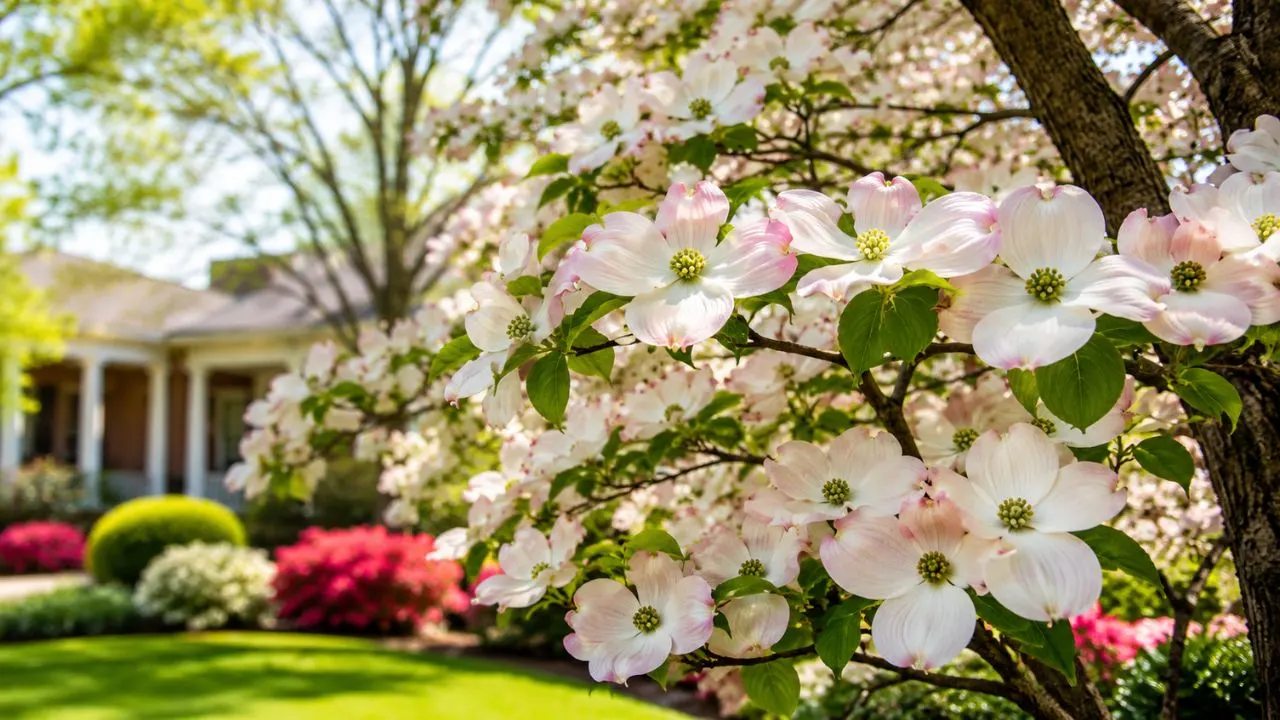
Introduction to Dogwood Trees and Their Blooms
Dogwood trees are a true delight in any garden, known for their stunning blooms that herald the arrival of spring. With vibrant petals ranging from soft whites to rich pinks and deep reds, these flowering trees add elegance and charm to landscapes. The sight of dogwoods bursting into bloom is enough to make anyone stop in their tracks.
But caring for your dogwood tree goes beyond just planting it and waiting for the flowers to come. To ensure those magnificent blooms are as big and beautiful as possible, you’ll need to provide proper care throughout the year. From understanding the right time to plant them to knowing how much water they really need, there’s plenty you can do to nurture your tree.
In this guide, we’ll explore essential tips on everything from pruning techniques to pest prevention so you can enjoy a spectacular display when spring arrives. Get ready—your dogwood tree is about to become the star of your garden!
Understanding When and How to Plant Dogwood Trees
Timing is crucial when planting dogwood trees. The best periods are early spring or fall. These seasons allow for optimal root establishment before extreme temperatures set in.
Choose a location with well-draining soil and partial sunlight. Dogwoods thrive under dappled shade, so consider areas near larger trees that offer protection from the harsh midday sun.
When it’s time to plant, dig a hole that’s twice as wide as the root ball but no deeper than its height. This ensures the roots have room to spread without being buried too deep.
After placing your tree in the hole, backfill with native soil while gently tamping down to eliminate air pockets. Water thoroughly to help settle the soil around the roots and stimulate growth.
Pruning Tips for Promoting Bigger Blooms
Pruning is essential for enhancing the blooms on your dogwood tree. Start by removing any dead or damaged branches. This not only improves the tree’s appearance but also helps it focus energy on healthy growth.
Timing matters, so prune during late winter or early spring before new growth begins. This encourages robust flowering when blooming season arrives.
Aim to shape your tree while allowing light and air to penetrate through the canopy. Thin out crowded areas to prevent disease and promote larger flowers.
Use clean, sharp tools for precise cuts that minimize damage. Always cut at a slight angle above a bud, encouraging future growth in desirable directions.
Consistent pruning practices will help create an inviting environment for vibrant blooms each spring, transforming your garden into a stunning display of nature’s beauty.
Fertilizing Techniques for a Healthy Tree
Fertilizing your dogwood tree is essential for vibrant blooms and overall health. Start with a soil test to determine nutrient levels. This will guide you on what specific fertilizers to use.
Use a balanced fertilizer, ideally one that’s slow-release. Look for an N-P-K ratio of 10-10-10 or similar. Apply it in early spring when the buds begin to swell.
Spread the fertilizer evenly around the base, avoiding direct contact with the trunk. Water thoroughly afterward to help nutrients penetrate deep into the roots.
Organic options like compost or well-rotted manure can also boost growth naturally. They enhance soil structure while providing vital nutrients over time.
Consider feeding again in late summer if your tree shows signs of stress or insufficient blooming. Just be careful not to over-fertilize; this can damage delicate roots and lead to more problems than benefits.
Watering and Sunlight Requirements for Optimal Growth
Dogwood trees thrive with the right balance of water and sunlight. These stunning plants prefer well-drained soil that retains some moisture without becoming soggy. Watering deeply but less frequently encourages healthy root growth.
Aim for about an inch of water per week during dry spells. Mulching around the base can help retain moisture while also suppressing weeds.
Sunlight is equally crucial. Dogwoods enjoy partial shade, ideally receiving four to six hours of filtered sunlight each day. Too much direct sun can scorch their leaves and hinder blooming potential.
If you’re in a particularly hot climate, consider planting your dogwood where it will get afternoon shade. This environment allows them to flourish while showcasing those beautiful blossoms come springtime.
How to Prevent Pests and Diseases in Your Dogwood Tree
Keeping your dogwood tree healthy involves vigilance against pests and diseases. Regular inspections are key. Check leaves, stems, and the trunk for any unusual spots or signs of damage.
Introduce beneficial insects like ladybugs or lacewings to naturally control harmful pests such as aphids. They’re great allies in maintaining a balanced ecosystem around your tree.
Ensure good air circulation by pruning overcrowded branches. This helps prevent fungal infections that thrive in humid conditions.
Another effective method is applying mulch around the base of your tree. It not only conserves moisture but also deters weeds that can harbor pests.
Stay informed about common dogwood ailments like powdery mildew or anthracnose. Early detection means you can treat problems before they escalate into serious issues.
Conclusion: Enjoy Your Beautiful Spring Blooms!
Dogwood trees are a delightful addition to any garden. With their stunning blooms, they bring life and color every spring. By following the care tips outlined in this article, you can ensure your dogwood tree thrives.
Planting at the right time and providing proper sunlight will set a strong foundation for growth. Regular pruning encourages bigger blooms while strategic fertilization nourishes your tree throughout its life cycle. Additionally, consistent watering practices help maintain optimal health.
Being vigilant about pests and diseases allows you to protect these beautiful trees from harm. With dedication and attention to detail, you’ll be rewarded with an impressive display of flowers each season.
Embrace the joy that comes with caring for your dogwood tree as it transforms your landscape into a vibrant spring oasis filled with breathtaking blossoms. Enjoy watching nature unfold its beauty right outside your window!