
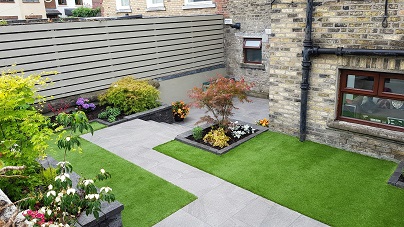
Introduction to Backyard Landscaping
Backyard landscaping is an essential aspect of home improvement that allows homeowners to transform their outdoor spaces into aesthetically pleasing and functional environments. It encompasses a variety of design elements including gardens, patios, walkways, and decorative features, all aimed at enhancing the overall appeal of a property. By carefully considering the layout and features, one can create a serene retreat, a lively entertainment area, or a vibrant garden sanctuary, depending on individual preferences and necessities. A well-designed backyard not only increases the visual attractiveness of a home but also contributes significantly to its value. Effective landscaping can create usable outdoor areas, enabling homeowners to enjoy activities such as gardening, hosting barbecues, or simply relaxing in a tranquil setting. Additionally, the right landscaping ideas can improve functionality by providing essential features such as privacy, shade, and proper drainage, making it an integral aspect of any residential property.
One remarkable quality of backyard landscaping is its adaptability; it can be tailored to suit any budget. Whether a homeowner has a modest budget or is ready to invest substantially in their outdoor space, various landscaping options and ideas are available. From simple, low-cost solutions like planting native plants or creating rock gardens to more elaborate designs involving hardscaping and custom features, there is something for everyone. This diversity allows individuals to make gradual improvements over time, ensuring that their outdoor area can evolve alongside their financial capabilities.
In contemplating backyard landscaping, it is crucial to assess both the aesthetic desires and functional needs that will influence the final design. By exploring various landscaping ideas, homeowners can find inspiration that resonates with their vision for an ideal outdoor space, making the process both fulfilling and rewarding.
Setting a Budget for Your Landscaping Project
When embarking on a backyard landscaping project, establishing a realistic budget is essential. A well-defined budget not only keeps your spending in check but also allows you to prioritize and allocate resources effectively. To start, consider the primary components of your landscape design, including materials, labor, and ongoing maintenance costs.
The choice of materials will significantly impact your landscaping costs. From natural stones and pavers to mulch and plants, each option carries varying price points. Researching and comparing costs will help you identify affordable yet aesthetically pleasing options. Additionally, selecting native plants can reduce long-term costs due to their lower maintenance and water requirements.
Labor is another key cost factor in landscaping. Depending on the complexity of your project, you may choose to undertake some tasks yourself or hire professionals. For smaller projects, a DIY approach can significantly reduce costs. However, if you are considering major installations such as hardscaping or intricate garden layouts, hiring experienced landscapers may be advisable. Ensure you obtain multiple quotes to find the best pricing without compromising quality.
Ongoing maintenance should not be overlooked when creating your budget. A well-maintained landscape enhances property value; thus, consider costs associated with regular upkeep such as mowing, fertilizing, and pruning. It is prudent to account for seasonal changes in maintenance needs, as certain times of the year may require additional attention to your garden.
Ultimately, prioritizing your landscaping goals—be it creating a serene retreat or introducing edible plants—will maximize your investment. By evaluating your desires and aligning them with a feasible budget, you can transform your backyard into a functional and aesthetically pleasing space without financial strain.
Affordable Landscaping Ideas for Tight Budgets
When it comes to transforming your backyard into a beautiful landscape, the good news is that you can achieve stunning results without spending a fortune. For homeowners on tight budgets, several creative and cost-effective landscaping ideas can enhance an outdoor space while remaining budget-friendly. One of the best approaches is to focus on DIY landscaping projects, which not only cut costs but also allow for personalization.
Starting with a plan is crucial. Homeowners can sketch their ideas or utilize free online design tools to visualize potential layouts. Creating borders for flower beds using natural materials like stones or logs is an excellent DIY project. Another effective way to enhance the landscape is through the incorporation of native plants, which are well-suited to local soil and climate conditions. These resilient plants require minimal maintenance and irrigation, thereby reducing ongoing costs while contributing to local biodiversity.
Recycled materials also serve as a great way to elevate the aesthetic of your garden while sticking to a tight budget. Old wooden pallets can be repurposed into planters or garden furniture, adding a rustic charm without a heavy price tag. Similarly, using reclaimed bricks or stones for pathways can create visually appealing walkways at a fraction of the cost of new materials.
Furthermore, opting for mulching not only suppresses weeds but can also beautify gardening areas. Materials such as wood chips and shredded leaves can be sourced inexpensively or even for free from local green waste facilities. It plays a dual role in conserving moisture and enhancing soil quality, thus contributing to the overall health of your plants.
Ultimately, homeowners can cultivate a stunning backyard landscape while adhering to tight budgets by integrating DIY options, native plants, and recycled materials into their designs. These affordable landscaping ideas empower individuals to create a beautiful outdoor environment without incurring substantial financial burdens.
Mid-Range Landscaping Solutions
When considering mid-range landscaping solutions for your backyard, the goal is to strike a balance between aesthetic appeal and budgetary constraints. One versatile option is the incorporation of moderate stone pathways. These pathways not only guide visitors through your garden but also add texture and character. Using natural stone or pavers, you can create a visually appealing route that integrates harmoniously with the surrounding flora.
Another excellent feature for enhancing the backyard’s ambiance is the installation of colorful flower beds. Selecting perennials and annuals that bloom at different times throughout the year will ensure your garden remains vibrant across seasons. Choose a mix of plants with diverse heights, colors, and textures to create depth and visual interest. This approach can transform any area into a lively focal point and provide inviting scents that enhance the overall experience of your outdoor space.
Additionally, decorative fencing can serve both functional and aesthetic purposes. Rather than opting for the traditional privacy fence, consider alternatives such as bamboo panels, lattice designs, or low-height picket fencing. These options can delineate spaces effectively while allowing for the free flow of light and air, making your backyard feel more expansive. Furthermore, they can be painted in contrasting colors or adorned with climbing plants, which further enhances the visual appeal.
In essence, mid-range landscaping solutions like stone pathways, flower beds, and attractive fencing offer homeowners the ability to improve their outdoor environments without breaking the bank. By carefully selecting affordable yet high-quality materials and plant varieties, you can achieve a beautiful backyard that reflects your personal style and enhances your home’s curb appeal.
Luxury Landscaping Features for Upscale Transformations
For homeowners looking to create an extravagant outdoor space, investing in luxurious landscaping features can significantly elevate the aesthetic and functional appeal of their backyards. These upscale transformations not only enhance property value but also provide a serene escape that blends leisure and elegance.
One of the most sought-after additions in luxury landscaping is the outdoor kitchen. Designed for entertaining and cooking, these spaces often feature high-end appliances, such as built-in grills, pizza ovens, and refrigerators. Additionally, premium materials like natural stone countertops and custom cabinetry can create a sophisticated atmosphere, making alfresco dining a truly delightful experience.
Another key element of luxury landscaping is the inclusion of a swimming pool. Whether it’s a modern infinity pool overlooking scenic views or a classic lagoon-style pool surrounded by lush greenery, these water features are perfect for relaxation and recreation. Adding splashes of innovation, such as lighting systems or integrated fountains, can create captivating effects that enhance the overall ambiance.
Moreover, expertly designed gardens can serve as an elegant backdrop to any luxury landscape. Homeowners can incorporate rare plant species, intricate pathways, and artisan sculptures to create a personalized oasis. Incorporating features such as water gardens or koi ponds further adds to the tranquil vibe, inviting mindfulness and appreciation of nature.
Fully embracing the high-end outdoor experience, these landscaping ideas emphasize both aesthetics and functionality, transforming standard backyards into luxurious retreats. By investing in these upscale options, homeowners cultivate not just a beautiful environment but also a space that fosters connection, relaxation, and enjoyment among family and friends.
Incorporating Sustainable Practices
As homeowners increasingly seek to enhance their outdoor spaces, incorporating sustainable landscaping practices becomes indispensable. Sustainable landscaping not only benefits the environment but also helps in creating a resilient and aesthetically pleasing backyard that yields long-term rewards. By focusing on eco-friendly options, homeowners can consciously address environmental concerns while cultivating beautiful landscapes.
One of the most effective sustainable practices is the use of drought-resistant plants. These plants are adapted to thrive in low-water conditions, significantly reducing irrigation needs. By selecting native or drought-tolerant species, homeowners can create vibrant gardens that require less maintenance and conserve precious water resources. Additionally, these plants often attract local wildlife, promoting biodiversity within the backyard ecosystem.
Another beneficial sustainable feature is the implementation of rain gardens. These specially designed gardens facilitate the absorption and management of rainwater runoff, allowing rainwater to naturally filter through the soil. Rain gardens are not only visually attractive but also serve to reduce sediment and pollutants that might otherwise flow into local waterways. This approach aids in preserving water quality and managing stormwater more effectively.
Moreover, utilizing solar lighting systems in landscaping can significantly enhance the sustainability of a backyard. Solar lights harness energy from the sun, reducing electricity consumption and minimizing a home’s carbon footprint. By integrating solar lighting into pathways, gardens, and patios, homeowners can improve safety and aesthetics while promoting energy efficiency.
Implementing these sustainable landscape practices not only creates an eco-friendly environment but also aligns with the values of many eco-conscious homeowners. By focusing on drought-resistant plants, rain gardens, and solar lighting, one can cultivate a backyard that is both beautiful and environmentally friendly, demonstrating that sustainability and style can coexist harmoniously.
Combining Different Landscaping Styles
Creating a cohesive look in your backyard can be an enjoyable yet challenging endeavor, particularly when blending various landscaping styles such as modern, traditional, and rustic. Each style possesses unique characteristics, but when thoughtfully combined, they can produce a visually appealing and harmonious landscape. To achieve this, it is essential to consider how plants, materials, and design elements work together.
Firstly, think about the plants you wish to incorporate. Opt for a few key species that embody the essence of each style. For instance, traditional gardens might feature classic flowering plants like roses or hydrangeas, while modern landscapes may emphasize minimalism with striking succulents or ornamental grasses. Rustic settings, with their earthy appeal, can introduce native wildflowers or deciduous trees. By selecting a blend of these plants, you can create focal points that draw the eye while maintaining balance.
When it comes to materials, consistency is vital. Consider using natural stones, wood, and metals that can bridge the gap between differing styles. For example, pairing a sleek, modern bench with a rustic wooden table can create an interesting tableau that showcases each stylistic element without overwhelming the viewer. Additionally, pathways made from contemporary pavers can elegantly guide the eyes through a garden lush with traditional flowering plants.
Lastly, pay attention to design elements. Hardscaping features like trellises, fences, or water features can unify different styles by employing similar shapes and finishes. To reinforce cohesion, maintain a consistent color palette throughout your garden by selecting stones, paint, or accents that echo the colors of your chosen plants. By thoughtfully combining these diverse landscaping styles, you can create a space that is both functional and aesthetically pleasing, enriching your outdoor experience.
Maintaining Your Backyard Landscape
Maintaining a backyard landscape is vital for ensuring its aesthetic appeal and overall health. Regular upkeep not only preserves the beauty of outdoor spaces but also protects your investment. To keep your landscape looking fresh year-round, it’s essential to implement a seasonal maintenance routine, manage pests, and engage in routine care.
In the spring, initiate your landscape maintenance by performing a thorough clean-up. This may include removing any debris left over from winter, such as fallen leaves or branches. Assess your plants, checking for any signs of frost damage and pruning as needed. It’s also a suitable time for planting new flowers and shrubs, as well as applying a fresh layer of mulch to help retain moisture and suppress weeds. Fertilization in spring can bolster growth as plants emerge from dormancy.
As summer approaches, regular watering becomes crucial, particularly during dry spells. Establishing a consistent watering schedule tailored to your plant types will enhance their resilience. Additionally, monitor for pests and diseases as they can thrive in warmer weather. Implementing integrated pest management techniques, such as introducing beneficial insects or organic repellents, can effectively control outbreaks. Seasonal weeds should be addressed promptly to prevent them from overtaking your flower beds and lawn.
In the fall, maintain your backyard landscape by preparing it for the cold months. This can involve mowing the lawn one last time, raking leaves, and ensuring that perennials are cut back. Consider adding compost to your soil to enhance its quality for the next spring. Lastly, winter preparation may include covering sensitive plants and protecting hardscapes from snow and ice.
Incorporating these seasonal maintenance tips will significantly aid in keeping your backyard landscape looking vibrant and healthy. Attention to detail in pest control and routine care will ultimately enhance the longevity of your outdoor space, making it a lasting environment for enjoyment and relaxation.
Conclusion and Encouragement to Get Started
In summary, creating a captivating backyard landscape need not be limited by budget constraints. Throughout this blog post, we have explored diverse landscaping ideas tailored to various financial plans. Homeowners were encouraged to consider cost-effective solutions such as incorporating native plants, utilizing mulch, and repurposing existing materials like stone or wood. These strategies not only enhance aesthetic appeal but also promote sustainability.
We also discussed mid-range options that involve more substantial investments, such as the installation of decorative hardscapes, the addition of outdoor lighting, and the incorporation of pathways to facilitate easy navigation. These choices can significantly elevate the outdoor environment, creating a welcoming space for relaxation and social gatherings. Lastly, high-end projects like personalized patio designs and elaborate water features were highlighted, showcasing how luxury elements can transform a backyard into a luxurious retreat.
No matter the budget, cultivating a well-thought-out landscape can greatly improve the enjoyment of your outdoor space while simultaneously raising the overall value of your property. By taking into account the various landscaping ideas presented, you can embark on your journey toward a more beautiful backyard.
We encourage homeowners to take inspiration from these ideas and adapt them according to their personal preferences and financial capability. Start small or aim for a significant transformation; the essence lies in the creativity and effort you put into your backyard. Begin today, and witness how your outdoor space can become a vibrant extension of your home.