
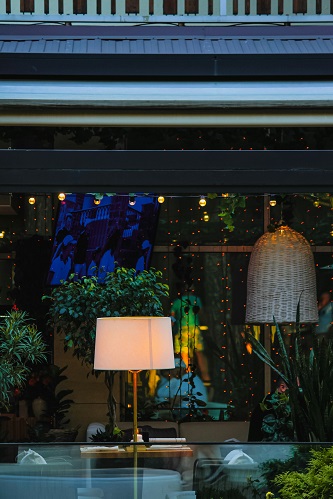
Introduction to Home Lighting
Lighting plays a pivotal role in home design, significantly influencing the ambiance and functionality of any living space. It is not merely a utilitarian necessity but also a vital component that enhances the aesthetic appeal of interiors. The right lighting can transform a room, creating an inviting atmosphere or highlighting architectural features. From setting the mood during intimate gatherings to providing adequate illumination for daily tasks, effective home lighting serves multiple purposes.
Moreover, the integration of diverse lighting sources—such as ambient, task, and accent lighting—contributes to a balanced and layered approach to illumination. Ambient lighting provides general illumination for a space, while task lighting focuses on specific areas where activities take place, such as reading or cooking. Accent lighting, on the other hand, can draw attention to artwork or architectural details, adding character and depth to a room.
When considering home lighting, it is essential not only to focus on the practical aspects but also to think creatively about how light can enhance the overall design. The choice of light fixtures, the color temperature of bulbs, and the placement of lights can all affect how a room feels. Soft, warm light may create a cozy environment suitable for relaxation, while bright, cooler light can enhance alertness and productivity in workspaces.
As we explore various home lighting ideas in the subsequent sections, it is crucial to understand that successful lighting design involves a harmonious blend of style and functionality. Properly designed lighting not only elevates the visual appeal of a space but also significantly impacts the comfort and enjoyment of its inhabitants. This interplay between design and practicality is what allows lighting to truly transform a home.
Understanding Different Types of Lighting
When it comes to home lighting, understanding the three primary types—ambient, task, and accent lighting—is essential for creating a well-designed space. Each type serves a unique purpose and contributes to the overall atmosphere of a room.
Ambient lighting, often referred to as general lighting, provides a uniform level of illumination for an area. This base layer of light enables occupants to navigate spaces comfortably. Common sources of ambient lighting include ceiling-mounted fixtures, chandeliers, and wall-mounted sconces. This type of lighting sets the stage for other layers and ensures that the room feels welcoming.
Task lighting, on the other hand, is designed to illuminate specific work areas where focused activities occur. Whether it’s reading, cooking, or working on a hobby, task lighting provides the necessary brightness for visually demanding tasks without straining the eyes. Desk lamps, under-cabinet lights in kitchens, and portable floor lamps are effective options that can be strategically placed to enhance functionality in various spaces.
Lastly, accent lighting serves to highlight particular features or objects within a room. This type of lighting adds dimension and depth, creating visual interest and drawing attention to artwork, architectural details, or decorative elements. Using wall-mounted picture lights, track lighting, or spotlights effectively enhances these focal points, allowing them to stand out within the larger design context.
In conclusion, a well-rounded lighting scheme incorporates all three types to achieve a balanced and functional environment. By understanding how ambient, task, and accent lighting work together, homeowners can transform their spaces into inviting and purposeful areas that cater to both aesthetics and practical needs.
Choosing the Right Fixtures
Selecting the appropriate light fixtures is a crucial aspect of home lighting design, as it greatly influences the ambiance of each room. Fixtures are available in a multitude of styles, sizes, and finishes, making it essential to choose options that complement your home’s overall aesthetic. From grand chandeliers to understated wall sconces, understanding the different types of lighting will help you create a cohesive look throughout your space.
Chandeliers often serve as a dramatic focal point, suitable for dining rooms or entryways. They come in various styles, from traditional crystal designs to modern minimalist pieces, allowing homeowners to select fixtures that enhance their decor. In contrast, pendant lights are ideal for kitchen islands or dining areas, offering both functionality and style, available in an array of materials such as metal, glass, or fabric.
Wall sconces provide an elegant solution for hallways or living rooms, adding both form and function. They illuminate spaces without taking up floor or table space and can contribute to the overall theme of the room. Floor lamps serve as versatile lighting solutions for reading nooks or office spaces, with options ranging from arc lamps to tripod designs, ensuring that they can fit various room layouts and styles.
When choosing fixtures, consider the size and scale of your rooms. Oversized fixtures can overwhelm smaller spaces, while too small fixtures may go unnoticed in larger areas. Additionally, consider the color and material of the fixtures to ensure they harmonize with other elements, such as furniture and wall colors. Lighting plays an essential role in not just visibility but also in enhancing the character of your home. Therefore, thoughtful selection can make a remarkable difference in transforming your space.
Utilizing Natural Light
Maximizing natural light in your home can significantly enhance the overall ambiance and aesthetic appeal of your living spaces. Natural light not only illuminates your home, but it can also improve your mood and promote a sense of well-being. There are several strategies to effectively harness sunlight and elevate the brightness within your home.
First, consider the type of window treatments you use. Opting for sheer curtains or blinds can help diffuse natural light, allowing it to filter through without compromising your privacy. Heavy drapes may darken a room, limiting the benefits of sunlight. By selecting lighter fabrics and colors, you can create an airy atmosphere that feels open and inviting.
Secondly, the use of reflective surfaces can amplify the effects of natural light. Mirrors are a classic choice; by positioning them across from windows, you can create the illusion of more space while effectively doubling the sunlight that fills the room. Likewise, glossy finishes on walls or furniture can enhance light reflection, augmenting the luminosity of any room.
Additionally, consider the strategic placement of windows. Large, unobstructed windows or skylights can significantly elevate the amount of natural light that enters your home. If you are in the process of renovating or designing your space, prioritize areas that benefit from optimal sunlight exposure, particularly living and workspaces where you spend the majority of your time.
Finally, during warmer months, consider utilizing outdoor spaces such as patios or balconies to extend your living area and enhance natural light exposure. Outdoor living not only provides additional light but also brings you closer to nature, further enriching your home environment. The integration of these various approaches will certainly transform your space and highlight the benefits of natural light.
Layering Lighting for Versatility
Layering lighting involves the strategic combination of various light sources to create a versatile environment that enhances both the aesthetics and functionality of a space. This technique is essential for achieving a balanced and adaptable lighting scheme that can cater to different activities and moods throughout the day. By utilizing ambient, task, and accent lighting together, homeowners can transform their living areas into dynamic spaces that respond to a range of needs.
Ambient lighting serves as the foundational layer, providing general illumination necessary for daily activities without causing strain on the eyes. Common sources include ceiling fixtures, such as chandeliers and flush-mount lights, which distribute light evenly across the room. Meanwhile, task lighting is more focused, allowing for increased visibility in areas designated for specific activities, such as reading, cooking, or studying. Table lamps, under-cabinet lighting, and pendant lights are effective choices for task-oriented spaces.
Accent lighting, on the other hand, highlights particular features in a room, such as artwork, architectural details, or plants, adding depth and character to the overall lighting scheme. Wall sconces, track lighting, and spotlights can be skillfully positioned to draw attention to focal points within a room. By intelligently layering these three types of lighting, homeowners can manipulate the atmosphere according to the time of day or occasion.
Implementing a dimmer switch can further enhance the versatility of the layered lighting setup, allowing for easy adjustment of brightness levels according to preferences. As you transition from daytime activities to evening relaxation, the ability to adapt lighting not only improves usability but also aids in creating a comfortable ambiance. Ultimately, layering lighting fosters a more engaging environment, making it a worthwhile consideration for any interior design project.
Smart Lighting Solutions
In recent years, the emergence of smart lighting technology has revolutionized how homeowners approach illumination within their spaces. Smart light bulbs, dimmers, and comprehensive home automation systems have all contributed to creating customizable lighting scenarios that cater to individual preferences and needs. Smart bulbs such as those from Philips Hue and LIFX provide significant advancements over traditional incandescent bulbs, allowing users to adjust brightness, color, and even scheduling through mobile applications or voice commands.
One of the key benefits of smart lighting solutions is energy efficiency. By using LED technology combined with smart features, these bulbs consume significantly less energy compared to standard lighting options. Furthermore, homeowners can use smart dimmers to adjust the light intensity according to the time of day or particular activities. For instance, a cozy ambiance can be achieved during evening family gatherings, while brighter, cooler lighting may be preferred for tasks such as reading or cooking. This versatility not only enhances the living environment but also contributes to lower energy bills.
Moreover, many homeowners are integrating smart lighting into their broader home automation systems. This synchronicity allows for scenarios where lights can be programmed to turn off automatically when leaving a room or turned on when entering, offering convenience and peace of mind. Additionally, smart lighting can be part of a security measure—lights can be set to mimic the glow of occupied homes when residents are away, deterring potential intruders.
Overall, the rise of smart lighting solutions has profoundly impacted home lighting design. The ability to control one’s environment with minimal effort enhances both comfort and efficiency, showcasing just how far lighting technologies have advanced. As these technologies continue to develop, we can anticipate an even more seamless integration of lighting into our daily lives.
Seasonal Lighting Ideas
Adapting lighting to reflect seasonal trends can significantly enhance the atmosphere of your home, creating a harmonious environment that resonates with the changing moods and colors of each season. In winter, when the days are shorter and the temperatures drop, it is essential to cultivate a warm and cozy ambiance. You can achieve this by incorporating softer lighting options, such as table lamps with warm-toned bulbs, pendant lights with dimmers, or LED candles that provide a gentle glow. Utilizing rich, textured fabrics in your decor, such as plush throw blankets and velvet curtains, can further amplify the inviting feel of your space.
As the winter holidays approach, consider adding decorative string lights in your living room or draping them along mantels to create a festive spirit. Incorporating layers of light through different sources, including floor lamps and sconces, can enhance the snug atmosphere while maintaining functional brightness in your home.
Transitioning into summer, the focus shifts towards brightening your space to foster an airy and uplifting environment. During the warmer months, maximizing natural light becomes paramount. Opt for light, sheer window treatments that allow sunlight to stream in freely, while maintaining your privacy. Additionally, using cooler-toned LED bulbs can mimic the freshness of summer light, creating a cheerful ambiance throughout your home.
During this season, consider introducing outdoor lighting as well. String lights on patios or garden spaces can create an inviting atmosphere for summer evenings, while lanterns or solar-powered lights can add an element of whimsy. Embrace seasonal decor by incorporating elements such as floral-patterned lampshades or decorative lighting fixtures that reflect the vibrant colors of summer blooms. By thoughtfully adjusting your lighting according to seasonal trends, you can create a dynamic and harmonious atmosphere in your home year-round.
Eco-Friendly Lighting Options
In an era where environmental sustainability is paramount, choosing eco-friendly lighting options has become increasingly important for homeowners. These lighting solutions not only help reduce energy consumption but also contribute to a greener planet.
One of the most popular eco-friendly choices is the use of LED bulbs. Unlike traditional incandescent bulbs, LED lights consume significantly less energy and last much longer, which makes them a cost-effective option over time. Moreover, they are available in various color temperatures, allowing for greater customization to suit different moods and settings within a home.
Another excellent option is solar-powered lighting. These fixtures harness energy from the sun, effectively eliminating electricity costs while providing ambient light for outdoor areas such as gardens, patios, and walkways. Solar lights come in many designs, from decorative lanterns to functional spotlights, making it easy to incorporate them into your landscape without compromising style.
Beyond LEDs and solar-powered fixtures, there are also other sustainable alternatives like compact fluorescent lamps (CFLs) and smart lighting systems. CFLs are more energy-efficient than traditional bulbs and have a longer lifespan. Smart lighting systems allow homeowners to better control their energy use by enabling scheduling and remote operation via apps, further minimizing waste.
It is essential to consider the environmental impact of our choices, especially in lighting. By opting for eco-friendly lighting options, individuals can significantly reduce their carbon footprint while simultaneously enjoying stylish and functional illumination in their homes. As we move towards a more sustainable future, making informed decisions about lighting can lead to not only energy savings but also promote a healthier living environment.
Conclusion and Final Thoughts
Home lighting plays a crucial role in shaping the atmosphere and functionality of any space. Throughout this blog post, we have explored various home lighting ideas that can dramatically enhance your living environment. From ambient lighting that sets a welcoming tone to task lighting tailored for specific activities, the right lighting choices can transform the aesthetics and usability of your home. We have also examined decorative lighting options that serve as focal points while contributing to a more personalized style.
It is essential to consider not only the functionality of the lights but also how they interact with the colors, textures, and overall design of the room. A well-designed lighting scheme strategically layered with different types of lighting can highlight architectural features, create visual interest, and influence mood. Furthermore, incorporating smart lighting technology allows for customization and enhances convenience, offering options to adjust brightness and color temperature to suit different times of day or activities.
As you embark on your journey to revamp your home lighting, we encourage you to experiment with these various ideas and solutions. Whether you choose to implement subtle changes or undertake significant renovations, remember that each lighting decision contributes to the overall ambiance of your space. Thoughtful lighting design not only uplifts the visual appeal but can also improve the atmosphere, making your home a more enjoyable place to live. With that in mind, explore the vast possibilities that home lighting offers to create an inviting and harmonious environment that reflects your personal tastes and lifestyle.