
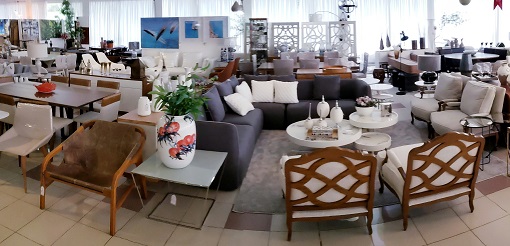
Selecting the right home furniture selection involves a deep understanding of your style preferences, which significantly shapes the overall ambiance of your living space. Different furniture styles—such as modern, traditional, rustic, and eclectic—each evoke unique emotions and cater to varying aesthetic ideals. By recognizing these styles, you can curate a home that not only reflects your personality but also enhances your daily experiences.
Home furniture selection is characterized by clean lines, minimalistic design, and functional forms. This style often utilizes materials like glass, steel, and natural wood, creating an airy feel that promotes simplicity and comfort. In contrast, traditional furniture encompasses classic designs with ornate details and rich fabrics, often resulting in a cozy, timeless atmosphere that welcomes guests with warmth.
Rustic furniture leans towards a natural, earthy aesthetic, frequently featuring reclaimed wood and handcrafted elements that invite a sense of tranquility and connection to the outdoors. Such styles often promote a less polished, more rugged charm, making them suitable for those who value authenticity in their home environment. Lastly, eclectic furniture blends various styles and periods, allowing individuals to showcase their creativity and personal stories through standout pieces.
Understanding your style preferences is crucial not just for aesthetic reasons but also for crafting a cohesive look throughout your home. Each style contributes distinctively to the atmosphere, affecting how you and your guests feel within each space. By identifying the furniture style that resonates with you, you can create a living environment that not only meets functional needs but also reflects your identity and values.
Assessing Your Space
Before purchasing home furniture, a crucial first step is assessing your available space. This process involves measuring your rooms accurately to understand what can realistically fit without overcrowding. Begin by taking precise measurements of the length and width of each room. Be sure to record these dimensions on a piece of paper or use a digital measuring app to ensure accuracy and ease of reference.
Once you have the measurements, consider the layout of the space. Determine the primary functions of each room and how the furniture will be utilized in terms of everyday activities. For instance, in a living room, a seating area might be a focal point, while in a bedroom, the arrangement should facilitate comfortable access to closets and nightstands. Thoughtful placement will optimize both comfort and functionality, ensuring that the furniture complements rather than hinders movement throughout the area.
Additionally, take note of architectural features such as doorways, windows, and ventilation systems. These elements can significantly influence furniture selection. For example, large windows may offer beautiful views but also restrict where larger pieces can be placed, given the need for light and airflow. Doorways should also be taken into account; pieces of furniture need to be maneuverable through doors without damaging walls or the furniture itself. Furthermore, assessing natural light can inform choices when selecting colors and materials, as lighter hues can open up dark spaces.
Overall, being thorough in your assessment will help you create a harmonious environment that reflects your style while remaining practical. This careful evaluation lays the groundwork for informed decisions that contribute to an aesthetically pleasing and functional home.
Determining Functionality and Purpose
When selecting home furniture, understanding the functionality and purpose of each piece is essential. This process begins by evaluating how each room in your home will be utilized on a daily basis. For example, in a living room, consider whether you will primarily entertain guests, enjoy family movie nights, or use it as a quiet reading nook. Each of these activities presents different requirements for furniture choices.
Multi-purpose furniture is increasingly popular, especially in homes with limited space. A sofa bed is a prime example, allowing for both an inviting seating area and an additional sleeping option for guests. Similarly, ottomans with hidden storage or coffee tables that can expand to accommodate dining needs are practical choices that maximize space without compromising style. When selecting these items, assess their adaptability to your lifestyle and the activities you anticipate in that area.
Moreover, understanding the daily activities performed in each space also translates into ergonomic considerations. For instance, if your home office is frequently used for long hours of work, invest in a high-quality desk and chair that support proper posture and reduce fatigue. Conversely, a dining table should promote social interaction and be comfortable for family gatherings. Each piece of furniture should not only fit within the aesthetic of your home but should also serve a clear function that enhances your daily life.
Ultimately, choosing the perfect home furniture revolves around recognizing how each item will contribute to your overall lifestyle. By prioritizing functionality and purpose, you can create a living space that is both practical and inviting, tailored to your specific needs and activities.
Choosing the Right Materials
Selecting the appropriate materials for home furniture is pivotal in determining not just the aesthetic appeal but also the durability and maintenance requirements of the pieces. Various materials offer different benefits and drawbacks, with wood, metal, and upholstery standing out as common choices.
Wood is a classic material known for its robustness and timeless look. Solid wood, such as oak or maple, typically withstands wear and tear much better than cheaper particle board or veneer options. When selecting wood furniture, consider the type of finish as well; for instance, a lacquered finish may offer resistance to spills, making it easier to maintain.
Metal is another viable option, often used in contemporary designs or for frames and structural components. Metals like stainless steel or wrought iron provide extreme durability and can support a wide range of styles. However, they require consideration when it comes to heat and humidity, as certain metals may corrode or become uncomfortably hot to the touch.
Upholstery is also an integral aspect of furniture, particularly for sofas and chairs. The choice of fabric can impact both comfort and maintenance. Natural fabrics like cotton and linen can provide a cozy feel but may stain more easily, while synthetic options like microfiber are often stain-resistant and durable, making them more suitable for households with kids or pets. Keep in mind that the texture and color of upholstery should complement the overall theme of your home.
Ultimately, when selecting materials, assess your lifestyle needs carefully. For families with children, durable materials that are easy to maintain can be a practical choice, while those in quieter settings may prioritize aesthetics over resilience. By understanding the implications of each material type, you can create a functional yet stylish living environment tailored to your preferences.
Setting a Budget
Establishing a budget is a crucial step in the process of choosing home furniture. This step not only helps control spending but also ensures that priorities are set before heading to showrooms or browsing online. Begin by analyzing your finances to determine a realistic budget that fits your overall financial situation. Consider factors such as your monthly income, existing expenses, and any outstanding debt. This thorough evaluation will help in understanding how much you can comfortably allocate for furniture purchases.
Next, differentiate between needs and wants. Needs are essential items necessary for daily living, such as a bed or dining table, while wants encompass items that enhance aesthetics or comfort, but are not absolutely necessary. By setting priorities, you can allocate a larger portion of your budget towards essential items without neglecting any discretionary spending for those desired pieces that would elevate your home’s ambiance.
If you find that your desired furniture exceeds your budget, consider exploring financing options. Many retailers offer installment plans or credit lines specifically for furniture purchases. Additionally, research alternative financing through third-party lenders. However, be cautious with financing and ensure that any interest rates or terms align with your financial capabilities, as mismanagement can lead to long-term debt.
Finally, do not forget to factor in additional costs such as taxes, delivery fees, and possible assembly charges. These costs can significantly impact your overall budget, so it is wise to include them in your calculations. By meticulously setting a budget, prioritizing spending, and carefully considering financing options, you can navigate the furniture shopping process with greater confidence and ease.
Researching and Shopping for Furniture
Choosing the right home furniture involves a systematic approach that combines thorough research with strategic shopping. Begin by creating a checklist that captures all critical considerations. This checklist should include your budget, desired style, size of the furniture, and the specific functionality you require. These criteria will help streamline your search and prevent impulse purchases that might not fit your home’s overall aesthetic or practical needs.
When it comes to finding reputable retailers, there are numerous options available, both online and in-store. Well-known brick-and-mortar stores such as IKEA, Target, and Wayfair offer a wide spectrum of furniture styles and price points. For those preferring the convenience of online shopping, platforms like Amazon, Wayfair, and Overstock provide extensive collections, often accompanied by customer reviews. These reviews are invaluable as they offer insights into product quality, durability, and user satisfaction, aiding your decision-making process.
Timing your purchases can also lead to significant savings. Major retailers often hold sales during federal holidays, such as Labor Day and Memorial Day, presenting an excellent opportunity to acquire furniture at discounted prices. Additionally, consider the seasonal cycles of furniture sales; late summer or early fall typically sees retailers discounting their inventory to make way for new arrivals, which can be advantageous for savvy shoppers.
In your research phase, don’t overlook the importance of engaging with customer service representatives. They can provide further insights on products, warranty options, and delivery services. By being well-informed and diligent about your choices, you can ensure that the furniture you select complements your home and meets your lifestyle needs effectively.
Incorporating Comfort and Ergonomics
When embarking on the journey of selecting home furniture, it is essential to prioritize comfort and ergonomics alongside aesthetic appeal. Furniture can greatly affect our daily lives, particularly because many of us spend countless hours sitting or using various pieces throughout the day. Therefore, focusing on comfortable and ergonomically sound furniture options will enhance both our physical well-being and our overall living experience.
Testing furniture for comfort is a critical step in the selection process. Before making any purchase, one should engage with the furniture personally. This means sitting on chairs, leaning against sofas, and lying down on beds to assess how each piece feels. During this evaluation, individuals should pay close attention to the support provided by the furniture. For chairs and sofas, check how the cushions conform to your body and whether they maintain good posture alignment. This is particularly important for those who work from home and may spend prolonged periods seated.
Moreover, ergonomics plays a vital role in preventing discomfort and injuries. Furniture that promotes correct posture and provides adequate lumbar support is paramount in maintaining spine health. It is advisable to choose chairs with adjustable features, which can greatly enhance personal comfort and adaptability. Desks should be of an appropriate height to reduce strain on the neck and wrists, promoting a healthier workspace.
Integrating ergonomic principles into furniture selection not only supports physical comfort but also fosters productivity and enhances quality of life. In conclusion, when choosing home furniture, ensure that comfort and ergonomics are at the forefront of your decision-making process. This thoughtful approach will lead to a more enjoyable and supportive living environment, ultimately benefiting your health and well-being.
Mixing and Matching Furniture Pieces
When it comes to blending various furniture styles and colors, achieving a harmonious and aesthetically pleasing interior can be both an art and a science. To effectively mix and match furniture pieces, one must focus on elements such as harmony, contrast, and cohesion, guiding the overall home decor.
Firstly, establishing a color palette is essential. Select a few base colors that resonate across all furniture pieces, ensuring that they complement rather than clash with one another. For instance, if you choose neutral tones for the larger furniture items like sofas and chairs, you could introduce more vibrant accent pieces such as cushions or throws to create visual interest. This strategy maintains harmony while allowing for personal expression.
Secondly, consider varying the textures and materials used in the furniture. By combining items made from different materials—such as wood, metal, and fabric you can create a dynamic and lively atmosphere. Mixing textures can enhance visual appeal without overwhelming the space. For example, pairing a sleek leather sofa with a rustic wooden coffee table can strike a balance between modern and traditional aesthetics.
Contrast can also be effectively utilized when mixing furniture styles. Incorporating vintage pieces alongside contemporary designs often results in an eclectic look that exudes character. It is crucial, however, to ensure that the contrasts do not feel disjointed. Specific thematic elements can help tie contrasting items together, such as consistent use of color accents or complementary lines in the designs.
Finally, maintaining a sense of cohesion throughout the space is paramount. This can be achieved through the use of recurring patterns or motifs, which help unify disparate pieces. Careful attention to scale and proportions also plays a significant role; combining too many large or small items can disrupt balance. By thoughtfully curating your selections, mixing and matching furniture pieces can create a sophisticated and inviting home decor that reflects your personal style.
Finalizing Your Choices and Arranging the Space
Once you have carefully selected your furniture pieces, it is crucial to finalize your choices before making purchases. Begin by ensuring that your selected items complement one another in style, color, and scale. If possible, visualize the layout through sketches or digital room planners to gain insight into how the items will interact within the space. Pay special attention to the practicality of the furniture selected; consider how often it will be used and the maintenance it may require.
Your next step involves arranging your pieces in a manner that optimizes space and enhances the flow of your home. Start by defining a focal point in the room, such as a fireplace or a large window. Arrange larger furniture items, like sofas and chairs, around this focal point to create a natural gathering area. Remember to maintain a comfortable distance between pieces to encourage movement while allowing space for adequate circulation.
In addition to functionality, prioritize comfort. Add accent chairs or ottomans that can be easily moved as needed. Accessories like rugs can delineate areas, while also providing warmth and texture. Keep in mind that ample clearance space of at least 24 inches is advisable to ensure a pleasant experience in your home. Finally, don’t hesitate to experiment with different arrangements. Sometimes, shifting a single piece can greatly influence the overall atmosphere and functionality of the room. With thoughtful planning and creativity, your finalized furniture choices will enhance both the style and usability of your living space.