
Defining Your Space
Creating a stylish home library ideas begins with an in-depth consideration of the available space. Home libraries can take various forms, ranging from dedicated rooms filled with shelves of books to charming corners within larger living areas. It is essential to assess the specific characteristics of your space, as this will significantly influence your design choices and overall functionality. If you have a separate room to dedicate to your library, this offers the finest opportunity for a customized environment. Consider the dimensions of the room, the quality of natural light, and the potential for comfortable seating arrangements. A dedicated room provides an ideal canvas to incorporate bespoke shelving, cozy reading chairs, and well-planned lighting options, transforming the area into a tranquil retreat for literary exploration. For those who may not have an entire room to spare, smaller spaces can be equally effective for constructing a cozy library nook. Consider utilizing underutilized areas, such as a corner of the living room or sections of a hallway, that can comfortably house a small bookshelf or display case. Creative arrangements, such as dedicated reading corners outfitted with a soft chair and good lighting, can make even the modest spaces impactful and welcoming.
Moreover, when designing your library, pay attention to the accessibility of the space. Ensure that bookshelves are easily reachable and visually appealing. Utilize furniture placement to create a flow that allows one to navigate effortlessly, making the environment both stylish and functional. Thoughtful design will ensure that your home library becomes a beloved cornerstone of your home, encouraging leisurely reading and exploration of your literary collection.
Choosing the Right Furniture
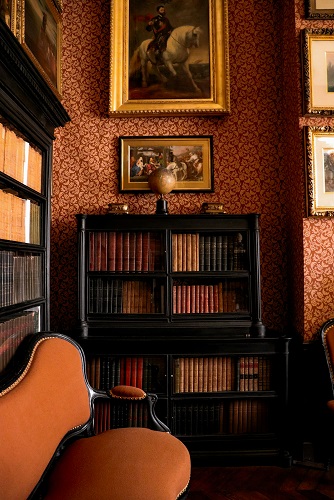
Establishing a stylish home library requires careful consideration of furniture options that blend aesthetic appeal with functional needs. Bookshelves are undeniably the centerpiece of any library, and their variety can cater to different styles. For a modern space, opt for sleek, minimalist bookshelves made from materials such as metal or glass. These materials can create an airy, open feel, allowing the collection of books to take center stage. In contrast, vintage libraries may benefit from wooden shelves, which carry warmth and character. Dark woods like mahogany and walnut can impart a classic elegance, while reclaimed wood brings a rustic charm.
In addition to bookshelves, seating is a crucial element that enhances usability. Comfortable seating options like lounge chairs or upholstered benches can invite readers to lose themselves in the pages of a book. When choosing seating, consider ergonomic designs that provide comfort for extended reading sessions. For a modern touch, incorporate chairs with clean lines and bold colors. Conversely, vintage styles, such as tufted armchairs in rich fabrics, can evoke a sense of nostalgia and coziness.
Every library also requires tables, whether for placing drinks and bookmarks or providing an area for studying or writing. A sturdy table with ample surface area complements the library’s functionality. A round table with a contemporary finish suits modern spaces, while a heavy wooden table can serve vintage aesthetics. It is advisable to select materials that not only fit the style but are also durable, as libraries tend to experience high usage. Combining various furniture styles and materials can create a harmonious and inviting atmosphere, making your home library a delightful refuge for bibliophiles.
Selecting and Organizing Your Books
Creating a stylish home library begins with the thoughtful selection and organization of your book collection. To curate your books effectively, consider defining the criteria by which you will choose your favorites, as this will contribute significantly to the overall aesthetics and functionality of your library.
First, reflect on your reading preferences and interests. Do you gravitate towards fiction, non-fiction, historical texts, or perhaps poetry? Identifying your primary genres will serve as a foundation for building your collection. Furthermore, consider incorporating books that reflect your personal values or that have had a significant impact on your life, as these selections will provide both inspiration and a conversational element in your library.
Next, think about how to best organize your books once selected. Various organizational methods can enhance the visual appeal of your library while ensuring books remain easily accessible. Many choose to arrange their libraries by genre, which allows for a thematic exploration and makes locating favorites convenient. Alternatively, organizing by size or color can create a visually striking display, transforming your shelves into dynamic works of art. For example, arranging books by color might create a gradient effect that draws the eye, while a size-based organization could lend a more structured and classic feel to the space.
In addition to thoughtful organization, it is essential to display your books stylishly. Consider integrating decorative bookends, unique shelving units, or even a ladder for taller collections, which can enhance the character of the space. This stylish presentation not only showcases your collection but also contributes to the overall environment of your home library. Keep in mind that accessibility is key; your books should be easy to reach and enjoy, making it simple to dive into a new read without fuss.
Incorporating Technology
In the age of digital reading and interconnected homes, incorporating technology into a modern home library has become increasingly essential. While traditional bookshelves and cozy reading nooks evoke a classic charm, integrating devices such as e-readers and tablets can enhance the overall reading experience. E-readers offer portability and accessibility to a vast library of literature, accommodating various genres and authors. As a result, they can serve as an excellent complement to physical books, allowing for easy access to a broader selection without overwhelming space.
Furthermore, tablets not only facilitate reading but can also serve multiple functions, such as organizing a digital catalog of physical books. This functionality can help manage your reading list efficiently and provide insight into your current selections or future reading goals. By incorporating these devices, one can create a dynamic library atmosphere that appeals to both traditionalists and tech enthusiasts.
Moreover, one must consider sound systems and lighting as integral components of a modern home library. An integrated sound system can transform the space by providing ambient music or audiobooks, enhancing the reading atmosphere. Smart lighting systems can be adjusted for optimal brightness, allowing for comfortable reading conditions at any time of day. These elements not only serve practical purposes but also offer a tech-savvy aesthetic.
However, the challenge lies in blending these modern technologies seamlessly into the design without compromising the traditional hominess of a library. Thoughtful placement of devices and careful selection of accessories can ensure that technology enhances rather than detracts from the library’s ambiance. For instance, utilizing decor that complements both vintage and modern elements can create a cohesive look that celebrates both traditional and contemporary values.
Adding Personal Touches
Creating a stylish home library goes beyond just selecting the right shelves and books; it is about infusing the space with items that reflect your unique personality and taste. Incorporating personal touches can transform your library from a mere collection of books into a curated haven that tells your story. Artwork is one of the most effective ways to personalize your space. Consider hanging framed prints or paintings that inspire you or resonate with your literary interests. Whether it’s a vintage map, abstract art, or a cozy landscape, the art can form a backdrop that enhances the aesthetic appeal of your library.
Another way to add character is through personal collections. Displaying curated items, such as vintage bookends, literary memorabilia, or travel souvenirs, can spark conversations and make the space feel lived in. Consider using floating shelves or glass display cases to showcase these treasures creatively. This not only makes the items visible but also integrates them as a part of the overall design, accentuating the library’s theme.
Family heirlooms can also significantly contribute to the charm of your home library. Objects that have been passed down through generations, such as antique globes, ornate photo frames, or personal letters, can evoke fond memories and establish emotional connections. Create designated spaces for these items where they can be appreciated without overshadowing your collection of books.
Additionally, consider introducing textiles to inject warmth into your library. Throw blankets, cushions, or a well-placed rug can provide comfort while also adding color and texture. Select patterns or colors that resonate with your design style, ensuring that these elements blend harmoniously with your book collection.
Creating Cozy Reading Areas
Establishing comfortable and inviting reading nooks is essential for any stylish home library. A well-designed reading area not only enhances the overall aesthetic of the library but also encourages the habit of reading by providing a warm and welcoming atmosphere. The key to creating these cozy spaces lies in careful selection of lighting, seating, and accessories.
Lighting plays a vital role in setting the mood of your reading nook. Natural light is ideal, so consider positioning your reading chairs near windows. However, for after-dark reading sessions, invest in adjustable reading lamps that provide ample illumination without straining your eyes. Soft, warm lights are preferable, as they foster a relaxing environment conducive to enjoying literary journeys. You could also consider adding a dimmer switch for your overhead lights to adjust brightness according to time of day or mood.
The type of seating you choose is equally important. Look for comfortable chairs, bean bags, or even a stylish chaise lounge that beckons one to curl up with a book. Adding cushions or throws not only enhances comfort but adds a touch of style to the space. Fabrics should complement the overall decor of your library while being soft to the touch. Opt for inviting colors or patterns that inspire comfort and relaxation.
Accessories such as small side tables can provide a convenient spot for drinks or snacks, which further enriches the reading experience. Include personal touches such as artwork, decorative bookends, or a small bookshelf within reach of your reading nook to create a personalized touch. Select items that reflect your personality and foster a sense of connection to the space, making it a true sanctuary for book lovers. By focusing on these elements, your home library can transform into a cozy retreat where comfort and style coexist harmoniously.
Utilizing Color and Decor
The aesthetic appeal of a home library largely hinges on the thoughtful selection of color schemes and decor styles. The right colors can influence the mood of the space, enhance the reading experience, and reflect personal taste. When selecting wall colors, consider opting for calming hues such as soft blues, gentle greens, or warm neutrals. These colors create a soothing atmosphere conducive to reading and reflection, while also providing a backdrop that allows the bookshelves and decor to shine.
Beyond wall color, decorative accents play a crucial role in establishing the ambiance of your library. Choose accessories such as art prints, sculptures, or vintage clocks that resonate with your personal style. For instance, a minimalist decor style might incorporate sleek, modern pieces, while a traditional library may benefit from ornate picture frames or classic collectibles. Whatever your preferred decor style, ensure that the pieces align with the overall color palette to create cohesion throughout the space.
Textiles also contribute significantly to the visual and tactile experience of a library. Consider layering different fabrics through curtains, throw pillows, and area rugs to add depth and comfort. A richly textured rug underfoot alongside soft, inviting cushions can transform a simple reading nook into a welcoming retreat. Patterns can further enliven the space; for instance, stripes or floral designs in soft colors can add a touch of personality without overwhelming the senses.
By carefully selecting color schemes, decorative accents, and textile patterns, it is entirely possible to cultivate a stylish home library that not only looks good but also fosters a peaceful environment for reading and creativity.
Designing for Functionality
When creating a home library, it is essential to strike a balance between style and functionality. A well-designed library serves multiple purposes, ranging from a cozy reading nook to a productive study area or even a space for entertaining guests. To achieve this, careful planning of the layout is crucial.
Initially, consider the dimensions of the room and the intended use of the library. A functional layout often includes a variety of seating options, such as armchairs, couches, or even a small sofa, providing comfortable environments for both reading and socializing. Arranging seating in a manner that promotes conversation can enhance the space’s inviting atmosphere, while ensuring that individual spots are well-lit can facilitate focused reading or studying.
Storage solutions play a vital role in the functionality of the home library. Built-in shelves can optimize vertical space, efficiently housing books while adding an architectural touch. Incorporating adjustable shelves allows for flexibility in accommodating various book sizes and decorative elements. Additionally, consider utilizing closed cabinets or drawers for storing items that may create clutter, thereby maintaining a tidy and stylish appearance.
An essential aspect of designing a multi-functional library is incorporating designated activity zones. For instance, a comfortable reading area might be paired with a workspace equipped with a desk and task lighting, supporting those who wish to study or work. A small table can also foster a conducive area for games or casual discussions, while keeping the environment lively and engaging.
Ultimately, a thoughtfully designed home library not only reflects personal style but also enhances usability for diverse activities, enabling an enjoyable and productive experience for all who enter.
Maintaining Your Library
Creating a stylish home library is only the beginning; maintaining its organization and aesthetic appeal over time is essential for ongoing enjoyment and functionality. Regular cleaning and upkeep not only enhance the allure of your space but also ensure that your collection remains accessible and inviting for all users.
One fundamental aspect of library maintenance is ensuring that the bookshelves are cleaned and organized. Dust can accumulate quickly, potentially damaging books and creating an unattractive environment. Set a routine cleaning schedule, perhaps once every two to three months, to dust shelves, wipe down surfaces, and check for any signs of wear and tear on your collection. Using a soft cloth or a microfiber duster will help you avoid scratching the surfaces of your books and shelves.
Organization is another critical component to maintaining a stylish home library. Employ systematic methods for arranging books, whether by genre, author, or even color—whatever suits your personal style while ensuring you can easily locate your favorite reads. Periodically review your collection to identify books that you no longer wish to keep. Donating or selling these volumes can create space for new additions and help keep your library looking fresh and uncluttered.
Moreover, consider incorporating decorative elements that infuse personality into the space, such as artwork and plants. However, make sure these do not detract from the primary purpose of the library. You might also refresh the library’s aesthetic without major renovations by changing accessory items, like cushions, lampshades, or decorative throws, according to the seasons.
By establishing these practices, your library will not only maintain its organization but also continue reflecting your evolving taste and style, offering a welcoming retreat for years to come.