
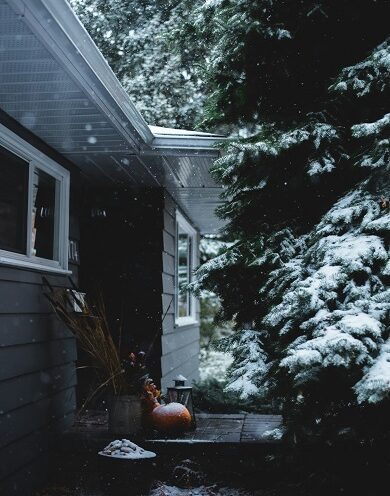
Introduction to Seasonal Home Maintenance
Seasonal home maintenance refers to the systematic upkeep of a property during different times of the year. This practice is vital for homeowners who wish to preserve the condition of their home and ensure its longevity. Home maintenance chores can be structured around the seasons, taking advantage of appropriate weather conditions for various tasks and allowing for a thorough assessment of the home’s needs. The importance of regular maintenance cannot be overstated. Proactive home upkeep can deter minor issues from escalating into significant problems that may incur high repair costs. For instance, failure to address a small leak promptly can lead to water damage, mold growth, and extensive structural repairs, all of which could have been avoided with timely intervention. Additionally, maintaining essential systems, such as heating and cooling, can enhance energy efficiency, providing savings on utility bills while extending the lifespan of critical appliances.
Each season presents unique challenges and opportunities for maintenance tasks. Spring might involve inspecting gutters and preparing the garden, while fall is often the best time for roof inspections and winter preparations. This cyclical approach allows homeowners to take a comprehensive view of their property, ensuring that each facet is cared for adequately and that any seasonal wear is addressed effectively.
In essence, understanding seasonal home maintenance is fundamental for any homeowner committed to protecting their investment. By following a structured checklist, homeowners can systematically manage their responsibilities and enjoy peace of mind knowing their homes are well-maintained throughout the year. The upcoming checklist will provide detailed tasks corresponding to each season, ultimately assisting in the comprehensive upkeep of your property.
Spring Maintenance Tasks
As the warmth of spring arrives, homeowners are often encouraged to tackle various maintenance tasks that are crucial for the longevity and health of their properties. The mild weather creates an ideal opportunity to address seasonal issues while also improving the aesthetic appeal and functionality of the home. One of the primary focus areas in spring maintenance is the condition of the roof. It is advisable to conduct a thorough inspection of the roof for any signs of damage, such as missing or cracked shingles, as well as any debris that may have accumulated over the winter months. Prompt repairs can prevent leaks and more extensive damage down the line.
Another important task is cleaning the gutters. Over time, leaves, twigs, and other organic matter can clog gutters, preventing proper water drainage. By ensuring that gutters are clear, homeowners can help avert potential water damage to the foundation of the home and reduce the risk of pest infestations. Similarly, checking the exterior paint is imperative during the spring. Exterior paint can deteriorate due to harsh winter conditions, so it is worthwhile to inspect for peeling, blistering, or fading. Touching up paint not only enhances aesthetics but also provides an additional layer of protection against the elements.
Finally, as the garden begins to bloom, preparing garden areas for planting is a rewarding spring maintenance task. This includes clearing away any debris, assessing soil conditions, and determining which plants to introduce based on climate and location. Homeowners may also consider applying mulch to retain moisture and suppress weeds. Carrying out these tasks during spring not only contributes to a well-maintained home but also fosters a thriving outdoor space.
Summer Maintenance Tasks
As summer arrives, it becomes essential for homeowners to focus on specific maintenance tasks that ensure their property remains in optimal condition. One of the primary tasks involves checking the functionality of air conditioning units. Regular servicing of air conditioners not only improves efficiency but also extends the lifespan of the units. Homeowners should replace or clean filters, clear debris around the outdoor unit, and schedule professional maintenance checks to avoid unexpected breakdowns during the hot months.
Another crucial summer maintenance task is inspecting your home for pest infestations. Warmer weather often brings an increase in pest activity, including ants, termites, and mosquitoes. Homeowners should thoroughly check both the interior and exterior of their homes for signs of infestations such as nests, droppings, or winged insects. Preventive measures, including sealing entry points and applying appropriate pest repellents, can be taken to keep these unwanted visitors at bay.
Exterior maintenance is equally important during the summer season. Homeowners should assess their decks, fences, and outdoor furniture for signs of wear and tear. If necessary, deck staining or sealing helps protect wood structures while enhancing their appearance. Regular inspections of fences for damage or rot enable homeowners to make timely repairs, which can prevent more extensive issues in the future.
Ultimately, while summer presents ample opportunities for enjoyment and relaxation, it is crucial not to overlook essential maintenance tasks. Balancing leisure with the responsibility of home upkeep ensures that your property remains in good condition and enhances overall enjoyment during the season.
Fall Maintenance Tasks
As the temperatures begin to drop and the leaves turn vibrant shades of orange and red, fall signifies the perfect time to conduct essential maintenance tasks around the home. These tasks not only help in preparing for the harsh winter months but also ensure that your property remains in optimal condition during this transition period.
One of the primary objectives of fall maintenance is to winterize the home. This crucial step helps protect plumbing and heating systems from the effects of freezing temperatures. It is advisable to begin by insulating pipes, especially those in unheated areas such as basements, attics, and exterior walls. Pipe insulation can be procured at local hardware stores, and applying it is a straightforward process that significantly reduces the risk of pipes bursting in icy conditions.
In addition to pipe insulation, checking the heating system is paramount. Homeowners should schedule a professional inspection of their furnace or heating system to ensure it is functioning efficiently. Regular maintenance can extend the life of these systems and prevent costly repairs during the winter months when their use is paramount.
Another critical task is to clean out gutters and downspouts. During the fall, trees shed leaves, which can accumulate in gutters, leading to clogs. These clogs can prevent proper drainage, causing water to back up and potentially damage the roof, walls, and foundation of the home. A thorough cleaning will help ensure that gutters function correctly during the heavy rainfall or snowmelt that can accompany winter.
Finally, fall is an excellent opportunity to prepare the garden for winter. Pruning dead branches, mulching perennials, and planting bulbs for spring bloom can enhance the garden’s health and aesthetics for the year ahead. By attending to these fall maintenance tasks, homeowners can effectively safeguard their property and enjoy peace of mind during the colder months.
Winter Maintenance Tasks
As winter approaches, it is vital to undertake specific home maintenance tasks that ensure your residence remains safe and comfortable during the colder months. One of the primary actions homeowners should take is to check smoke and carbon monoxide detectors. It is crucial to ensure these devices are operational since the risk of carbon monoxide poisoning increases during winter, largely due to the use of gas appliances and heating systems. Regularly testing alarms and replacing batteries, if necessary, can help protect your home and its occupants from potential hazards.
Another essential task during the winter months is to seal windows and doors effectively. Drafts can significantly increase heating costs while making the home less energy efficient. Inspecting all windows and doors for gaps or cracks and applying weather stripping or caulk can help mitigate heat loss. This simple yet effective strategy protects against cold outdoor air while ensuring that indoor heating systems operate efficiently, ultimately leading to a more comfortable living environment.
Proper ventilation in attics is another crucial consideration during winter maintenance. Adequate airflow prevents the buildup of moisture and avoids ice dam formation on roofs, which can lead to significant damage. Ensuring that attic vents are clear and unblocked allows for the necessary exchange of air to maintain a balanced temperature. Additionally, insulating attics can help prevent warm air from escaping, which contributes to energy efficiency.
Finally, homeowners must pay attention to safety during winter weather conditions, such as snowfall and ice accumulation. Regularly clearing walkways, driveways, and roofs of heavy snow can prevent structural damage and reduce the risk of personal injury. Using salt or sand on icy surfaces provides better traction and helps prevent slips and falls. Being proactive in managing these aspects ensures that your home remains safe and secure throughout the winter season.
Indoor Maintenance Considerations
Indoor maintenance is a crucial aspect of home care that requires attention throughout the year. However, certain tasks become particularly important during specific seasons due to changes in temperature and humidity levels. Ensuring that your home’s interior is well-maintained not only optimizes comfort but also enhances indoor air quality.
One of the most vital tasks is inspecting appliances. Regular checks can prevent unexpected failures and improve efficiency. For instance, cleaning the lint filter and exhaust ducts of your dryer can reduce fire hazards and improve the appliance’s performance. Furthermore, examining the refrigerator coils and washing machine hoses ensures these essential appliances operate smoothly, which can save on energy costs and extend their life span.
Equally important is changing air filters, a task often overlooked by homeowners. With the heating and cooling systems working to maintain comfortable temperatures, dirty filters can restrict airflow and reduce system efficiency. It is recommended to replace or clean air filters every 1-3 months, especially during peak usage seasons. A clean air filter promotes better indoor air quality, which is paramount for anyone suffering from allergies or respiratory issues.
In addition to these tasks, checking for leaks or water damage can prevent costly repairs later on. Look for signs of water intrusion around windows, ceilings, and plumbing fixtures. Early detection of leaks not only protects the structural integrity of the home but also mitigates the risk of mold, which can negatively affect air quality and overall health.
In conclusion, regularly assessing these aspects of indoor maintenance throughout the year ensures a comfortable and healthy living environment. By prioritizing appliance upkeep, filter replacement, and leak inspections, homeowners can significantly enhance the overall safety and air quality of their spaces.
Seasonal Safety Tips
Ensuring safety within the home is a crucial aspect of seasonal home maintenance. Each season presents unique challenges and opportunities for potential hazards. Therefore, it is essential for homeowners to implement a set of safety measures tailored to each time of year.
In spring, as the temperatures begin to rise, it’s important to not overlook outdoor safety. The arrival of this season often brings heavy rainfall, which can lead to slippery sidewalks and driveways. Homeowners should regularly inspect their walkways for cracks or patches that could be hazardous when wet. Additionally, spring is a prime time for cleaning and maintaining the home’s air conditioning system. This includes changing filters and ensuring no dust or debris has accumulated, as poor ventilation can lead to excess allergens inside the house.
Summer months often bring about increased outdoor activities, including barbecues and pool parties. Homeowners should prioritize safety by maintaining grill equipment and ensuring that barbecue grills are positioned at a safe distance from flammable surfaces. Furthermore, swimming pools need regular inspection for safety features like proper fencing and adjustable covers to prevent accidents. It is also vital to ensure that outdoor furniture is stable and free from any sharp edges or hazards.
As fall approaches, many homeowners engage in yard cleanup and maintenance. This includes removing fallen leaves, which can become slippery when wet. It is advisable to create a routine for cleaning gardens and outdoor spaces to avoid potential accidents. Additionally, with the arrival of colder temperatures, checking smoke and carbon monoxide detectors becomes essential. These devices should be tested whenever the clocks change, ensuring that they are functioning correctly to provide the necessary protection against fires and gas leaks.
In winter, regular maintenance, such as snow removal from walkways and driveways, becomes paramount. To prevent accidents, homeowners should use salt or sand to improve traction on icy surfaces. Inside the home, ensuring that heating appliances are working safely is critical. This includes checking for any signs of wear or malfunction, as improper heating can lead to life-threatening situations.
By following these tailored safety tips throughout the seasons, homeowners can effectively reduce hazards and protect themselves and their families. Safety should never be underestimated as an essential component of home maintenance.
Creating a Personalized Maintenance Schedule
Establishing a personalized seasonal maintenance schedule is essential for homeownership. This schedule should account for the unique characteristics of your home, the specific climate conditions in your region, and any personal preferences or needs you may have. Tailoring a maintenance routine ensures that every vital task is addressed promptly, prolonging the life of your home and enhancing its comfort and safety.
First, assess the various systems and components of your home, such as the HVAC system, plumbing, roofing, and landscaping. Each aspect requires regular attention, particularly as seasons change. For instance, in colder climates, winterizing plumbing and heating systems is crucial, while warm regions may necessitate regular air conditioning checks and outdoor pest control. Make a comprehensive list of these tasks, categorizing them by season to facilitate easy reference.
Next, consider leveraging modern technology to stay organized. Digital tools like reminder apps or home maintenance management software can help you track your seasonal tasks. These applications can send notifications when maintenance is due, ensuring you remain proactive in your home upkeep. Alternatively, traditional methods such as printed checklists or wall calendars can also serve effectively to remind you of necessary actions.
Furthermore, involve family members in the process when creating your schedule. Assigning specific tasks to different individuals can promote responsibility and teamwork while making maintenance a shared priority. Additionally, checking off completed responsibilities can foster a sense of accomplishment, motivating everyone to contribute consistently.
In conclusion, a personalized maintenance schedule not only supports the longevity of your home but also fosters a proactive and organized approach to home upkeep. By incorporating reminders and checklists into your routine, you can ensure that every seasonal task is managed efficiently, allowing you to focus on enjoying your living space to the fullest.
Conclusion and Recap of Benefits
As we conclude our exploration of the seasonal home maintenance checklist, it is essential to reflect on the numerous advantages that come with diligent upkeep of one’s residence. Implementing a comprehensive maintenance plan not only safeguards your property but also enhances its overall value. Homes that are routinely maintained tend to fetch higher market prices, making periodic maintenance an indispensable investment for homeowners.
Furthermore, regular seasonal maintenance plays a critical role in ensuring the safety of the inhabitants. Neglecting essential repairs or inspections can lead to hazardous situations such as electrical failures, plumbing issues, or structural weaknesses. By proactively addressing these maintenance tasks, homeowners can minimize risks and create a safer living environment for themselves and their families.
Peace of mind is arguably one of the most significant benefits gained from a well-maintained home. Knowing that your property is in good condition allows for greater contentment. You can rest assured that when adverse weather strikes or unexpected situations arise, your home is prepared to withstand these challenges. Taking charge of seasonal maintenance fosters a sense of control and responsibility, which can greatly enhance one’s quality of life.
As we wrap up this discussion, we encourage you to share your own home maintenance tips or experiences in the comments section below. By exchanging knowledge and strategies, we can all contribute to a culture of proactive home care. Remember, the key to a well-maintained home lies in consistency and awareness; make seasonal home maintenance an integral part of your routine for a safer, more valuable, and enjoyable living space.