
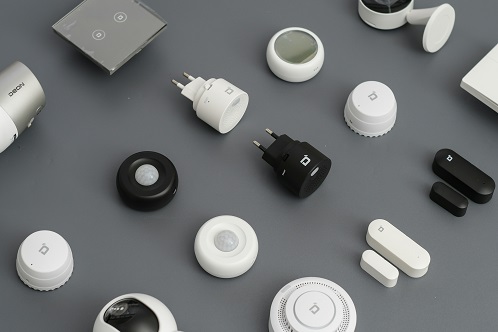
Smart home technology refers to the integration of internet-connected devices that allow users to remotely manage and monitor various aspects of their household. This advanced technology manifests in a myriad of products, ranging from smart lighting and thermostats to comprehensive security systems. By leveraging these innovations, homeowners can significantly enhance their living environment, making it more efficient and convenient.
One of the primary benefits of smart home devices is the increased level of convenience they offer. Users can control multiple elements of their home at the touch of a button or through voice commands, which streamlines daily routines. For example, smart speakers integrated with virtual assistants can perform a range of tasks, such as adjusting the temperature or even shopping online, without requiring physical interaction.
In addition to convenience, smart home technology places a significant emphasis on security. With features like smart locks and video surveillance systems, homeowners can monitor their property in real-time or receive alerts regarding unusual activities. This heightened sense of security not only provides peace of mind but can also contribute to lower insurance premiums due to reduced risk.
Energy efficiency is another key area where smart devices excel. Programmable thermostats, for instance, allow users to set schedules that optimize heating and cooling, while smart bulbs can reduce electricity use by adjusting brightness based on occupancy. This not only helps in saving costs on utility bills but also contributes to environmental sustainability efforts.
Finally, smart home technology fosters improved connectivity within households. By integrating various devices, users can create a cohesive ecosystem where different products communicate seamlessly, enhancing the overall functionality and user experience.
Voice Assistants and Their Growing Role
The emergence of voice assistant technology has significantly revolutionized the smart home landscape. Voice assistants like Amazon Alexa, Google Assistant, and Apple Siri have evolved from basic virtual helpers into comprehensive control systems for diverse smart home devices. These assistants leverage natural language processing and machine learning to offer a seamless user experience. The user simply speaks commands, and the voice assistants execute various functions, ranging from controlling lights and thermostats to playing music or fetching information online.
As smart home technology continues to advance, voice assistants are increasingly being integrated with an extensive range of devices. This integration allows users to create customized routines and automate several tasks hands-free. For instance, homeowners can set the morning routine where lights gradually brighten, the coffee maker starts brewing, and the news briefing plays—all initiated by a simple voice command. Such capabilities underline the significance of voice assistants as central hubs for managing smart home technologies.
Moreover, the competitive landscape between tech giants has spurred advanced developments in voice recognition and contextual understanding. As these systems grow smarter, they can learn individual preferences over time, thereby enhancing their effectiveness. For example, Google Assistant can recognize different family members’ voices and tailor responses accordingly, making the technology not only more personalized but also more efficient.
The growing role of voice assistants in smart homes is evident in their ability to connect with an ever-increasing number of IoT products. This synergy between voice technology and smart home innovation presents significant opportunities for enhancing user convenience and efficiency. As adoption trends suggest, voice assistants will continue to play a critical role in shaping the future of home automation.
Home Automation and Smart Systems
The advancement of home automation technology has significantly transformed daily living, providing convenience and enhanced security features for homeowners. As people increasingly adopt smart home systems, the ability to control various household functions remotely and on a schedule becomes more prevalent. These systems encompass a range of applications, including smart lighting, heating, and security solutions, each contributing uniquely to modern lifestyles.
Smart lighting systems pave the way for effortless illumination management. Homeowners can customize lighting schedules, turning lights on or off at specific times or controlling them via smartphones or voice-activated devices. The integration of motion sensors further automates this process, ensuring lights only activate when needed, thereby promoting energy efficiency. Beyond practicality, smart lighting can also enhance ambiance, allowing for adjustments to color and brightness based on mood or occasion.
Heating and cooling systems are also experiencing a revolution thanks to automation technology. Smart thermostats enable users to monitor and adjust their home’s temperature from anywhere, providing significant energy savings. These devices learn the homeowner’s routines, optimizing heating and cooling patterns to reduce waste. With features such as geofencing, the system can adjust temperatures based on the homeowner’s location, ensuring comfort upon arrival while still conserving energy.
Additionally, home security systems have gained remarkable advancements with smart technology. Homeowners can monitor their properties in real-time through cameras and sensors via mobile applications. Notifications about motion detection or unusual activities provide peace of mind, while the option for remote locks offers enhanced control over home access. This level of connectivity and automation not only streamlines household management but also leads to significant improvements in safety and security.
Interconnectivity and the IoT
The Internet of Things (IoT) is revolutionizing the landscape of smart homes by enhancing the interconnectivity of devices, enabling them to communicate seamlessly with each other. This interconnected network allows for the synchronization of various appliances and systems, significantly improving functionality and convenience for users. By connecting devices such as smart thermostats, lights, locks, and security systems, IoT technology facilitates harmonious operation, leading to increased efficiency and safety in households.
One of the primary advantages of interconnectivity through the IoT is automated routines. For instance, a smart home setup can enable a homeowner to create a “good morning” routine, where the thermostat adjusts to a comfortable temperature, lights gradually brighten, and the coffee maker starts brewing—all triggered by the homeowner’s wake-up time. This level of automation not only enhances user experience but also optimizes energy consumption, contributing to sustainability efforts.
Moreover, the ability for devices to communicate enables real-time monitoring and control from a distance. For example, homeowners can check the status of their security systems, unlock doors, or adjust the thermostat remotely via smartphone applications. This connectivity reassures users about their home’s security and comfort while providing them with valuable insights into energy use and device performance. Furthermore, as more devices join the network, the potential for enhanced functionality expands, paving the way for innovative solutions that cater to individual needs and preferences.
As we continue to embrace advancements in technology, interconnectivity through the IoT will remain a cornerstone of smart home innovation, making homes increasingly efficient, secure, and personalized for their occupants.
Enhanced Security Features
The evolution of smart home technology has significantly improved security features, offering homeowners not only peace of mind but also enhanced control over their property. One of the most notable advancements is the integration of smart locks. These devices utilize automated systems that allow homeowners to lock or unlock doors remotely via smartphones or other smart devices. This capability is particularly beneficial for managing access for guests or service providers without requiring physical keys.
Smart cameras represent another pivotal component of modern security systems. Equipped with advanced motion detection and facial recognition technologies, these cameras can alert homeowners in real-time to any suspicious activity in or around their property. Many smart cameras now offer cloud storage options to securely save recorded footage, providing homeowners with an accessible archive of events that can be reviewed at any time. Furthermore, advancements in artificial intelligence (AI) have enabled some smart cameras to differentiate between a family member and an intruder, reducing unnecessary alerts.
Alarm systems have also seen a transformation, integrating seamlessly with other smart devices to create a cohesive security network. For example, when a motion sensor detects movement, the smart security system can trigger alarms, send notifications, and start recording on connected cameras. This comprehensive approach not only deters potential intruders but also provides a layered safety net for households.
Moreover, advancements in energy efficiency and user-friendliness mean that these systems can be customized to fit the unique needs of any household. As technology continues to progress, homeowners can expect even more innovative solutions that enhance their security and contribute to a smarter, more responsive home environment.
Energy Efficiency and Smart Grids
As the demand for energy continues to rise, the integration of smart home technologies has emerged as a pivotal solution in promoting energy efficiency. Devices such as smart thermostats and energy monitoring systems play a significant role in helping homeowners manage their energy consumption. Smart thermostats enable users to schedule temperature changes based on their routines, reducing energy waste associated with heating and cooling. Moreover, these devices can learn user preferences over time, optimizing settings for comfort and efficiency.
Energy monitoring systems further augment this effort by providing real-time insights into energy usage. Homeowners can identify which appliances consume the most energy and make informed decisions about usage patterns or replacements. These systems can also integrate with mobile applications, allowing users to track their energy consumption remotely and adjust settings as necessary, thereby reducing unnecessary expenses and promoting sustainable practices.
The concept of smart grids is also critical in the context of energy efficiency. Smart grids represent a modernized electrical grid that utilizes digital technology to enhance the reliability and efficiency of electricity distribution. Through the use of smart meters, consumers gain visibility into their energy use and pricing, incentivizing them to shift consumption to off-peak times, which can reduce strain on the grid and lower energy costs. Furthermore, smart grids facilitate the integration of renewable energy sources, such as solar and wind, making energy systems more sustainable.
By fostering a two-way communication between utilities and consumers, smart grids promote active participation in energy management, leading to more responsible consumption behaviors. The combination of smart home technologies and smart grids is paving the way for a future where energy efficiency is at the forefront, benefiting individuals and the environment alike.
Health and Wellness Monitoring
In recent years, the integration of smart home technology into health and wellness monitoring has emerged as a pivotal trend, reshaping how individuals approach their wellbeing. By leveraging various devices equipped with advanced sensors and software, homeowners can now effortlessly monitor essential health indicators such as air quality, sleep patterns, and physical activity levels.
The rise of smart air quality monitors has become particularly significant, as these devices help detect common pollutants and allergens in the home environment. By providing real-time data regarding indoor air quality, users can make informed decisions on ventilation and air purification, which ultimately contributes to a healthier living space. Such awareness not only enhances comfort but also plays a crucial role in preventing potential respiratory issues exacerbated by poor air conditions.
Moreover, sleep tracking technology has gained traction in the smart home ecosystem. Various smart devices, including wearables and specialized sleep monitors, can record sleep patterns, offering insights into sleep quality and duration. These devices collect data such as heart rate, movement, and even environmental factors like room lighting and temperature. Consequently, users can alter their habits or environments to foster better sleep practices, thereby improving their overall health.
Additionally, health-conscious individuals are turning towards fitness monitoring gadgets integrated into their smart homes. These devices can track physical activity levels and provide valuable metrics on exercise performance, encouraging a more active lifestyle. By allowing users to set goals and receive feedback instantly, fitness trackers motivate individuals to incorporate regular exercise into their daily routines, reinforcing the significance of maintaining physical health.
As the adoption of smart home health and wellness monitoring devices continues to rise, their influence on everyday living becomes increasingly apparent. With a commitment to creating healthier environments, these technologies are paving the way for a more proactive approach to personal health management.
The Future of Smart Home Technology
As we move further into the digital age, the future of smart home technology is poised for significant advancements. As consumers increasingly seek convenience, energy efficiency, and enhanced lifestyle experiences, this demand will inevitably shape the trajectory of smart home devices and systems. The next generation of smart homes will not only be highly interconnected but also more intelligent and adaptive to user behavior.
Emerging innovations include advanced artificial intelligence (AI) and machine learning systems that will enable homes to learn and adapt to the habits of their occupants. For instance, smart thermostats may become even more efficient by analyzing historical data and responding in real-time to preferences, reducing energy costs while enhancing comfort. Moreover, the integration of 5G technology is set to revolutionize smart homes by providing faster and more reliable internet connections, facilitating seamless communication between devices.
However, the evolution of smart home technology is not without its challenges. Concerns around security and privacy will continue to rise as more devices become interconnected. Ensuring robust encryption methods and secure data handling practices will be paramount to mitigate potential risks. Additionally, interoperability among various devices from different manufacturers remains a significant hurdle, as consumers desire a seamless experience without having to navigate multiple platforms.
Furthermore, sustainability will play a critical role in the future of smart home technology. With increasing awareness of environmental issues, consumers are likely to favor energy-efficient products that contribute to a reduction in their carbon footprints. Manufacturers may respond by developing smarter solutions that not only enhance connectivity but also promote eco-friendly living.
Overall, consumer needs will drive the continuous evolution of smart home technology. As innovation progresses, we can expect homes to become more intelligent, secure, and environmentally friendly, ultimately transforming the way we live and interact with our surroundings.
Conclusion: Embracing Smart Living
As we have explored throughout this blog post, the landscape of smart home technology is rapidly evolving, bringing with it numerous benefits and conveniences for homeowners. From enhanced security systems to energy-saving solutions, the adoption of smart home devices has the potential to transform how we live, making our environments more efficient and user-friendly.
By integrating smart technologies, individuals can experience greater convenience through automation, enabling them to control various household functions remotely. This not only simplifies daily tasks but also provides a new level of comfort that is increasingly sought after in modern living. Moreover, the ability to monitor and manage energy consumption can lead to significant cost savings over time, presenting a compelling case for adopting smart technologies.
Additionally, the advancements in smart home technology cater to the need for enhanced security, allowing homeowners to maintain peace of mind through intelligent surveillance systems and alerts. As more people recognize the importance of security in their homes, integrating such technologies becomes essential.
To fully embrace smart living, it is crucial for individuals to assess their needs, budgets, and existing infrastructure. By carefully selecting compatible devices, they can create a cohesive smart home ecosystem that enhances their quality of life. As we look toward the future, the significance of smart home integration becomes increasingly clear, shaping both our immediate living environments and the broader impact on community sustainability.
In conclusion, the journey toward an intelligent home is well worth exploring. The trends indicate a definitive move towards smart living, benefiting homeowners, businesses, and society at large. For those contemplating the adoption of smart home technologies, now is the ideal time to take the first step and join the revolution of advanced living.