
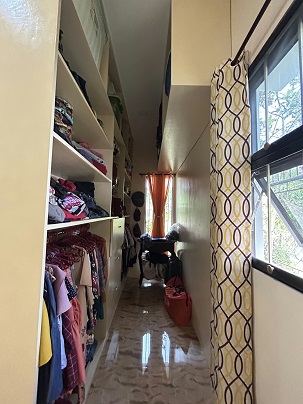
Introduction to Closet Organization
Closet organization is a crucial aspect of creating an efficient and visually appealing space within our homes. A well-organized closet not only maximizes the available space but also enhances our ability to locate and manage items effectively, which ultimately saves time and reduces stress in our daily routines. When closets are disorganized, they often become a source of frustration. It can lead to difficulties in finding clothing or accessories, which in turn may result in unnecessary clutter spilling into other areas of the home. Many individuals encounter common challenges within their closets, such as limited storage space, overcrowding, and the lack of a systematic approach to item placement. These issues contribute to a chaotic environment that diminishes the aesthetic appeal of our living spaces. A disorganized closet might also hinder our ability to enjoy our wardrobe, as our favorite pieces can become buried beneath heaps of clothing and accessories.
The importance of closet organization extends beyond mere aesthetics; it also plays a significant role in promoting a positive mindset. A tidy and orderly space can enhance our overall mood and productivity, while a cluttered environment often triggers feelings of anxiety and overwhelm. Therefore, adopting effective organizational strategies can lead to not only a functional space but also a more pleasant experience when selecting outfits or managing personal belongings.
In the following sections, we will explore practical solutions and innovative ideas for closet organization that cater to various needs and lifestyles. Whether you are dealing with a small closet or a spacious walk-in wardrobe, there are numerous strategies you can implement to achieve an organized and efficient system that meets your requirements.
Assessing Your Current Closet Situation
Organizing your closet begins with a thorough assessment of your current situation. The first step is to take a complete inventory of your clothing and accessories. Remove all items from the closet and lay them out where you can see everything clearly. This will not only help in understanding what you own but also allow you to make informed decisions about what to keep, donate, or discard.
As you evaluate each piece, consider how often you wear it. Items that are rarely worn might indicate a need for adjustment in your wardrobe choices. Reflect on your lifestyle and personal style preferences—clothes that do not align with your current taste or do not fit well should be considered for removal. This process aids in understanding the volume of clothes that truly need organizing versus those that simply occupy space.
Next, take a moment to examine your closet’s layout and available space. Pay attention to the dimensions, shelves, rods, and any compartments that may not be utilized efficiently. Consider whether your closet can accommodate additional elements, like pull-out bins or hanging organizers. Assessing your closet space allows you to maximize what you have, which can lead to a much more organized and functional environment.
Recognizing the need for organization is crucial. An organized closet not only streamlines your daily routine but also enhances your overall sense of well-being. The benefits of decluttering extend beyond aesthetics; a clean and well-arranged closet can reduce stress and even save time during your daily dressing routine. Consequently, an assessment of your current closet situation is not just the first step toward an organized space, but also the beginning of your journey toward a more efficient and enjoyable wardrobe.
Decluttering: Keep, Donate, or Discard
Decluttering your closet is a transformative process that begins by categorizing your belongings into three main categories: keep, donate, and discard. This method not only helps in managing your physical space but also contributes to emotional well-being. Start by pulling everything out of your closet to gain a complete view of your possessions. Once you can see all your items, begin the sorting process.
For the ‘keep’ pile, evaluate each item carefully. Consider factors such as frequency of use, sentimentality, and whether the item fits your current lifestyle. If you haven’t worn a piece in over a year and it doesn’t hold significant emotional value, it may be a candidate for donation or discarding. The goal is to nurture a collection of items that truly bring joy and functionality to your life.
The ‘donate’ pile is for items that are in good condition but no longer suit your needs. Donating is an excellent way to pass on useful clothing and accessories to those in need while freeing up valuable closet space. Research local charities or donation centers that accept clothing donations, ensuring that your contributions are directed to worthy causes.
Finally, the ‘discard’ pile should consist of items that are damaged or beyond reasonable repair. Such items can often be recycled or thrown away. Acknowledging that some possessions have reached the end of their life cycle can be liberating and paves the way for new additions to your wardrobe.
Ultimately, the decluttering process fosters a profound sense of relief and accomplishment. By learning to let go of items that no longer serve a purpose, you can create a more organized and serene closet environment.
Optimal Closet Layouts: Choosing the Right Design
When organizing your closet, selecting the right layout is paramount to ensuring both functionality and style. Various types of closets cater to different needs and spaces, and understanding these options can significantly enhance your organizational efforts. The three primary closet types include walk-in, reach-in, and wardrobe closets, each offering unique advantages.
Walk-in closets are ideal for those with ample space, providing extensive storage options and allowing for personalized organization strategies. They can include dedicated sections for shoes, accessories, and clothing, effectively maximizing the available space. Incorporating built-in shelves and drawers can further optimize storage, making it easier to maintain order and accessibility.
Conversely, reach-in closets are a practical solution for smaller spaces. These closets typically have sliding or bifold doors, which conserve floor space while still offering a variety of shelving and hanging solutions. To enhance functionality, consider using tiered shelving and adjustable rods. These adjustments can increase visibility and accessibility, ensuring that every item is easy to reach.
For individuals with limited space or those in need of a flexible solution, wardrobe closets present an appealing option. These standalone units can be positioned in any room and offer the versatility of housing clothing and accessories without dedicating an entire room to storage. Modern wardrobe designs often include a combination of hanging space, drawers, and open shelving, facilitating efficient organization.
Space-saving solutions, such as multi-level hanging rods and pull-out racks, can also enhance any closet design. Utilizing vertical space with hooks for bags or belts, and adding baskets for smaller items, can create a more organized appeal. By thoughtfully selecting the closet layout that aligns with your specific needs, you can create a functional space that not only houses your belongings but also presents a visually pleasing environment.
Storage Solutions: Bins, Baskets, and Hangers
When it comes to organizing your closet effectively, the right storage solutions can make a significant difference. Bins, baskets, and hangers serve as fundamental components of a well-organized closet, each offering unique benefits that cater to various organizational needs.
Bins are excellent for storing seasonal clothing, shoes, or accessories. They come in various sizes and materials, allowing you to select options that perfectly fit your closet space. Clear plastic bins are particularly advantageous, as they let you see the contents at a glance, facilitating easier access to your items. Alternatively, fabric bins can enhance the aesthetic appeal of your closet while providing a soft touch to your storage solution.
Baskets, on the other hand, can be perfect for smaller items such as scarves, belts, or hats. They can be placed on shelves or hung on hooks to make efficient use of vertical space. Choosing baskets made from woven materials can add a rustic charm to your organization system while ensuring durability. Additionally, incorporating labeled baskets allows for easy identification of contents, thereby enhancing the overall organization.
Hangers are indispensable in maintaining the shape of your garments and optimizing closet space. There are several types of hangers available, including padded, wood, and multi-tier hangers designed for specific clothing, such as pants or skirts. Using appropriate hangers ensures that your clothes remain wrinkle-free and easily accessible, promoting an orderly closet environment.
When selecting storage solutions for your closet organization, consider the size and layout of the space, as well as the types of items you need to store. Striking a balance between functionality and aesthetic appeal will help create a well-organized closet that meets your unique needs.
The Importance of Categorization
Organizing your closet is essential for maintaining a harmonious living space and enhancing your daily routines. One of the most effective ways to achieve this is through categorization. When clothing and accessories are organized into clearly defined categories, it becomes significantly easier to access the items you need, resulting in a more efficient use of time and reducing stress during your daily preparations.
Strategies for effective categorization can vary, but a few fundamental approaches can be highly beneficial. First, consider sorting your items by type. This method involves grouping similar clothing pieces together, such as shirts, pants, dresses, and outerwear. By doing so, you create dedicated sections in your closet, ensuring that you can quickly find what you are looking for, whether you are selecting outfits for work or casual outings.
Another effective way to categorize your wardrobe is by season. Housing seasonal clothing—such as swimsuits and shorts—together, while organizing heavier garments like winter coats and sweaters separately can help you streamline your dressing process throughout the year. This practice also allows for easy access to relevant items, eliminating the need to sift through unnecessary pieces during seasonal transitions.
Color-coding can also be a visually appealing categorization method. By arranging clothing items based on their color, you not only create a stunning visual display but also enable quick matching of garments, making outfit selection much simpler.
Lastly, consider categorizing your items based on frequency of use. Place the garments you wear most often at the forefront, while storing less commonly used ones towards the back. This will facilitate a smoother daily ritual and help eliminate the clutter that tends to accumulate when items are randomly scattered.
Seasonal Rotation: Keeping Your Closet Dynamic
Seasonal rotation is an essential practice in closet organization management that allows for a dynamic wardrobe. By regularly updating the clothing available in your closet, you maintain not only a fresh aesthetic but also enhance the organization and functionality of your space. This process involves systematically swapping out seasonal clothing according to the time of year, ensuring that only the most relevant items are accessible.
Begin by assessing your current wardrobe and identifying which pieces are suitable for the upcoming season. For example, as summer transitions into fall, prepare to store away lightweight clothes such as shorts and tank tops, while bringing forward warmer items like sweaters and jackets. This switching process not only creates more physical space but also helps to keep your wardrobe manageable by reducing clutter.
To effectively implement seasonal rotation, consider a few strategies. First, invest in clear storage bins or vacuum-sealed bags for out-of-season clothing, which protects garments from dust and damage while keeping your closet organized. Labeling these containers will simplify the process of identifying stored items when it is time to rotate. Similarly, utilize your closet space wisely by placing commonly worn items at eye level, while less frequently used seasonal pieces can be stored higher or in less accessible areas.
By adopting this practice, you will find that maintaining your closet becomes less burdensome and more enjoyable. Not only does seasonal rotation keep your wardrobe relevant and fresh, but it also encourages mindful consumption of your clothing. Thus, as each season approaches, embarking on the task of rotation can become a gratifying ritual rather than a chore, promoting a well-structured and appealing wardrobe.
Maintenance Tips: Keeping Your Closet Organized
Maintaining an organized closet requires consistent commitment and practical strategies. Implementing a few simple habits can significantly enhance long-term orderliness. One effective strategy is performing a seasonal evaluation, which entails reviewing your closet at the change of each season. This allows you to assess your clothing and accessories, ensuring that items worn in the previous season are either rotated back into use or stored away appropriately. Such evaluations help identify pieces that may no longer serve you, fostering a streamlined approach.
In addition to seasonal evaluations, creating a regular weekly or monthly schedule for tidiness checks can be beneficial. By dedicating a designated time to review your closet, it becomes easier to maintain organization. During these checks, ensure that clothes are neatly hung or folded, accessories are arranged systematically, and shoes are placed in an orderly fashion. This habit reduces clutter and facilitates easier access to frequently used items.
To further support your organizational efforts, consider investing in specialized storage tools. Such accessories can include multi-functional hangers, drawer dividers, and clear bins, which not only maximize space but also promote visibility. The right tools can help maintain order and minimize chaos, ensuring that items are easily retrievable. When using these organizational tools, adjust your strategies as needed; sometimes, a temporary system may evolve into a method that works better for your habits.
Finally, cultivating an organizational mindset is key. By associating tidiness with your daily routines—such as returning clothes to their rightful place immediately after trying them on or dedicating a few minutes before bed to reset your space—you can make organization a natural part of your lifestyle. Through these practical maintenance tips, you can keep your closet organized while enhancing your overall enjoyment of your wardrobe.
Conclusion: Embracing an Organized Life
In today’s fast-paced world, an organized closet organization can significantly enhance both daily routine efficiency and overall mental well-being. Throughout the discussion, we highlighted various effective strategies for closet organization, such as decluttering, categorizing items, and utilizing smart storage solutions. Each of these methods contributes not only to a visually appealing space but also to a more functional living environment.
By decluttering, individuals can create space for what truly matters, allowing for easier access to clothing and accessories. This practice also encourages a mindful approach to consumer habits, making one less likely to accumulate unnecessary items. Categorizing belongings further streamlines the process of getting ready, as it allows individuals to locate items quickly, thereby reducing stress during busy mornings.
Moreover, utilizing creative storage options such as bins, hooks, and shelving units—maximizes available space and introduces order to what may otherwise seem chaotic. This is particularly beneficial in smaller areas, where every inch of space counts, offering a sense of control and tranquility in one’s environment.
In essence, adopting a well-organized closet is not merely about aesthetics; it is a lifestyle choice that can significantly impact overall efficiency and stress levels. A clear and concise approach to managing clothing and accessories can lead to a more intentionally curated wardrobe and contribute to a more organized life overall. The time invested in organizing your closet pays dividends through reduced morning stress, improved decision-making, and an empowered sense of personal style.
We encourage readers to take actionable steps toward implementing the tips shared, transforming not only their closets but also their daily lives. The journey toward an organized lifestyle starts with small changes that lead to profound impacts, meriting consideration and effort.