
Understanding Your Needs
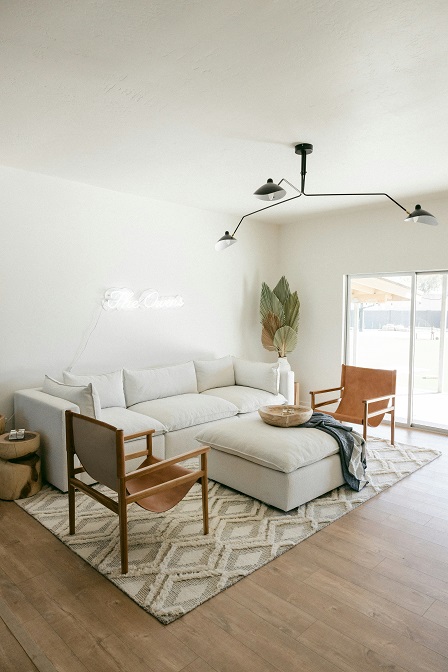
When selecting the ideal sofa buying guide for your living room, it is crucial to first assess your specific needs and preferences. This approach will ensure that the chosen piece not only compliments your space aesthetically but also serves its intended purpose efficiently. One of the primary factors to consider is the size of your living room. Measuring both the intended sofa space and existing furniture can help you visualize how different sofa dimensions will fit into the room. Aim for balance, ensuring there is sufficient room for movement and other activities. The primary use of the sofa should also guide your decision-making process. If you intend to use the sofa mostly for lounging with family or friends, then focus on comfort and durability. Sofas that boast high-quality materials and soft cushions are often ideal for this purpose. Conversely, if you envision the sofa as a centerpiece for entertaining guests, a more visually stunning model might take precedence. Consider the style of the sofa – it should resonate with your aesthetic preferences while also complementing other furnishings in the living room.
Furthermore, individual comfort preferences can vary greatly. When selecting a sofa, consider factors such as seat depth, cushion firmness, and back support. Try to engage with the sofa in-store if possible; testing how it feels when seated can significantly influence your comfort level. Additionally, analyzing fabric options and colors can help narrow down your choices to suits your lifestyle—easier-to-clean materials may be necessary for households with pets or children. In summary, integrating these considerations about your living room size, usage intentions, and personal comfort preferences will guide you toward selecting the perfect sofa.
Measuring Your Space
When it comes to selecting the ideal sofa, accurate measurements of your living room space are crucial. The first step involves identifying the specific area where the sofa will be placed. Start by measuring the width and depth of that space. Use a tape measure for precision, and take note of these dimensions to ensure any potential sofa will fit comfortably without overwhelming the room.
While measuring, it’s essential to account for other pieces of furniture in the vicinity. Assess the positioning of items like coffee tables, armchairs, and entertainment units. This will not only help you gauge available space but also enable you to visualize the arrangement of these pieces in relation to the new sofa. A good rule of thumb is to leave sufficient walking space to facilitate ease of movement, typically at least 30 inches of clearance around the sofa.
Additionally, consider the functionality and flow of your living room. The sofa should enhance the overall layout and contribute positively to the traffic patterns within the space. Observe how people navigate through the room and ensure the sofa placement does not create obstructions. It is also worth paying attention to sightlines. A well-placed sofa should allow for views of focal points, such as a television or a fireplace, enhancing the overall aesthetic appeal of the room.
Incorporating these measurements and considerations will greatly aid in selecting a sofa that not only fits well within your living room but also complements your lifestyle. Taking the time to measure and plan effectively will result in a more cohesive and functional living area where comfort and style coexist harmoniously.
Styles of Sofas
When selecting the ideal sofa for your living room, understanding the various styles available can greatly influence your decision. Among the most popular types are sectionals, loveseats, and sleeper sofas, each offering distinct characteristics and advantages.
Sectional sofas are characterized by their L-shaped or U-shaped design, allowing for flexible seating arrangements. They are typically larger and are a fantastic option for spacious living rooms where seating is a priority. The modular nature of sectionals means they can often be rearranged to suit different layouts, making them versatile for entertaining guests or family gatherings.
Another common style is the loveseat, which is smaller and typically designed for two people. Loveseats are ideal for intimate spaces or as complementary seating in larger arrangements. They work well in modern and traditional settings alike, so if your living room is cozy or you desire a stylish, compact solution, a loveseat might be the perfect fit.
Sleeper sofas, on the other hand, serve a dual purpose by functioning as both a sofa and a bed. These are particularly useful for accommodating overnight guests, and they come in a variety of styles and designs to match your decor. Sleeper sofas can transform a living area into a guest room without sacrificing comfort or style, making them a practical choice for multifunctional spaces.
Ultimately, the choice of sofa style should depend on your living room’s size, your seating needs, and how you intend to use the space. By understanding the unique features of sectionals, loveseats, and sleeper sofas, you can make an informed decision that complements both your lifestyle and aesthetic preferences.
Fabric and Material Options
When selecting a sofa for your living room, the choice of fabric and material plays a crucial role in both aesthetic appeal and functionality. The most common materials include leather, linen, and microfiber, each offering distinct advantages and challenges.
Leather is a classic choice known for its durability and luxurious appearance. High-quality leather can last for decades, making it a worthwhile investment. Furthermore, maintenance is relatively straightforward; a simple wipe-down with a damp cloth can remove dust and spills. However, leather can be susceptible to scratches and may not be the best choice for households with pets. Additionally, the cost of leather sofas tends to be on the higher end, reflecting the quality and longevity associated with this material.
Linen, on the other hand, offers a more casual and welcoming look. This natural fabric is breathable and soft, making it comfortable for lounging. However, linen is more susceptible to wrinkling and staining, which requires regular maintenance and cleaning. Despite these drawbacks, linen sofas can be a great choice for those who prioritize comfort and style, particularly in more informal living environments.
Microfiber is a synthetic option that has gained popularity for its durability and ease of cleaning. This material is resistant to stains and is often more affordable than natural fibers. Microfiber sofas are also less prone to fading, making them a practical choice for families with children. However, while microfiber provides excellent comfort, it may not have the same upscale look as leather or linen.
In summary, the choice of fabric and material for your sofa should align with your lifestyle, comfort preferences, and desired aesthetic. Each option presents unique characteristics that can enhance your living room and influence your overall satisfaction with the purchase.
Choosing the Right Color and Pattern
Choosing the right color and pattern for your sofa is an integral part of creating a cohesive and inviting living room environment. Understanding color theory can significantly enhance your decision-making process, as colors evoke specific emotions and moods. When selecting a sofa color, consider both the existing decor and the atmosphere you wish to create within the space. Neutral colors such as beige, gray, or soft pastels can provide a calming effect, making the room feel spacious and serene, particularly in smaller spaces. On the other hand, bold colors like deep blue, emerald green, or vibrant red can serve as dramatic focal points, ideal for larger areas where a lively ambiance is desired.
When deciding on patterns, it is essential to consider how they complement the overall theme of your living space. Floral or geometric patterns can add visual interest and texture to your sofa, but they should align with other decor elements to maintain harmony. For example, a patterned sofa in a busy room may overwhelm the senses, while a solid-colored sofa can ground a space filled with diverse textures and designs. Conversely, if your room has neutral walls and minimal decor, a patterned sofa can become a striking centerpiece, enhancing the overall aesthetic.
Lighting also plays a crucial role in how colors are perceived; natural light enhances hues during the day while artificial lighting can alter their appearance in the evening. Therefore, take the time to examine fabric swatches in various lighting conditions to ensure you truly appreciate how the colors will function in your living room. Lastly, keeping in mind the maintenance associated with different colors and patterns is important, as stains can be more apparent on lighter shades, requiring diligent upkeep. Careful consideration of these factors will lead to a wise selection that enriches your living space.
Comfort and Support
When selecting the ideal sofa for your living room, comfort and support are paramount elements to consider. The experience of seating on a sofa should feel inviting and accommodating. First and foremost, assess the seat depth. An optimal seat depth allows for a relaxed posture, so test the sofa by sitting in various positions. If the depth is too shallow, you may find it uncomfortable, while excessive depth may lead to poor support.
Cushion firmness is another critical factor that contributes to comfort. Sofas with softer cushions may feel cozy initially but may offer insufficient support over extended use. Conversely, firmer cushions may provide better lumbar support, catering to those who prefer a more structured sitting experience. To find the right balance, take the time to sit on the sofa for a few minutes, paying close attention to how the cushions respond to your weight.
An equally essential aspect of comfort is back support. When testing a sofa, place your back against the backrest and evaluate how well it cradles your posture. A well-designed back support should maintain the natural curve of the spine, allowing you to sit upright without feeling strained. If the backrest feels too low or too high, it could lead to discomfort during prolonged sitting.
Lastly, don’t overlook the overall feel of the sofa. Ensure that the fabric or leather adheres to your comfort preference, whether you prefer a warm, plush feel or a cool, sleek surface. Adequate comfort and support are vital for the sofa’s longevity, as an uncomfortable seat may discourage usage altogether. By thoughtfully assessing these aspects during your sofa trials, you will be well on your way to making an informed decision for your living area.
Budgeting for Your Sofa
Determining a budget for purchasing a sofa is a crucial step before entering the world of furniture shopping. Sofas come in various price ranges, depending on their style, size, material, and construction quality. To set a realistic budget, it is essential to consider the type of sofa you desire. For instance, a basic loveseat made from synthetic materials may start around $200, while a higher-end leather sectional could reach upwards of $3,000 or more. Understanding this spectrum can help narrow down your options significantly.
In addition to the type of sofa, you should also factor in additional expenses such as delivery fees, assembly costs, or protection plans that may be offered. These can add significantly to the overall expenditure. Therefore, when budgeting, it would be wise to reserve a portion of your financial plan to accommodate these extras.
Moreover, asking critical questions while shopping can enhance your decision-making process. Inquire about the warranty, the materials used, and if the sofa’s frame is constructed from solid or engineered wood. Solid wood frames typically offer better durability and longevity, justifying a higher price point. It’s also advisable to explore different fabric options since some are more durable than others, impacting both the price and overall value.
Lastly, consider how often the sofa will be used. For a frequently used living room sofa, investing a bit more for quality might prove to be more cost-effective over time, as it tends to withstand wear and tear more effectively. Therefore, establishing a budget while keeping these factors in mind can ensure you make an informed decision that blends affordability with quality.
Where to Shop for Sofas
When embarking on the journey to find the perfect sofa for your living room, it is crucial to consider the various shopping avenues available. Each option presents unique advantages and disadvantages, influencing your overall buying experience.
Firstly, brick-and-mortar stores are a popular choice for shoppers who value hands-on experiences. Visiting a physical store allows customers to sit on sofas and assess comfort, material quality, and scale in relation to their living space. Additionally, brick-and-mortar retailers often provide knowledgeable sales staff who can offer personalized assistance. However, the major downside lies in their limited selection; local stores may have a restricted inventory compared to their online counterparts.
Conversely, online retailers have gained significant popularity due to their extensive inventory and convenience. Websites dedicated to furniture shopping allow customers to browse an array of styles, colors, and price points from the comfort of their homes. Moreover, many online retailers offer virtual tools to help visualize how a specific sofa would fit into your living room. Nevertheless, purchasing a sofa online comes with its own set of challenges. Shoppers are unable to physically test the product, which may lead to concerns regarding quality or comfort once the sofa arrives. Moreover, delivery costs and potential return policies can complicate the buying process.
Lastly, custom furniture makers provide an unparalleled level of personalization, enabling clients to design sofas that fit their specific preferences in terms of aesthetics, dimensions, and materials. This option often results in a unique piece that harmonizes beautifully with your décor. However, it typically requires more time and comes at a higher price point, making it less accessible compared to mass-produced options.
Ultimately, the ideal shopping avenue for your new sofa will depend on your individual needs and preferences, weighing factors like convenience, range, and hands-on experience.
Finalizing Your Purchase
Once you have successfully identified the ideal sofa for your living room, the next step involves finalizing your purchase, which includes several important considerations. Ensuring a seamless transition from selection to delivery is essential for a satisfying shopping experience.
First, you should confirm the delivery schedule with the retailer. Most furniture stores offer various delivery options, ranging from complimentary services to expedited shipping for an additional fee. It is crucial to choose a date that allows ample time for any specific preparations you may need to make, such as clearing space for your new sofa.
Once the sofa arrives, proper setup is key. Ensure that any assembly is either conducted by the delivery team or that you have the necessary tools and instructions to do so yourself. Take the time to inspect the sofa thoroughly for any damages or imperfections post-delivery. If there are any issues, contact the retailer immediately to address them under their return policy.
In addition, familiarize yourself with the warranty details provided by the manufacturer. A warranty will typically cover specific repairs and replacements that may arise over time, offering peace of mind regarding your investment in this significant piece of furniture.
Lastly, integrating care instructions into your routine will greatly enhance the longevity of your new sofa. Different materials require various maintenance methods; for instance, leather sofas often require conditioning treatments, while fabric sofas may need steam cleaning when visible stains occur. Therefore, understanding and following the recommended care procedures can help maintain your sofa’s appearance and comfort well into the future.