
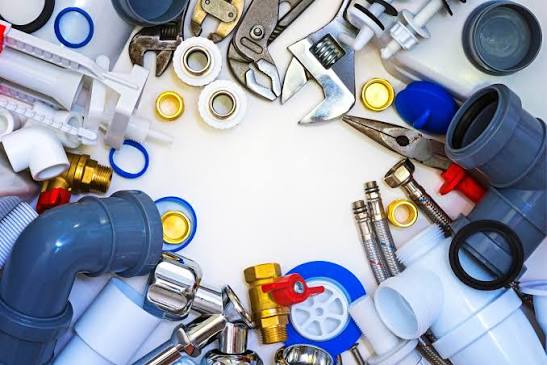
Sometimes, DIY plumbing is perfectly reasonable. Tightening a loose connection or replacing a simple washer may not require a professional. The difficulty comes when the problem is hidden, complicated, or connected to a larger issue elsewhere in the system.
That is where modern plumbing equipment makes a real difference. Professional plumbers have access to specialist tools that can carry out repairs with far less guesswork.
Here is what modern plumbing technology can bring to a job that the average DIY toolbox cannot.
See Inside Pipes Without Taking Them Apart
One of the biggest advantages of modern plumbing equipment is the ability to investigate what is happening inside a pipe without immediately opening up walls, floors, or other parts of the property.
A drain inspection camera can be fed through suitable pipework to provide a clear view of the inside. Depending on the equipment and situation, it can help identify blockages, cracks, damaged joints, root intrusion, and other problems.
That changes the way a plumber approaches a repair. Instead of guessing why a drain keeps backing up, they can investigate the pipe itself.
For homeowners, this can mean less unnecessary disruption. If the problem is underground or hidden behind a surface, knowing where the fault actually is before starting work can save a lot of time, mess, and expense.
A DIY approach usually involves much more guesswork. You might know that water is not draining, but you cannot necessarily see what is stopping it.
Locate Problems With Greater Precision
Plumbing repairs are not always about finding a leak. They are about finding the right leak.
Water can travel through walls, ceilings, and floors before appearing somewhere completely different from the original problem. That makes visible damp patches an unreliable map of what is happening behind the scenes.
Professional leak detection equipment can help plumbers investigate these hidden problems more systematically. Depending on the situation, this may include acoustic equipment, thermal imaging cameras, moisture meters, or other specialist detection tools.
The benefit is not simply convenience. Accurate detection can reduce the need to remove large sections of flooring, plasterboard, or other surfaces just to find the source.
In other words, modern equipment can help a plumber follow the evidence rather than simply follow the puddle.
Clear Stubborn Blockages More Effectively
A plunger can be surprisingly effective for a minor blockage. It also has the advantage of being inexpensive and easy to use.
Some blockages, however, are not interested in cooperating.
Professional plumbers can use equipment such as powered drain snakes and specialist water-jetting systems to deal with more stubborn obstructions.
These tools can reach further into suitable drainage systems and provide considerably more force than a basic household tool.
The important distinction is that stronger does not automatically mean better. Drainage equipment needs to be selected and used according to the pipework and the nature of the obstruction.
Using the wrong method can damage pipes or turn a manageable problem into a much bigger one. That is one of the reasons professional experience matters alongside the equipment itself.
Make Accurate Pipe Cuts and Connections
Plumbing is not particularly forgiving of sloppy measurements.
A pipe that has been cut too short, poorly aligned, or connected incorrectly can result in leaks and further repairs. Modern pipe cutters and specialist fitting tools allow plumbers to make clean, accurate cuts and create reliable connections.
Laser levels can also help with alignment when installing pipework, fixtures, and other components where positioning matters.
This may sound like a small detail, but precision is important throughout a plumbing installation. A fitting that looks “about right” is not necessarily right enough.
Professional tools make accurate work easier, while the plumber’s training helps ensure those tools are being used correctly.
Work Safely Around Plumbing Systems
Plumbing work can involve more than water. Depending on the job, there may be electricity, hot surfaces, pressurised systems, contaminated wastewater, confined spaces, or sharp materials to consider.
Professional equipment can help reduce some of these risks, but safe working practices still matter most. A plumber knows when a water supply needs to be isolated, when protective equipment is required, and when a job presents a risk that should not be tackled casually.
Some specialist tools also make difficult jobs easier to control. Better access, improved visibility, and more precise equipment can reduce the need for awkward improvisation.
That is particularly valuable when working in cramped spaces where one wrong movement can turn a small repair into an indoor water feature.
Test Plumbing Systems After Repairs
Fixing a visible problem does not necessarily mean the job is finished.
Professional plumbers may use pressure-testing equipment and other diagnostic tools to check whether a system is operating properly after repairs or installation. Testing can help reveal leaks or weaknesses that would otherwise remain hidden until they cause another problem.
This is especially important for work involving pipework, connections, or larger plumbing systems. A repair that looks fine from the outside can still have an issue under pressure.
DIY jobs do not always include this stage because homeowners may not have the equipment or know what readings to look for. Professional testing provides another layer of reassurance before everything is put back into normal use.
Reach Difficult Areas With Specialist Equipment
Anyone who has tried to reach a pipe behind a fitted unit knows that plumbing rarely happens in a spacious, convenient location.
Pipes can run beneath floors, inside walls, behind cupboards, under sinks, or through awkward corners. Modern equipment can help plumbers work in these spaces with less dismantling than older methods might require.
Inspection cameras are particularly useful when visibility is limited. Flexible tools and specialised access equipment can also help professionals reach areas that would be difficult to investigate with a standard household toolkit.
This matters because every section of a property that does not need to be opened up is one less thing that needs repairing afterwards.
Avoid Replacing Parts That Do Not Need Replacing
One of the less obvious benefits of accurate diagnostic equipment is knowing what not to repair.
If a drain is blocked, you do not necessarily need a new section of pipe. If you find damp around a fitting, the entire plumbing system is not automatically at fault. And if a boiler-related pipe has a problem, replacing random components until something works is hardly a sensible strategy.
Specialist equipment can help identify the actual source of a fault before unnecessary work begins.
That can make repairs more economical and reduce waste. It also means the homeowner has a clearer idea of what they are paying for and why the work is needed.
Good plumbing is not about replacing everything in sight. It is about finding the problem and fixing the right thing.
Know When Professional Equipment Is Worth It
Modern plumbing tools are impressive, but they do not make every plumbing job a professional emergency.
A homeowner can safely handle some minor maintenance tasks, provided they understand what they are doing and know when to stop. The line tends to appear when the problem becomes hidden, persistent, technically complicated, or potentially damaging.
If you have recurring blockages, unexplained damp patches, low water pressure, hidden leaks, or pipework that needs major alteration, specialist equipment can make a significant difference.
For anyone looking for plumbing services in Chiswick, professional help can be particularly useful when the issue cannot be diagnosed from the visible symptoms alone.
A plumber can assess the situation, use the appropriate equipment, and explain what needs to be done before the problem becomes more expensive.
Conclusion
Modern plumbing equipment does more than make a plumber’s job quicker. It can make the work more accurate, less disruptive, and easier to diagnose properly.
But there is an important point worth remembering. The tool itself is not the magic trick. A professional needs to know which equipment to use, how to use it safely, and what the results actually mean.
So, by all means, keep that trusty adjustable wrench in the toolbox. It has its place. Just do not expect it to investigate a hidden leak behind the wall and write you a report afterwards.