
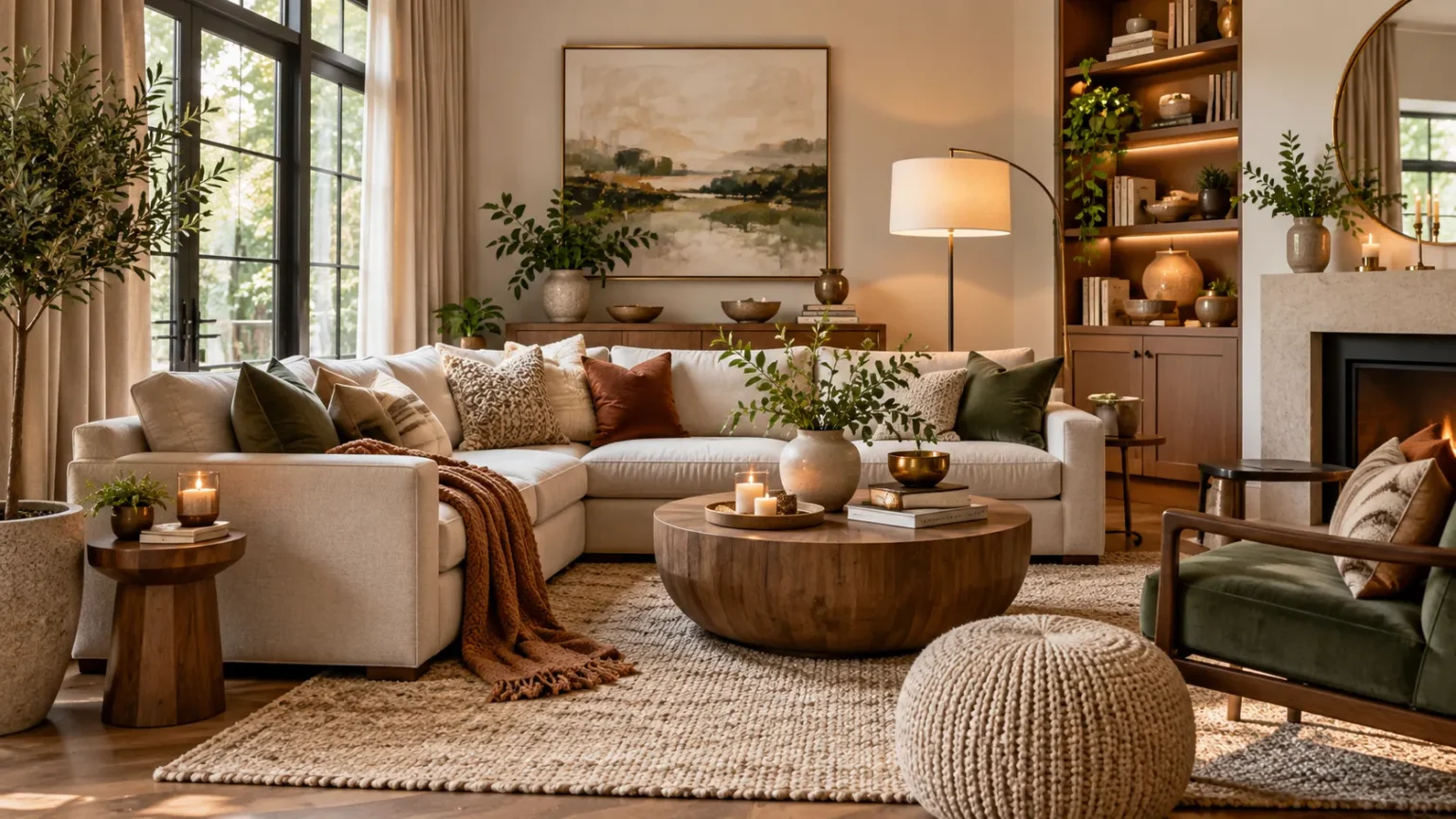
Understanding How to Decorate a Room Beautifully
Learning how to decorate a room is an exciting opportunity to transform an ordinary space into a comfortable and attractive environment. Whether you are decorating a bedroom, living room, home office, or guest room, thoughtful planning can make a noticeable difference. The right combination of furniture, colors, lighting, and accessories creates a balanced interior that reflects your personality.
Room decoration involves more than simply purchasing attractive furniture or choosing fashionable wall colors. Every design element should contribute to the overall appearance and functionality of the space. Understanding how different materials, textures, patterns, and decorative features work together helps homeowners create interiors that feel organized, welcoming, and visually appealing.
You do not need professional interior design experience or an expensive budget to achieve impressive results. Simple changes such as rearranging furniture, adding cushions, or introducing indoor plants can refresh a room significantly. By following practical room decorating tips, you can develop a beautiful interior that supports your daily activities and personal preferences.
Start With a Clear Room Decorating Plan
Before decorating a room, take time to understand how the space will be used throughout the day. A bedroom should support relaxation and comfortable sleeping, while a living room may require flexible seating and entertainment areas. Defining the room’s primary purpose makes it easier to choose suitable furniture, lighting, and decorative elements.
Measuring the room is another essential step in developing an effective decorating plan. Record wall dimensions, window positions, door openings, and the location of electrical outlets. These measurements help prevent furniture placement problems and allow you to create a layout that supports comfortable movement without overcrowding the available floor space.
Creating a simple mood board can help organize your ideas before making purchases. Collect inspiration featuring colors, furniture styles, lighting fixtures, and decorative accessories that appeal to you. Comparing these elements allows you to establish a consistent design direction while avoiding unnecessary expenses on items that do not complement the finished room.
Choose the Right Color Scheme for Your Room
Selecting a suitable color scheme is one of the most important steps when learning how to decorate a room. Colors influence the visual atmosphere and can make interiors feel calm, energetic, warm, or sophisticated. Neutral shades such as cream, beige, gray, and soft white create versatile foundations that complement numerous furniture styles.
Accent colors provide an opportunity to introduce personality without overwhelming the space. Muted green, dusty blue, terracotta, and warm brown can add depth when combined with complementary neutral tones. A coordinated palette involving walls, furniture, textiles, and decorative accessories helps maintain visual harmony throughout the room.
Lighting conditions should also influence your color choices because paint shades can appear different throughout the day. Test small paint samples on several walls before committing to a particular finish. Observing colors under natural and artificial lighting helps ensure that the selected palette creates the atmosphere you want.
Arrange Furniture for Comfort and Better Space
Furniture arrangement plays a major role in determining how spacious and comfortable a room feels. Begin by identifying the largest furniture piece, such as a bed, sofa, or dining table. Positioning this item thoughtfully creates a foundation for arranging smaller pieces while maintaining clear pathways and convenient access to essential areas.
Avoid placing every furniture item directly against the walls unless the room’s dimensions make this arrangement necessary. In larger living rooms, moving seating slightly inward can create a more inviting conversation area. Smaller spaces often benefit from compact furniture, carefully selected storage pieces, and layouts that preserve valuable walking space.
Consider how people naturally move through the room when deciding where furniture should go. Doors should open comfortably, and frequently used items should remain easily accessible. A practical furniture layout balances appearance with everyday convenience, making the room feel welcoming without creating obstacles or unnecessary visual clutter.
Decorate a Small Room to Make It Feel Bigger
Small room decorating requires thoughtful choices that make limited space feel comfortable and organized. Light wall colors, appropriately sized furniture, and simple decorative arrangements can create a more open appearance. Rather than filling every corner, focus on essential pieces that support daily activities while allowing enough space for movement.
Multifunctional furniture is particularly useful in compact bedrooms, apartments, and home offices. Storage beds, nesting tables, and wall-mounted shelves provide practical solutions without occupying unnecessary floor area. Choosing furniture with visible legs can also create a lighter visual effect by exposing more of the flooring beneath each piece.
Mirrors and carefully positioned lighting can further improve the perception of space. Placing a mirror where it reflects natural daylight may help brighten darker areas. Maintaining consistent colors, avoiding oversized accessories, and organizing everyday belongings can make even a small room feel polished, comfortable, and thoughtfully designed.
Use Lighting to Create a Beautiful Room Atmosphere
Lighting is a powerful decorating element that affects both the appearance and functionality of a room. A well-designed lighting arrangement combines general illumination with focused task lighting and subtle decorative accents. This layered approach allows you to adjust the atmosphere for different activities, including reading, relaxing, working, and entertaining guests.
Table lamps, floor lamps, wall sconces, and ceiling fixtures can work together to create balanced illumination. Warm lighting often produces a welcoming atmosphere in bedrooms and living rooms, while brighter task lighting may suit desks and reading corners. The right combination depends on room dimensions, available daylight, and personal comfort.
Natural light also deserves attention when planning room decoration. Lightweight curtains, carefully positioned furniture, and unobstructed windows can help daylight reach more areas of the interior. Adjustable window treatments provide additional control over brightness and privacy, allowing the room to remain comfortable during different times of day.
Add Wall Decorations for a Personal Touch
Wall decoration offers an easy way to introduce character and visual interest without replacing major furniture pieces. Framed artwork, photographs, decorative mirrors, and wall-mounted shelves can transform empty surfaces into attractive focal points. Choosing pieces that complement your color palette helps create a coordinated appearance throughout the room.
Gallery walls are popular because they allow homeowners to display multiple photographs or artworks in a creative arrangement. Combining frames of different sizes can produce an informal appearance, while matching frames create a more structured design. Planning the arrangement before hanging items helps maintain balanced spacing and prevents unnecessary wall damage.
Decorative wall treatments can also introduce texture and personality. Wallpaper, painted accent walls, and removable wall decals provide opportunities for creative expression. However, using too many competing patterns may make the room feel crowded, so selecting one or two prominent decorative features often produces a stronger visual result.
Choose Curtains and Window Treatments Carefully
Curtains and window treatments contribute significantly to a room’s appearance while providing useful control over sunlight and privacy. The right fabric, color, and hanging style can complement furniture and soften architectural features. Lightweight curtains create an airy atmosphere, while lined fabrics offer greater privacy and improved light reduction.
Hanging curtains slightly above the window frame can create the impression of greater wall height in some interiors. Wider curtain rods may also allow panels to move away from the glass, preserving more natural daylight when opened. Accurate measurements are essential for achieving an attractive finish that suits the room’s proportions.
Blinds and shades provide additional options for homeowners seeking streamlined window treatments. Roller shades work well in contemporary interiors, while Roman shades introduce softness and decorative texture. Combining suitable window coverings with coordinated fabrics helps achieve a practical balance between privacy, light control, and interior design.
Decorate With Rugs, Cushions, and Soft Textures
Soft furnishings are among the easiest ways to refresh a room without making permanent changes. Area rugs, cushions, blankets, and upholstered accessories introduce warmth, comfort, and decorative variety. Choosing complementary colors and textures allows these elements to connect different furniture pieces and create a more unified interior.
An appropriately sized area rug can define a seating arrangement or add comfort beside a bed. In living rooms, rugs often work best when they visually connect the main furniture pieces. Selecting a suitable material also matters because durability, cleaning requirements, and foot traffic influence how well a rug performs.
Layering textures creates visual depth and prevents a room from appearing overly plain. Linen cushions, knitted throws, woven baskets, and soft upholstery can complement smooth furniture surfaces. Maintaining a balanced combination of materials helps produce a comfortable atmosphere without introducing excessive patterns or decorative clutter.
Use Indoor Plants to Refresh Your Room
Indoor plants bring natural color, texture, and visual interest into residential interiors. Their organic shapes can soften straight furniture lines and create a welcoming atmosphere. Whether you prefer small tabletop plants or larger floor-standing varieties, greenery provides a simple decorating option that complements many traditional and modern room styles.
Plant selection should depend on the amount of available light and your willingness to provide regular care. Snake plants, pothos, and certain philodendrons are popular indoor choices, although their requirements vary. Choosing suitable containers and placing plants where they receive appropriate conditions helps maintain their appearance and healthy growth.
Decorative planters can become attractive design elements when coordinated with surrounding furniture and accessories. Ceramic pots, woven baskets, and simple neutral containers suit different interior themes. If children or pets use the room, check whether selected plants are safe for them and position containers to prevent accidental tipping.
Create a Focal Point That Makes the Room Stand Out
A focal point gives a room a clear visual center and helps organize the surrounding decorative elements. Common examples include an attractive fireplace, statement artwork, upholstered headboard, or distinctive furniture piece. Identifying a primary feature allows you to create a balanced layout that draws attention without making the interior appear overly busy.
In living rooms, a large artwork or carefully designed entertainment wall can become the main visual attraction. Bedrooms may benefit from a decorative headboard, accent wall, or coordinated arrangement above the bed. The focal point should complement the room’s purpose rather than interfere with comfortable movement or practical furniture placement.
Avoid introducing too many competing statement pieces into a single space. When several oversized decorations demand attention, the interior can lose its sense of balance. Supporting one prominent feature with smaller, coordinated accessories usually creates a more polished appearance and helps the room feel professionally arranged.
Decorate a Room on a Budget With Smart Ideas
Budget-friendly room decorating focuses on making effective improvements without replacing everything at once. Rearranging existing furniture, changing cushion covers, and refreshing wall paint can dramatically update an interior. Concentrating on the most visible areas allows homeowners to achieve noticeable results while keeping spending under control.
Secondhand furniture and repurposed accessories can provide attractive alternatives to expensive new purchases. Wooden tables, decorative frames, and storage units may be refreshed with suitable finishes or hardware. Before purchasing used items, inspect their condition carefully and consider whether repairs or transportation costs will affect the overall value.
Creating a decorating budget helps prioritize improvements that provide the greatest practical and visual benefits. Essential furniture, lighting, and storage should generally receive attention before purely decorative purchases. Completing projects gradually also provides opportunities to evaluate how each change affects the room before investing in additional accessories.
Choose a Decorating Style That Reflects Your Personality
Understanding different interior design styles can help you create a room that feels coordinated and personal. Modern interiors often feature simple furniture, neutral colors, and uncluttered surfaces. Traditional spaces may include detailed woodwork, classic patterns, and decorative accessories, while Scandinavian designs emphasize functionality, natural materials, and comfortable simplicity.
Bohemian decorating offers another approach for homeowners who enjoy layered textures, creative patterns, and an informal atmosphere. Industrial interiors often incorporate metal accents, exposed materials, and darker finishes. Exploring different styles allows you to identify the elements that appeal to you without feeling restricted to a single decorating category.
Mixing styles can produce attractive results when colors, materials, and furniture proportions remain balanced. A contemporary sofa may complement a vintage wooden table when both share compatible finishes or decorative accents. The goal is to create a comfortable environment that reflects your preferences rather than copying a particular trend exactly.
Keep Your Room Organized With Creative Storage
Good storage is essential for maintaining an attractive room after the decorating process is complete. Cluttered surfaces can make carefully selected furniture and decorative accessories less noticeable. Providing dedicated storage for everyday belongings helps preserve an organized appearance while improving convenience during daily activities.
Shelving units, storage baskets, cabinets, and furniture with concealed compartments can help manage different household items. Vertical storage is particularly useful in smaller rooms because it makes use of wall space. Choosing storage solutions that complement the room’s decorating style prevents practical features from appearing disconnected from the overall design.
Organization also involves deciding which objects should remain visible and which can be stored away. Displaying a limited collection of meaningful accessories can create personality without overwhelming shelves or tabletops. Reviewing belongings regularly and maintaining accessible storage systems helps keep the room comfortable, functional, and visually balanced.
Avoid Common Room Decorating Mistakes
One common decorating mistake is selecting furniture without considering the dimensions of the room. Oversized sofas, beds, or cabinets can restrict movement and make smaller spaces feel crowded. Measuring carefully and planning furniture placement before purchasing helps prevent expensive adjustments and creates a more comfortable interior layout.
Another mistake involves combining too many colors, patterns, or decorative themes without a consistent design direction. Although variety can create visual interest, excessive contrast may make the room appear disorganized. Establishing a balanced color palette and repeating selected materials throughout the space helps create a cohesive appearance.
Poor lighting and unnecessary accessories can also reduce the effectiveness of otherwise attractive interior design. A single ceiling fixture may leave important areas poorly illuminated, while overcrowded shelves distract from meaningful decorative features. Combining layered lighting with thoughtful accessory placement creates a more comfortable and polished room.
Add Finishing Touches for a Designer-Inspired Look
Finishing touches help connect individual decorating elements and give a room a complete appearance. Decorative trays, books, candles, and carefully selected ornaments can introduce personality to shelves and tables. Choosing accessories that coordinate with the room’s colors and textures helps create visual continuity without requiring major additional purchases.
Small details such as matching hardware finishes and consistent picture frames can also strengthen the overall design. A coordinated arrangement of cushions or a simple decorative centerpiece may enhance the appearance of existing furniture. Leaving some surfaces open allows these accessories to stand out while maintaining an uncluttered atmosphere.
Before considering the room finished, evaluate how it looks and functions during everyday activities. Check lighting levels, furniture spacing, storage accessibility, and the balance of decorative elements. Making small adjustments can improve comfort and create a more cohesive interior that feels thoughtfully designed rather than overly decorated.
Conclusion
Learning how to decorate a room becomes easier when you focus on practical planning, balanced colors, and comfortable furniture arrangements. Thoughtful lighting, coordinated accessories, and suitable storage solutions can transform ordinary interiors into attractive living spaces. Whether your room is large or small, understanding basic decorating principles helps create a more welcoming environment.
A beautiful room does not require expensive furniture or complicated renovation projects. Simple improvements such as introducing soft furnishings, rearranging existing pieces, and refreshing decorative details can make a meaningful difference. Selecting materials and colors that complement your personal preferences helps ensure that the interior remains enjoyable beyond temporary decorating trends.
The most successful room designs combine functionality, comfort, and visual appeal. Start with a clear plan, prioritize essential improvements, and introduce decorative elements gradually. With creativity and careful attention to detail, you can transform almost any room into a stylish space that feels organized, inviting, and uniquely yours.
Frequently Asked Questions (FAQs)
1. How can I decorate my room easily?
Start by rearranging furniture, choosing a coordinated color palette, and adding simple accessories. Cushions, curtains, artwork, and appropriate lighting can refresh a room without major renovations.
2. How do I decorate a small room without making it crowded?
Choose appropriately sized furniture, use vertical storage, and keep pathways clear. Light colors, mirrors, and multifunctional furniture can help smaller rooms feel more spacious and organized.
3. What is the cheapest way to make a room look beautiful?
Rearranging existing furniture, updating cushion covers, and adding affordable artwork are cost-effective options. Refreshing wall paint or repurposing decorative accessories can also improve the room’s appearance.
4. Which colors are best for room decoration?
Neutral colors such as beige, cream, gray, and soft white provide versatile foundations. Accent shades like muted green, dusty blue, or terracotta can introduce personality and warmth.
5. How can I make my room look professionally designed?
Create a consistent color scheme, balance furniture proportions, and use layered lighting. Coordinated textures, a clear focal point, and carefully selected accessories can produce a polished interior.