
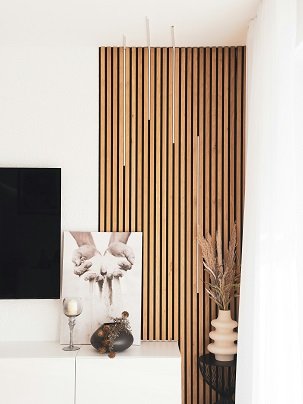
Modern interior design is a distinctive style characterized by its emphasis on minimalism, functionality, and open space concepts. Emerging in the early to mid-20th century, this design philosophy arose from a reaction against the ornate styles of previous eras, including Victorian and Art Nouveau. As industrialization progressed, designers began to prioritize clean lines and simplicity, which are now hallmark features of modern design.
One of the central tenets of modern interior design is a strong focus on minimalism, which encourages the use of fewer decorative elements and more functional items. This approach fosters a clutter-free environment, promoting tranquility and helping residents feel more at ease in their spaces. Materials used in modern interiors often include natural elements such as wood and stone, alongside innovative, synthetic materials like steel and glass, reflecting a balanced relationship with the environment.
Another core characteristic is the emphasis on clean lines and geometric forms, which are fundamental in creating harmony within a space. Furniture pieces in modern design typically feature sleek silhouettes devoid of excessive embellishment. The thoughtful arrangement of furniture enhances the open space concept, making even small areas feel airy and expansive.
Natural light also plays an integral role in modern interior design. Large windows and open floor plans facilitate an abundance of daylight, blurring the lines between the exterior and interior environments. This seamless transition not only brightens the living spaces but also contributes to a sense of connection with the outdoors.
In summary, modern interior design is defined by its simplicity, clean lines, and functionality. Understanding these key elements aids in curating a living environment that is not only visually appealing but also conducive to a comfortable and efficient lifestyle.
Selecting the Right Color Palette
Color plays an essential role in modern interiors, shaping the mood and feel of a space. A well-thought-out color palette can elevate the aesthetic appeal and create a harmonious environment in your home. When selecting a color scheme, consider the emotions that different colors evoke and how they interact with the decor accessories you choose.
Popular color schemes for modern interiors include neutral tones, which provide a versatile backdrop. Shades such as white, beige, and gray are often favored for their ability to make spaces feel open and airy. These colors act as a foundation, allowing pops of color through decor accessories like cushions, artwork, and decorative objects, creating a balanced and stylish look.
In addition to neutral palettes, bold accents can also enhance modern spaces. Shades like teal, mustard, or deep red can be used strategically to draw attention to specific areas in a room. For instance, a bright throw pillow on a neutral sofa can serve as an eye-catching focal point while still feeling cohesive within the overall design.
Monochromatic palettes present another approach, involving the use of varying shades of a single color. This method creates a sophisticated and seamless look, making it easy to combine different textures and patterns without overwhelming the space. For example, varying shades of blue can work beautifully together, allowing for a layered effect that adds depth and interest.
When choosing colors to complement your decor accessories, consider the principles of color theory. Utilize complementary colors to create visual harmony or analogous colors for a more subtle interplay that enhances the space. Ultimately, the right color palette should reflect your personal style while ensuring a cohesive appearance across all elements of your modern interior.
Essential Decorative Pillows and Throws
Decorative pillows and throws are essential accessories that can substantially elevate the comfort and aesthetic appeal of modern interiors. These elements serve both functional and stylistic purposes, providing support and adding layers to a room’s décor. When selecting pillows and throws for your space, considering textures, patterns, and colors that complement modern design principles is vital.
Textures play a crucial role in enhancing the overall ambiance of a room. Opt for a mix of materials such as linen, velvet, or cotton, which not only provide varying tactile experiences but also contribute to visual interest. For a more cohesive look, choose pillows and throws that share at least one common texture, allowing them to harmonize while showcasing individuality through different fabrics.
Patterns can further accentuate your interior design. Geometric designs, abstract prints, or even subtle stripes can effectively convey a modern sensibility. When combining patterns, aim for a balanced look by integrating different scales. For instance, pair a large-scale patterned throw with smaller accent pillows to create an eye-catching contrast. Additionally, selecting a neutral color palette with pops of color can help maintain the clean lines typical of modern design.
Arranging decorative pillows and throws thoughtfully can significantly affect the overall vibe of your space. Grouping pillows of various sizes can create a visually appealing focal point on a sofa or bed. Consider layering larger pillows at the back and smaller ones in front for depth. Throws can be draped elegantly over furniture or neatly folded, adding an inviting touch while keeping functionality in focus.
By paying attention to these components, you can enhance your modern interiors with decorative pillows and throws that not only provide comfort but also reflect your personal style.
Incorporating Artwork and Wall Decor
In modern interiors, the significance of artwork and wall decor cannot be overstated. Artwork serves not only as a focal point but also enhances the overall ambiance of a space, encouraging creativity and expression. Embracing various forms of artistic expression, such as abstract pieces or large format prints, is essential for achieving that contemporary look.
Abstract art has become a favorite amongst interior designers, as it often captivates viewers and sparks conversation. These pieces are characterized by their bold colors, geometric shapes, or even the deliberately irregular patterns that challenge traditional aesthetics. To incorporate abstract artwork effectively, it is advisable to choose pieces that resonate with the color palette of the room to create a harmonious environment.
Large format prints are another excellent choice for modern interiors. These prints often create a dramatic effect, drawing the eye immediately upon entering a room. When selecting a large print, consider the scale of the wall on which it will hang. A massive piece on a relatively small wall could overwhelm the space, while a smaller piece may get lost on a vast wall. Thus, achieving balance is key.
Proper display techniques significantly influence how artwork and wall decor are perceived. Grouping smaller artworks in a gallery wall arrangement can curate a sense of unity, while a singular large piece can serve as a statement. When hanging artwork, consider eye level as a guideline—typically between 57 to 60 inches from the ground—to enhance viewing comfort. Spatial relationships between pieces also play a critical role; maintaining a consistent distance between artworks maintains visual cohesion.
Ultimately, integrating these decor elements thoughtfully can elevate modern interiors, transforming them from simple living spaces into artistic enclaves that reflect personal style and aesthetic preferences.
The Role of Lighting Fixtures
Lighting fixtures are essential elements in modern interior design, serving both functional and aesthetic purposes. A well-chosen lighting fixture can transform a room, enhancing its ambiance while providing the necessary illumination. Among the variety of lighting options available, pendant lights, floor lamps, and wall sconces stand out as popular choices in contemporary decor.
Pendant lights are versatile and can be hung at varying heights, making them suitable for different settings, from dining areas to kitchens. Their designs range from sleek and minimalistic to intricate and bold, allowing homeowners to select a fixture that complements their decor theme. In addition to providing direct lighting, pendant lights can create focal points within a space, drawing attention to key areas such as a dining table or kitchen island.
Floor lamps also play a significant role in modern interiors. They offer the ability to add height and interest to a room while providing ambient or task lighting. Many floor lamps feature adjustable arms or heads, enabling users to direct light where it is most needed, whether for reading or illuminating dark corners. Moreover, the variety of designs available means that a floor lamp can double as a stylish accent piece.
Wall sconces are another crucial lighting accessory that can enhance the overall design theme. These fixtures can be used to highlight artwork or architectural features, creating a layered lighting effect. Furthermore, wall sconces can be placed strategically to improve the flow of a room, offering illumination without taking up valuable floor space.
In conclusion, effective lighting fixtures like pendant lights, floor lamps, and wall sconces not only fulfill practical needs but also serve as important decor accessories. When used thoughtfully, they can significantly elevate the style and functionality of modern interiors.
Choosing the Right Rugs
Rugs play a vital role in enhancing modern interiors, acting as a unifying element that ties together various design components. When selecting a rug, one must consider not only aesthetic appeal but also how the rug interacts with the room’s overall design. The right rug can transform a space by adding warmth, texture, and color, while also defining areas within an open layout.
Materials are an essential factor in choosing a rug, as they influence both comfort and durability. Natural fibers such as wool and cotton are popular choices for their softness and longevity. Synthetic options like nylon and polyester offer practical benefits, including stain resistance and ease of maintenance. It is crucial to weigh these characteristics against your lifestyle needs to select a rug that will stand the test of time without compromising on aesthetic value.
The style of the rug should also reflect and complement the modern design of your interiors. Geometric patterns and bold colors are prevalent in contemporary settings, while minimalist designs in neutral tones can provide a subtle elegance. When examining styles, it is advisable to take into account the existing color palette and furniture arrangement of the space to ensure that the rug harmonizes with its surroundings.
Size is another critical consideration. A rug should ideally anchor the furniture, allowing at least the front legs of sofas and chairs to rest upon it. This creates a sense of cohesion and grounds the space. Measuring the area where the rug will be placed is essential to avoid purchasing a piece that overwhelms or seems lost in the room.
By focusing on these aspects—material, style, and size—you can select a rug that not only enhances the modern aesthetic of your home but also provides comfort and functionality to your living environment.
Functional Yet Stylish Furniture Pieces
In modern interior design, selecting furniture that is both functional and stylish is essential for creating an inviting atmosphere. The principles of contemporary furniture design emphasize clean lines, geometric shapes, and multi-functionality, all of which contribute to maximizing space while maintaining a streamlined appearance. When choosing furniture for modern spaces, it is important to consider how each piece will contribute to the overall functionality of the room.
One significant aspect of modern furniture design is the focus on minimalism. Modern interiors often favor a less-is-more approach, which allows for a more spacious feel. Furniture pieces characterized by sleek designs can enhance the aesthetic without overwhelming the space. For example, a coffee table with a clear glass top and minimalist legs not only serves as a functional element but also acts as a subtle design feature that does not detract from other decorative elements.
Additionally, furniture that embodies multi-functionality is particularly sought after in modern homes. For example, a sofa bed can serve as both a comfortable seating area during the day and a sleeping space at night, providing versatility without compromising style. Ottomans that double as storage units or side tables that can be easily moved around further illustrate the importance of adaptability in contemporary furniture.
Moreover, geometric shapes and bold lines play a crucial role in modern furniture design, often acting as focal points in a room. A well-placed accent chair with a unique silhouette can inject personality into an otherwise minimalist setting. Ultimately, the right furniture pieces will harmoniously combine form and function, ensuring that modern interiors feel cohesive, stylish, and practical.
Accessorizing with Plants and Greenery
Incorporating plants and greenery into modern interior design not only enhances the aesthetic appeal but also offers numerous health benefits, such as improved air quality. The integration of indoor plants brings a refreshing touch that complements contemporary design elements, adding warmth and a sense of liveliness.
When selecting plants for your home, it is essential to consider low-maintenance varieties that fit well within your schedule and skill level. Popular choices include the snake plant, pothos, and peace lily. These plants are not only resilient but also thrive in a range of indoor environments, making them ideal for individuals who may not have the time to devote to high-maintenance species. Additionally, they can effectively purify the air, removing toxins and producing oxygen, thereby contributing to a healthier living space.
Arranging indoor plants can significantly impact the overall flow and aesthetics of a room. Grouping plants of varying heights and textures creates a visually appealing arrangement. One effective approach is the use of plant stands that elevate certain species, drawing the eye upwards and adding depth to the design. Similarly, hanging planters can introduce layers to the interior, making the most of vertical space while providing an engaging focal point.
Care for your indoor plants is crucial to their longevity and vitality. Regular watering, appropriate lighting, and using the right potting mix are fundamental practices that ensure their health. It is advisable to familiarize yourself with the specific needs of each plant species, as light and watering requirements can vary significantly.
Overall, accessorizing with plants in modern interiors can transform spaces into inviting sanctuaries, promoting both aesthetic enjoyment and well-being.
Combining Technology and Decor
In today’s fast-paced world, the integration of technology into modern home decor has become not only a trend but a necessity. Homeowners seek innovative solutions that allow them to enjoy the conveniences of smart devices while maintaining a cohesive aesthetic in their living spaces. This merging of function and style is achieved through the careful selection of products that serve both practical purposes and contribute to the overall decor.
Smart home devices have evolved significantly, with many options designed to blend seamlessly into contemporary interiors. For instance, smart thermostats and lighting systems are available in various designs that complement different decor styles, from minimalistic to industrial. These devices offer optimal energy management while enhancing the ambience of a room, allowing homeowners to provide comfort without sacrificing design integrity.
Moreover, decorative smart speakers, such as those mimicking home artifacts or elegant sculptures, can contribute to the overall aesthetic while offering high-quality sound and virtual assistant features. The key to successful integration lies in selecting pieces that resonate with the existing decor while serving a functional purpose. For example, wall-mounted smart displays can serve as digital art frames, showcasing a rotation of artwork or family photos, thus enriching the decor experience.
Another aspect to consider is the use of wireless charging stations designed as sleek accessories. These units can eliminate cord clutter while acting as elegant decor statements placed on side tables or desks. The blend of technology and design not only optimizes space but also elevates the overall function of these areas.
In a nutshell, the modern interior design homeowner can achieve a sophisticated and stylish environment through the thoughtful integration of technology. By selecting smart home devices that align with personal style preferences and decor themes, individuals can create a harmonious balance between contemporary living and aesthetic appeal.