
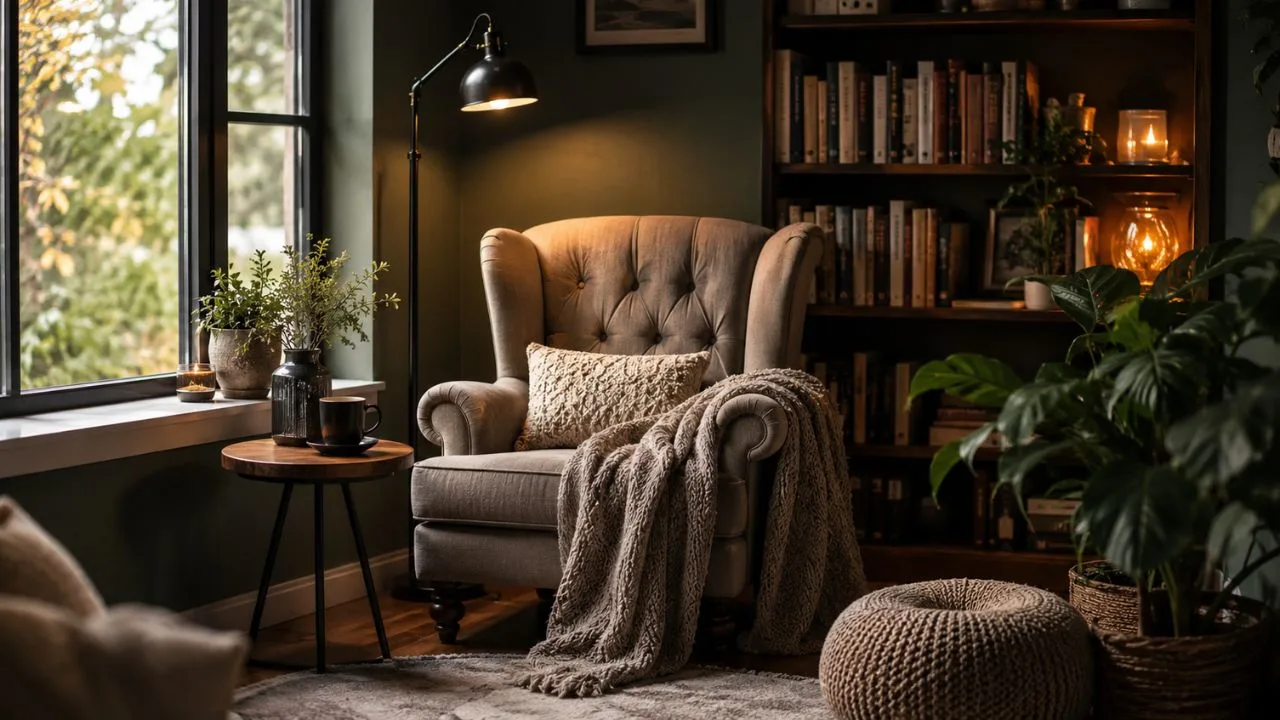
In a world that feels increasingly loud and chaotic, finding a moment of genuine peace can feel like a luxury. We are constantly tethered to our devices, bombarded by notifications, and pulled in a dozen different directions by work and family obligations. This is exactly why every home deserves a dedicated reading nook. A reading nook is more than just a place to sit with a book; it is a physical boundary between the stress of the outside world and your internal peace. It serves as a personal sanctuary where time slows down, allowing you to get lost in a story or simply enjoy a quiet cup of tea.
Creating this specialized space does not require a massive budget or a sprawling mansion. Whether you live in a tiny studio apartment or a large family home, you can carve out a corner that feels entirely your own. The beauty of a reading nook lies in its intimacy and its ability to reflect your unique personality. From the softness of the fabrics to the warmth of the lighting, every element should be chosen with your ultimate comfort in mind. In this comprehensive guide, we will explore everything you need to know about designing, building, and enjoying the perfect space for your literary adventures.
The Psychological Benefits of a Dedicated Reading Space
Before we dive into the physical aspects of design, it is worth exploring why a reading nook is so beneficial for your mental well-being. Having a specific area designated for a single activity helps train your brain to enter a state of deep focus. When you sit in your nook, your mind recognizes the environment and begins to relax, making it easier to slip into the flow state that characterizes a great reading experience. This mental association is powerful and can significantly reduce the time it takes for you to decompress after a long day of work.
Furthermore, a reading nook acts as a visual reminder to prioritize self-care and offline time. In an era dominated by digital screens, having a physical space that celebrates tactile objects like paper books can be incredibly grounding. It encourages a digital detox, providing a screen-free zone where your eyes can rest from the blue light of smartphones and laptops. This dedicated area fosters a sense of routine and mindfulness, helping you reclaim your attention span in an age of constant distraction.
Finding the Best Location for Your Reading Nook
The first step in your journey is identifying the perfect spot. You might think you lack the space, but often, the best reading nook locations are hiding in plain sight. Look for underutilized corners, awkward alcoves, or even the space beneath a staircase. A window seat is perhaps the most classic choice, offering the dual benefit of natural light during the day and a view of the outside world. There is something inherently peaceful about watching the rain or the shifting shadows while you are tucked away safely inside.
If a window seat is not an option, consider a quiet corner in your bedroom or a secluded part of your living room. The key is to find a place that feels somewhat separate from the main flow of household traffic. You want to avoid areas where people are constantly walking past or where the television is always blaring. If you have a walk-in closet that is only half-full, you could even transform it into a secret library hideaway. The goal is to find a spot that feels like a hug, a place where you can feel tucked in and secure.
Selecting the Right Seating for Maximum Comfort
The foundation of any great reading nook is the chair. Since you might spend hours at a time here, comfort is non-negotiable. However, comfort is subjective, so you must choose a seat that suits your personal sitting style. Do you like to curl up into a ball? A wide, deep armchair or a papasan chair might be your best bet. Do you prefer to sit upright with your feet supported? A classic wingback chair paired with a matching ottoman is a timeless and ergonomic choice.
When selecting your seating, pay close attention to the fabric and the support it provides. Velvet feels luxurious and warm, while linen offers a more breathable and casual vibe. Make sure the chair has enough lumbar support to prevent back pain during long reading sessions. If you are on a budget, do not overlook thrift stores or estate sales. A high-quality vintage chair can often be reupholstered to match your decor, giving you a high-end look for a fraction of the price. The goal is to find a piece of furniture that invites you to sit down the moment you see it.
The Importance of Layered Lighting
Lighting can make or break the atmosphere of your reading nook. During the day, natural light is the gold standard, as it is easiest on the eyes and provides a connection to the outdoors. However, most people do their best reading in the evening, which means you need a strategic lighting plan. Avoid relying solely on harsh overhead lights, which can create glare and feel clinical. Instead, focus on layered lighting that creates a soft, inviting glow while providing enough clarity for the printed page.
A dedicated task light is essential. An adjustable floor lamp or a stylish wall-mounted sconce allows you to direct light exactly where you need it without illuminating the entire room. Look for bulbs with a warm color temperature, typically between 2700K and 3000K, to keep the space feeling cozy. For an extra touch of magic, you can add string lights or a small table lamp with a decorative shade. This secondary lighting layer adds depth to the corner and makes it feel like a distinct, magical zone within your home.
Essential Furniture Beyond the Chair
While the chair is the star of the show, a functional reading nook needs a few supporting players. A side table is vital for holding your tea, coffee, or a glass of wine. It also provides a place to set your book down when you need a break. Choose a table that is roughly the same height as the arm of your chair for easy access. If space is tight, a small C-shaped table that slides over the seat of the chair can be a great space-saving solution.
In addition to a table, consider incorporating some form of book storage nearby. Having your current ‘to-be-read’ pile within arm’s reach makes the space feel more intentional. This could be a small floating shelf, a vintage wooden crate, or a sleek vertical bookshelf. If you are someone who likes to take notes while reading, make sure there is enough room on your side table for a small journal and a pen. These functional additions transform a simple chair into a fully realized workstation for the imagination.
Styling Your Nook with Textiles and Texture
This is where you can truly let your personality shine. The aesthetic of your reading nook should be a reflection of what makes you feel most at ease. Start with a plush rug to define the space and provide a soft place for your feet. A rug also helps with sound dampening, which is a bonus if your home has hardwood or tile floors. Layering different textures is the secret to achieving that high-end, designer look that still feels approachable and lived-in.
Pillows and blankets are the ultimate tools for coziness. A weighted blanket can provide a sense of security, while a chunky knit throw adds visual interest and warmth. Do not be afraid to mix patterns and colors, but try to stick to a cohesive palette so the space does not feel cluttered. If you love the coastal look, go for blues and creams. If you prefer a dark academia vibe, opt for deep forest greens, burgundies, and rich leathers. These finishing touches are what turn a house into a home and a corner into a sanctuary.
Incorporating Nature and Scent
To elevate your reading nook to the next level, consider adding elements that engage all your senses. A small houseplant or a vase of fresh flowers can breathe life into the corner. Plants like snake plants or pothos are low-maintenance and excellent at purifying the air, making your breathing more relaxed as you read. There is something deeply soothing about the presence of greenery, as it reminds us of the natural world and helps lower cortisol levels.
Scent is another powerful tool for setting the mood. A high-quality soy candle or an essential oil diffuser can fill your nook with calming aromas like lavender, sandalwood, or cedar. If you want to lean into the library theme, look for candles that mimic the smell of old parchment and leather. Just be sure to place candles on a stable surface away from any flowing fabrics or book pages. Engaging your sense of smell helps to anchor you in the moment, making your reading experience more immersive and memorable.
Step-by-Step Guide to Setting Up Your Reading Nook
If you are feeling overwhelmed by the options, follow this simple step-by-step process to get your space up and running in a single weekend. First, clear out the chosen area completely. Starting with a blank canvas allows you to see the potential of the space without being distracted by existing clutter. Measure the dimensions carefully to ensure the furniture you choose will fit comfortably without blocking walkways or doors.
Second, place your primary seating and your side table. Experiment with the angle of the chair to see what feels most natural. Sometimes turning the chair slightly away from the center of the room can make it feel more private. Third, install your lighting. If you are using a floor lamp, make sure the cord is tucked away safely to avoid a tripping hazard. Fourth, add your storage and books. Finally, layer in your textiles, plants, and decor. Sit in the chair, take a deep breath, and see how it feels. Adjust as needed until it feels exactly right.
Designing a Reading Nook for Children
If you have little ones at home, creating a reading nook for them is one of the best ways to encourage a lifelong love of literature. A child’s nook should be accessible and whimsical. Instead of a formal chair, you might use a pile of oversized floor cushions or a bean bag. A small teepee or a canopy draped over a corner can create a sense of wonder and adventure. Make sure the bookshelves are at their eye level so they can choose their own stories independently.
For kids, the focus should be on fun and imagination. You can use brighter colors and themes based on their favorite stories. Adding a small basket for their stuffed animals or a dedicated spot for their drawing supplies can turn the nook into a general creativity station. By providing them with a cozy, attractive place to explore books, you are making reading feel like a special treat rather than a chore. It is a gift that will serve them well for the rest of their lives.
Budget-Friendly Ideas for a Beautiful Space
You do not need to spend thousands of dollars to create a high-quality reading nook. Many of the best spaces are built using items found around the house or purchased second-hand. Check online marketplaces for people giving away chairs or side tables for free. A fresh coat of paint can transform a tired old shelf into a modern masterpiece. If you cannot afford a new rug, try layering two smaller, cheaper rugs for a bohemian look.
DIY projects are also a great way to save money. You can sew your own pillow covers from scrap fabric or build a simple floating shelf from a piece of reclaimed wood. Use your existing book collection as part of the decor by arranging them by color or size. Even something as simple as moving a chair from one room to another and adding a soft light can create a whole new atmosphere. The value of the space comes from how it makes you feel, not the price tags on the furniture.
Maintaining the Peace: Rules for Your Nook
Once your reading nook is finished, it is important to protect the energy of the space. Consider establishing a few ‘house rules’ for the area. For example, you might decide that this is a phone-free zone. Leaving your digital devices in another room ensures that your reading time remains uninterrupted by the urge to scroll through social media. This boundary is essential for maintaining the sanctuary-like quality of the corner.
Encourage other members of your household to respect the space as well. If the ‘reading light’ is on, it signifies that you are in your private time and should not be disturbed unless there is an emergency. This teaches everyone in the home the importance of respecting personal boundaries and quiet time. Over time, the nook will become a respected institution in your household, a place where everyone knows that peace is the priority.
Seasonal Updates to Keep Things Fresh
To keep your reading nook feeling exciting, try giving it a small seasonal refresh every few months. In the winter, focus on maximum warmth with heavy wool blankets, darker colors, and spiced scents like cinnamon and clove. This is the perfect time for ‘hygge’, the Danish concept of coziness and contentment. As the weather warms up in the spring, swap out the heavy throws for lightweight cotton blankets and bring in brighter colors like yellow or sage green.
In the summer, you might want to move your nook closer to a window to enjoy the breeze or even set up a temporary version on a porch or balcony. Changing the art on the wall or the plants on the side table can also make the space feel brand new. These small updates prevent the area from becoming stagnant and ensure that it remains your favorite part of the home throughout the entire year.
Final Thoughts
Building a reading nook is a journey toward better mental health and a more balanced life. By choosing a dedicated location, selecting comfortable seating, and layering in beautiful lighting and textiles, you create a space that nourishes your mind and spirit. It is an investment in yourself that pays dividends in the form of reduced stress and increased creativity. Whether your nook is a grand library or a simple chair in a quiet corner, the impact on your well-being will be profound.
Remember that there is no right or wrong way to design your sanctuary. The most important thing is that it feels like home to you. Take your time, enjoy the process of gathering items that speak to your soul, and don’t be afraid to experiment. Your perfect reading experience is just a few steps away.
Frequently Asked Questions
How much space do I really need for a reading nook?
You need surprisingly little space. A standard armchair typically requires an area of about three feet by three feet. If you are using a corner or a small alcove, you can fit a functional and cozy setup in less than ten square feet. The key is to use vertical space for shelving and keep the floor area focused on the chair.
What is the best type of chair for long reading sessions?
The best chair is one that supports your preferred posture. For most people, an armchair with a high back and sturdy armrests is ideal. If you like to tuck your legs up, look for a ‘chair and a half’ which offers extra width. Always test a chair for at least ten minutes before buying to ensure the cushioning does not flatten out.
Can I create a reading nook in a high-traffic area?
It is possible, but you may need to use visual or physical barriers to create a sense of privacy. A decorative folding screen, a tall bookshelf, or even a long curtain can help wall off the space from the rest of the room. Using noise-canceling headphones can also help you stay immersed in your book despite the activity around you.
What if I prefer reading on an e-reader or tablet?
A reading nook is perfect for digital reading too! Just make sure your side table has easy access to a power outlet or a charging station so your device never dies in the middle of a good chapter. You might also want to choose a task light with an adjustable brightness setting to reduce glare on the screen.
How do I keep my nook from getting cluttered?
Adopt a one-in, one-out policy for your books if your storage space is limited. Regularly clear away used tea mugs or stray papers. Keeping a small basket nearby for items that don’t belong in the nook can help you quickly tidy up at the end of every session.