
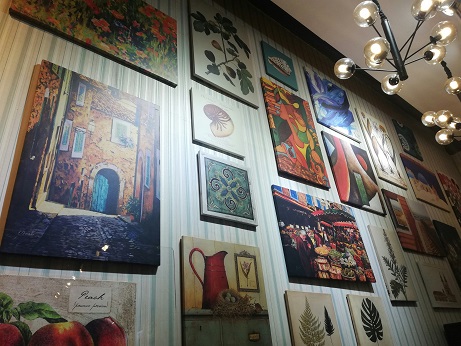
Wall art has become an essential element in modern home design, serving not only as a decorative feature but also as a vital component that enhances the overall aesthetic appeal of a space. From minimalist prints to bold murals, the range of wall art options available today allows homeowners to express their individual style and taste. This personalization transforms living spaces into a true reflection of one’s identity and preferences.
In contemporary interiors, modern wall art plays a crucial role in creating a welcoming atmosphere. It can set the tone for the entire room, influencing everything from color schemes to furniture choices. Thoughtfully selected pieces can tie various elements together, allowing for a cohesive look that feels both curated and intentional. Additionally, artwork can create focal points within a space, drawing attention and intrigue, thereby contributing to the conversational quality of a home.
However, the selection process for wall art should not be trivialized. The term ‘modern’ encompasses a variety of styles ranging from industrial to Scandinavian, each demanding careful consideration of the art chosen to accompany it. When selecting wall art, it is important to consider the existing color palette, the style of furniture, and the overall mood that one wishes to evoke. For instance, abstract art can suit a minimalist approach, whereas classic landscapes may align better with a more traditional feel.
In conclusion, wall art is a significant aspect of modern home decor that not only beautifies spaces but also conveys personal narratives. By carefully choosing the right wall art, homeowners can create environments that are aesthetically pleasing and true to their character.
Types of Wall Art for Modern Interiors
In the realm of modern interior design, wall art plays a pivotal role in shaping the ambiance and personality of a space. Various types of wall art can enhance the aesthetic appeal of modern homes, each with distinct qualities that contribute to contemporary design sensibilities.
One prevalent category is paintings, which encompass a wide range of styles—from bold and colorful abstract art to serene landscapes. Abstract paintings, in particular, are favored in modern homes for their ability to evoke emotion and stimulate conversation without imposing a specific narrative.
Another popular form is prints, which are often more accessible and can be produced in a variety of styles and themes. Giclee prints, for instance, replicate artworks with exceptional detail and color accuracy, making them an ideal choice for those who appreciate fine art but seek affordability. Minimalist prints that boast simple lines, shapes, or monolithic colors resonate well with contemporary decor.
Photography has also gained traction as a chic choice for wall art, particularly black-and-white photographs that add a timeless quality to any setting. Whether showcasing urban scenes or natural landscapes, photography can transform a wall into a visual narrative, fitting seamlessly into modern aesthetics.
Finally, three-dimensional pieces such as wall sculptures and mixed media art introduce depth and texture. These artistic forms often incorporate materials such as metal, wood, or fabric, and can bring an industrial edge to the modern home. Three-dimensional wall art invites viewers to engage with the piece from different angles, enhancing the overall sensory experience.
All these types of wall art can be thoughtfully integrated into modern interiors, enhancing the overall design theme while reflecting personal taste. Understanding the unique characteristics of each art form enables homeowners to make informed decisions when selecting pieces for their walls.
Color Schemes and Their Impact on Wall Art Selection
Color schemes play a pivotal role in influencing the choice of wall art in modern homes. The psychology of colors shows that different hues can evoke a wide range of emotions and significantly shape the overall atmosphere of a space. For instance, warm colors like reds and oranges can create a sense of energy and vibrancy, making them suitable for lively social areas, while cool colors such as blues and greens are known to promote calmness and relaxation, making them ideal for bedrooms and personal retreats.
When selecting wall art, it is essential to consider how the chosen colors will interact with the room’s existing color palette. A harmonious color scheme can enhance the impact of the artwork, creating a cohesive environment. One effective approach is to select wall art that features a blend of colors already present in the room. This can create a seamless connection between the artwork and the overall decor. For example, if your space is characterized by a neutral color scheme, opting for wall art with pops of color can invigorate the space and generate visual interest.
Another strategy involves utilizing monochromatic color schemes, where variations of a single color provide depth to the space. Art pieces employing varying shades and tints of one dominant color can instill a sense of sophistication and unity within the environment. Additionally, artwork with contrasting colors can serve as a focal point in a room, drawing attention and creating a dynamic visual effect.
Ultimately, choosing wall art that complements the color schemes of modern homes requires an understanding of how colors affect mood and perception. By thoughtfully considering these factors, one can select art pieces that not only showcase personal style but also enhance the overall ambiance of their living spaces.
DIY Wall Art Ideas for Personal Touch
Creating unique wall art is an excellent way to personalize your living space and express your artistic flair. DIY wall art can be both cost-effective and fulfilling, allowing homeowners to craft pieces that resonate with their style and personality.
One popular project is canvas painting. To start, gather a blank canvas, acrylic paints, paintbrushes, and a palette. Choose a color scheme that complements your decor. Instead of following a rigid design, allow your creativity to flow by experimenting with abstract patterns or using techniques like sponging or dripping for a modern touch. The result is a vibrant piece that can serve as a focal point in any room.
Using textiles is another innovative approach to DIY wall art. Begin by selecting fabrics that match your home’s color palette. Frame a few squares of fabric to create a chic textile collage. Alternatively, you can stretch fabric over a canvas for a more streamlined look or even use fabric remnants to create a quilted wall hanging. This method not only beautifies your walls but also adds texture and warmth to the space.
A gallery wall is another fantastic option for showcasing personal memories. Collect an assortment of photos, artwork, and other memorabilia that reflect your experiences and tastes. Arrange them on the floor to determine an appealing layout before hanging them on the wall. Include a mix of frame styles, colors, and sizes to create visual interest. This DIY project is not only a creative outlet but one that makes your home truly feel like yours.
Through these DIY wall art projects, homeowners can significantly enhance their living spaces while reflecting personal experiences and artistic preferences. Each creation carries a story, making your home distinctively yours.
Incorporating Textures and Materials in Wall Art
In modern home design, wall art serves not only as a decoration but also as an expression of personal style. One effective way to elevate wall art is by incorporating various textures and materials, which can add dimension and intrigue to any space. Utilizing elements such as wood, metal, fabric, and ceramics can significantly enhance the aesthetic appeal of art pieces.
Wooden art pieces introduce warmth and a natural element, making them an excellent choice for grounding a room. For instance, framed wooden panels can serve as backdrops for other artworks or photographs, providing a rustic yet modern feel. Integrating different types of wood, from reclaimed to polished finishes, can contribute to variety and richness in wall decor.
Metal art offers a sleek, contemporary touch that reflects light and brings vibrancy to the wall space. Sculptures or wall hangings made of metal can come in numerous finishes, from brushed nickel to copper patina, allowing homeowners to express their unique taste. The industrial look of metal contrasts beautifully with softer materials, creating a balance in modern decor.
In addition, fabric can introduce softness and warmth to a room. Tapestries, fabric wall hangings, or quilts can add color and texture, softening the overall look of a modern home. Mixing fabrics like linen, wool, or velvet can create an interesting visual impact. Layering these elements with other wall art forms enhances dimensionality and draws the eye in.
Ceramics also play a vital role in texture-rich wall art. Three-dimensional ceramic pieces can add interest through unique shapes and colors, enhancing the tactile experience of the wall. By creatively combining various materials, homeowners can curate personalized art displays that captivate and inspire, making any modern home truly unique.
The Role of Wall Art in Room Functionality
Wall art serves a multifaceted role in modern homes, significantly contributing to both aesthetic appeal and functional characteristics of various living spaces. In an era where open-concept designs dominate, wall art can effectively define individual zones within a room. By strategically placing artwork, one can transform a large, airy space into distinct functional areas such as a dining nook or a cozy reading corner. For instance, a bold canvas or a series of framed prints can serve to visually separate the living room from the dining area while adding character to both zones.
Moreover, the choice of wall art can set the mood in bedrooms, providing a calming atmosphere conducive to rest and relaxation. Soft, serene landscapes or abstract shapes can promote tranquility, while vibrant colors might invigorate the space, depending on personal preferences and the intended purpose of the room. When selecting art for a bedroom, it is advisable to consider calming themes, as these resonate well with the overall intention of promoting restful experiences.
In living areas, the right wall art can enhance relaxation and foster a welcoming environment. Art pieces featuring nature or urban landscapes can create a soothing backdrop, encouraging relaxation during leisure time. Additionally, choosing pieces that reflect one’s personality can foster a sense of ownership and comfort in the shared spaces where families gather. To effectively enhance room functionality through wall art, it is essential to assess each room’s purpose and select pieces that are not only visually appealing but also resonate with the desired atmosphere, making each space more inviting and functional.
Using Wall Art to Complement Furniture and Decor
In modern homes, the selection of wall art plays a crucial role in enhancing the overall aesthetic, especially in conjunction with existing furniture and decor. When choosing wall art, it’s essential to consider how it can harmoniously integrate with the style, color palette, and material of your furnishings. A well-thought-out selection of art can either complement or create an intentional contrast with your decor, adding depth and interest to your living spaces.
For instance, if your furniture features minimalist designs, opting for abstract art can enrich the visual appeal without overwhelming the space. Conversely, traditional or ornate furnishings can be beautifully paired with classic art pieces that echo their elegance, creating a seamless flow throughout the room. Pay close attention to the color scheme as well; selecting wall art that incorporates accent colors found in your furniture can create a cohesive look, making the room feel well-designed and thoughtfully curated.
The scale of the wall art is another critical factor in creating visual harmony. Oversized pieces can serve as focal points, particularly in larger rooms, whereas smaller artworks can be grouped in a gallery wall arrangement, enhancing intimacy in smaller spaces. Additionally, the placement and arrangement of the art are vital; art should be hung at eye level to ensure maximum impact and visibility. It can also be effective to mix different sizes and styles within a single arrangement, as this can add texture and visual interest while still appearing cohesive.
In conclusion, employing wall art as a strategic complement to furniture and decor significantly enhances the overall style and ambiance of modern homes. Thoughtful consideration of style, color, scale, and arrangement will not only beautify your space but also reflect your personal taste, transforming any room into a harmonious haven.
Finding Inspiration for Wall Art
When it comes to selecting wall art for modern homes, drawing inspiration from various sources can significantly enhance the decision-making process. Websites like Pinterest and Instagram serve as vibrant platforms where individuals can explore a vast array of visual ideas. On these platforms, users can search for specific styles, color palettes, or themes that resonate with their personal taste. By following art-related accounts and engaging with posts, one can cultivate a collection of images that encapsulate their vision for wall art.
Art galleries, both physical and virtual, also present an invaluable resource for inspiration. Visiting local galleries or exploring online exhibitions allows individuals to discover works by emerging and established artists. This exposure not only broadens one’s understanding of contemporary art trends but also aids in identifying styles that may complement existing home decor.
Additionally, nature and travel can serve as profound sources of inspiration for wall art. Photographs taken during travels can capture the essence of places visited, from serene landscapes to vibrant cityscapes, offering a personal touch to wall displays. Similarly, observing natural elements—such as flora, fauna, and geographical formations—can inspire artworks that evoke feelings of tranquility or adventure.
Personal experiences also hold significant potential for wall art inspiration. Reflecting on significant life moments or cherished memories allows one to express their unique story through art. This approach can make the selection process more meaningful, ensuring that the chosen pieces resonate emotionally with the viewer.
Lastly, creating a vision board can serve as an effective strategy for selecting wall art. By compiling images, colors, and themes that inspire you, a vision board helps clarify your artistic preferences. This organized display aids in visualizing how various pieces may complement one another, ultimately leading to a more cohesive gallery wall that encapsulates your aesthetic aspirations.
Conclusion: The Transformative Power of Wall Art
In reflecting on the vital role of wall art in modern homes, it becomes evident that this form of decoration possesses a unique transformative power. Wall art serves not just as a decorative element, but as an influential medium that can convey personal style, evoke emotions, and create desired atmospheres within a space. Modern homeowners have the opportunity to curate their living environments by selecting pieces that resonate with their individual tastes and preferences.
By incorporating various types of wall art—like paintings, prints, or even textured installations—individuals can significantly elevate the aesthetics of their homes. This creative expression can contribute to telling a story, capturing memories, or even establishing focal points that guide the overall design theme of a room. The concept of wall art extends beyond mere decoration; it encapsulates a lifestyle choice that brings warmth and authenticity to modern interiors.
As readers embark on their own artistic journeys, it is encouraged to explore diverse styles and mediums. Combining different elements, such as color schemes, textures, and sizes, can lead to unexpected yet beautiful results that reflect one’s personality. The integration of wall art into home design not only enriches the living space but can also foster a deep sense of belonging and comfort.
Ultimately, the choice of wall art reflects more than just personal style; it embodies the spirit of the homeowner. By thoughtfully selecting pieces that resonate with them, individuals can create an environment that is not only visually striking but also imbued with meaning. Embrace the transformative potential of wall art and let it speak volumes about who you are within the context of your living space.