
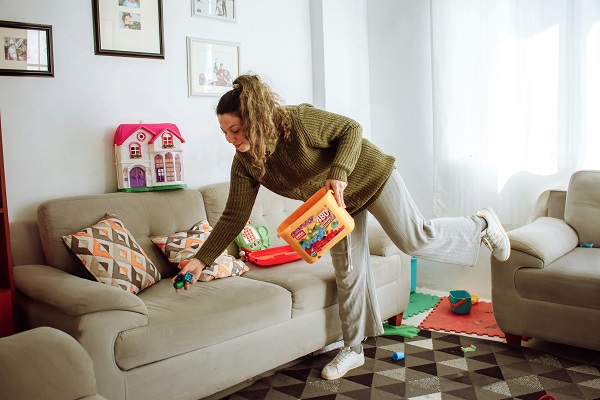
Decluttering tips is more than just organizing a box or clearing a tabletop; it serves as a fundamental process for creating a serene living environment. The significance of decluttering lies in its multifaceted benefits, which can be categorized into psychological and physical dimensions. Psychologically, living in a cluttered space can contribute to increased stress levels. Research suggests that clutter can overwhelm the mind and hinder one’s ability to concentrate, leading to feelings of anxiety and confusion. In contrast, a clean and organized home promotes a sense of calm and order, allowing individuals to focus better and enhance their overall cognitive function.
On a physical level, decluttering offers tangible benefits that go deeper than aesthetics. When the living space is free of excess items, it becomes easier to maintain cleanliness and organization. This not only makes daily tasks more manageable but also reduces the likelihood of accidents caused by cluttered walkways and overcrowded spaces. Furthermore, a well-organized environment can foster creativity and productivity, as it cultivates a conducive atmosphere for work and relaxation alike.
Decluttering also plays a crucial role in promoting mindfulness. The process encourages individuals to evaluate their belongings and make conscious decisions about what truly adds value to their lives. This mindful approach not only reduces clutter but also fosters a deeper appreciation for the items that remain, thereby enhancing one’s overall quality of life.
In summary, the importance of decluttering cannot be overstated. By embracing this practice, individuals can reap significant psychological benefits, such as reduced stress, increased focus, and an overall sense of serenity. Additionally, a decluttered space aids in maintaining physical safety and cleanliness, thereby creating a harmonious living environment that promotes well-being.
Assessing Your Space: Where to Start
Decluttering your home begins with an assessment of your spaces to understand where to focus your efforts. Start by identifying areas that are frequently used, such as living rooms, kitchens, and bedrooms. Prioritize these spaces since they have a significant impact on daily life and can contribute to your overall sense of well-being. For instance, a cluttered kitchen can make meal preparation stressful, while a tidy living room promotes relaxation.
Next, consider the functionality of each area. Spaces that are intended for specific purposes but are not fulfilling these roles warrant immediate attention. For example, a home office that has become a storage area for miscellaneous items is no longer serving its primary function. By redefining how you utilize your spaces, you can better allocate your decluttering efforts to areas that will restore their intended purpose.
Emotional attachment to belongings can complicate the decluttering process. As you assess each space, pay attention to items that provoke strong emotions both positive and negative. These feelings may create resistance to letting go of certain possessions. A practical approach includes asking yourself whether these items genuinely serve a purpose in your current life. If they do not, consider how they might be better appreciated by others. This method aids in making more objective decisions about what to keep and what to discard.
Ultimately, a thorough assessment of your home will allow you to prioritize decluttering efforts based on usage, functionality, and emotional significance. This thoughtful approach lays the groundwork for a stress-free and organized living environment, enhancing both your physical surroundings and mental clarity.
Simple Decluttering Techniques to Try
Implementing effective decluttering techniques can transform your living space into an organized haven. Here are some practical methods that you can easily incorporate into your routine.
One widely recognized method is the ‘one in, one out’ rule. This technique mandates that for every new item brought into your home, an existing item must be removed. This approach not only curbs unnecessary accumulation but also encourages individuals to critically assess their belongings before adding to them. It is a simple yet impactful way to maintain a balanced and clutter-free environment.
Another popular technique is the 30-day minimalism challenge. This challenge encourages participants to declutter systematically over a month. On the first day, you eliminate one item; on the second day, two items, and so forth, until you reach thirty items on the final day. This method provides a gradual approach that can help to shift your mindset towards minimalism, allowing for a realistic pace rather than overwhelming you with immediate large-scale decluttering.
The four-box method is also beneficial for those seeking structured decluttering. In this approach, you label four boxes—Keep, Donate, Toss, and Relocate. Start by selecting a room or area and systematically categorize items into these boxes. This technique allows for clear decision-making and reduces the emotional burden often associated with parting from possessions. By knowing exactly what to do with each item as you determine its fate, you can alleviate second-guessing, paving the way for a more organized home.
In implementing these techniques, remember that the key to effective decluttering is consistency. Regularly engaging in these practices can significantly enhance your living space and reduce stress.
Creating a Decluttering Schedule
Establishing a decluttering schedule can significantly enhance the effectiveness of your decluttering efforts. The key is to break this daunting task into manageable sessions over a period of days, weeks, or even months, allowing you to achieve your goals without feeling overwhelmed. Begin by identifying the areas in your home that require attention. This could be a particular room, closet, or a specific category of items such as clothes or paperwork.
Once you have pinpointed the spaces or categories you want to declutter, it is essential to set realistic goals. For instance, instead of attempting to declutter your entire house in one day, aim for smaller objectives like tackling one room or sorting through a particular collection of items each week. This method not only makes the task seem less formidable, but also provides a clear timeline, giving you a sense of accomplishment after each session.
In addition to setting smaller, achievable goals, it’s beneficial to create a physical or digital calendar dedicated to your decluttering schedule. Mark specific dates and times when you intend to focus on this activity. This commitment to a time frame creates a routine, making it easier to stick to your plan. Furthermore, consider setting aside consistent time slots each week, such as an hour every Saturday morning, which helps establish a habit.
Lastly, stay motivated by tracking your progress. Take before and after pictures to visualize the transformation or maintain a checklist of completed tasks. Engaging family members in the process can also foster accountability and make decluttering a shared responsibility. By crafting a detailed and thoughtful decluttering schedule, you set the foundation for a more organized and stress-free home environment.
Making Decisions: What to Keep and What to Let Go
Deciding what to keep and what to let go of during the decluttering process can often be the most challenging aspect for many individuals. The key to a successful decluttering effort lies in establishing a clear set of criteria to guide your decision-making. First and foremost, consider the usefulness of each item in your home. Does it serve a practical function? If an item has not been used in a long time and does not have a specific purpose, it may be time to part ways with it.
Next, evaluate the sentimental value of your possessions. Many people find it difficult to let go of items that evoke strong memories or emotions. When assessing sentimental items, ask yourself how much joy or significance the object brings to your life. For instance, a photo album may hold more emotional weight than an old sweater. Prioritizing items that genuinely enhance your living space and emotional well-being is crucial.
Another important consideration is the frequency of use. How often do you reach for this item? If it has been tucked away and seldom referenced, this could be a sign that it is not crucial to your day-to-day life. Gathering this information can help inform logical decisions on what to keep. Additionally, you might employ the ‘one-year rule’ technique: if you have not used an item in the past year, it may be an appropriate candidate for donation or disposal.
Ultimately, the decision process should not be rushed; take your time and reflect on how each piece influences your life. Making thoughtful choices will ensure that your home reflects your needs and values, leading to a more organized and harmonious living environment. By applying these criteria, you can navigate the decluttering process effectively, resulting in a space that fosters peace and functionality.
Organizing and Storing Your Essentials Efficiently
Once the decluttering process is complete, the next significant step is to focus on organizing and storing your essentials efficiently. Effective organization not only helps you find what you need at a moment’s notice but also contributes to a visually appealing and stress-free environment. To begin, assess the items you have kept, categorizing them into groups based on their use or function. This approach enables you to visualize what you have and simplify the storage process.
Storage solutions play a vital role in maintaining a clutter-free space. Consider investing in multi-functional furniture, such as ottomans with hidden storage or beds with drawers. These options maximize utility while minimizing visible clutter. Additionally, utilize vertical space by installing shelves or wall-mounted organizers. This method also helps keep essential items off the floor and can give the illusion of a larger space.
Another crucial aspect of effective organizing is implementing a labeling system. Labels help identify where items belong, making it easier for family members or housemates to return things to their designated spots. Use clear and easy-to-read labels for various containers, bins, and shelves. For added aesthetics, consider color-coded labels or distinct styles that complement your home’s decor.
To maintain an organized home, regularly review your storage solutions to identify any ineffective systems and propose adjustments as needed. Periodic reassessment allows you to adapt your organization to changing needs and family dynamics. Ultimately, efficient organization and storage can drastically enhance your living experience, reducing stress and increasing overall satisfaction with your surroundings.
Maintaining a Decluttered Home Over Time
Establishing sustainable routines is essential for maintaining a decluttered home and preventing the reaccumulation of items. The first step in achieving this goal is to integrate daily habits into your lifestyle that promote organization. For instance, adopting the practice of the “One In, One Out” rule can be particularly effective. Each time you bring a new item into your home, make it a habit to remove one item, thereby keeping clutter at bay. This principle not only encourages mindful consumption but also nurtures a culture of regular reflections on what truly adds value to your space.
Another vital practice is to allocate a specific time each day or week for tidying up. This could be as simple as dedicating 10 minutes every evening to declutter your living space or designating Saturday mornings for a thorough weekly clean. Creating a consistent schedule ensures that organization becomes a part of your routine, rather than a sporadic event that requires intense effort. Utilize checklists or set reminders on your phone to help you stay accountable and motivated.
It is also beneficial to create designated storage areas for frequently used items. By providing specific locations for different categories of belongings, you can make it easier to return items to their rightful places, which will minimize the chances of clutter developing. Labeling containers or storage bins can further enhance this practice, allowing family members or housemates to understand where items belong.
Lastly, encouraging a decluttering mindset among your household can also transform how your environment is maintained. Regular discussions about organization and involving everyone in the process fosters a sense of collective responsibility, leading to long-term clarity and balance within the home.
Inspiring Stories: Real-Life Decluttering Transformations
Many individuals have experienced profound transformations in their lives after engaging in the decluttering process. One such story comes from Sarah, a busy mother of three, who found herself overwhelmed by the constant mess in her home. After attending a decluttering workshop, Sarah took the first step by tackling her children’s playroom. By categorizing toys and books, she managed to create a more organized space. Not only did this lead to a cleaner environment, but it also reduced her children’s anxiety, allowing them to focus better during activities. The positive shift fostered a sense of responsibility among her kids, who now actively participated in maintaining a tidy space.
Another inspiring transformation can be seen in Mark, a retiree who decided to downsize his living environment. Mark had accumulated years of belongings that not only filled his home but also his mind with stress and indecision. By following the principles of decluttering, he began to sort through his items, keeping only what truly mattered to him. This process not only lightened his physical load but also rejuvenated his spirit. Mark reported feeling a sense of freedom that he hadn’t experienced in years, allowing him to engage more fully in hobbies and community activities.
Lastly, Emily, a college student, shared her experience of moving into a dormitory. Faced with limited space, she realized the importance of decluttering essentials before unpacking. By assessing her possessions and limiting herself to what she needed, she created a harmonious living space conducive to studying and relaxation. Emily expressed that this newfound order helped alleviate her stress levels significantly, resulting in better academic performance and enhanced emotional well-being.
These stories serve as a testament to the profound impact that decluttering can have, not just on physical spaces but also on mental health. Embracing a clutter-free lifestyle fosters clarity, reduces stress, and elevates overall quality of life.
Resources for Further Assistance in Decluttering
As the journey of decluttering tips can often feel overwhelming, utilizing various resources can make this process more manageable and enjoyable. There are numerous books, apps, podcasts, and professional organizers available to assist individuals in transforming their living spaces.
Books such as “The Life-Changing Magic of Tidying Up” by Marie Kondo and “The Minimalist Home” by Joshua Becker provide insightful strategies and philosophy toward decluttering. These books emphasize not just the physical act of discarding items, but also instilling a mindset focused on simplicity and intentional living. They provide practical steps that can motivate readers to take action in their own homes.
In addition, there are several apps designed specifically to facilitate the decluttering process. For example, ” decluttr” allows users to sell unwanted items, turning clutter into cash, while “Sortly” aids in organizing possessions through visual categorization. Tracking progress can also be motivating, and apps like “Marie Kondo’s Tidying App” provide checklists and reminders to keep users on course.
Podcasts have also emerged as a great source of inspiration in the decluttering community. Shows such as “The Minimalists Podcast” and “ClutterBug Podcast” delve into the emotional aspects of decluttering, as well as offering tips and tricks to simplify everyday life. Listening to real-life experiences from others can provide the motivation and reassurance needed to continue the decluttering journey.
For those seeking personalized guidance, hiring a professional organizer can be incredibly beneficial. These experts not only assist in determining the best decluttering techniques suited to individual lifestyles but also provide accountability. Many professionals offer services tailored to specific needs, helping individuals navigate through the clutter, one step at a time.
Utilizing these resources can transform the decluttering journey, making it less daunting and more rewarding. Armed with the right knowledge and support, anyone can achieve a stress-free and organized home environment.