
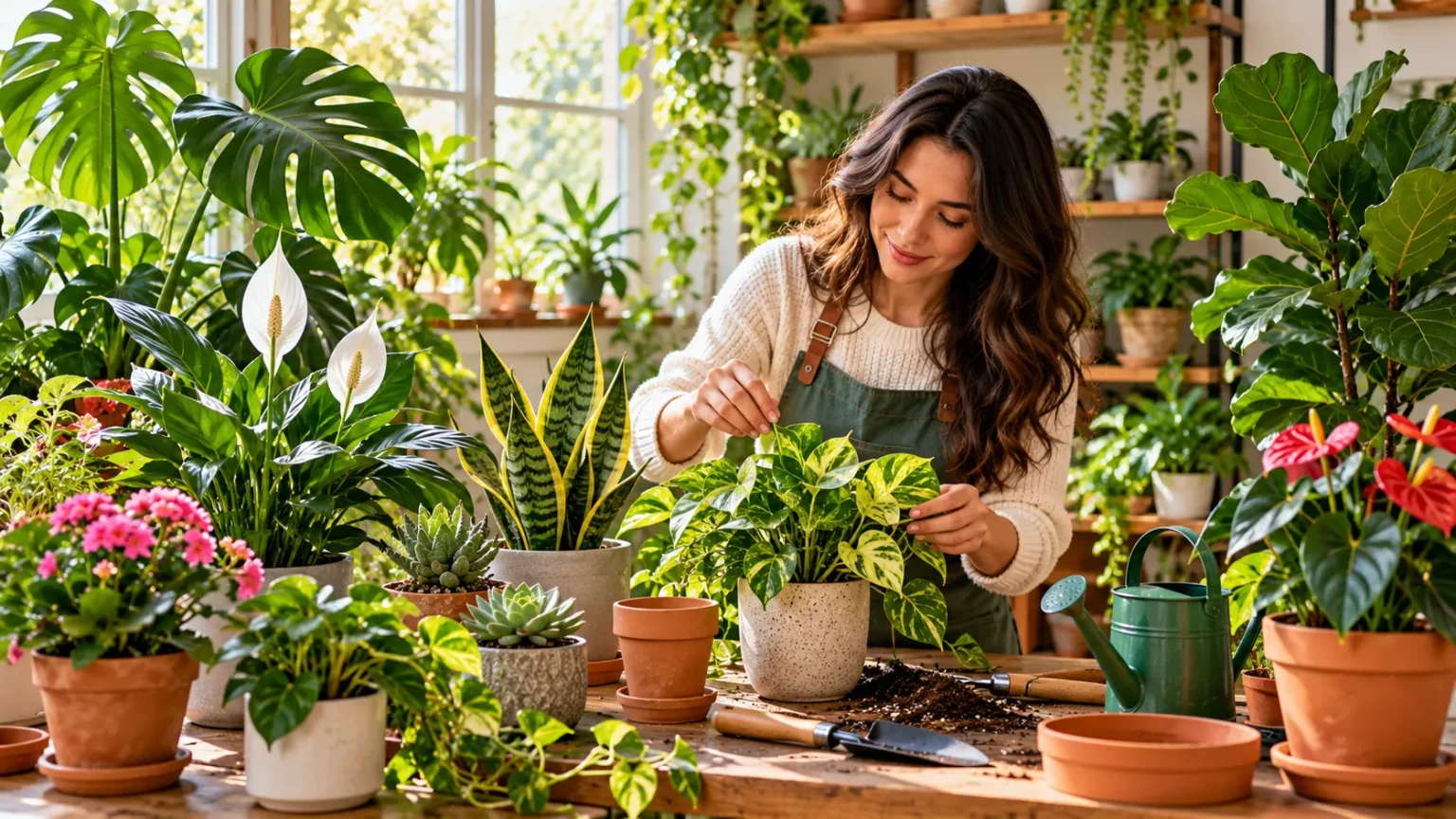
Plant Names: Care, Growing Tips and Varieties
Plants bring natural beauty, freshness, and character to homes, gardens, balconies, and outdoor spaces. However, identifying different plants can be challenging because thousands of species have unique appearances, growing habits, and care requirements. Learning popular plant names helps beginners recognize suitable varieties and understand their basic needs. With the right knowledge, growing plants becomes easier and more enjoyable.
From flowering plants and leafy houseplants to herbs and garden shrubs, every plant category offers different benefits. Some plants thrive in bright sunlight, while others prefer indirect light or partially shaded environments. Watering, soil composition, and temperature also influence healthy growth. Understanding these differences allows gardeners to select plants that suit their available space.
Whether you want to decorate your living room, create a small balcony garden, or grow plants outdoors, choosing appropriate varieties is important. Beginners can start with manageable species before exploring more demanding plants. This guide introduces common plant names, popular varieties, and practical growing tips. It also explains how to maintain healthy plants throughout different seasons.
Why Learning Plant Names Is Important for Beginners
Knowing the correct names of plants makes gardening more practical and organized. Different species have different requirements for sunlight, watering, soil, and temperature. Identifying a plant accurately helps prevent mistakes caused by applying unsuitable care instructions. It also makes it easier to recognize common growing problems.
Plant names are especially useful when purchasing greenery from nurseries or garden centers. Common names sometimes refer to several different species, creating confusion about proper care. Botanical names provide more precise identification. Learning both forms helps beginners find relevant information and select appropriate plants.
Understanding plant identification also supports better garden planning. Some plants grow slowly and remain compact, while others spread rapidly or develop into large shrubs. Knowing their mature sizes helps determine suitable locations. Proper selection can reduce overcrowding and improve long-term growing conditions.
Understanding Common Names and Botanical Plant Names
Plants often have common names that vary between regions, languages, and gardening communities. For example, the snake plant is widely recognized by its everyday name. Its currently accepted botanical placement is within the genus Dracaena, although Sansevieria remains common in gardening literature. Understanding naming differences helps avoid confusion.
Botanical names generally follow a scientific system that identifies a plant by genus and species. These names help distinguish plants that may look similar but have different characteristics. Cultivated varieties may also have additional names identifying particular features. This system supports accurate communication among gardeners, researchers, and nurseries.
Beginners do not need to memorize hundreds of scientific names immediately. Starting with familiar common names and learning botanical names gradually is more manageable. Plant labels and reputable gardening resources can support identification. Accurate naming becomes particularly useful when researching specific growing requirements.
Popular Indoor Plant Names for Home Decoration
Indoor plants are popular because they bring greenery into living rooms, bedrooms, offices, and other enclosed spaces. Common choices include pothos, spider plants, snake plants, peace lilies, and ZZ plants. These species vary in appearance and care requirements. Selecting plants according to available light helps improve growing success.
Pothos is valued for its trailing stems and attractive leaves. Spider plants produce arching foliage and can develop small plantlets. Snake plants have upright leaves, while ZZ plants feature glossy leaflets. Each creates a different decorative effect within indoor environments.
Indoor plants still require suitable growing conditions even when marketed as easy-care varieties. Insufficient light, inappropriate watering, and poorly draining containers can cause problems. Some common houseplants are also toxic if eaten by pets or children. Careful plant selection should consider household safety alongside appearance.
Snake Plant Names, Varieties and Growing Tips
Snake plants are recognizable by their upright, sword-shaped leaves and bold patterns. They are commonly sold under the former genus name Sansevieria, although many are now classified within Dracaena. Popular selections include Laurentii and compact Hahnii forms. These varieties offer different leaf shapes, sizes, and colors.
Snake plants generally prefer bright indirect light but can tolerate some lower-light environments. They perform best when soil dries sufficiently between waterings. Excess moisture can encourage root rot, particularly in poorly draining containers. A suitable potting mix and drainage holes help maintain healthier roots.
These plants grow relatively slowly under typical indoor conditions. Their upright form makes them useful for shelves, corners, and compact spaces. However, snake plants are toxic to cats and dogs if ingested. Households with pets should choose placements or alternative plants accordingly.
Pothos Plant Names and Popular Varieties
Pothos is a popular climbing and trailing houseplant known botanically as Epipremnum aureum. It produces attractive heart-shaped leaves and adapts to many indoor settings. Common varieties include Golden Pothos, Marble Queen, and Neon Pothos. Their foliage patterns make them popular decorative plants.
Pothos generally grows well in bright indirect light, although some varieties tolerate lower light levels. Variegated plants may need brighter conditions to maintain their distinctive coloring. Watering should reflect soil moisture rather than a rigid schedule. Containers with drainage holes help reduce waterlogging.
Pothos can be grown in hanging baskets or trained along suitable supports. Regular pruning can encourage a fuller appearance. Stem cuttings may also be used for propagation under appropriate conditions. Because pothos is toxic if eaten, it should be kept away from pets and young children.
Monstera Plant Names and Care Requirements
Monstera plants are known for their large decorative leaves and tropical appearance. Monstera deliciosa is among the most recognizable species, with mature leaves that can develop distinctive splits and openings. Monstera adansonii is another popular species featuring perforated foliage. These plants offer attractive options for indoor greenery.
Monsteras generally prefer bright indirect light and a well-draining growing medium. Excessive direct sunlight may damage foliage, while insufficient light can slow growth. Water when the upper portion of the potting medium has dried appropriately. Consistent conditions support healthier development.
Many monstera species are climbing plants that benefit from suitable support. A moss pole or other sturdy structure can encourage more natural growth. Their eventual size should be considered when choosing a location. Monstera plants contain irritating calcium oxalate crystals and should not be eaten by pets or children.
Peace Lily Varieties and Growing Tips
Peace lilies belong to the genus Spathiphyllum and are valued for their glossy leaves and white flowering structures. They are commonly grown indoors because of their attractive appearance. Different cultivars vary in size and foliage characteristics. Their elegant form complements many indoor decorating styles.
Peace lilies generally prefer bright indirect light, although they can tolerate somewhat lower light conditions. Flowering may become less frequent when light is insufficient. They prefer evenly moist but not waterlogged soil. Allowing the upper surface to dry slightly can help guide watering.
Brown leaf tips may develop from several factors, including water quality, inconsistent moisture, or environmental conditions. Their appearance should be evaluated alongside overall plant health. Peace lilies are also toxic if ingested because they contain calcium oxalate crystals. Suitable placement is important in homes with pets.
Spider Plant Care and Common Varieties
Spider plants, known botanically as Chlorophytum comosum, are familiar houseplants with long arching leaves. Their foliage may be solid green or display white and green stripes. Popular selections include Variegatum and Vittatum forms. These plants are often grown in hanging containers.
Spider plants generally prefer bright indirect light and a potting mix that drains well. Watering requirements depend on temperature, container size, and growing conditions. Their fleshy roots can store some moisture, but prolonged neglect can still affect growth. Avoid keeping the soil constantly saturated.
Healthy mature plants may produce long stems carrying small plantlets. These plantlets can be used to grow additional spider plants. Their spreading foliage makes them useful for shelves and hanging baskets. Spider plants are generally considered non-toxic to cats and dogs, although chewing any plant may cause digestive upset.
Aloe Vera Plant Care and Growing Requirements
Aloe vera is a succulent plant recognized by its thick, fleshy leaves. It is commonly grown indoors and outdoors in suitable climates. Its compact rosette form makes it attractive for sunny windowsills and container gardens. However, it requires different watering conditions from many tropical houseplants.
Aloe vera generally needs bright light and a fast-draining growing medium. Water thoroughly when the soil has dried, allowing excess moisture to drain away. Constantly wet soil can damage its roots. Gradual adjustment is important when moving indoor plants into stronger outdoor sunlight.
Mature aloe plants may develop offsets near their base. These can sometimes be separated and grown independently once sufficiently established. Although aloe is widely associated with topical preparations, its internal latex and certain parts can be harmful if consumed. It should also be kept away from pets that may chew the leaves.
Popular Flowering Plant Names for Gardens
Flowering plants introduce color and seasonal interest into gardens, patios, and balconies. Common examples include roses, marigolds, petunias, zinnias, and hibiscus. Each species has different sunlight, watering, and growing requirements. Selecting plants based on local climate helps improve flowering performance.
Roses are valued for their diverse flower colors, shapes, and fragrances. Marigolds are popular seasonal flowers in many warm climates, while petunias are frequently used in containers. Zinnias provide colorful blooms in suitable sunny conditions. These plants offer different options for garden design.
Flowering plants generally benefit from appropriate sunlight and well-maintained soil. Some require regular removal of faded flowers to encourage continued blooming. Others need pruning or seasonal replacement. Understanding the growth habits of each variety helps maintain a more attractive and manageable garden.
Rose Plant Names, Types and Care Tips
Roses belong to the genus Rosa and include numerous species and cultivated varieties. Gardeners commonly encounter hybrid tea, floribunda, climbing, and shrub roses. These groups differ in growth habits and flowering characteristics. Selecting a suitable type depends on available space and gardening preferences.
Most garden roses benefit from substantial direct sunlight and soil that drains well. Consistent watering is particularly important during establishment and dry weather. Watering near the soil can help reduce prolonged leaf wetness. Appropriate spacing also supports air circulation.
Pruning practices depend on the type of rose and local growing conditions. Some varieties benefit from seasonal pruning, while others require lighter maintenance. Common problems include fungal diseases and insect pests. Regular observation helps gardeners identify issues before they become severe.
Marigold Plant Names and Growing Tips
Marigolds are popular garden flowers known for their yellow, orange, and golden blooms. Common cultivated groups include African marigolds, associated with Tagetes erecta, and French marigolds, associated with Tagetes patula. Their growth habits and flower sizes differ. Both are widely grown in seasonal gardens.
Marigolds generally perform best in sunny locations with well-draining soil. Watering should support healthy growth without leaving the roots continuously saturated. Young plants need regular attention while becoming established. Mature plants can often tolerate brief dry periods depending on conditions.
Removing faded flowers may encourage continued blooming in many marigold varieties. Their bright colors make them useful for borders, containers, and mixed flower beds. They can also attract certain beneficial insects. However, claims that marigolds eliminate every garden pest should not be treated as reliable.
Hibiscus Plant Varieties and Care Requirements
Hibiscus plants are admired for their large, colorful flowers and attractive foliage. Hibiscus rosa-sinensis is a common tropical ornamental species. Other hibiscus species are suited to different climates and growing conditions. Flower colors and plant sizes vary considerably between cultivated selections.
Tropical hibiscus generally grows best in bright conditions with adequate moisture and suitable warmth. Well-draining soil helps prevent waterlogging. Regular watering may be necessary during active growth and hot weather. However, requirements change with container size and local climate.
Hibiscus plants may benefit from suitable pruning to maintain shape and encourage branching. Flowering can be influenced by light, temperature, and overall plant health. Cold exposure may damage tropical varieties. Gardeners should select species appropriate to their local growing conditions.
Easy Outdoor Plant Names for Beginners
Outdoor gardening can begin with plants that suit the local climate and available growing space. Popular beginner options include marigolds, zinnias, certain herbs, and suitable native flowering plants. Their requirements vary, so easy-care labels should be interpreted carefully. Choosing climate-adapted plants often improves success.
Sunlight is one of the most important factors when planning an outdoor garden. Some species require several hours of direct light, while others prefer partial shade. Soil drainage and seasonal temperatures also influence growth. Matching plants with available conditions reduces unnecessary maintenance problems.
Beginner gardeners may benefit from starting with a small number of varieties. This makes it easier to observe watering needs, growth patterns, and seasonal changes. As confidence develops, additional species can be introduced. Gradual expansion creates opportunities to learn without overwhelming the available space.
Popular Herb Plant Names for Home Gardens
Herbs are useful plants because many provide both attractive foliage and culinary flavor. Common examples include basil, mint, parsley, rosemary, and thyme. Their growing requirements differ despite their similar uses in cooking. Understanding these differences is essential for successful herb gardening.
Basil generally prefers warmth and suitable sunlight, while mint often benefits from consistent moisture. Rosemary and thyme typically require excellent drainage and should not remain waterlogged. Parsley grows well under a range of appropriate conditions. Choosing separate containers can make it easier to manage different watering needs.
Fresh herbs can be harvested for use in everyday meals once plants are sufficiently established. Regular harvesting may encourage branching in certain species. However, removing too much foliage at once can weaken a plant. Appropriate harvesting and care help maintain healthy growth throughout the growing season.
How to Choose the Right Soil for Different Plants
Soil provides physical support, moisture, air, and access to nutrients needed for plant growth. However, different species require different growing media. Succulents often benefit from fast-draining mixtures, while many tropical foliage plants prefer moisture-retentive but well-aerated soil. Understanding these requirements helps prevent common problems.
Container plants generally perform better in appropriate potting mixes rather than compacted garden soil. Potting media are designed to support drainage and root aeration in confined spaces. Outdoor garden soil may require improvement depending on its structure. Organic matter can be useful when applied appropriately.
Drainage is particularly important because waterlogged roots may struggle to obtain sufficient oxygen. Containers should have suitable drainage openings, and growing media should match plant needs. Soil moisture should be monitored rather than assumed. Healthy root conditions provide a foundation for stronger plant development.
How to Water Indoor and Outdoor Plants Properly
Watering is one of the most important gardening tasks, but there is no universal schedule for every plant. Requirements depend on species, soil, temperature, light, and container size. Some plants prefer consistently moist conditions, while others need drying periods. Understanding individual needs helps prevent overwatering and underwatering.
Checking soil moisture provides a more useful guide than watering automatically every day. The upper layer may dry while deeper soil remains moist. Different plants require different levels of dryness before watering again. Observing the plant and its growing medium helps develop better habits.
Outdoor watering also depends on rainfall, wind, and seasonal temperatures. Plants may require more frequent attention during hot, dry periods. Watering near the root zone can help direct moisture where it is needed. Avoid leaving containers standing in excess water unless the plant’s care requirements specifically support such conditions.
Understanding Sunlight Requirements for Plants
Sunlight provides the energy plants use for photosynthesis, but different species require different light levels. Some thrive in direct sunlight, while others prefer bright indirect light. Shade-tolerant plants can survive in lower-light environments, although growth may slow. Understanding these distinctions helps with plant placement.
Indoor lighting conditions vary according to window direction, nearby buildings, and seasonal changes. A location that receives gentle morning sunlight may differ significantly from one exposed to intense afternoon light. Plants can also respond differently to direct sunlight depending on climate. Gradual adjustment helps reduce stress when changing locations.
Signs of unsuitable lighting may include weak growth, leaf damage, or reduced flowering. However, similar symptoms can result from other problems. Evaluating watering, soil, and temperature alongside light conditions is important. Accurate observation helps gardeners identify appropriate improvements.
Fertilizing Plants for Healthy Growth
Plants require essential nutrients to support growth, leaf development, and flowering. Potting mixes and garden soils may supply some nutrients, but additional fertilizer can become necessary over time. Requirements depend on plant species and growing conditions. Excessive feeding can damage roots or create imbalanced growth.
Different fertilizers provide nutrients in various proportions. Nitrogen supports several growth processes, while phosphorus and potassium also play important roles in plant development. Choosing a suitable product requires understanding the plant’s needs. Fertilizer labels provide useful guidance about concentration and application.
Fertilizing is generally most useful when plants are actively growing and conditions support nutrient uptake. Some plants need relatively little additional feeding. Following product instructions helps reduce the risk of overapplication. Healthy plant care involves balancing nutrients with appropriate light, water, and soil conditions.
Common Plant Problems and How to Identify Them
Plant problems can appear through yellow leaves, brown tips, wilting, or unusually slow growth. These symptoms may have several causes, including watering problems, insufficient light, temperature stress, or pests. A single symptom rarely confirms one specific diagnosis. Careful observation helps identify the most likely issue.
Overwatering can contribute to root damage, while insufficient moisture may cause leaves to lose firmness. However, both conditions can sometimes produce similar visible symptoms. Checking the growing medium and roots when appropriate provides additional information. Understanding the complete growing environment improves diagnosis.
Pests such as aphids, spider mites, and mealybugs can also affect indoor and outdoor plants. Regular inspection helps detect infestations earlier. Appropriate treatment depends on the pest and plant species. Safe management should follow relevant product instructions and avoid unnecessary use of hazardous chemicals.
How to Propagate Common Houseplants
Plant propagation involves producing new plants from seeds, cuttings, divisions, or other suitable methods. Many popular houseplants can be propagated through stem cuttings or separated offsets. However, the appropriate technique depends on the species. Understanding basic propagation helps gardeners expand their collections responsibly.
Pothos can commonly be propagated from stem sections containing suitable nodes. Spider plants often produce plantlets that can develop into independent plants. Some succulents can be propagated from offsets or appropriate cuttings. Each method requires different handling and growing conditions.
Successful propagation depends on plant health, moisture management, temperature, and suitable growing media. Cuttings may take time to establish roots before developing strong growth. Excess moisture can encourage decay in certain species. Patience and careful observation are important throughout the process.
How to Choose Plants for Small Spaces
Small apartments, balconies, and compact gardens can still support attractive plant collections. The key is selecting varieties with manageable growth habits. Compact snake plants, spider plants, small herbs, and suitable succulents are common options. Their placement should reflect available light and household conditions.
Vertical arrangements can help make better use of limited floor space. Shelves, hanging containers, and appropriate plant supports offer different display possibilities. However, containers must be securely positioned to prevent accidents. Mature plant size and maintenance access should also be considered.
Choosing fewer well-suited plants may be more practical than overcrowding a small area. Proper spacing improves access for watering and inspection. It also helps prevent plants from interfering with one another. Thoughtful planning makes small-space gardening more manageable and enjoyable.
Common Plant Care Mistakes Beginners Should Avoid
Overwatering is a frequent mistake because beginners may assume that every plant needs daily moisture. However, some species require drying periods between waterings. Constantly wet soil can damage roots and encourage disease. Understanding individual watering needs helps prevent avoidable problems.
Another mistake involves placing plants in unsuitable lighting conditions. Shade-tolerant plants may struggle in intense direct sunlight, while sun-loving species may grow poorly indoors. Plant labels provide useful starting information but cannot account for every environment. Observing how plants respond helps guide placement decisions.
Ignoring mature plant size can also create long-term difficulties. A compact nursery plant may eventually become too large for its original container or location. Appropriate repotting and pruning may become necessary. Planning for growth helps maintain healthy plants and suitable living spaces.
How to Build a Beginner-Friendly Plant Collection
Building a plant collection begins with choosing species that match your experience and available conditions. Start with a small number of plants rather than purchasing many varieties immediately. Consider sunlight, watering needs, available space, and household safety. These factors influence how manageable the collection will become.
A balanced beginner collection might include a spider plant, a suitable pothos, and a compact succulent where conditions allow. However, plant toxicity should be considered when pets or young children are present. Different species may require separate watering routines. Selecting compatible plants simplifies maintenance.
As your knowledge grows, you can explore flowering varieties, herbs, and more demanding tropical plants. Keeping notes about watering and seasonal changes can support learning. Gradual expansion allows time to understand individual growing habits. A thoughtful collection provides enjoyment without unnecessary maintenance pressure.
Conclusion
Learning plant names is an important step toward becoming a confident gardener. Understanding common and botanical names helps identify varieties and research their specific requirements. Popular plants such as pothos, snake plants, spider plants, roses, and marigolds provide different growing experiences. Choosing suitable varieties makes plant care more manageable.
Healthy plant growth depends on appropriate sunlight, watering, soil, temperature, and nutrients. Different species respond differently to their environments, making individual care requirements important. Regular observation helps identify problems before they become severe. Practical gardening habits support healthier indoor and outdoor plants.
Creating a beautiful plant collection does not require extensive experience or expensive equipment. Start with manageable varieties and learn their care requirements gradually. As your confidence improves, experiment with different flowering plants, foliage types, and gardening arrangements. With patience and thoughtful care, plants can provide lasting enjoyment throughout the year.
Frequently Asked Questions (FAQs)
What Are the Most Popular Indoor Plant Names?
Popular indoor plants include pothos, snake plants, spider plants, ZZ plants, peace lilies, and monsteras. Each has different light, watering, and household safety requirements, so proper identification is important.
Which Plants Are Easiest for Beginners to Grow?
Spider plants, certain snake plants, pothos, and suitable succulents are commonly considered beginner-friendly. However, successful growth depends on providing the right light, watering routine, and soil conditions.
How Often Should I Water My Plants?
Watering frequency depends on plant species, soil, temperature, and light exposure. Check the growing medium regularly and water according to the specific plant’s needs rather than following one universal schedule.
What Are the Best Flowering Plants for Home Gardens?
Roses, marigolds, zinnias, petunias, and hibiscus are popular flowering choices. Select varieties according to local climate, available sunlight, soil conditions, and the amount of care you can provide.
Why Is It Important to Know Botanical Plant Names?
Botanical names help identify plants more precisely because common names can vary between regions. Accurate identification makes it easier to find appropriate care instructions and distinguish similar-looking species.