
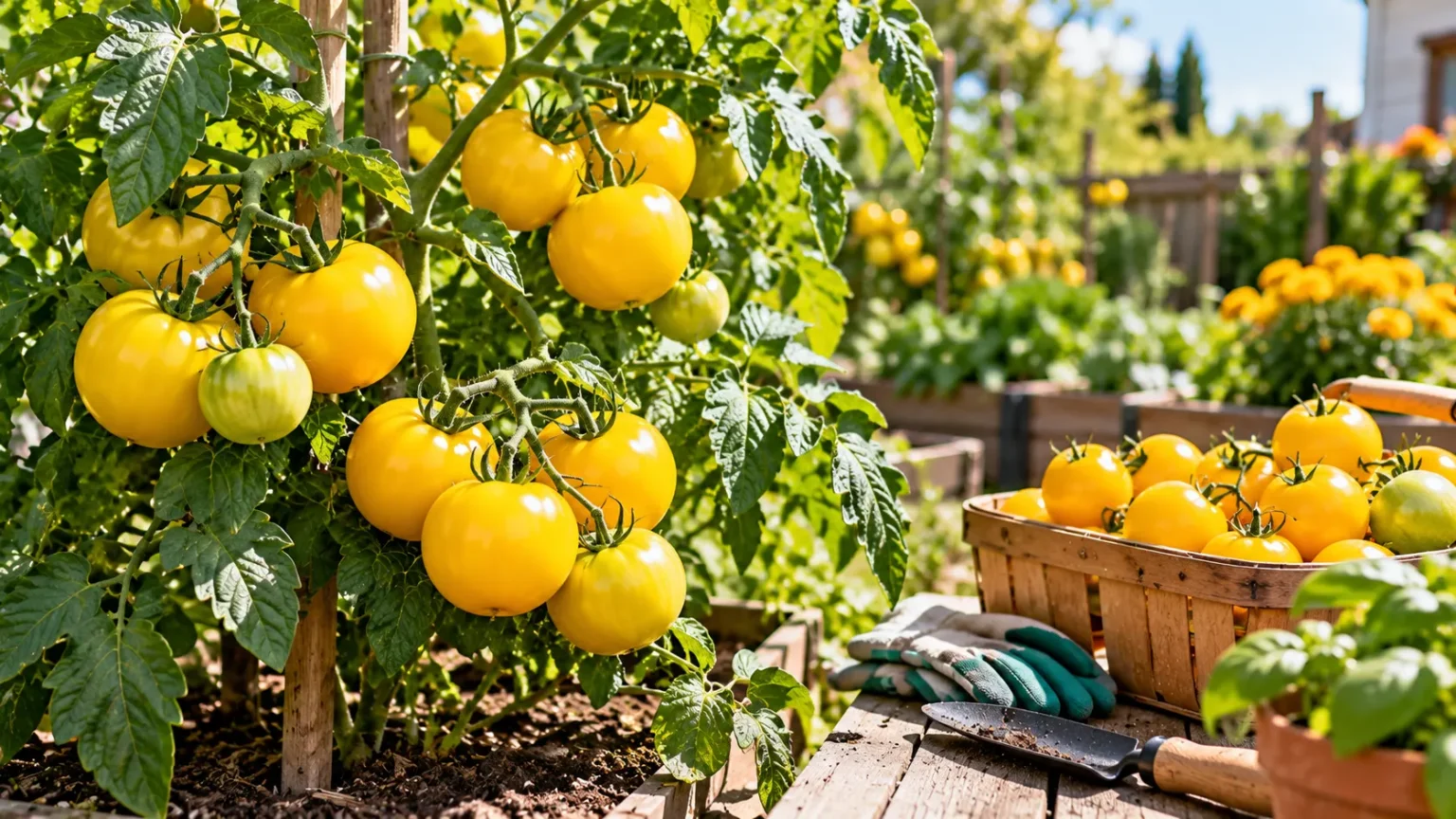
Yellow Tomatoes: Care, Growing Tips and Varieties
Yellow tomatoes are beautiful, flavorful vegetables that bring a bright golden appearance to home gardens and everyday meals. Unlike traditional red tomatoes, these varieties develop shades ranging from pale yellow to rich golden orange. Many gardeners enjoy growing yellow tomatoes because of their attractive colors, interesting flavors, and diverse fruit sizes. With suitable growing conditions, they can become productive additions to vegetable gardens.
Growing yellow tomatoes is similar to cultivating other tomato varieties, but different plants may have specific requirements. Some produce small cherry tomatoes, while others develop large fruits suitable for slicing. Sunlight, soil quality, watering, and temperature all influence plant development. Understanding these factors helps beginners grow healthier plants and enjoy better harvests.
Whether you have a backyard vegetable garden, sunny balcony, or container growing area, yellow tomatoes offer several possibilities. Choosing the right variety is an important first step because plant sizes and growing habits differ. Proper planting and regular maintenance can support healthy fruit production. This guide explores yellow tomato varieties, essential care requirements, common growing problems, and practical harvesting tips.
What Are Yellow Tomatoes?
Yellow tomatoes are cultivated tomato varieties that produce yellow or golden-colored fruits when ripe. They belong to the same species, Solanum lycopersicum, as most familiar red garden tomatoes. Their distinctive appearance results from differences in the pigments present in the fruit. These natural variations create a wide range of colors and flavors.
Some yellow tomatoes have a mild, sweet flavor, while others offer a more balanced combination of sweetness and acidity. Their taste depends on the particular variety, ripeness, and growing conditions. Yellow tomatoes are not necessarily less acidic than red tomatoes. Differences in sugar content and flavor balance can influence how acidic they seem.
Yellow tomatoes are available in cherry, pear-shaped, medium-sized, and large slicing varieties. This diversity makes them suitable for salads, sandwiches, sauces, and fresh snacking. Plants may also have different growth habits, including determinate and indeterminate forms. Understanding these differences helps gardeners choose varieties that fit their available space.
Popular Yellow Tomato Varieties to Grow
Yellow Pear is a recognizable variety that produces small, pear-shaped yellow fruits. Its distinctive appearance makes it attractive in vegetable gardens and mixed tomato displays. The plant generally has an indeterminate growth habit and can become vigorous under suitable conditions. Proper support helps manage its expanding stems and developing fruit clusters.
Sungold is another popular variety, known for its small golden-orange cherry tomatoes and sweet flavor. It is commonly grown for fresh eating and garden snacking. Sungold plants are vigorous and typically require sturdy support throughout the growing season. Their productive growth makes them appealing to gardeners with adequate space.
Lemon Boy and Golden Jubilee offer alternatives for gardeners who prefer larger fruits. Lemon Boy produces attractive yellow tomatoes commonly used for slicing and fresh meals. Golden Jubilee develops golden-orange fruits with a mild, pleasant flavor. Comparing fruit size, maturity time, disease resistance, and growth habits helps identify the most suitable variety.
Best Growing Conditions for Yellow Tomatoes
Yellow tomatoes generally grow best in locations receiving full sunlight. Most tomato varieties benefit from at least six to eight hours of direct sunlight daily, with longer exposure often supporting strong growth. Insufficient light can reduce flowering and fruit production. Choosing a sunny location is therefore an important first step.
Temperature also influences tomato growth and flowering. Tomatoes are warm-season plants that can suffer damage from frost and prolonged cold conditions. Extremely high temperatures may interfere with pollination and fruit development. Gardeners should consider local seasonal conditions when deciding when to plant.
Air circulation and drainage are equally important for healthy tomato plants. Overcrowded plants may retain moisture around their leaves, encouraging certain diseases. Well-draining soil helps protect roots from prolonged saturation. Selecting a suitable location with adequate spacing can reduce common growing problems and support more consistent development.
How to Plant Yellow Tomatoes From Seeds
Growing yellow tomatoes from seeds allows gardeners to explore varieties that may not be available as nursery plants. Start with suitable seeds, clean containers, and a quality seed-starting mixture. Tomato seeds generally germinate best under consistently warm conditions. Keeping the growing medium lightly moist supports early development without waterlogging.
Seeds are commonly started indoors several weeks before the expected outdoor planting period. Plant them at the depth recommended on the seed packet and maintain suitable warmth. Once seedlings emerge, provide strong light to prevent weak, stretched growth. Good air circulation also helps support healthier young plants.
Seedlings should gradually become accustomed to outdoor conditions before transplanting. This process, known as hardening off, helps plants adjust to sunlight, wind, and temperature changes. Begin with limited outdoor exposure and increase it gradually under suitable weather conditions. Healthy seedlings are better prepared for successful establishment in the garden.
How to Transplant Yellow Tomato Seedlings
Transplanting should take place after frost danger has passed and outdoor conditions are suitable for warm-season vegetables. Choose healthy seedlings with sturdy stems and well-developed leaves. Prepare the planting area with loose, well-draining soil. Appropriate timing reduces stress and helps plants establish more successfully.
Tomato seedlings can develop additional roots along portions of their buried stems. This characteristic allows gardeners to plant suitable seedlings somewhat deeper than they grew in their original containers. Remove lower leaves when necessary to prevent them from being buried. Avoid damaging the main stem or root system during planting.
Water the planting area after transplanting to help settle soil around the roots. Support structures can also be installed early to avoid disturbing established roots later. Follow spacing recommendations for the selected variety. Providing sufficient room for growth helps improve airflow and makes future maintenance easier.
Best Soil and Fertilizer for Yellow Tomatoes
Yellow tomatoes generally prefer fertile, well-draining soil with adequate organic matter. A slightly acidic soil pH, commonly around 6.0 to 6.8, supports healthy tomato growth. Soil testing can help identify nutrient deficiencies or unsuitable pH levels. Improving soil conditions before planting often produces better results than correcting serious problems later.
Compost can help improve soil structure and support moisture management when incorporated appropriately. However, compost quality and nutrient content vary between products. Excessive amounts of fertilizer may encourage leafy growth without improving fruit production. Balanced nutrition is more useful than applying large quantities of plant food.
Fertilizer requirements depend on existing soil nutrients and the plant’s growth stage. Tomatoes require nitrogen, phosphorus, potassium, and several additional nutrients for healthy development. Following soil test recommendations can reduce unnecessary applications. Avoiding excessive nitrogen is particularly important because it may encourage vigorous foliage at the expense of fruiting.
How Often Should You Water Yellow Tomatoes?
Consistent watering is essential for healthy yellow tomato plants because irregular moisture can affect growth and fruit quality. Tomatoes generally benefit from deep watering that reaches the root zone. The exact frequency depends on rainfall, temperature, soil type, and plant size. Fixed daily schedules may not suit every growing environment.
Garden tomatoes often need approximately one to two inches of water weekly from rainfall and irrigation, although conditions can change their requirements. Container-grown plants may dry more quickly than plants growing directly in garden soil. Checking moisture beneath the soil surface helps guide watering decisions. Avoid allowing roots to remain continuously waterlogged.
Watering near the base of the plant can help limit unnecessary leaf wetness. Mulch may also reduce evaporation and maintain more consistent soil moisture. Sudden changes between very dry and excessively wet conditions can contribute to fruit problems. Maintaining even moisture is more important than watering frequently without checking the soil.
Pruning and Supporting Yellow Tomato Plants
Yellow tomato plants may require support depending on their variety and mature size. Indeterminate plants continue producing new growth and flowers over an extended period under suitable conditions. These varieties often benefit from sturdy stakes, cages, or trellises. Supporting stems helps manage their growth and keeps fruits away from the soil.
Pruning can improve airflow and make certain tomato plants easier to maintain. However, not every variety requires the same amount of pruning. Determinate tomatoes usually need less removal of healthy growth because their fruiting pattern differs. Excessive pruning may reduce productive foliage or expose fruit to strong sunlight.
Remove clearly damaged or diseased leaves using clean tools when appropriate. Avoid removing large amounts of healthy foliage without a specific reason. Leaves support photosynthesis and provide some protection against intense sunlight. Understanding the growth habit of your chosen variety helps determine the most suitable maintenance approach.
Common Yellow Tomato Growing Problems
Yellow tomato plants can experience many of the same problems as red tomato varieties. Common concerns include leaf diseases, insect pests, blossom-end rot, and fruit cracking. Environmental stress may also affect flowering and fruit production. Identifying the underlying cause is important before making changes to the growing routine.
Blossom-end rot produces a dark, sunken area near the bottom of developing tomatoes. It is associated with insufficient calcium reaching the fruit, often because of inconsistent soil moisture or other growing conditions. Adding calcium is not always the solution when soil already contains enough. More consistent watering can help prevent recurring problems.
Pests such as aphids, whiteflies, and tomato hornworms may damage foliage or interfere with growth. Regular inspection helps gardeners notice problems before infestations become severe. Good spacing, clean gardening practices, and appropriate pest management can support plant health. Any treatment should be suitable for edible crops and used according to its safety instructions.
How to Grow Yellow Tomatoes in Containers
Growing yellow tomatoes in containers is a practical option for gardeners with limited outdoor space. Balconies, patios, and sunny courtyards can provide suitable environments when light conditions are adequate. Compact or determinate varieties are often easier to manage in containers. However, larger plants can also grow successfully with sufficient space and support.
Choose a container large enough to accommodate the selected variety’s root system. Many full-sized tomato plants benefit from containers holding at least five gallons, with larger sizes often providing better moisture stability. Drainage openings are essential to prevent water accumulation. Quality potting mix generally works better in containers than compacted garden soil.
Container tomatoes need regular monitoring because their growing medium can dry quickly during warm weather. Nutrients may also require attention as plants grow and produce fruit. Sturdy supports help prevent stems from bending under fruit weight. With suitable care, container gardens can produce attractive yellow tomato harvests.
When and How to Harvest Yellow Tomatoes
Yellow tomatoes are generally ready to harvest when they reach the mature color expected for their variety. Some become bright lemon yellow, while others develop golden or orange-yellow tones. Color alone may not always indicate complete ripeness. A mature tomato usually also develops an appropriate texture and characteristic appearance.
Harvesting gently helps protect both the fruit and the plant. Ripe tomatoes can often be detached with careful handling, while stubborn stems may require clean garden scissors. Avoid pulling forcefully on fruit clusters because branches can break. Regular harvesting also makes it easier to monitor fruit quality and identify damaged tomatoes.
Fresh yellow tomatoes are useful for salads, sandwiches, vegetable bowls, and simple sauces. Fully ripe tomatoes often provide their best flavor when used promptly. Store them appropriately to preserve quality and avoid unnecessary damage. If preserving tomatoes through canning, follow tested food safety recipes rather than assuming yellow varieties require less acidity.
Conclusion
Yellow tomatoes are attractive garden vegetables that offer diverse flavors, colors, and growing habits. Popular varieties such as Yellow Pear, Sungold, Lemon Boy, and Golden Jubilee provide options for different preferences. Their cultivation requirements are broadly similar to those of traditional tomatoes. Choosing the right variety and growing location helps establish a strong foundation.
Successful yellow tomato care depends on adequate sunlight, well-draining soil, consistent watering, and suitable nutrition. Proper spacing and support also help maintain healthier plants throughout the growing season. Monitoring for pests, diseases, and moisture-related problems can prevent unnecessary damage. Understanding these basic requirements makes gardening more manageable for beginners.
Growing yellow tomatoes can be a rewarding experience whether you use garden beds or suitable containers. Start with a variety that matches your space and local climate, then adjust care according to plant development. Regular observation and careful harvesting help improve results. With patience and appropriate growing conditions, yellow tomatoes can become a colorful addition to your home garden.
Frequently Asked Questions (FAQs)
Are Yellow Tomatoes Different From Red Tomatoes?
Yellow and red tomatoes belong to the same commonly cultivated tomato species but differ in fruit pigments and variety characteristics. Their sweetness, acidity, size, and texture depend on the particular cultivar.
How Much Sunlight Do Yellow Tomatoes Need?
Yellow tomatoes generally prefer full sun, ideally receiving at least six to eight hours of direct sunlight daily. Adequate light supports healthy growth, flowering, and fruit development.
How Often Should I Water Yellow Tomato Plants?
Water according to soil moisture, temperature, rainfall, and container size. Keep moisture reasonably consistent, water deeply when needed, and avoid leaving the root zone continuously saturated.
What Are the Best Yellow Tomato Varieties for Beginners?
Yellow Pear, Sungold, Lemon Boy, and Golden Jubilee are popular choices. The most suitable variety depends on available space, growing conditions, fruit preferences, and the plant’s mature size.
Can Yellow Tomatoes Grow in Pots?
Yes, yellow tomatoes can grow successfully in containers with adequate drainage, sunlight, soil, and support. Compact varieties are particularly convenient, while larger plants benefit from spacious containers and regular care.