
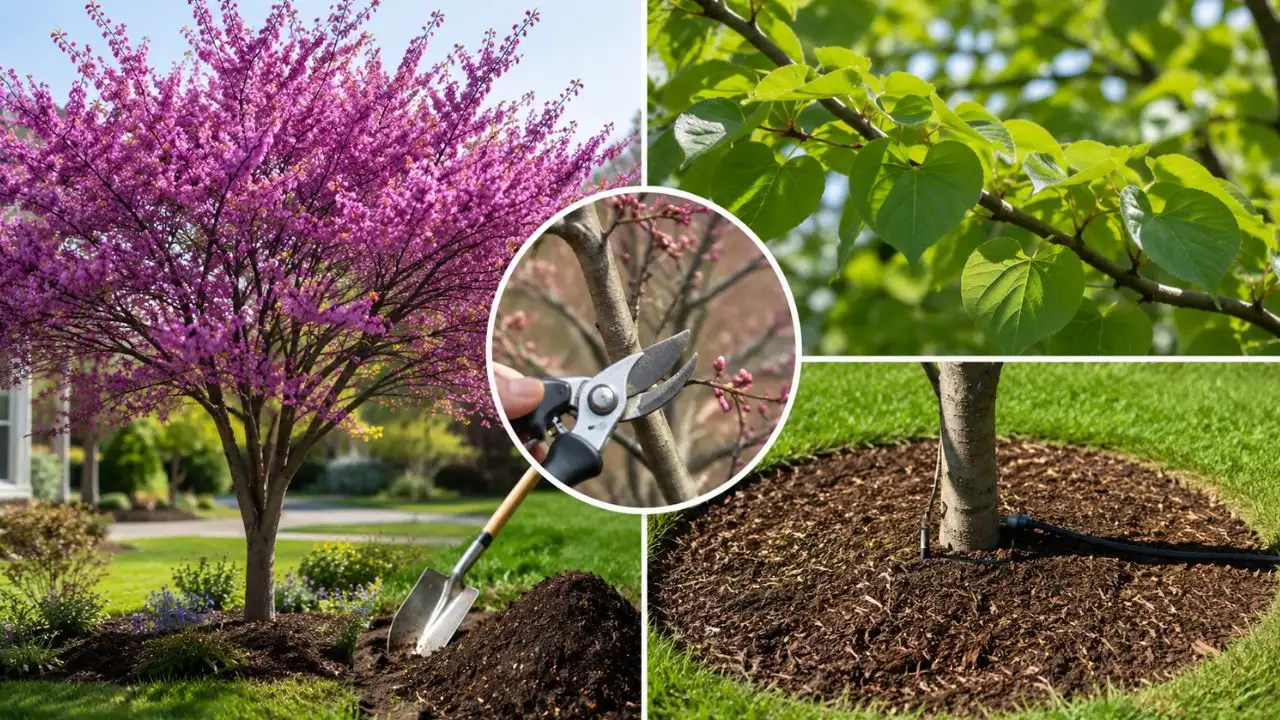
Introduction to Redbud Trees
Redbud trees are a stunning addition to any landscape, celebrated for their striking spring blossoms and heart-shaped leaves. With vibrant pink or purple flowers that emerge before the foliage, these trees bring a burst of color when other plants are still waking from winter’s slumber. Not only do they enhance your garden’s beauty, but redbuds also attract pollinators like bees and butterflies, creating a lively ecosystem right in your backyard.
Whether you’re an experienced gardener or just starting out, caring for a redbud tree can be incredibly rewarding. Understanding how to nurture this lovely specimen will ensure it thrives throughout the seasons. Let’s delve into essential care tips that will help your redbud flourish year-round!
Climate and Growing Zone
Redbud trees thrive in a range of climates, making them versatile additions to many gardens. They flourish best in USDA hardiness zones 4 through 9. This adaptability allows them to withstand both cold winters and warmer summers.
In cooler regions, the redbud tree will bloom later in spring, ensuring that frost doesn’t damage those beautiful flowers. Meanwhile, warmer areas enjoy earlier blooms, creating vibrant landscapes as winter fades away.
The key is understanding your local climate conditions. Factors like soil quality and sunlight exposure play significant roles in their growth. Redbuds prefer well-drained soils with ample sunlight but can tolerate some shade.
Planting these trees where they can bask in morning sun while avoiding harsh afternoon rays often yields the best results. Knowing your growing zone empowers you to provide the optimal environment for this stunning ornamental tree.
Planting a Redbud Tree
Planting a Redbud tree can transform your landscape with vibrant colors. Start by selecting the right spot in your yard. These trees thrive in well-drained soil and need ample sunlight, so aim for a location that receives at least six hours of direct light each day.
Dig a hole about two to three times wider than the root ball but no deeper than its height. This encourages healthy root development while preventing waterlogging around the roots.
Place your Redbud gently in the center of the hole, ensuring it sits level with the surrounding soil. Backfill carefully, packing down lightly to eliminate air pockets.
Water thoroughly after planting to help establish strong roots quickly. A layer of mulch around the base will retain moisture and suppress weeds, supporting optimal growth as your new tree begins its journey upward.
Proper Watering Techniques
Watering a Redbud tree requires attention to detail. It’s essential to keep the soil consistently moist, especially during its early years. Aim for deep watering rather than frequent shallow sprinklings.
Use a soaker hose or drip irrigation system to deliver water directly to the roots. This method minimizes evaporation and ensures that moisture penetrates deeply into the soil.
Check the top inch of soil before watering. If it feels dry, it’s time for another drink. However, avoid overwatering; soggy roots can lead to root rot and other issues.
During hot summer months, be vigilant about your tree’s hydration needs. A mulch layer around the base helps retain moisture while also suppressing weeds.
Adjust your watering schedule with seasonal changes in temperature and rainfall patterns. Your Redbud will thrive when you tune into its specific requirements throughout the year.
Fertilizing and Pruning Tips
Fertilizing your Redbud tree is crucial for promoting vibrant growth. Use a balanced, slow-release fertilizer in early spring. This provides essential nutrients as new leaves emerge.
When applying, follow the recommended dosage on the label to avoid over-fertilization. Too much can harm your tree rather than help it flourish.
Pruning should be done just after flowering ends. This helps maintain its shape and encourages robust branching. Focus on removing any dead or crossing branches to improve air circulation.
Use clean, sharp pruning shears for precise cuts. Aim for angling your cuts slightly away from the trunk to prevent water accumulation that could invite disease.
Regular maintenance will ensure your Redbud remains healthy and aesthetically pleasing throughout the seasons. Watch closely during these tasks; small adjustments can make a big difference in its overall well-being.
Common Pests and Diseases to Watch Out For
Redbud trees, while generally resilient, can fall victim to various pests and diseases. One common threat is the leafcutter bee, which creates distinct circular cuts in leaves. While they rarely cause serious harm, their activity can be alarming.
Scale insects are another concern. They attach themselves to stems and branches, sucking sap from the tree. This can lead to yellowing leaves or stunted growth if not managed properly.
Fungal infections like powdery mildew may also affect redbuds, particularly in humid conditions. Look for a white powdery substance on leaves as a telltale sign of this issue.
Root rot can occur if your tree sits in waterlogged soil. Ensure proper drainage around the roots to prevent this condition from developing and harming your redbud’s vitality. Regular inspections will help you catch these problems early before they escalate into larger issues.
Winter Care for Redbud Trees
As winter approaches, redbud trees require specific care to thrive through the cold months. Mulching around the base is essential. A layer of organic mulch helps insulate roots and retains moisture.
Monitor soil moisture during winter. While redbuds need less water in colder temperatures, too much dryness can harm them. Watering should be done on warmer days if the ground isn’t frozen.
Pruning should wait until late winter or early spring when trees are still dormant but before new growth begins. This timing minimizes stress and encourages healthy blooming.
Protection from harsh winds is vital for young saplings. Consider wrapping trunks with burlap or using windbreaks to shield them from damage.
Keep an eye out for heavy snow cover on branches, which can lead to breakage. Gently brush off excessive snow when safe to do so, ensuring your tree maintains its shape and health heading into springtime blooms.
Conclusion
Growing a Redbud tree can be an incredibly rewarding experience. With their stunning blossoms in spring and heart-shaped leaves, they add beauty to any landscape. By following the care tips outlined above, you can ensure that your Redbud remains healthy and vibrant throughout the year.
Understanding their climate needs is essential for successful growth. Proper planting techniques set the foundation for strong roots, while consistent watering and fertilizing promote lush foliage and blooming flowers. Regular pruning helps maintain shape and encourages better air circulation.
Keeping an eye out for pests or diseases will prevent small issues from becoming major problems. Especially during winter months, proper care ensures your tree survives harsh conditions.
With a little effort and attention, your Redbud tree will thrive season after season, bringing joy to you and those who admire its beauty. Embrace these strategies to nurture one of nature’s most charming trees right in your own backyard!