
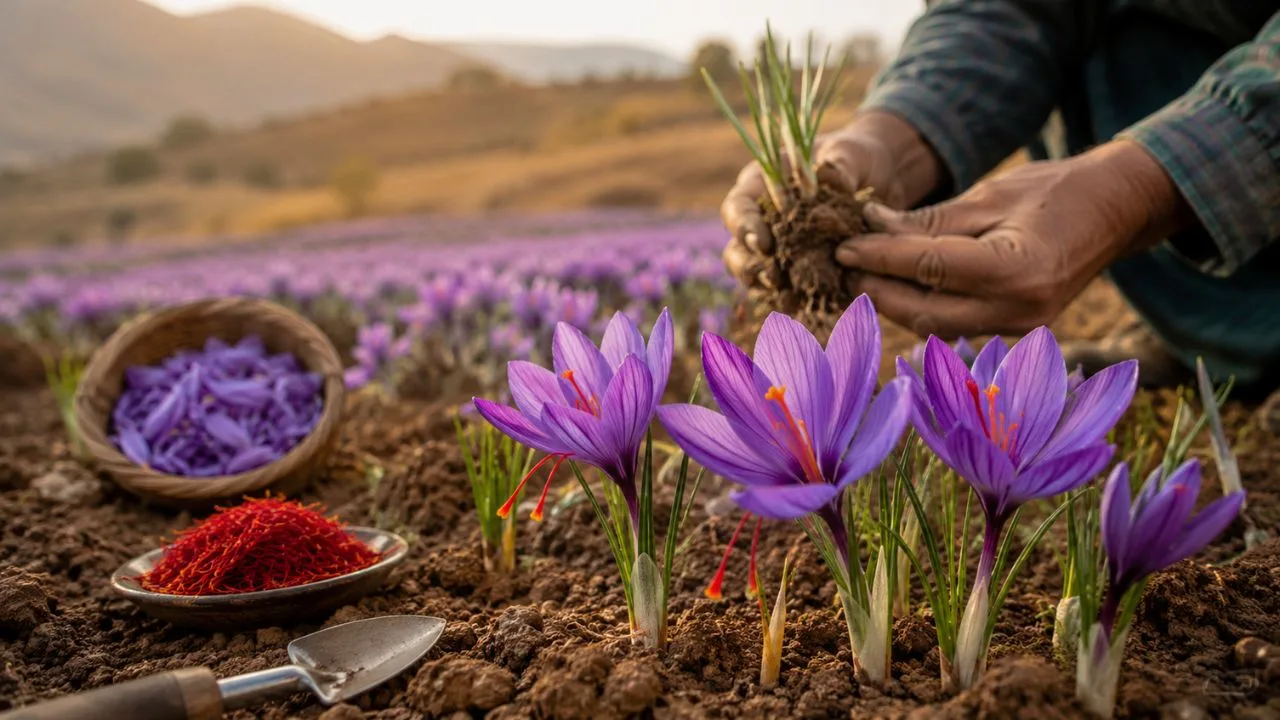
Introduction to Saffron Flowers
Saffron flowers are more than just a stunning addition to your garden; they’re the source of one of the world’s most prized spices. With their delicate purple petals and vibrant orange stigmas, saffron flowers offer both beauty and culinary delight. However, growing these blossoms successfully requires some knowledge and care.
Whether you’re an experienced gardener or just starting out, understanding how to cultivate saffron can lead to a rewarding experience. Imagine stepping into your garden to find those radiant blooms flourishing under your watchful eye. In this guide, we’ll explore essential tips for nurturing saffron flowers so you can enjoy bigger, healthier blooms year after year!
Understanding the Growing Conditions for Saffron Flowers
Saffron flowers thrive in specific conditions that mimic their native habitats. They prefer well-drained soil, rich in organic matter. A sandy or loamy mix works best to prevent waterlogging.
These flowers flourish under a Mediterranean climate. Warm summers and cool winters create the ideal environment for growth. The saffron crocus needs a chilling period during winter, which helps trigger blooming.
Moisture levels are crucial as well. While saffron is drought-tolerant, consistent watering during its growing season can promote healthier blooms. However, it’s essential to avoid overwatering; too much moisture can lead to bulb rot.
Choosing the right planting time is equally important. Early autumn is optimal for planting saffron corms, allowing them to establish roots before colder weather sets in.
Understanding these conditions paves the way for vibrant and bountiful saffron flowers from your garden!
The Importance of Soil and Watering for Saffron Flowers
Soil quality plays a crucial role in the health of saffron flowers. They thrive best in well-draining soil rich in organic matter. A loamy texture helps prevent waterlogging, which can lead to bulb rot.
When it comes to watering, moderation is key. Saffron flowers prefer dry conditions after flowering. During their growing season, provide consistent moisture without soaking the bulbs. Aim for deep watering once or twice a week.
Testing your soil pH is also essential; saffron flowers flourish between 6 and 8 on the pH scale. Amending your soil with compost can enhance its nutrient profile, promoting vibrant blooms.
Keep an eye out for overwatering signs like yellowing leaves or stunted growth—both indicate that adjustments are necessary for successful cultivation of these delicate yet resilient plants.
Tips for Proper Sunlight and Temperature for Saffron Flowers
Saffron flowers thrive in environments that mimic their native habitats. They prefer full sunlight for at least six hours each day. This exposure is crucial for promoting healthy growth and vibrant blooms.
Temperature control is equally important. Saffron bulbs enjoy cool to moderate temperatures during their growing season, typically between 60°F and 70°F. Extreme heat can stress the plants, leading to poor flowering.
During dormancy, when the foliage dies back, saffron can tolerate cooler conditions. However, avoid frost or prolonged cold spells which might damage the corms underground.
If you’re planting them in a garden setting, choose a location that receives ample morning sun but offers some afternoon shade on particularly hot days. This balance will support robust flower development while protecting your precious saffron from potential wilting under harsh midday rays.
Fertilization Techniques for Bigger Blooms
Fertilization plays a crucial role in achieving bigger and more vibrant saffron blooms. For optimal results, choose a balanced fertilizer with equal parts nitrogen, phosphorus, and potassium.
Apply this blend during the active growing season. A light feeding every few weeks can make a significant difference.
Organic options like compost or well-rotted manure are excellent for enriching the soil without overwhelming your plants. They provide essential nutrients while improving soil structure.
Timing is key; avoid fertilizing right before bulb dormancy as it may hinder growth. Instead, focus on early spring when the saffron flowers begin to emerge.
Remember to monitor your plants closely after fertilization. Look for signs of nutrient deficiencies or excesses—adjust accordingly to keep your blossoms healthy and strong.
Protecting Your Saffron Flowers from Pests and Diseases
Saffron flowers, while beautiful and valuable, can attract unwanted pests. Early detection is key to keeping your plants healthy.
Regularly inspect the foliage for any signs of insects or disease. Aphids and spider mites are common culprits that can weaken your saffron blooms. A gentle spray of water can dislodge these pests without harming your flowers.
Fungal diseases often thrive in damp conditions. Ensure proper air circulation around the plants by spacing them adequately. Avoid overhead watering to reduce moisture on leaves.
Natural remedies like neem oil are effective against many pests and won’t harm beneficial insects. Spraying this solution weekly can create a protective barrier for your saffron flowers.
Stay vigilant about weeds too; they compete for nutrients and harbor pests. Regular weeding will promote healthier growth, allowing your saffron flowers to flourish unimpeded by threats from their surroundings.
Harvesting and Storing Your Saffron Flowers for Optimal Results
Harvesting saffron flowers is a delicate process that requires timing and care. The best time to pick the blossoms is early in the morning, just as they begin to open. This ensures that you capture their vibrant color and rich aroma.
Gently pluck each flower, taking special care not to damage the plant or surrounding buds. The prized saffron threads are found within the stigma of each bloom. Use clean scissors or your fingers to trim them carefully.
Once harvested, it’s crucial to dry the saffron strands properly. Spread them out on a paper towel in a cool, dark place with good air circulation for about 3-4 hours.
For long-term storage, keep dried saffron in an airtight container away from light and moisture. A small glass jar works wonders for preserving flavor and potency while ensuring freshness lasts longer than any spice rack can offer.
Conclusion: The Joy of
The joy of cultivating saffron flowers goes beyond just their beauty. It’s about nurturing a plant that has been cherished for centuries, known not only for its vibrant color but also for its unique flavor and health benefits. Watching your saffron bloom with rich purples and reds is rewarding.
Caring for these delicate flowers involves understanding their specific needs— from soil conditions to the right amount of sunlight. Each step in the process brings you closer to achieving a bountiful harvest. With patience and dedication, you can enjoy the fruits of your labor.
Harvesting your saffron comes with its own satisfaction, turning hard work into something tangible and valuable. Whether you use it in cooking or as a natural remedy, each thread represents all the effort invested in growing them.
Embrace this journey as an opportunity to connect with nature while bringing home one of life’s most luxurious spices. The experience will leave you enriched long after your blooms have faded away.