
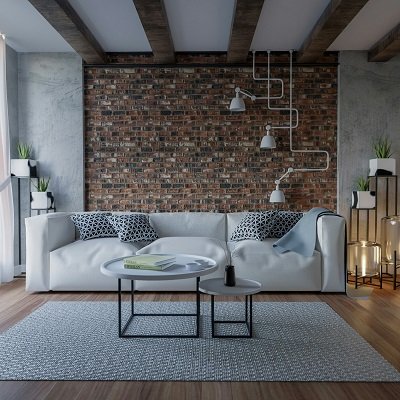
An accent wall, often referred to as a feature wall, is a single wall within a room that is painted or decorated in a way that differs from the other walls of the space. This artistic element serves a critical role in modern interior design by adding a distinctive focal point that enhances the overall aesthetic appeal of a room. The choice of color, pattern, or texture on an accent wall allows homeowners and designers to express their personal style while simultaneously making a statement in the room.
One of the primary benefits of incorporating an accent wall into interior spaces is its ability to create visual interest. In a room where most walls are painted in neutral tones, a strikingly bold or uniquely textured wall can draw the eye, making the entire space feel more dynamic and engaging. This aspect is particularly beneficial in open floor plans or larger spaces where visual separation and distinct area definition are needed.
Furthermore, an accent wall can serve as a powerful focal point in a room. It can effectively highlight important design elements, such as artwork, furniture arrangements, or architectural features. By directing attention towards the accent wall, interior designers can create a sense of harmony and balance, allowing the selected wall to seamlessly integrate into the room’s overall design narrative.
In summary, accent walls play a crucial role in modern interior design by enhancing aesthetics, creating visual interest, and establishing focal points. Whether through bold colors or unique textures, they provide a versatile and impactful way to transform living spaces, making them more inviting and stylish.
Choosing the Right Room for an Accent Wall
When contemplating the design of an accent wall, selecting the appropriate room is essential to achieving a harmonious interior. Several factors should be considered, including the room size, the amount of natural light available, and the existing decor, all of which significantly influence the overall aesthetic and functionality of the space.
The living room is often regarded as one of the best candidates for an accent wall. This is a central gathering space, where bold colors or striking patterns can create a focal point that enhances social interaction. A larger living room can accommodate a more dramatic accent wall, whereas smaller spaces may benefit from subtler designs that augment the existing color palette without overwhelming the area.
In the bedroom, an accent wall can serve as a serene backdrop that adds character and warmth. Typically, the wall behind the bed is the prime location for an accent feature, utilizing colors or textures that evoke relaxation. Consideration should be given to the room’s color scheme, as the chosen accent wall should complement and not clash with existing hues.
Home offices, too, can significantly benefit from the addition of an accent wall. A thoughtfully designed accent wall can inspire creativity and enhance productivity. When furnishing a workspace, it is crucial to assess how much natural light enters the room, as this can impact the perception of colors and materials used. Lighter shades can help brighten darker areas, while darker tones can create a cozy, intimate environment in well-lit spaces.
Ultimately, the best accent wall is one that reflects both the purpose of the room and the personal style of its occupants. Careful consideration of these factors will ensure that the accent wall serves as a visually appealing addition that enriches the interior of any modern home.
Color Choices for a Striking Accent Wall
Choosing the right color for an accent wall is essential to achieving the desired impact in modern interiors. It is crucial to consider both the existing color palette of the room and the psychological effects that various colors can evoke. A well-chosen accent wall can serve as a focal point, enriching the overall atmosphere while maintaining harmony with the rest of the decor.
Neutral colors such as greys, whites, and beiges can create a subtle yet sophisticated look. These shades work particularly well in rooms where other vibrant colors are present, allowing them to shine without overwhelming the space. For a more dramatic effect, deeper hues such as navy blue or forest green can be striking choices. These colors often evoke feelings of tranquility and stability, making them suitable for areas meant for relaxation, such as living rooms or bedrooms.
On the contrary, bold colors like red, orange, or vivid yellow can infuse energy into a space. Utilizing these vibrant tones as accent walls can stimulate conversation and excitement, making them ideal for social areas like kitchens or dining rooms. When considering strong colors, it may be beneficial to balance them with softer or neutral furnishings to avoid visual fatigue.
Additionally, different textures and finishes can influence how colors are perceived. Glossy paints can reflect light, making smaller rooms appear larger, while matte finishes offer a more subdued effect. Furthermore, the lighting in a room can significantly alter the appearance of colors throughout the day, so it is advisable to test samples in various light conditions before making a final decision.
In essence, selecting the right color for an accent wall requires a careful evaluation of the existing decor, the intended mood of the room, and the psychological implications of various hues. By choosing colors that either complement or contrast thoughtfully with the overall design, one can successfully create a visually appealing and harmonious interior.
Materials and Textures for Accent Walls
Accent walls serve as a focal point in modern interiors, bringing depth and character to a room. The choice of materials used for these walls can significantly impact the aesthetic appeal and functionality of the space. Various options include paint, wallpaper, wood paneling, stone, and metal, each offering unique benefits and styles.
Paint is one of the most common materials for accent walls due to its versatility and affordability. Available in countless colors and finishes, paint allows for easy updates to match evolving trends or personal tastes. While choosing paint, it’s crucial to select high-quality, durable formulations that withstand wear and tear, particularly in high-traffic areas.
Wallpaper has seen a resurgence in popularity, offering intricate patterns and textures that can enhance any room’s style. Modern wallpapers are often peel-and-stick, making them simple to install and remove, which is ideal for those who enjoy changing their decor frequently. To maintain wallpaper, gentle cleaning is recommended, ensuring it remains vibrant over time.
Wood paneling adds warmth and richness to an interior. Available in various styles—ranging from rustic to contemporary—wood can dramatically alter the atmosphere of a room. Proper installation requires attention to both the underlying structure and the finish of the wood to ensure longevity. Regular maintenance involves dusting and periodic treatment to prevent warping.
Stone accent walls introduce a sense of earthy elegance, perfect for modern interiors craving natural elements. Stone can be quite durable, though it may require professional installation. Maintenance typically involves occasional cleaning and checking for any signs of damage due to moisture or temperature changes.
Lastly, metal accent walls offer a sleek, industrial look that can be striking against more traditional materials. Metals such as steel or aluminum can be used in sheets or panels, creating a bold statement. However, care must be taken to prevent corrosion, particularly in humid environments.
Patterns and Designs: Creativity in Accent Walls
Accent walls have become an integral feature in modern interior design, allowing homeowners to express their personal tastes and add character to their living spaces. The potential for creativity in accent wall patterns and designs is virtually limitless, ranging from geometric shapes to intricate murals that capture attention and provoke thought.
Geometric patterns are particularly popular due to their striking visual impact. By utilizing bold shapes and contrasting colors, one can create a dynamic look that energizes a room. For instance, a series of triangles in various hues can establish a playful ambiance, making it ideal for a children’s room or a lively living area. Similarly, stripes, whether horizontal or vertical, can dramatically alter the perception of space, giving rooms a sense of height or width depending on the orientation.
Another creative avenue lies in the application of artistic murals. These large-scale artworks can transform a simple wall into a breathtaking focal point. The mural can depict anything from abstract designs to nature-inspired scenes such as forests or oceans, allowing residents to immerse themselves in a particular atmosphere. Furthermore, the use of decals or wall stickers can offer a less permanent yet equally impactful approach to mural-inspired designs, enabling homeowners to change their decor with the seasons or their evolving tastes.
In addition to paint and mural options, texture plays a crucial role in accent wall creation. Utilizing materials such as reclaimed wood, stone, or even textured wallpaper can foster a unique 3D effect, adding depth and interest to the wall. The juxtaposition of different materials can lead to a cohesive and stylish design that is both inviting and sophisticated.
Through clever combinations of patterns and designs, accent walls can serve as the perfect canvas for displaying creativity, making them an essential element of modern interior decor.
Lighting Considerations for Accent Walls
When designing an accent wall in a modern interior, the role of lighting cannot be understated. Strategic lighting choices can significantly enhance the aesthetic appeal of an accent wall, drawing attention to its unique features and textures. This section will explore various lighting options that can elevate the design impact of your chosen wall.
Natural light is one of the most effective ways to highlight an accent wall. When possible, position key pieces, like furniture or artwork, to take advantage of sunlight, which can reveal the true colors and patterns of the wall’s surface. However, for interiors lacking ample natural light, artificial lighting becomes essential to create the desired atmosphere.
There are primarily three types of artificial lighting to consider: ambient, task, and accent lighting. Ambient lighting provides overall illumination in the room and can influence the perception of the accent wall’s color. Task lighting, such as reading lamps or pendant lights, enables specific areas to be illuminated, which can indirectly draw focus to the wall. However, it is accent lighting that truly makes an accent wall stand out. This is where designers often employ sconces, spotlights, or LED strips to highlight textures and design features, adding depth and interest.
Adjustable lighting fixtures allow for flexibility; for instance, dimmers can change the mood of the space instantly. Additionally, color temperature plays a critical role. Warmer tones (around 2700K-3000K) create a cozy feel, while cooler tones (4000K and above) can make spaces appear more modern and spacious. By integrating these lighting considerations, homeowners can ensure that their accent walls not only serve as focal points but also harmonize beautifully with the overall design of the room.
Incorporating Accessories and Furnishings
An accent wall serves as a focal point in modern interiors, and its impact can be significantly enhanced by carefully selected accessories and furnishings. To cultivate a harmonious aesthetic, it is essential to consider how art, furniture, and decorative items align with the accent wall’s color, texture, and style.
When choosing artwork, opt for pieces that either complement the accent wall or create a visual dialogue with it. For instance, if the wall features a bold color, consider incorporating artwork with similar hues or contrasting colors to provide balance. Large-format prints can create a dramatic effect, while a series of smaller artworks can add depth and interest. Additionally, consider the frame finishes; these should harmonize with other elements in the space, such as furniture or lighting fixtures.
Furniture selection is equally critical in reinforcing the desired atmosphere. For modern interiors, minimalist furniture designs with clean lines can beautifully juxtapose a textured accent wall. If the accent wall is richly colored, stick to neutral or monochromatic furniture to avoid overwhelming the space. Conversely, if the wall is more subdued, adding a pop of color through upholstered pieces can create an inviting ambiance.
Incorporating decorative accessories such as vases, plants, or sculptures allows for personalization and leisure in the design process. When selecting these items, consider the overall color palette and design style of the space. Accessories can serve as conversation starters and further enrich the environment, so choose items that resonate with your personality. Remember, the objective is to curate a cohesive look that underscores the statement made by the accent wall while ensuring that all elements work synergistically together.
DIY Accent Wall Projects
Creating a visually striking accent wall can transform your space without overwhelming your budget. With a few simple DIY projects, you can express your creativity and enhance the ambiance of your modern interiors. Here are some budget-friendly ideas to help you get started.
One popular approach is to use paint or wallpaper. For a straightforward project, consider painting one wall in a bold hue or applying a patterned wallpaper. Before you begin, gather your tools: painter’s tape, brushes or rollers, drop cloths, and your chosen paint or wallpaper. Start by preparing the wall; clean the surface and patch any holes. Once ready, apply painter’s tape along the edges to ensure clean lines. If you’re painting, use a roller for larger areas and a brush for corners. Allow the first coat to dry thoroughly before adding additional coats if necessary. If using wallpaper, follow the manufacturer’s instructions closely for a smooth application.
Another engaging option is to create a wood accent wall. You can use reclaimed wood, plywood, or even strips of MDF to achieve a rustic look. Select your boards, cut them to size, and decide on the layout. A staggered pattern often looks appealing, but uniform rows can convey a modern aesthetic. Secure the wood to the wall using nails or adhesive, depending on the weight of the materials. After installation, consider staining or painting the wood for a more finished appearance.
Lastly, consider tile or stone accent walls for a chic, textured option. This project requires specific tools like a tile cutter, adhesive, and grout. Begin by planning your design and measuring the area. Apply the adhesive and set the tiles carefully, ensuring even spacing. Once the tiles are attached and the adhesive has dried, fill the grout lines and allow everything to cure. Each of these DIY accent wall projects will not only enhance your modern interiors but also provide a rewarding sense of accomplishment.
Conclusion: Embrace Your Style with Accent Walls
Throughout this post, we have explored various ideas and inspirations for incorporating accent walls into modern interiors. From bold color choices to intricate patterns and textures, accent walls serve as a focal point that can transform the ambiance of any room. They not only enhance the aesthetic appeal of your space but also reflect your personal taste and style, allowing for a unique interpretation of modern design.
Choosing the right accent wall involves consideration of your overall design concept, the function of the space, and the emotions you wish to evoke. Whether you opt for a striking wallpaper, a vibrant paint hue, or materials such as wood or stone, each option offers its own charm. It is important to remember that an accent wall should harmoniously blend with the existing decor, providing a sense of cohesion throughout your home. By carefully selecting patterns or colors that resonate with your personality, you create a personal sanctuary that celebrates comfort and creativity.
As you embark on your design journey, do not hesitate to express your individuality through your choice of accent wall. This element of interior design is not merely about aesthetics; it is about showcasing who you are and what you love. Embrace this opportunity to explore different materials, textures, and colors, and give life to your vision. Because ultimately, the ideal accent wall is not just a design element, but an expression of your personal narrative within a modern interior context.