
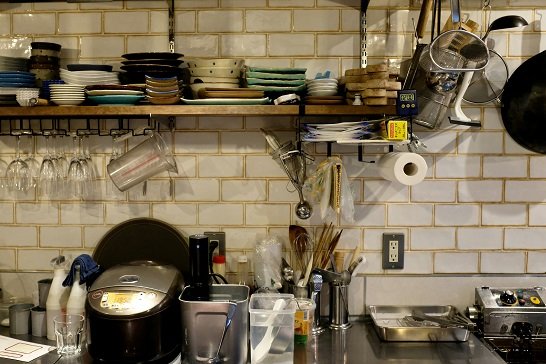
A well-organized kitchen plays a pivotal role in enhancing both functionality and aesthetics, making it a crucial aspect of any home. When a kitchen organization is free from clutter, not only does it become easier to navigate and work within, but it also significantly improves cooking efficiency. That efficiency stems from being able to quickly locate tools, utensils, and ingredients, which in turn leads to more enjoyable cooking experiences. Furthermore, an organized kitchen can save considerable time during meal preparation. By establishing designated areas for specific items, you can streamline your cooking process, reducing the hassle of searching for necessary equipment and ingredients. Consequently, this organization turns cooking into a more pleasant task rather than a stressful obligation.
Additionally, the aesthetic appeal of a tidy kitchen should not be underestimated. A well-organized space creates an inviting atmosphere that can encourage more frequent cooking and entertaining. The visual harmony of neatly arranged items is not just a feast for the eyes but also contributes to a sense of calm within the home.
Beyond practical benefits, the mental advantages of reducing clutter cannot be ignored. A clutter-free environment has shown to reduce stress levels, foster creativity, and enhance focus. This is particularly important in the kitchen, a space where many people spend considerable time preparing meals and gathering with family. By nurturing organization within the kitchen, you create a sanctuary that promotes well-being and efficiency.
In conclusion, kitchen organization is essential for increasing functionality, improving aesthetics, and supporting mental well-being. Investing the time and effort to optimize storage and reduce clutter can transform the kitchen experience, making it a more enjoyable and efficient space for everyone.
Creative Storage Solutions for Small Kitchens
Maximizing space in small kitchens can often feel like a daunting challenge; however, implementing creative storage solutions can significantly enhance both organization and functionality. One effective strategy is to utilize vertical storage ideas. By installing shelves that reach up to the ceiling, homeowners can capitalize on otherwise wasted space. Line the shelves with attractive baskets or jars to store dry goods, freeing up precious counter space and making it easier to find items.
Another area often overlooked for storage potential is under the sink. Employing a combination of tiered racks and pull-out drawers can allow easy access to cleaning supplies, while also ensuring that the area remains tidy. Consider using clear storage bins to keep items organized and visible, as this can make the retrieval of supplies effortless.
Additionally, using the insides of cabinet doors offers a fantastic opportunity for additional storage; magnetic strips can hold spices or small tools while hooks can accommodate measuring cups. This approach not only maximizes the available surface but also keeps items easily reachable when cooking.
Multi-functional furniture is also invaluable in small kitchens. Consider a kitchen island that doubles as a dining space, or storage ottomans that can house kitchen tools. Such options can reduce clutter, as they allow for various uses while conserving space. It’s also possible to incorporate cabinetry that features pull-out drawers or lazy Susans within it, making the most of every nook and cranny.
Finally, integrating shelving ideas can further help utilize unused wall space. Floating shelves can display cookbooks or decorative items, simultaneously reinforcing accessibility and aesthetic appeal. In summary, these creative storage solutions not only reduce clutter but also enhance the overall functionality and style of small kitchens.
Decluttering Strategies to Simplify Your Kitchen Space
A well-organized kitchen can significantly enhance functionality and create a more enjoyable cooking experience. Implementing effective decluttering strategies is essential for simplifying your kitchen space and reducing clutter. One highly effective method is the ‘one in, one out’ rule. This approach stipulates that for every new item brought into the kitchen, an old item must be removed. By adhering to this principle, you can maintain an equilibrium of kitchen items, ensuring that excess does not accumulate over time.
Furthermore, categorizing kitchen items by their frequency of use is vital for an efficient space. Start by organizing utensils, pots, and pans based on how often they are used. Frequently used items should be easily accessible, while those used less often can be stored in more remote locations. This strategic organization not only facilitates quick retrieval but also minimizes the overwhelming sensation of clutter.
Regularly reviewing your pantry and utensil inventory is another key component of kitchen decluttering. Schedule a periodic assessment, ideally every few months, to evaluate food items and tools. Discard expired products, donate duplicates, and consider whether you genuinely need each tool. This exercise encourages mindfulness regarding what you own and helps retain only functional and essential items.
To tackle kitchen clutter without feeling overwhelmed, break down the process into manageable tasks. For example, focus on one drawer or one shelf at a time. Take the time to clean and sort each area thoroughly. By pacing yourself, you’ll find the task less daunting while making noticeable improvements over time. Utilizing these decluttering strategies will contribute to a transformed kitchen environment, ultimately fostering a more organized and efficient cooking space.
Maintaining Your Kitchen Organization: Tips and Tricks
Ensuring a well-organized kitchen goes beyond the initial setup; it involves continuous maintenance to keep clutter at bay and promote efficiency in cooking and meal prep. One effective strategy is to establish a routine cleaning schedule. Allocate specific days each week for different tasks such as wiping down surfaces, reorganizing pantry items, and cleaning appliances. A consistent approach will help you stay on top of any mess and prevent the clutter from building up.
Periodic reassessments of your storage solutions are also essential. Consider reviewing your kitchen organization every few months to determine what is working and what needs adjustment. This can involve evaluating the functionality of various storage solutions, discarding items that are no longer needed, or upgrading your organizing tools to better fit your current needs. By regularly reassessing your setup, you can ensure that it continues to serve you effectively.
Developing habits that prevent clutter from accumulating is crucial for long-term kitchen organization. Simple practices, such as immediately washing dishes after use or storing ingredients right after ingredient prep, can significantly reduce the chances of clutter developing. Utilizing labels for bins and containers also promotes orderly storage by ensuring everyone knows where items belong. Clear labeling helps maintain consistency in organization, which is particularly beneficial in busy household kitchens.
Lastly, consider integrating technology into your organization routine. There are various apps available that can assist in planning meal prep, keeping track of pantry inventory, and even sending reminders for when to check or restock certain items. Embracing these digital solutions can streamline your maintenance efforts and provide an extra layer of support in keeping your kitchen tidy.