
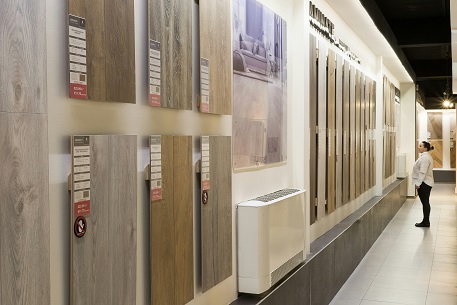
Introduction to Flooring Types
Choosing the right flooring options for your home is a crucial decision that influences not only the aesthetic appeal but also longevity and functionality. Today’s market offers a wide array of flooring options to suit diverse tastes and requirements, including hardwood, laminate, tile, carpet, and vinyl.
Hardwood flooring is a classic choice that adds warmth and elegance to any space. It is renowned for its structural integrity and can be sanded and refinished multiple times, which extends its lifespan. Additionally, hardwood is available in various species and finishes, allowing homeowners to personalize their interiors to match their style.
Laminate flooring, often seen as an affordable alternative to hardwood, mimics the appearance of wood or stone while providing greater durability against scratches, dents, and moisture. Laminate is easy to install, making it a favorite among DIY enthusiasts. Furthermore, its versatility allows it to work well in different rooms, such as living areas and kitchens.
Tile flooring is another widely popular option, celebrated for its water resistance, making it ideal for bathrooms and kitchens. Tiles come in an extensive range of colors, patterns, and sizes, providing ample design flexibility. Ceramic and porcelain tiles are exceptionally durable and easy to clean, contributing to their longstanding popularity.
Carpet, on the other hand, offers a cozy and comfortable feel underfoot. Available in numerous textures and colors, it is an excellent choice for bedrooms and living spaces where comfort is paramount. Modern advancements in carpet technology have led to improved stain resistance and easier maintenance.
Finally, vinyl flooring has gained traction in recent years due to its affordability and versatility. Vinyl is available in planks, tiles, or sheets, allowing for both traditional and contemporary looks. It is highly resilient, making it suitable for areas with heavy foot traffic, including kitchens and hallways.
Considerations Before Choosing Flooring
When selecting flooring for a home or commercial space, several important factors must be taken into account to ensure the material meets the specific needs of the environment. One of the primary considerations is durability. Different rooms experience varying levels of foot traffic and wear. For instance, entryways and hallways usually face more significant wear than bedrooms. Therefore, it is essential to select a flooring material that can withstand the expected foot traffic. Materials such as tile, hardwood, and luxury vinyl planks often prove to be highly durable options for such spaces.
Another crucial aspect is maintenance requirements. Some flooring materials necessitate regular maintenance to sustain their appearance and functionality over time. Hardwood, for example, requires periodic refinishing and careful cleaning to prevent scratching, while tile is typically low-maintenance but may require grout cleaning. Understanding how much upkeep a flooring option demands can significantly impact long-term satisfaction with the choice.
Comfort should also be carefully evaluated, particularly in rooms where individuals spend extended periods of time, such as living rooms or bedrooms. Some flooring types provide a comfortable feel underfoot, whereas others may be hard and cold. Carpeting offers warmth and cushioning, making it suitable for bedrooms, while materials like laminate or tile can feel firmer and colder during winter months but may offer more practicality in warmer climates.
Lastly, aesthetics play a vital role in flooring selection. The right flooring can enhance the overall design and ambiance of a room. Considering the existing color schemes, furniture styles, and architectural features will help in choosing a flooring type that harmoniously fits within the intended aesthetic. Collaborating these considerations can lead to a well-informed decision that balances functionality with style.
Hardwood Flooring: A Timeless Choice
Hardwood flooring is often celebrated for its classic appeal and enduring quality. With various species available, such as oak, maple, and cherry, it provides homeowners with a wide range of options to reflect their individual tastes and enhance interior aesthetics. One of the significant advantages of hardwood flooring is its longevity; when properly maintained, it can last for decades, adding value to a property.
Maintenance is essential to preserve the beauty of hardwood floors. Regular cleaning, using suitable products to avoid damage, and occasional refinishing can help maintain its luster over time. Homeowners should be aware that hardwood flooring is susceptible to scratches and dents, so it may not be the best choice for high-traffic areas or households with pets unless proper precautions are taken, such as using area rugs or protective pads on furniture.
Hardwood is versatile and can suit various room types. Common choices include living rooms, dining rooms, and bedrooms, as these areas benefit from hardwood’s rich visual appeal. However, it is typically not recommended for bathrooms or basements, where moisture can compromise the integrity of the wood. When considering hardwood flooring, one can choose between solid hardwood and engineered hardwood. Solid hardwood is thicker and can be sanded and refinished multiple times, whereas engineered hardwood offers enhanced resistance to humidity and temperature fluctuations.
Moreover, homeowners can select from various finishes and styles to match their home’s decor. Matte, semi-gloss, and high-gloss finishes provide different aesthetic outcomes, while distressed or hand-scraped styles add character. Overall, hardwood flooring remains a timeless choice that can adapt to diverse interior styles while emphasizing a sense of warmth and elegance throughout the home.
Tile Flooring: Versatility and Durability
Tile flooring has gained immense popularity due to its versatility and durability, making it an excellent choice for various interior spaces. Among the many types of tile flooring, ceramic and porcelain tiles are the most prominent. Ceramic tiles are known for their affordability and come in a wide range of colors, patterns, and textures, making them suitable for both aesthetic and functional applications.
Porcelain tiles, on the other hand, are a more refined option, often denser and less porous than their ceramic counterparts. This characteristic renders porcelain tiles ideally resistant to moisture, making them particularly suitable for high-humidity areas such as bathrooms and kitchens. Their robust nature also allows them to withstand heavy foot traffic, making them a favorite choice for commercial spaces.
One of the significant advantages of tile flooring is its ease of cleaning. Unlike some flooring options that may trap dust and allergens, tile surfaces can be effortlessly wiped down. Grout lines can be easily maintained to preserve the aesthetic appeal of the tile. Additionally, tile flooring is resistant to stains and spills, further enhancing its suitability for kitchens where food preparation occurs.
Due to their ability to retain heat, tile floors can also be combined with radiant heating systems, making them a comfortable choice even in colder climates. When considering tile flooring, it is essential to choose the type that best meets the specific needs of your space. Both ceramic and porcelain tiles offer a blend of functionality and style, ensuring that any room can benefit from their presence.
Carpet: Comfort and Warmth
Carpet flooring has long been favored for its unparalleled comfort and warmth, making it an ideal choice for a variety of rooms throughout the home. One of the primary appeals of carpet is its soft texture, which enhances the overall comfort of a space. This makes it particularly well-suited for bedrooms and living areas, where a cozy ambiance is desired. Furthermore, carpets provide excellent thermal insulation, helping to maintain a warm environment during colder months, thus reducing heating costs.
In addition to comfort, carpets are renowned for their noise-reduction abilities. The fibrous structure of carpet fibers acts as a sound barrier, absorbing footfalls and minimizing echoes, which contributes significantly to a tranquil home environment. This makes carpets an especially beneficial flooring choice for multi-story homes, where noise may travel between levels.
With a multitude of styles, colors, and textures available, carpets also offer remarkable design versatility. From luxurious plush carpets that add an air of sophistication to more durable options suited for high-traffic areas, homeowners can select the perfect type of carpet to match their design vision. Synthetic fibers like nylon and polyester are typically more stain-resistant and easier to clean, making them ideal for busy family rooms or play areas, while luxurious wool carpets are perfect for more formal settings.
When selecting carpet for specific rooms, it is essential to consider factors such as foot traffic and maintenance. While materials like Berber are known for their durability and stain resistance, they may require specific cleaning methods to maintain their appearance over time. For areas that experience a higher level of wear, a looped or textured carpet may prove to be an ideal choice.
In conclusion, the selection of carpet flooring not only enhances the aesthetic beauty of a space but also brings comfort, warmth, and functionality to a home. By carefully considering the type of carpet suited for each room, homeowners can enrich their living environments while ensuring longevity and ease of maintenance.
Vinyl Flooring: Affordable and Stylish
Vinyl flooring has gained immense popularity in recent years due to its remarkable advantages, making it an excellent choice for homeowners looking for a balance between style and cost-effectiveness. Known for its affordability, vinyl flooring is often more budget-friendly compared to traditional materials like hardwood or ceramic tiles. With advancements in manufacturing, this flooring option now offers enhanced visuals and textures that closely mimic natural materials, allowing homeowners to achieve a high-end look at a fraction of the price.
One of the key benefits of vinyl flooring is its resilience. Constructed from durable materials, vinyl is designed to withstand heavy foot traffic and resist scratches, dents, and fading. This durability makes it ideal for busy households, as it can retain its appearance for years with minimal maintenance. Furthermore, vinyl flooring is waterproof, making it a perfect choice for areas prone to moisture, such as kitchens, bathrooms, and basements. This water resistance protects the flooring from damage due to spills or humidity, unlike laminates or hardwood that may warp over time.
When considering where to install vinyl flooring, the possibilities are virtually limitless. It can be utilized in almost any living space, including bedrooms, living rooms, and dining areas, but it excels particularly in moisture-rich environments. The extensive design options available also contribute to its appeal; homeowners can select from an array of colors, patterns, and finishes to suit their aesthetic preferences. In comparison to other flooring types, vinyl stands out not only for its practical features but also for its capacity to elevate the overall design of a room.
With its combination of affordability, resilience, and extensive customization options, vinyl flooring emerges as a compelling choice for those wishing to enhance their living spaces without stretching their budgets. As homeowners seek versatile alternatives that do not sacrifice style for practicality, vinyl flooring continues to prove itself as a leading option in the market.
Laminate Flooring: An Attractive Alternative
Laminate flooring has gained significant popularity as a budget-friendly alternative to traditional hardwood flooring. Unlike hardwood, which can be quite costly, laminate provides a similar aesthetic appeal without the associated price tag. This makes it an attractive choice for homeowners looking to achieve a stylish look in their interiors while remaining within budgetary constraints.
One of the main benefits of laminate flooring is its versatility in appearance. Available in a variety of designs, colors, and textures, laminate can mimic the look of various wood species, stone, or ceramic tiles. This feature allows homeowners to easily match laminate flooring with their existing décor, creating a cohesive look throughout the home. Moreover, advancements in manufacturing techniques have made it possible for laminate to closely resemble authentic hardwood, making it difficult to distinguish between the two at first glance.
Durability is another significant advantage of laminate flooring. Typically constructed with a high-density fiberboard core, it is resistant to scratches, dents, and fading. This makes it an ideal option for high-traffic areas such as living rooms, hallways, and entryways, where the risk of wear and tear is higher. Furthermore, laminate flooring is relatively easy to maintain, requiring only regular sweeping and occasional damp mopping to keep it looking fresh.
When considering where to place laminate flooring in the home, it is often best suited for areas such as dining rooms, family rooms, and bedrooms. However, it is essential to avoid installing laminate in areas prone to excessive moisture, such as bathrooms or laundry rooms, as this can lead to warping or damage over time. Overall, laminate flooring offers an appealing, practical, and cost-effective option for those looking to enhance their living spaces.
Eco-Friendly Flooring Options
In recent years, the demand for eco-friendly flooring options has significantly increased as consumers become more conscious of their environmental impact. Sustainable materials like bamboo and cork have emerged as popular choices for homeowners looking to minimize their carbon footprint. Bamboo, a grass that grows rapidly and can reach maturity in just a few years, provides a durable and attractive choice for various rooms in the home. Its natural aesthetic and strength make it suitable for both high-traffic areas and serene spaces alike.
Cork flooring, produced from the bark of cork oak trees, is another environmentally friendly option. This renewable resource is harvested without harming the tree, allowing it to continue growing and absorbing carbon dioxide. Cork possesses unique insulating properties that enhance energy efficiency while also providing a comfortable underfoot experience. Both bamboo and cork are available in a variety of styles, colors, and finishes, making them adaptable to different design preferences.
When considering eco-friendly flooring, it is essential to evaluate other factors, including durability, maintenance, and the specific purpose of each room. For instance, while bamboo can hold up well in kitchens and living areas, it may require protective coatings to withstand moisture more effectively. Conversely, cork is ideal for bedrooms or home offices due to its acoustic properties, reducing noise while adding warmth underfoot.
Choosing sustainable flooring options contributes not only to a healthier home environment but also supports ethical harvesting practices. Modern consumers are encouraged to scrutinize certifications and production methods to ensure they are selecting truly eco-friendly materials. In doing so, homeowners can make informed decisions that align with their values and contribute positively to the planet.
Conclusion: Making the Right Choice for Your Home
Choosing the ideal flooring for your home is a significant decision that requires careful consideration of various factors. Throughout this blog post, we have explored the different types of flooring materials available, including hardwood, laminate, tile, vinyl, and carpeting. Each option presents its unique benefits and drawbacks, as well as varying aesthetic appeals suitable for different rooms in your house.
First and foremost, it is essential to assess the specific needs of each room. High-traffic areas such as hallways or living rooms may benefit from durable materials like tile or laminate, while bedrooms may be better suited for softer options such as carpet or engineered wood that provide comfort underfoot. Additionally, taking the environment into account is crucial—areas prone to moisture, like kitchens and bathrooms, will require waterproof options that can resist water damage.
Furthermore, personal preferences should play a significant role in your choice. Consider the color schemes, styles, and textures that appeal to you and complement your home’s overall design. It is advisable to obtain samples, if possible, to visualize how different flooring options will harmonize with your existing décor.
Ultimately, investing time in researching and evaluating your choices will pay off in enhancing your living spaces while ensuring that the flooring meets practical needs and reflects your style. Don’t hesitate to take the plunge; the right flooring can significantly transform the ambiance of your home, making it a more enjoyable and functional environment. By following the guidance provided in this article, you can make an informed selection that aligns perfectly with your lifestyle and taste.