
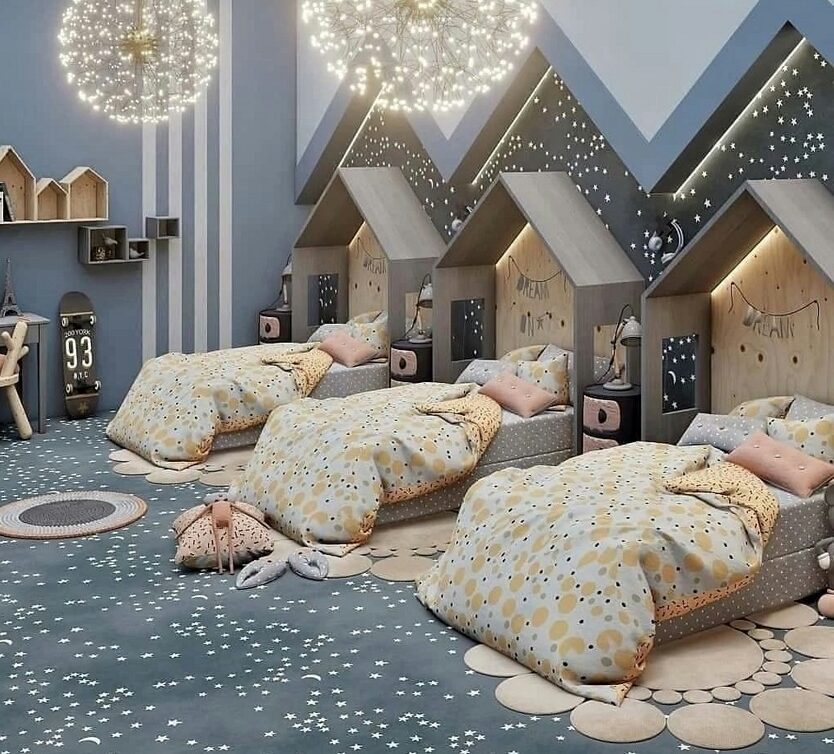
Introduction to Kids’ Room Design
Designing a children’s room design is an essential aspect of creating a nurturing environment that fosters growth and development. The significance of effective room design cannot be overstated; it directly impacts a child’s creativity, independence, and organization skills. By thoughtfully considering the layout, color scheme, and functional elements within a child’s room, parents can cultivate an atmosphere that allows young minds to thrive.
A well-designed kids’ room acts as a canvas for imagination. Bright colors, engaging patterns, and age-appropriate decor can stimulate creativity, encouraging children to immerse themselves in play and exploration. The incorporation of various zones within the room—such as a play area, reading nook, and study corner—creates opportunities for independent learning and self-expression. By allowing children the freedom to personalize their space, they are more likely to take ownership and responsibility for their environment.
Furthermore, organization is a crucial component of effective kids’ room design. A clutter-free space not only enhances visual appeal but also contributes to a child’s ability to concentrate and engage in activities. Smart storage solutions, such as multifunctional furniture or creative shelving, can help children learn the value of tidiness while making their belongings easily accessible. Ultimately, the goal of kids’ room design is to create a harmonious balance between functionality and creativity, ensuring that the space reflects the unique personality and needs of the child.
As we delve into various innovative ideas for children’s room design, it is essential to keep in mind the diverse tastes and requirements of kids. By focusing on personalization and practicality, parents can create nurturing and inspiring spaces that promote happiness and development.
Theme-Based Room Ideas
Themed room design is a compelling way to create engaging and imaginative spaces for children. By selecting a specific theme, parents can tailor the decor, color schemes, and even furniture choices to reflect a child’s interests. This approach not only transforms the physical environment but also supports the child’s creativity and development. Popular themes include outer space, underwater adventures, fairy tales, and superheroes, each offering unique elements to incorporate into the room.
A space theme can turn a child’s room into a miniature universe. Dark blues and bright whites emulate the night sky, with starry wall decals and glow-in-the-dark elements to inspire future astronauts. Beds shaped like rockets or furniture with a cosmic design can further enhance the allure, creating a stimulating environment that encourages exploration of the cosmos through books and imaginative play.
Conversely, an underwater adventure theme invites children into an aquatic paradise. Soft blues and teals simulate ocean waters, while wall murals of marine life add vibrancy. Incorporating furniture with wavy shapes and ocean creature motifs transforms the space into a stunning underwater escape, fostering a love for nature and the sea.
Fairy tale themes open a world of fantasy and magic. Soft pastels, castles, and whimsical characters can define the color palette and decor details. Enchanting bedding and whimsical lighting design contribute to an atmosphere where dreams of adventure and magical creatures thrive.
On the other end of the spectrum, superhero themes empower children to embody their favorite characters. Strong colors like red, blue, and yellow can dominate the design, with superhero wall art and themed bedding providing a bold splash of excitement. Such a room can inspire confidence and creativity, encouraging children to invent heroic scenarios during play.
Emphasizing Functionality and Organization
Creating a well-designed children’s room is not only about aesthetics; functionality and organization play crucial roles in fostering a conducive environment for learning and playtime. Incorporating functional furniture and innovative organization solutions into a child’s room enhances their independence and ability to maintain a tidy space. One of the most effective strategies for achieving this is through the use of multi-purpose furniture.
Multi-purpose furniture such as beds with built-in storage drawers offers a clever solution for maximizing space while providing ample room for toys and other essentials. By investing in such beds, parents can ensure that their children have accessible storage, which encourages them to take responsibility for their belongings. Additionally, a well-placed dresser that doubles as a changing table or a desk can streamline the room’s functionality, accommodating various activities without overwhelming the space.
Creative shelving solutions are another essential aspect of organizing a child’s room effectively. Wall-mounted shelves or modular bookcases can create visual interest while keeping items within easy reach. Such arrangements also promote good habits, as children can learn to put away their books, toys, and art supplies on their designated shelves. The importance of teaching children early on about organization cannot be overstated; these skills will serve them well throughout their lives.
Moreover, integrating bins, baskets, and labeled containers into the design of the room aids in the quick and convenient storage of smaller items. This way, children can easily identify where their belongings should go, making the process of cleaning up more manageable and even enjoyable. The key is to build a system that reinforces a sense of order, giving children the tools they need to foster both creativity and cleanliness in their environment.
Incorporating Color Psychology
Color psychology plays a significant role in children’s environments, influencing their emotions, behavior, and overall development. It is essential to understand how different colors can create specific atmospheres within a child’s room. For instance, shades of blue are often associated with tranquility and calmness, making them an excellent choice for a soothing sleep space. Meanwhile, softer hues of green can evoke feelings of stability and balance, promoting a serene environment ideal for study and concentration.
On the other hand, vibrant colors such as red and orange can energize a room, spurring creativity and inspiring play. Red, known for its stimulating qualities, can be incorporated through accent walls or smaller accessories, such as cushions or rugs, offering bursts of activity without overwhelming the sensory experience. Similarly, orange can bring warmth and vibrancy, encouraging a lively atmosphere for socialization and interaction.
To create a harmonious blend of these colors, consider establishing a primary palette that focuses on one or two core shades, while utilizing complementary colors for accents. For example, a calming base of soft blue could be enhanced with bright yellow accessories, fostering an uplifting and engaging space. Neutral tones like beige or gray can also serve as excellent backdrops, allowing brighter colors to stand out without creating chaos in the room.
In practical terms, integrating these colors can be achieved through various means. Paint is an obvious method, but accessories such as curtains, bedding, and artwork can also reflect the desired color palette. Furniture choices, such as colorful chairs or storage bins, can help to tie the theme together while ensuring functionality. By thoughtfully utilizing color psychology in a child’s room, caregivers can contribute significantly to fostering an environment that fosters both creativity and emotional well-being.
Creative Play Areas and Zones
Designating specific play areas within a child’s room is pivotal to promoting not only creativity but also organization. By creating separate zones for reading, arts and crafts, and play, parents can help foster an environment that encourages engagement and development in various activities. These zones can be tailored to the interests of the child, making them more inviting and effective.
A reading nook can be an ideal corner filled with cushions, bookshelves, and soft lighting. This area serves as a quiet retreat where children can delve into the magical world of books. Design elements such as a comfortable chair or a small beanbag along with an array of colorful books can cultivate a love for reading. Soft rugs and well-organized shelves encourage accessibility, making it easier for young readers to choose their next adventure.
For those who enjoy expressing creativity through various mediums, an art station is essential. This zone should be equipped with a sturdy table, art supplies such as paints, markers, and paper, as well as some storage solutions for completed projects. Having a designated space for arts and crafts not only keeps materials organized but also allows for uninterrupted creativity. Clear containers with labels can enhance accessibility, enabling children to find what they need quickly.
Finally, a dedicated play mat or activity area is vital for free play. This space can be designed with colorful mats that define the area and foster play while minimizing the risk of injury. Such a zone encourages imaginative play, whether through building blocks, dolls, or vehicles, thus contributing to fine motor skills and social interaction.
In conclusion, integrating distinct play areas and zones in a child’s room promotes creativity, organization, and developmental growth. By thoughtfully crafting these spaces, parents can enrich the overall environment for their children, making their rooms more functional and enjoyable.
Eco-Friendly Design Choices
In today’s world, making eco-friendly choices in the design of children’s rooms is more important than ever. By incorporating sustainable materials and practices, parents can create a healthy, safe, and inspiring environment for their children while also instilling values of environmental consciousness. One effective way to achieve this is through the use of non-toxic materials. For instance, selecting low-VOC (volatile organic compounds) paints and finishes is crucial as these options reduce the emission of harmful chemicals in the indoor air. Additionally, opting for organic textiles can further ensure that children are surrounded by safe materials, free from pesticides and harmful dyes.
Repurposing furniture is another innovative strategy for creating an eco-friendly space. Instead of purchasing new items, consider refurbishing existing furniture, such as transforming an old dresser into a playful storage area or painting a vintage table to match the decor. This not only minimizes waste but also adds a unique character to the room. Moreover, the act of involving children in this process can be both educational and rewarding, as it teaches them the values of creativity and sustainability.
Incorporating natural elements is essential when designing a child’s room sustainably. Plants can be used to enhance air quality, and natural light should be maximized to create a nurturing atmosphere. Consider installing large windows or using light-filtering curtains to achieve this. Furthermore, wooden toys and decor items made from sustainably sourced materials can add to the room’s eco-friendly aesthetic while providing safe play options for children.
Ultimately, by choosing sustainable design practices, parents can create an environment that not only supports children’s well-being but also fosters a lifelong appreciation for eco-friendliness. Emphasizing these values early on helps children understand the importance of caring for the planet, making them more mindful individuals in the future.
Personalization and DIY Decor
Creating a personalized environment in a child’s room is essential for fostering creativity and self-expression. Children are individuals with unique personalities, and their spaces should reflect who they are. One effective way to achieve this is through DIY decor projects, which not only cultivate a sense of ownership but also provide an opportunity for parents and kids to bond over creative tasks.
One of the simplest DIY ideas is to create custom wall art. This can be as easy as letting your child paint a canvas in their favorite colors or perhaps create a mural that represents their interests, such as animals, superheroes, or nature. Another engaging project is to design a gallery wall featuring family photos, artwork, or crafts made by the child. By arranging these pieces together, children can see their artistic progress and feel pride in showcasing their talent.
Handmade cushions are another fun project that adds both comfort and a personal touch. Choosing fabric that aligns with a child’s favorite colors or patterns allows them to play an active role in the decorating process. Simple tutorials for sewing or even no-sew cushion covers can enable kids to engage in crafting masterpieces for their rooms.
Custom shelving is yet another way to personalize a room. Not only does it serve a practical purpose, but it can also act as a canvas for creative expression. Kids can paint or decorate shelving units with stickers, stencils, or even fabric, turning a standard item into a unique display of their personality and interests.
Encouraging children to participate in these DIY projects not only creates a space that resonates with their character but also instills a sense of accomplishment. By investing time and effort into personalizing their rooms, children can truly feel that they have a space of their own, which can be both comforting and fun.
Safety Considerations in Design
When designing a child’s room, safety should be the top priority, considering how active and curious children can be. One of the key aspects of ensuring safety is the stability of furniture. It is essential to choose items that are low to the ground and sturdy enough to withstand the inevitable tumbles and pulls. Heavy dressers or bookshelves should be anchored to the wall to prevent tipping during play. This simple measure can significantly reduce the risk of accidents.
The choice of materials also plays a crucial role in creating a safe environment. Parents should opt for soft materials in furnishings and décor to mitigate injury risks. For instance, using rounded-corner furniture or soft rugs can provide a cushioning effect, which can be particularly beneficial in reducing injuries from falls. Additionally, choosing non-toxic and hypoallergenic materials ensures that the child’s health is not compromised.
When it comes to fixtures, ensuring they are secure is paramount. This includes securely affixing light fixtures, window treatments, and shelves to prevent them from falling. Moreover, outlet covers should be in place to prevent electrical shocks, and cords from blinds or shades should be out of reach to avoid choking hazards.
Lastly, avoiding hazards is an invaluable part of designing a safe space. Parents should make an effort to minimize clutter, as it can lead to trips and falls. Storage solutions should be easily accessible to encourage children to tidy up after playing. In addition, considering a few safety features, such as anti-slip mats or baby gates, can further enhance the safety of the room.
In conclusion, creating a fun and stimulating environment for children should never come at the expense of safety. By focusing on furniture stability, selecting soft materials, securing fixtures, and actively avoiding hazards, parents can ensure that their children’s rooms are safe for play and rest.
Conclusion and Inspiration
In this exploration of creative kids’ room design ideas, we have highlighted several essential facets that contribute to a space that is not only visually appealing but also supportive of a child’s development and needs. From incorporating vibrant colors and whimsical themes to ensuring practicality and safety, every aspect plays a vital role in crafting an environment that nurtures imagination and growth. The blend of aesthetics and functionality is key, allowing children to express themselves while providing a structured space for learning and play.
Moreover, we discussed the importance of flexibility in design. As children grow and their interests evolve, the adaptability of their room can greatly enhance their comfort and enjoyment. Modular furniture, adjustable lighting, and convertible spaces allow for a dynamic environment that can change with their needs. Encouraging participation from children in the design process not only fosters creativity but also empowers them to take ownership of their space.
We hope these insights inspire you to embark on your journey of designing a kid’s room that balances imagination, safety, and functionality. Whether it is through unique wall art, cozy reading nooks, or interactive play areas, the possibilities are endless. We encourage you to share your experiences and photos of the creative transformations you make in your children’s spaces. Such sharing not only builds a community of inspiration but also serves to motivate others in their design endeavors.
Creating a space that resonates with your child’s personality while meeting practical needs is a rewarding project. With thoughtful planning and creativity, you can turn any room into a vibrant haven for your little ones.