
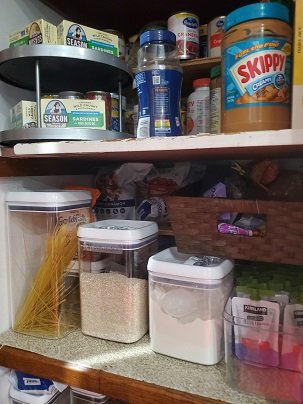
Small kitchens present a unique set of challenges that can significantly impact cooking and meal preparation. One of the foremost issues is limited storage space. With compact dimensions, homeowners often struggle to find adequate room for kitchen essentials such as cookware, utensils, and pantry items. This scarcity frequently leads to clutter, as items are crammed into cabinets and drawers, creating a disorganized environment.
Another challenge in small kitchens is the struggle to maintain order. Inadequate space often translates to a lack of surfaces and areas where one can keep items neatly arranged. As a result, the kitchen may become chaotic, making it difficult for individuals to find what they need when they need it. This disarray can be particularly overwhelming during busy cooking hours, leading to frustration and decreased efficiency.
The importance of efficient organization in small kitchens cannot be overstated. When kitchen items are stored systematically and thoughtfully, it enhances not only functionality but also aesthetic appeal. An organized kitchen can foster a sense of calm and order, encouraging more frequent use for cooking and entertaining. Creative pantry organization ideas can transform cramped kitchen spaces into efficient areas that maximize every square inch. By implementing innovative storage solutions, such as vertical shelving, drawer organizers, or over-the-door racks, homeowners can overcome the limitations of space and create a more enjoyable cooking experience.
Ultimately, addressing these common challenges in small kitchens through effective organization techniques can improve overall usability and contribute to a more enjoyable living space. In doing so, residents of small homes can make their kitchens a focal point rather than a source of stress.
Maximizing Vertical Space
In small kitchens, maximizing vertical space is essential for effective organization and utilization of every square inch. By utilizing walls and overhead areas, you can create a functional and visually appealing storage solution. One effective strategy is to install wall racks. These can be used for pots, pans, or utensils, creating an easy-access storage option while keeping your counter space clear. Additionally, magnetic strips are an innovative solution for organizing knives and other metal utensils, allowing you to keep them within reach without consuming valuable drawer space.
Shelves are another excellent option for maximizing vertical storage in small kitchens. Floating shelves can be installed above countertops or kitchen islands to store spices, cookbooks, or decorative items. The use of open shelving encourages a sense of openness and can make the kitchen feel larger while displaying your most-used cooking essentials. Consider incorporating a tiered shelf design, which will help to categorize items like jars or containers, ensuring they are both organized and easily accessible.
Hanging organizers, such as pot racks or baskets, are also advantageous in small kitchens. By suspending these from the ceiling or mounting them on the wall, you can free up countertop space while adding an artistic touch to the kitchen. Wire baskets can be utilized to hold fruits and vegetables, allowing for ventilation while optimizing space. Furthermore, pegboards are becoming increasingly popular for organizing kitchen tools, providing a versatile and customizable means to access various utensils quickly. The versatility inherent in utilizing vertical space means every item from cooking tools to pantry goods can find its place effectively.
Utilizing Multi-Functional Furniture
In small kitchens, maximizing space often necessitates creative solutions. One effective strategy is to incorporate multi-functional furniture, which not only preserves valuable square footage but also enhances the kitchen’s functionality. Multi-functional furnishings serve various purposes, enabling efficient use of limited space while maintaining an organized pantry.
One popular option is the drop-leaf table. This versatile piece can function as a dining area, additional prep surface, or even a work desk. When not in use, the leaves can be folded down, freeing up floor space and allowing for easier navigation through the kitchen. This adaptability makes drop-leaf tables ideal for small kitchens where every inch matters.
Another excellent choice for pantry organization in compact kitchens is a kitchen island with storage capabilities. These islands provide ample countertop space for meal preparation and can be equipped with shelves, drawers, or cabinets to house various kitchen essentials. This dual functionality allows homeowners to consolidate their pantry items, reducing clutter and enhancing efficiency. Some islands even come with wheels, allowing for easy mobility and reconfiguration based on the need.
Convertible shelving units also present a clever solution for pantry organization. These units can be adjusted to suit different storage requirements, enabling users to customize the height and configuration of shelves to best accommodate their items. Furthermore, many designs incorporate additional features like built-in hooks or baskets, further enhancing their utility and making it easier to keep the pantry orderly.
Overall, multi-functional furniture presents significant advantages in small kitchen environments. By choosing pieces that serve multiple purposes, homeowners can effectively optimize their pantry organization, making meal prep and cooking a more enjoyable experience.
Incorporating Clear Containers and Labels
In small kitchens, effective pantry organization is essential to maximize space and ensure easy access to food items. One practical solution is the use of clear containers for storage. These transparent storage options provide immediate visibility of contents, allowing users to identify what they have at a glance. This visibility eliminates the frustration of rummaging through opaque containers, making it easier to manage inventory and reducing the likelihood of purchasing duplicate items. Clear containers can come in various sizes and shapes, accommodating everything from grains and spices to snacks and baking supplies.
Furthermore, implementing a labeling system enhances the effectiveness of clear containers. Labeling ensures that every ingredient has its designated space, contributing to a seamless organizational system. When containers are labeled correctly, family members can quickly find what they need and return items to the proper location, fostering a sense of order in the pantry. Labels can include easy-to-read names, dates, or even specific categories, which aids in meal planning and preparation.
Using clear containers and labels also has practical advantages beyond aesthetics. It facilitates better food storage practices, encouraging users to consume items before their expiration, thus minimizing food waste. Additionally, clean and organized spaces often lead to a more enjoyable cooking experience, as the accessibility and simplicity of the setup can inspire culinary creativity. Whether you opt for glass, plastic, or more sustainable options, the principle remains the same: visibility and organization contribute positively to small pantry management.
Creative Use of Baskets and Bins
In small kitchens, effective organization is key to maximizing available space, and one of the most versatile solutions is the use of baskets and bins. These storage aids come in various sizes, materials, and designs, making them suitable for a multitude of pantry items, from snacks and canned goods to kitchen utensils and cooking essentials.
When selecting baskets and bins, consider both size and shape. For instance, shallow bins are ideal for storing smaller items, such as spice jars or snack packets, as they allow easy visibility and access. Conversely, taller, more rectangular bins can be used for larger items like pasta or grains and can be stacked to optimize vertical space. Moreover, ensuring that bins have labels can enhance your organizational system, making it simpler to locate each item quickly, reducing time spent rummaging.
Dividing pantry space into categories also aids in maintaining an orderly environment. You might designate one basket for breakfast items like cereals and oatmeal, another for baking supplies, and perhaps a separate bin for condiments. Utilizing a color-coding system or clear containers can further enhance the aesthetic and functional appeal of your pantry. For a cohesive look, consider matching your baskets or selecting complementary colors that align with your kitchen decor.
Incorporating baskets and bins not only adds a decorative touch to your pantry but also offers an effective strategy for organizing various pantry items. By thoughtfully selecting the right sizes and implementing categorization, you can create a functional and visually appealing storage solution that will make navigating your small kitchen much easier.
Maximizing Pantry Efficiency
In small kitchens, every inch of storage space matters, and utilizing door space is one of the most effective strategies for enhancing pantry organization. By installing racks, hooks, or shelves on the inside of pantry or cabinet doors, you can create a practical storage solution that transforms idle areas into functional organizational zones.
One innovative approach involves affixing tiered spice racks to the inside of pantry doors. This not only keeps spices organized and within easy reach but also frees up shelf space for larger items. Furthermore, using small jars with labels can enhance visibility and accessibility, allowing you to see at a glance what you have available.
Another useful idea is to mount hooks onto the inside of cabinet doors. This is particularly effective for storing utensils, such as measuring spoons, pot holders, or even lightweight cooking tools. By hanging these items, you not only create more usable space but also keep essential tools readily accessible when cooking.
Incorporating small shelves on the doors can also be an excellent way to store snacks or small containers. These shelves can serve as a dedicated space for frequently used items like granola bars, nuts, or bags of dried fruits. This method not only organizes snacks efficiently but also discourages clutter on other surfaces in your kitchen.
When implementing door storage solutions, it is advisable to consider the overall weight limit and ensure that everything is securely fastened to prevent items from falling. Additionally, aesthetic considerations should be kept in mind—selecting matching containers and labels can make the door storage visually appealing.
By thoughtfully utilizing door space, you can significantly enhance the overall organization of your small kitchen, ensuring that not a single area goes to waste.
Implementing a Rotating System
One effective method for organizing pantry items in small kitchens is to implement a rotating system. This concept revolves around the idea of placing older pantry items at the front while newer products are stored toward the back. This ensures that you utilize older products first, thereby reducing food waste and keeping your pantry well-stocked with fresh ingredients.
To successfully implement this system, it is essential to categorize your pantry ingredients. Begin by grouping similar items together, such as grains, canned goods, spices, and snacks. Keep in mind that effective labeling can aid in locating specific products more easily. Visibility is crucial; therefore, using containers that allow you to see inside without opening them can be beneficial.
When replenishing your pantry supplies, take a moment to check the expiration dates. Items with a shorter shelf life should be prioritized by being placed in the front. This method prevents you from accidentally storing older items behind newer ones, which can lead to them being forgotten or eventually going bad.
In addition to visual organization, consider employing clear storage bins or tiered shelving to create an accessible, organized environment. Clear bins allow you to see your ingredients at a glance, while tiered shelves make it simpler to spot and retrieve items without rifling through the pantry. This not only enhances accessibility but also promotes an efficient cooking flow by minimizing the time spent searching for ingredients.
By adopting a rotating pantry system, you can maintain an organized space that not only looks tidy but also supports optimal usage of pantry items. Keeping your ingredients fresh and accessible encourages home cooks to explore creative meal ideas without the worry of wasting food.
Seasonal and Occasional Item Storage
To maintain an organized pantry throughout the year, it is essential to implement effective strategies for the storage of seasonal and occasional items. Many small kitchens often struggle with limited space, making it crucial to prioritize pantry organization tailored to the changing seasons. One effective approach is to designate a specific area for seasonal items, such as holiday baking supplies, barbecue essentials, or festive decorations. Utilize clear bins or labeled containers to store these items, making them easily accessible yet out of the way until needed.
Another strategy involves rotating pantry items as seasons change. For instance, as summer transitions into fall, consider moving barbecue condiments and grilling utensils further toward the back of the pantry while bringing fall baking essentials—such as pumpkin puree and spices—into the forefront. This rotation not only ensures that you have easy access to the necessary items during their peak season but also minimizes clutter by cycling through your pantry contents. Regularly assessing these seasonal items allows you to take stock of supplies, eliminating expired products and avoiding over-purchasing.
It’s also advisable to revisit your pantry organization periodically, adjusting the layout according to your evolving cooking habits and seasonal recipes. As you adapt to new dietary trends or welcome new family members, the contents of your pantry may require further refinement. You may find that certain items become staples while others may be relegated to seasonal rotation. Keeping your pantry organized and periodically evaluating storage solutions will not only enhance functionality but also promote a more enjoyable cooking experience.
Personalize Your Pantry Decor
When it comes to organizing a small kitchen, the pantry often serves as more than just a storage area; it becomes an extension of your home’s personality. Personalizing your pantry decor can transform this utilitarian space into one that reflects your style while maximizing functionality. Decorative elements can create a harmonious and inviting atmosphere, enhancing the overall aesthetic of the kitchen.
One effective way to incorporate personal touches is through color. Consider painting the pantry door or using removable wallpaper inside the pantry to introduce a pop of color. This approach not only makes the space more vibrant but also allows you to easily update the look as your tastes evolve. Choose colors that complement the overall color scheme of the kitchen for a cohesive design.
Additionally, consider integrating unique containers and labels that resonate with your personal style. Clear jars, vintage canisters, or even modern acrylic bins can serve dual purposes by organizing dry goods and adding a decorative element. Labeling these containers, either through artistic handwritten tags or printed labels, adds organization and visual appeal, making it easier to find items while also enhancing the decor.
Another consideration is the use of art or framed photos in and around the pantry. This can include hanging a small chalkboard for notes or recipes, displaying a family photo that brings warmth to the space, or even art that inspires your culinary creativity. Using tiered shelves or decorative baskets can add height and dimension, making your pantry visually stimulating while improving accessibility to your stored items.
Ultimately, personalizing your pantry decor not only improves the functionality of the space but also infuses it with personality and warmth, making it a joyful place to be. By thoughtfully incorporating decorative elements, you can create a pantry that is both organized and a true reflection of your personal style.