
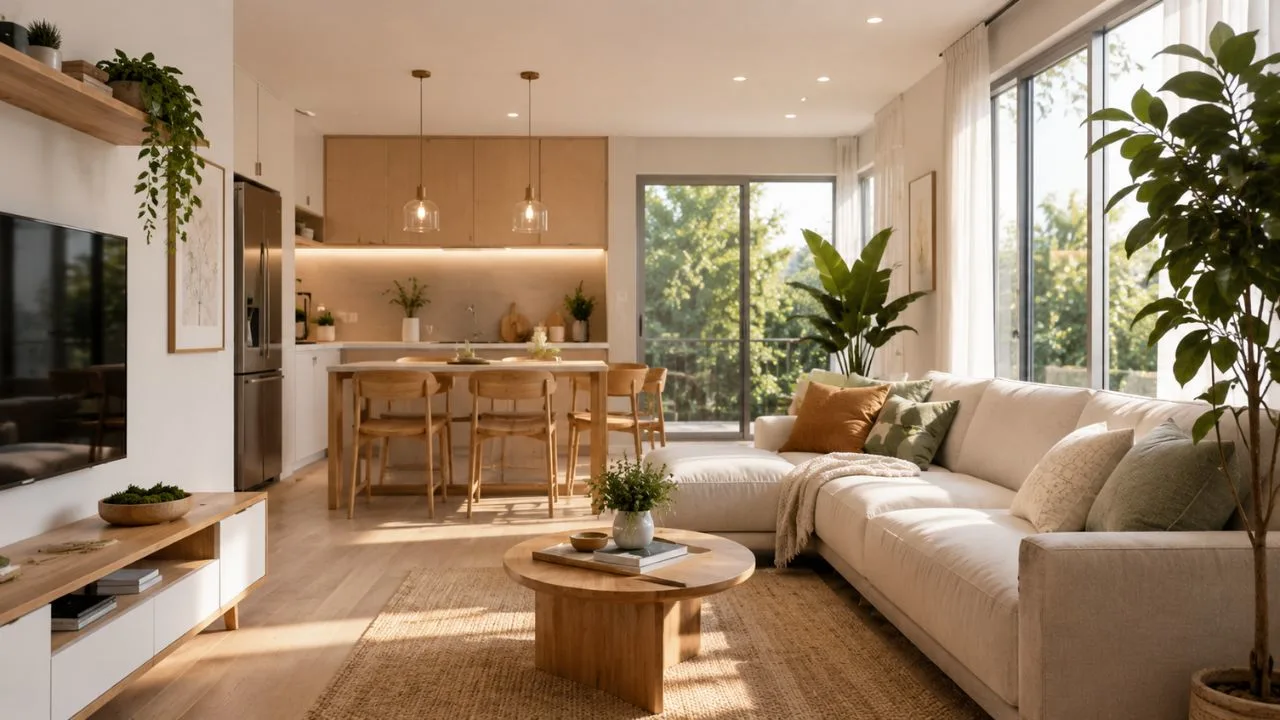
Living in a small space doesn’t mean you have to compromise on style or comfort. In fact, with the right approach, your living area can be transformed into an inviting sanctuary that feels expansive and functional. The key lies in clever design choices tailored specifically for compact environments. If you’re ready to elevate your small living space without feeling cramped, this guide will provide actionable tips and innovative ideas for creating an open and airy atmosphere. Say goodbye to cluttered corners and hello to a beautifully designed haven where every square inch is utilized effectively!
Understanding the Challenges of Small Living Spaces
Navigating a small living space comes with its own set of challenges. Limited square footage often leads to clutter, making it difficult to maintain organization and style.
One common issue is the feeling of confinement. Poor layout choices can make a cozy corner feel cramped rather than inviting. Understanding how to maximize the available area is crucial.
Another challenge lies in storage solutions. With fewer cabinets and closets, finding ways to keep belongings tucked away while still being functional becomes essential.
Additionally, lighting plays a significant role in small spaces. Without ample natural light or effective artificial options, rooms can feel dim and unwelcoming.
Personalizing your space without overwhelming it requires creativity and thoughtfulness—striking that perfect balance between comfort and aesthetics takes some finesse.
Choosing the Right Colors for Your Space
Choosing the right colors can transform a small living area into a more open and inviting space. Light hues, like soft whites or pale pastels, reflect natural light and create an airy feel.
Consider using a monochromatic palette to maintain visual flow. This approach helps to unify different areas of the room, making them appear larger than they are.
Accent walls in deeper shades can add depth without overwhelming the senses. Just be careful not to overdo it; balance is crucial in compact spaces.
Don’t shy away from texture either! Combining various materials—like matte finishes with glossy accents—adds interest while keeping your color scheme cohesive.
Choose colors that resonate with you personally. Your space should feel comfortable and reflect your style while still maximizing its potential for openness.
Maximizing Natural Light
Natural light can transform your small living area. It creates an illusion of space and warmth, making the room feel larger and more inviting.
Start by choosing sheer curtains or blinds. These allow sunlight to filter through while maintaining privacy. Avoid heavy drapes that block light and make the room appear smaller.
Keep windows unobstructed. Arrange furniture away from them to let as much light in as possible. You might be surprised how a simple shift can brighten the entire space.
Consider reflective surfaces like glass tables or glossy finishes on cabinets. They bounce light around, enhancing brightness without needing additional windows.
If you’re able, add mirrors opposite windows to double the effect of natural daylight. This clever trick amplifies both visibility and ambiance, giving you a refreshing vibe throughout your home.
Strategic Furniture Placement and Multifunctional Pieces
Strategic furniture placement is crucial in small living areas. It can transform a cramped space into an inviting environment. Start by assessing the flow of movement throughout the room. Arrange furniture to create clear pathways and avoid blocking natural light sources.
Consider multifunctional pieces that serve more than one purpose. A stylish coffee table with storage or a sofa bed can maximize utility without sacrificing aesthetics. These items help reduce clutter, allowing you to focus on what really matters: comfort and functionality.
Don’t hesitate to experiment with layouts. Sometimes, angling a piece or moving it slightly away from walls creates depth and openness. Each adjustment brings new potential to your space, making it feel larger than its dimensions suggest.
Remember, less is often more when designing small living spaces. Choose quality over quantity for furnishings that enhance both style and usability.
Creating Illusions with Mirrors and Optimal Lighting
Mirrors are a small space designer’s best friend. They can create the illusion of depth and openness in any living area. A large mirror on one wall reflects light, making the room feel brighter and more expansive.
Position mirrors opposite windows to bounce natural light around the space. This simple trick enhances brightness while adding visual interest to your decor.
Lighting is equally crucial when designing for compact spaces. Layered lighting—combining ambient, task, and accent options—ensures every corner feels inviting without overwhelming it.
Consider using floor lamps or sconces instead of table lamps, which take up valuable surface area. Dimmer switches allow you to adjust brightness levels based on mood or time of day.
Together, strategic use of mirrors and optimal lighting transforms small living areas into stylish retreats that feel much larger than they actually are.
Utilizing Vertical Space with Shelving and Hanging Storage
When space is limited, vertical storage becomes your best friend. Shelving units can transform walls into functional masterpieces. Floating shelves add style while keeping essential items within reach.
Consider wall-mounted racks for a chic organization solution. They free up floor space and bring an airy feel to the room. Hang pots or decorative baskets for added flair and practicality.
Utilizing corners with tall bookshelves maximizes every inch of your living area. These pieces draw the eye upward, creating a sense of height that can make a small space feel expansive.
Incorporate hooks for coats or bags near entrances to keep things tidy without cluttering surfaces. This approach not only saves room but also enhances accessibility.
Mix open shelving with closed cabinets for balance. It allows you to showcase beautiful decor while hiding away less attractive necessities, thus maintaining an organized aesthetic throughout your home.
Incorporating Plants for a Fresh and Open Atmosphere
Plants are more than just decorative elements; they breathe life into small spaces. A few strategically placed greenery can transform a cramped area into a vibrant oasis.
Consider using vertical gardens or hanging planters to maximize floor space. These options draw the eye upward, creating an illusion of height and openness.
Choosing plants with varying textures adds depth. Think about ferns for softness or succulents for a modern touch. The diversity keeps the aesthetic interesting without overwhelming your space.
Don’t overlook natural light when selecting plants. Opt for varieties that thrive in indirect sunlight, like pothos or snake plants, which require minimal care yet still bring freshness indoors.
Incorporating greenery encourages relaxation too. Plants improve air quality and create a serene environment, making your living area feel inviting and spacious at once.
Conclusion: Making the Most out of Small Living Spaces
When it comes to living area design for small spaces, every choice matters. Embrace the unique challenges that come with limited square footage by applying thoughtful strategies tailored to your needs.
Color plays a vital role in making a space feel open and inviting. Light shades can create an airy atmosphere while darker hues can add depth if used wisely. Think about how colors interact with each other and the light in the room.
Natural light is one of your best allies. Use sheer curtains or blinds that allow sunlight to filter through, brightening up even the tiniest corners. Consider strategic window placements when choosing furniture arrangements so you don’t block this precious resource.
Furniture placement is key; keep pathways clear and choose multifunctional pieces like ottomans that double as storage units or sofas that convert into beds for guests. This not only saves space but enhances usability too.
Mirrors are another powerful tool in creating an illusion of more space. They reflect light and provide depth, tricking the eye into perceiving a larger area than exists physically. Pair them with optimal lighting fixtures to maximize brightness without overwhelming your senses.
Vertical storage solutions are essential for smaller areas where floor space is at a premium. Shelving units not only display items beautifully but also draw eyes upward, adding height perception to any room layout.
Incorporating plants breathes life into confined spaces while contributing positively to air quality—ultimately creating a refreshing vibe that’s both welcoming and calming.
By leveraging these strategies thoughtfully, any small living area can transform from cramped quarters into an oasis of comfort and style—a place where functionality meets beauty seamlessly.