
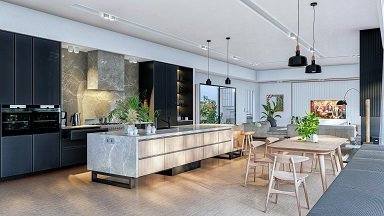
Modern kitchen design represents a harmonious blend of aesthetics, functionality, and innovation, reflecting contemporary lifestyles. As the hub of the home, the kitchen plays a vital role not only in cooking but also in family interactions and social gatherings. This year, the trends in modern kitchen design have shifted towards creating spaces that prioritize comfort and efficiency without compromising on style.
One significant aspect of modern kitchen design is the emphasis on open-concept layouts. These designs encourage seamless flow between the kitchen and living areas, making it easier for families to connect and interact. In addition, such configurations allow for ample natural light, enhancing the overall ambiance. The integration of multifunctional islands has become increasingly popular, providing both additional workspace and a casual dining option.
Another prominent trend is the use of sustainable materials and energy-efficient appliances. Homeowners are increasingly seeking to minimize their environmental impact while maintaining high standards of quality and design. This includes opting for materials such as recycled wood and energy-efficient lighting solutions. Furthermore, smart technology is on the rise, with various devices and appliances designed to enhance convenience and efficiency in day-to-day tasks.
This year’s modern kitchen design trends also embrace softer color palettes and natural textures, moving away from the stark, minimalistic styles of the previous years. Warm tones and organic materials create inviting spaces that promote comfort and relaxation. Ultimately, modern kitchen design has reached a level where functionality meets aesthetic appeal, allowing homeowners to enjoy a beautiful yet practical environment. As we delve deeper into the specifics of current trends, it becomes evident how these elements can transform a kitchen into a space that is not only functional but also embodies personal style.
Open Concept Kitchen Layouts
The trend towards open concept kitchen layouts has gained immense popularity in modern home design. This layout integrates kitchen spaces with adjacent living and dining areas, creating a seamless flow throughout the home. One of the primary benefits of an open concept kitchen is the enhancement of social interaction among family members and guests. When the kitchen is not isolated, it allows the cook to engage with others, whether during meal preparations or while entertaining, fostering a sense of togetherness that is often missing in traditional designs.
Moreover, open concept spaces tend to maximize the functionality of smaller homes. By eliminating unnecessary walls and barriers, these layouts create an illusion of greater space, making even confined areas feel larger and less cramped. Homeowners can benefit from this expanded sense of space, as it provides more room for movement and organization, making everyday tasks more efficient.
Natural light is another critical aspect of open concept kitchens. A design devoid of partitions allows sunlight to cascade through the home, brightening all interconnected areas and reducing the need for artificial lighting during the day. This not only contributes to a cheerful atmosphere but also positively impacts energy efficiency, thus supporting sustainable living practices.
Furthermore, open concept kitchens can be customized to reflect personal style while enhancing the overall aesthetic of the home. From contemporary fixtures to warm, inviting materials, the design possibilities are endless. By merging the kitchen with the living space, homeowners have the opportunity to curate a cohesive look that resonates with their lifestyle and preferences. In summary, the trend of open concept kitchen layouts is more than just a design choice; it is an evolution that aligns with modern living, promoting social interaction, maximizing space, and enhancing natural light in the most central gathering area of the home.
Sustainable Materials and Eco-Friendly Designs
In recent years, the emphasis on sustainability in kitchen design has gained significant momentum, reflecting a broader commitment to environmental stewardship among homeowners. One of the most considerable shifts in modern kitchens is the adoption of sustainable materials, which not only contribute to reducing ecological footprints but also enhance aesthetic appeal. Notable options include bamboo, which is renowned for its rapid growth and renewability, making it an excellent choice for cabinets, flooring, and countertops.
Reclaimed wood has also surged in popularity in eco-friendly designs. This material is salvaged from old buildings, furniture, or other sources, ensuring that it does not contribute to deforestation. By incorporating reclaimed wood into kitchen designs, homeowners not only benefit from its unique character and rich history but also promote the principles of recycling and repurposing. Moreover, recycled materials, such as surfaces made from reclaimed glass or plastic composites, offer innovative and attractive alternatives that adhere to sustainability principles.
Alongside these materials, energy-efficient appliances play a crucial role in the push towards greener homes. With features designed to consume less energy, such as advanced technology for efficient cooling and cooking, these appliances not only reduce utility bills but also align with a holistic approach to kitchen design. By prioritizing items that bear energy-efficient certifications, homeowners can further support sustainable practices within their kitchen spaces.
Ultimately, integrating sustainable materials and eco-friendly designs into modern kitchens presents a viable solution for environmentally conscious homeowners. The combination of beautiful aesthetics and functional efficiency ensures that these kitchens are not only a joy to use but also a testament to responsible living.
Bold Color Palettes and Unique Textures
In recent years, the trend in kitchen design has leaned toward the incorporation of bold color palettes and unique textures, transforming traditional spaces into vibrant showcases of personal style. Homeowners are increasingly opting for deep, rich hues such as emerald greens, navy blues, and burgundy as primary colors in their kitchens. These shades not only create a striking contrast against lighter elements but also bring a sense of depth and warmth to the overall design.
The use of color is not limited to paint alone; cabinetry plays an integral role in establishing the kitchen’s ambiance. Dark-colored cabinets are making waves, with many opting for timeless finishes that complement the current trend. Pairing these bold cabinets with lighter countertops can create a balanced look that feels both modern and inviting. The incorporation of matte and glossy finishes further adds to the visual intrigue, allowing for various interactions of light and shadow throughout the space.
In addition to color, texture is an essential aspect of modern kitchen design that cannot be overlooked. Introducing unique textures through elements such as backsplashes and countertops brings personality and tactile interest to the environment. For instance, textured ceramic tiles or rustic wood accents can juxtapose sleek surfaces, enhancing the room’s aesthetic and functionality. Countertops made from materials like concrete or quartz with distinctive patterns contribute to a more dynamic atmosphere, encouraging creativity in design.
Ultimately, the synergy of bold color palettes and unique textures is reshaping kitchen spaces, allowing for greater expression and individuality. As contemporary design continues to evolve, integrating these elements will undoubtedly enrich the overall kitchen experience for homeowners and guests alike.
Smart Technology Integration
The integration of smart technology in kitchen design has become increasingly prevalent, catering to modern homeowners’ desires for convenience and efficiency. The rise of smart appliances has transformed traditional cooking practices, providing not only enhanced functionality but also unexpected benefits such as energy efficiency. Features like ovens that can be preheated remotely or refrigerators equipped with touch screens that offer recipe suggestions highlight how innovations in kitchen design are making cooking easier.
Additionally, automated lighting systems contribute to a seamless kitchen experience. These systems can adjust to various settings based on time of day or specific activities, such as cooking or entertaining. By allowing homeowners to control lighting via smartphone apps, the design fosters an adaptable atmosphere that can be tailored to different moods and occasions, further enhancing the overall experience in the kitchen.
Voice-controlled features, facilitated by devices such as smart speakers, represent another significant shift in how kitchens are managed. This technology allows users to access recipes, set timers, or even manage their shopping lists without needing to physically interact with any device. This hands-free convenience aligns perfectly with the multitasking nature of today’s cooks, who often juggle various tasks at once.
To summarize, the incorporation of smart technology into kitchen design not only modernizes the cooking process but also empowers users to streamline kitchen management. As technology continues to evolve, it is likely that the kitchen will see even more exciting advancements, making it an essential area for innovation in contemporary home design.
Multifunctional Islands and Innovative Storage Solutions
In contemporary kitchen design, multifunctional islands have emerged as a centerpiece that transcends mere aesthetics. These islands serve dual or even multiple purposes, acting not only as cooking stations but also as dining areas, prep zones, or even informal gathering spots. The integration of advanced technology, such as built-in induction cooktops or smart charging stations, enhances their utility, making them an indispensable feature in modern kitchens.
Furthermore, the design flexibility of multifunctional islands allows homeowners to customize the space according to their specific needs. For instance, islands can be equipped with additional seating, accommodating family and guests in a cozy environment. This feature encourages social interaction, making meal preparation a communal activity rather than a solitary task.
Alongside islands, innovative storage solutions are crucial for maximizing space and improving organization in kitchens. Traditional cabinetry often fails to fully utilize available space; thus, trends are leaning towards smarter designs like pull-out pantries, which provide easy access to dry goods and eliminate clutter. Hidden cabinetry, integrated within walls or beneath islands, is also gaining popularity. This feature enables homeowners to maintain a clean and consistent look while minimizing visible storage.
Moreover, modular shelving units are becoming essential elements of modern kitchen design. These units can adapt to different kitchen layouts and allow for a customized approach to organization. By utilizing vertical space, homeowners can efficiently store an array of kitchen essentials, from cookware to small appliances.
Overall, embracing multifunctional islands and innovative storage solutions is vital in achieving a modern kitchen design that is both practical and stylish. These features not only enhance the functionality of the space but also meet the diverse needs of contemporary living.
7. Minimalist Aesthetics with Functional Design
In contemporary kitchen design, the minimalist aesthetic has emerged as a dominant trend, emphasizing function without compromising style. The core of minimalist design lies in its clean lines and uncluttered spaces, which aim to create a serene environment conducive to cooking and socialization.
A minimalist kitchen often incorporates a limited color palette, favoring neutral tones such as whites, grays, and soft earth tones. This choice not only enhances the feeling of spaciousness but also allows the beauty of natural materials to shine through. For instance, sleek cabinetry without ornate hardware, often in matte finishes, exemplifies the simplicity central to the minimalist approach. Additionally, countertops made of materials like quartz or granite can further underscore this aesthetic while being highly functional.
Functionality is another cornerstone of modern minimalist kitchen design. Here, every element is chosen for its usefulness, ensuring that even the most straightforward designs serve multiple purposes. Storage solutions such as pull-out drawers, hidden cabinets, and corner units are ingeniously integrated to minimize visual clutter while maximizing usability. This careful curation of space ensures that the kitchen remains organized and easy to navigate, enhancing the cooking experience.
Moreover, the balance between simplicity and functionality extends to kitchen appliances as well. Sleek, built-in appliances that blend seamlessly into cabinetry allow for a clutter-free appearance. This not only improves the overall aesthetic but also supports a more efficient cooking environment. By combining these minimalist design principles with practical features, modern kitchens can create an inviting and efficient space that caters to both culinary and social activities.
Vintage Elements and Retro Inspiration
As the landscape of kitchen design continues to evolve, an intriguing trend has emerged: the integration of vintage elements and retro inspiration. This revival of classic aesthetics is becoming increasingly popular as homeowners seek to establish a unique blend of modern convenience and nostalgic charm in their culinary spaces. The result is a delightful juxtaposition of timeless appeal with contemporary functionality.
One of the key components of this trend is the incorporation of antique fixtures. Homeowners are seeking out salvaged or vintage lighting fixtures, faucets, and cabinet hardware that evoke the craftsmanship of yesteryear. These elements serve not only as functional pieces but also as conversation starters that reflect personal stories and histories. By selecting hardware that showcases intricate detailing and a sense of craftsmanship, individuals can infuse their kitchens with a warmth that contemporary designs often lack.
Another crucial aspect of vintage-inspired kitchens is the use of retro appliances. Brands are now manufacturing appliances that draw inspiration from mid-century designs, featuring bold colors and rounded edges reminiscent of the 1950s. These appliances offer not just practicality but also a fun, nostalgic touch that can enhance the overall aesthetic of the kitchen. Incorporating such nostalgic pieces can create a focal point within the space, seamlessly blending modern efficiency with vintage charisma.
Color schemes play a significant role in this design trend as well. Soft pastels, rich jewel tones, and vibrant primary colors can evoke a sense of nostalgia, reminiscent of kitchens from decades past. By selecting a carefully curated color palette, homeowners can create a harmonious environment that is both inviting and stylish.
In summary, blending vintage elements and retro inspiration in modern kitchens is an excellent approach to creating a distinctive atmosphere. By thoughtfully integrating antique fixtures, retro appliances, and nostalgic colors, homeowners can successfully navigate the craft of combining old and new, resulting in kitchens that are both functional and steeped in character.
Conclusion and Future Trends
As we reflect on the modern kitchen design trends discussed in this blog post, it becomes evident that innovation and versatility are at the forefront of contemporary kitchen spaces. From the integration of smart technology to eco-friendly materials, these trends not only enhance functionality but also align with the evolving lifestyle of homeowners. The move towards open-plan layouts encourages a more social kitchen experience, making it the heart of the home where family and friends gather.
Moreover, the increasing emphasis on personalization allows homeowners to express their individuality through unique color palettes, custom cabinetry designs, and diverse textures. The trend towards minimalism continues to resonate, prioritizing simplicity and clean lines over cluttered aesthetics. Additionally, incorporating natural elements such as wood and stone highlights a connection to nature, which many modern designs strive to achieve.
Looking ahead, we can anticipate further innovations in kitchen technology, including advanced appliances that enhance convenience and sustainability. The use of artificial intelligence (AI) and smart home integration is likely to expand, creating kitchens that can adapt to user preferences and enhance everyday cooking experiences. We may also witness a shift towards more bold and experimental design choices that challenge traditional norms, encouraging homeowners to take risks with color and layout.
Ultimately, the future of kitchen design appears bright and filled with possibilities. Embracing creativity and innovation in your kitchen renovations can result in a space that reflects your personal style while remaining functional and sustainable. By staying informed about emerging trends and inspirations, homeowners can create kitchens that not only meet their current needs but also align with future demands.