
Introduction to Window Treatments
Window treatments serve as both functional and aesthetic elements in home design, playing a significant role in enhancing the overall ambiance of a room. These treatments encompass a variety of options, including curtains, blinds, shades, and shutters, each offering unique benefits suitable for different needs and preferences. The importance of window treatments extends beyond mere decoration; they are crucial in providing privacy and controlling the amount of natural light that enters a space. The selection of appropriate window treatments can dramatically influence the atmosphere and style of a room. For instance, sheer curtains can create an airy, light-filled environment, while blackout shades are ideal for those looking to eliminate light completely, ensuring a peaceful sleeping space. Beyond aesthetics, effective window treatments contribute to energy efficiency by reducing heat gain in the summer and heat loss in the winter, leading to potential savings on energy bills.
Moreover, window treatments can also serve as a focal point, adding color, texture, and pattern to a room’s design. With a myriad of materials and styles available, homeowners can find the perfect option that aligns with their personal taste and home decor. Additionally, the functionality of these treatments allows for personalization, as they can be easily adjusted to accommodate varying privacy and light requirements throughout the day.
In the following sections, we will explore various types of window treatments, highlighting their unique features and benefits while keeping in mind the dual priorities of privacy and style. Understanding these elements will help in making informed decisions when selecting window treatments that meet both practical needs and aesthetic goals.
Understanding Privacy Needs
Privacy is an essential aspect of both residential and commercial spaces. It is crucial for creating a comfortable environment where individuals feel secure and free from unwanted observation. This need for privacy can vary significantly depending on the type of space, location, and specific activities conducted within these environments. Understanding these factors is fundamental when selecting window treatments that serve the dual purpose of enhancing privacy while contributing to the overall aesthetic of the space.
In residential settings, privacy is often sought in personal areas such as bedrooms and bathrooms, where inhabitants naturally require solitude. Additionally, common living spaces like the living room may also benefit from enhanced privacy, particularly in homes that are situated close to public areas or neighboring properties. In these instances, window treatments such as curtains, shades, and blinds can serve as effective barriers that limit visibility from outside while maintaining stylish décor.
In a professional context, the need for privacy can be equally significant. For instance, in offices where sensitive discussions take place or confidential information is handled, the right window treatments can prevent distractions and maintain confidentiality. Moreover, spaces like conference rooms, private offices, and break areas require solutions that provide both visual privacy and light control. Here, options such as frosted glass films, roller shades, or sound-dampening drapes can be invaluable in achieving the desired level of discretion.
Ultimately, assessing privacy needs involves understanding the unique requirements of each space while considering the overall design motif. The appropriate window treatments not only fulfill practical privacy requirements but can also enhance the visual appeal of an area, thus contributing to a more comfortable and inviting atmosphere.
Style and Aesthetic Considerations
When selecting window treatments, the aesthetic aspect is paramount, as these coverings play a significant role in enhancing the overall decor and ambiance of a room. The right choice of window treatments not only provides necessary privacy but also serves as a statement piece within the interior design scheme. From elegant drapes that evoke a sense of sophistication to modern blinds that offer a minimalist vibe, the options available cater to various tastes and design philosophies.
Window treatments should be viewed as an extension of the home’s interior decor. For instance, rich fabrics and bold patterns can contribute warmth and character, complementing traditional or eclectic interior styles. Conversely, sleek and simple window coverings such as sheer shades or roller blinds might be ideal for contemporary spaces, where clean lines and a minimalist aesthetic take precedence. Thus, carefully choosing the material and color of window treatments can significantly influence the room’s overall style.
Colors play a vital role in promoting aesthetics in window coverings as well. Neutral shades add a touch of elegance and can seamlessly blend with diverse decors, while vibrant hues can create focal points or add depth to a room’s color palette. Likewise, texture should not be overlooked; textured fabrics can introduce visual intrigue and tactile comfort, enhancing the perception of space and style.
Overall, while functionality such as light control and privacy is essential when selecting window treatments, the visual impact on the room’s overall decor and ambience should also be equally prioritized. Creating a harmonious balance between these elements will not only elevate the interior design but also foster a space that is both stylish and comfortable.
Types of Window Treatments
When considering the best window treatments for privacy and style, it is essential to understand the various options available. Each type serves different functional needs while also offering unique aesthetic appeal. The most popular types include curtains, blinds, shades, and shutters.
Curtains are perhaps the most traditional choice for window treatments. Available in a wide array of materials, colors, and patterns, curtains can significantly enhance the decor of any room. They provide an excellent solution for those seeking privacy while allowing for varying degrees of light filtration. Heavier fabrics offer greater privacy, while lighter materials can brighten a space.
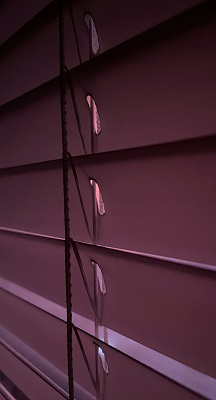
Blinds are a versatile option that can be adjusted to control light and privacy levels. Made of materials like wood, vinyl, or aluminum, blinds can be customized to fit most window sizes. They are ideal for more modern interiors and are particularly suitable for spaces requiring substantial light control, such as offices and kitchens. One of their key advantages is the ability to tilt the slats, allowing for a personalized light exposure while still maintaining some level of privacy.
Shades offer a minimalist look and are made from various fabrics that come in sheer, light-filtering, or blackout options. Roller shades, for example, roll up neatly when not in use, making them a space-saving solution. They are particularly effective in bedrooms or media rooms where light control and privacy are paramount. Additionally, cellular shades add energy efficiency by trapping air in their honeycomb structure.
Shutters are often considered a timeless investment due to their durability and classic appeal. They come in various styles, including plantation and traditional, and can be made of wood or composite materials. Shutters not only provide excellent privacy but also can enhance the energy efficiency of a home. These window treatments are suitable for almost any room, adding character and value to the property.
Best Window Treatments for Privacy
When it comes to selecting window treatments that prioritize both privacy and aesthetic appeal, several options stand out. Each treatment serves the dual purpose of enhancing the beauty of your space while ensuring a sense of security from prying eyes.
One of the most effective choices for maximum privacy is blackout curtains. These curtains are designed with opaque fabrics that block out light completely, thereby preventing outsiders from seeing into your home. In addition to their privacy benefits, blackout curtains also help in regulating indoor temperatures and minimizing energy costs, making them a practical choice for living rooms and bedrooms alike. Their variety of colors and patterns allows you to maintain your desired decor style.
An alternative to curtains is sheer shades. These window treatments effortlessly combine soft fabric with light-filtering qualities. Sheer shades can provide a level of privacy during the day while still allowing natural light to permeate your space. The unique design enables you to modulate light while obstructing the view from outside. This is especially beneficial for areas like dining rooms and offices where you wish to maintain brightness without compromising on seclusion.
Privacy blinds represent another viable option, blending functionality with style. They come in various materials such as wood, faux wood, and aluminum, offering various finishes that can complement different interior designs. Privacy blinds can be adjusted easily to achieve the desired level of light and visibility, allowing homeowners to enjoy unobstructed views when necessary while keeping their private life shielded from outside observers.
When selecting the ideal window treatments for privacy, consider your specific needs, the style of your home, and how different materials will interact with light. Ultimately, the right choice will enhance both your comfort and the overall aesthetic of your space.
Best Window Treatments for Style
When it comes to enhancing the aesthetic appeal of a room, selecting the right window treatments can make all the difference. Blending functionality with elegance, fashionable window treatments can transform ordinary spaces into extraordinary ones. Among the various options available, drapery, designer shades, and custom blinds stand out as prominent choices within the realm of stylish interior design.
Drapery, often regarded as a timeless classic, adds a touch of sophistication to any room. Available in an array of colors, patterns, and fabrics, drapery allows homeowners to express their individual style while maintaining a certain degree of privacy. The cascading effect of tailored drapes can create a sense of height and volume, making a space feel more expansive. Moreover, these fabric treatments can be layered with sheers or blinds to provide versatility in light control.
In contrast, designer shades offer a more contemporary solution for those desiring a minimalist approach. These shades come in various styles, including roller, Roman, and cellular shades, and are often designed with intricate patterns and textures that blend beautifully with modern decor. Designer shades not only enhance privacy but also contribute to energy efficiency by insulating windows against heat loss or gain.
Custom blinds present another excellent option for stylish window treatments. Tailored to fit specific window dimensions, custom blinds provide an elevated level of design versatility. With an extensive range of materials such as wood, faux wood, and aluminum, homeowners can select finishes that complement their interior style. These treatments are particularly effective in controlling light levels and enhancing privacy while still maintaining a chic appearance.
Ultimately, the best window treatments for style involve thoughtful selection to harmonize with the overall design of the space. By choosing drapery, designer shades, or custom blinds, homeowners can achieve a sophisticated look while enjoying the practical benefits of privacy and light management.
Combining Privacy and Style
When it comes to selecting window treatments, homeowners often find themselves striving for a balance between aesthetics and functionality. In an era where personal expression meets practical needs, the combination of privacy and style has gained significant importance. Various window treatment options can achieve this equilibrium, allowing individuals to maintain their privacy without compromising the overall design of their living spaces.
One effective method is the use of layered window treatments. By combining sheer fabrics with heavier drapes or curtains, homeowners can create a sophisticated look that allows light to filter in while still providing adequate privacy. Sheer panels can add an airiness to the room, making it feel more open, while thicker materials can be drawn in the evening to maximize privacy.
Additionally, consider using window films as an alternative stylish solution to enhance privacy. These films come in various designs and tints, allowing homeowners to restrict visibility from outside while maintaining the view from within. They complement modern décor effectively and offer a sleek, unobtrusive appearance.
Another popular choice is plantation shutters, which blend style and practicality seamlessly. These adjustable slats enable occupants to control the amount of light entering a room while ensuring privacy. Available in numerous finishes, plantation shutters enhance the aesthetic of traditional and contemporary homes alike.
Ultimately, the key to successfully combining privacy and style lies in selecting materials and designs that resonate with personal taste while serving functional needs. By exploring innovative ideas like layering, window films, or shutters, homeowners can cultivate private, stylish environments that reflect their unique interior visions.
Maintenance and Care for Window Treatments
Ensuring that your window treatments remain functional and aesthetically pleasing requires regular maintenance and care. Various types of window coverings, such as blinds, curtains, and shades, have unique needs based on their materials and designs. Understanding these requirements can greatly enhance their longevity and appearance.
Cleaning methods often vary among different window treatment types. For example, fabric curtains and drapes benefit from periodic laundering, which helps in removing dust and allergens. Be sure to follow the care instructions on the label to avoid shrinkage or damage. Most synthetic drapes can be machine-washed, while delicate fabrics are best hand-washed or dry-cleaned. In addition, regularly vacuuming fabric window treatments using a soft brush attachment can keep them looking fresh.
Wooden blinds, on the other hand, require a different approach to maintenance. Dust accumulation can be effectively removed with a microfiber cloth or a soft feather duster. It is advisable to avoid excessive moisture when cleaning real wood to prevent warping. For faux wood materials, a damp cloth with a mild cleaner may be used, followed by drying with a soft cloth to maintain their finish.
When it comes to roller shades and vinyl materials, a simple wipe-down can suffice. Using a damp cloth or sponge with a mild soap solution can eliminate stains and marks, keeping these coverings looking brand new. Furthermore, be sure to operate the mechanisms (such as cords and chains) of your window treatments gently to prevent undue wear.
In conclusion, by implementing appropriate cleaning techniques and adhering to care guidelines based on material types, you can enhance the durability of your window treatments and maintain their attractive appearance over time. Consistent care will prevent build-up and fading, ensuring that your window coverings not only offer privacy and style but also provide long-lasting service.
Conclusion and Final Recommendations
In summary, selecting the best window treatments for both privacy and style is an essential step towards enhancing the functionality and aesthetic appeal of any space. Through this discussion, we have explored various options, including blinds, shades, curtains, and other innovative treatments, each offering unique benefits tailored to individual preferences and needs.
For those prioritizing maximum privacy without sacrificing style, options such as roller shades or top-down/bottom-up shades may provide an excellent compromise. These treatments allow for controlled illumination while blocking outside views during the day. Additionally, layered window treatments, combining sheer and blackout fabrics, can offer versatile solutions that cater to differing privacy needs throughout the day.
On the other hand, individuals looking for more traditional or decorative solutions may find that customized curtains or drapes enrich their interiors effortlessly. By incorporating textiles that complement existing decor, curtains can enhance both the overall style and provide significant privacy when needed.
When choosing window treatments, it is crucial to consider not just the level of privacy and visual appeal, but also practical aspects such as maintenance, durability, and safety features, especially in homes with children or pets. Lightweight, easy-to-clean materials may be more suitable for high-traffic areas, allowing for everyday use without added stress.
Ultimately, the best choices will depend on personal lifestyles, the specific design of the environment, and individual privacy preferences. By assessing these factors carefully, homeowners can make informed decisions that enrich their spaces while fulfilling essential privacy needs. Therefore, it is advisable to explore a variety of options and select treatments that harmonize with both functional requirements and aesthetic desires.