
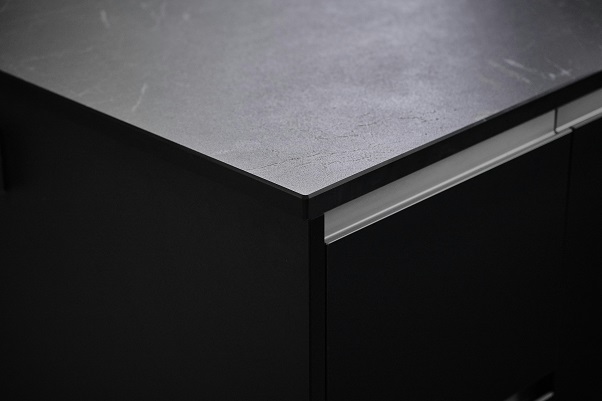
Introduction to Countertop Materials
The selection of countertop materials significantly influences both the aesthetic appeal and functionality of kitchens and bathrooms. As these spaces often serve as the heart of the home, the choice of material is paramount, affecting not just the design but also the practicality of daily use. Countertops endure various challenges, such as spills, heat, and knife cuts, necessitating a thorough understanding of available materials.
Several countertop materials are commonly utilized, each presenting distinct advantages and drawbacks. For instance, materials like granite and quartz are favored for their durability and resilience, making them suitable for high-traffic areas. On the other hand, surfaces made of laminate or wood may appeal due to their cost-effectiveness and design versatility, yet they may require more maintenance to preserve their condition over time.
When selecting a countertop material, one must consider factors such as overall aesthetic preferences, specific functionalities (e.g., resistance to scratches or stains), and the lifestyle of the household. For example, families with young children may benefit from more durable materials, while those focused on a contemporary aesthetic might prefer sleek surfaces. The balance between beauty and utility is crucial, as the right choice will enhance the overall atmosphere of the space while accommodating daily tasks.
This introductory overview sets the stage for a comprehensive examination of the various options available in countertop materials. By analyzing the pros and cons of each type, homeowners can make informed decisions that align with their needs and style. Ultimately, understanding the unique characteristics of different materials empowers consumers to choose the best countertop solution for their individual circumstances.
Granite Countertops: Durability and Beauty
Granite has emerged as one of the most favored materials for kitchen and bathroom countertops, primarily due to its remarkable durability and aesthetic qualities. This natural stone is known for its ability to withstand the rigors of daily use, making it a resilient choice for various applications. Its resistance to scratches and heat further enhances its appeal, particularly in kitchens where hot pans and sharp utensils are commonplace. Homeowners appreciate that granite can maintain its structural integrity and appearance even in the face of daily wear and tear.
In addition to its practical benefits, granite boasts a distinctive and elegant beauty that adds value to any home. Available in a variety of colors and patterns, each slab of granite is unique, ensuring that no two countertops are exactly alike. This natural variability allows homeowners to select a design that complements their personal style and the overall aesthetic of their space.
Despite these advantages, there are certain considerations to bear in mind when choosing granite countertops. One of the notable downsides of granite is its porosity. This characteristic means that without proper treatment, granite surfaces can be susceptible to staining from spills and accumulated residues. To mitigate this risk, regular sealing is essential. This sealing process helps to fill the pores in the stone, preventing liquids from penetrating and causing unsightly marks.
Overall, while granite countertops offer an attractive blend of durability and beauty, potential buyers should also be aware of the need for maintenance to preserve their longevity and appearance. With appropriate care, granite can remain a striking and functional addition to both kitchens and bathrooms for many years.
Quartz Countertops: The Engineered Alternative
Quartz countertops have become a popular choice for homeowners and designers seeking durability combined with aesthetic appeal. As an engineered stone, quartz is composed of around 90-95% crushed natural quartz crystals mixed with resins and pigments. This manufacturing process results in a non-porous surface, making quartz countertops resistant to staining and bacterial growth, a significant advantage for those concerned about hygiene in their kitchen or bathroom.
One of the standout features of quartz countertops is the wide variety of colors and patterns available. Unlike natural stones such as granite or marble, which are limited to their inherent hues and designs, quartz can be easily customized during the manufacturing process. This flexibility allows for a seamless integration with any design scheme, catering to both contemporary and traditional tastes.
Maintenance is another area where quartz excels. Unlike porous materials, quartz does not require sealing to prevent staining or damage, significantly reducing the effort required for upkeep. A simple wipe with soap and water is typically sufficient for daily cleaning, adding to its appeal for busy individuals and families.
However, it is essential to consider some drawbacks when selecting quartz countertops. One notable concern is their heat sensitivity. High temperatures can cause the resin that binds the quartz crystals to soften or warp, making trivets and heat-resistant pads necessary when placing hot cookware on the surface. Additionally, quartz countertops typically come at a higher cost than alternatives like laminate or some natural stones, which might deter some budgets.
Overall, while quartz countertops offer numerous advantages, potential buyers should weigh these benefits against their heat sensitivity and cost when making their choice.
Marble Countertops: Elegance vs. Practicality
Marble countertops are renowned for their classic elegance and aesthetic appeal, making them a popular choice in both residential and commercial spaces. The natural beauty of marble, with its unique veining and rich colors, can instantly elevate the look of any kitchen or bathroom. Its luxurious appearance often conveys a sense of sophistication, attracting homeowners and designers alike. Whether used for a statement island or as part of an overall kitchen design, marble has the ability to enhance the visual appeal of a space significantly.
However, the allure of marble comes with its own set of challenges in terms of practicality. One of the primary concerns is its softness compared to other countertop materials. Marble is more prone to scratching, denting, and chipping, especially when subjected to heavy use. While it shines in static aesthetics, its functional durability can be a compromise, particularly for families or those with high kitchen traffic.
Moreover, marble is susceptible to staining, particularly from acidic substances like lemon juice, wine, and certain cleaning agents. This characteristic can lead to unsightly marks that may not be easily reversible, posing a challenge for maintenance. Regular sealing is necessary to mitigate these issues, further adding to the upkeep required to maintain a pristine look. Homeowners interested in marble countertops must consider if they are willing to invest time and effort into caring for the surface to preserve its inherent beauty.
Thus, while marble brings unparalleled elegance to countertops, potential buyers should carefully weigh these practical considerations against the material’s aesthetic benefits. The decision to incorporate marble into a space involves a delicate balance between visual splendor and everyday usability.
Laminate Countertops: Affordable and Versatile
Laminate countertops have gained popularity in recent years due to their affordability and wide range of design options. These surfaces are manufactured by layering sheets of material that are bonded together, resulting in a durable surface that mimics the appearance of natural stone, wood, or other high-end materials. The versatility of laminate countertops is evident in the vast array of colors, patterns, and textures available to homeowners. This allows for greater customization in kitchen and bathroom design, making laminate an appealing choice for budget-conscious consumers.
One notable advantage of laminate countertops is their resistance to stains. The non-porous surface helps prevent liquids from penetrating, which simplifies the cleaning process and reduces the risk of permanent discoloration. Therefore, they are particularly ideal for high-traffic areas and households with children. Additionally, laminate countertops typically require less maintenance compared to other materials, adding to their practical appeal.
However, it is essential to consider the vulnerabilities of laminate surfaces. Despite their numerous advantages, laminate countertops are susceptible to scratches and heat damage. Sharp objects can easily leave marks on the surface, which may detract from their aesthetic appeal over time. Furthermore, exposing laminate to high temperatures can lead to warping or delamination, limiting the types of cookware and appliances that can be safely used on the countertop. As a result, while laminate offers affordability and versatility, it may not be the best long-term solution for all homeowners, particularly those seeking a more robust material.
Concrete Countertops: The Industrial Chic Choice
Concrete countertops have emerged as a favored option in contemporary kitchen and bathroom designs, offering an industrial chic aesthetic that appeals to modern sensibilities. The versatility of concrete as a material allows it to be tailored to different styles, whether one seeks a polished, sleek surface or a more rustic, textured finish. This adaptability makes concrete an attractive choice for homeowners wanting a bespoke countertop that can reflect their unique style.
An appealing aspect of concrete countertops is their customizability. Homeowners can select from various colors, textures, and finishes, allowing for a high degree of personalization. Furthermore, concrete can be molded into nearly any shape, making it particularly suitable for complex designs or unique layouts. Liquid pigments can also be added to create stunning visual effects, enhancing the overall design of the space.
However, it is essential to be aware of certain drawbacks associated with concrete as a countertop material. One of the primary concerns is porosity; concrete countertops require sealing to prevent stains from oils, acids, and other substances that could seep into the pores. Despite being sealed, they still demand regular maintenance to uphold their appearance and longevity. Additionally, concrete is susceptible to cracking due to expansion and contraction from temperature changes or heavy impacts. Although these cracks can be repaired, they may compromise the aesthetic, especially if they develop in prominent areas.
Finally, water resistance can also be a concern for concrete countertops. Without appropriate sealing, they can absorb moisture, leading to mold or mildew growth, which can have serious implications for hygiene. Therefore, while concrete countertops present a modern and stylish option, potential buyers should weigh these advantages against the maintenance and durability challenges to determine if they are the right fit for their home.
Solid Surface Countertops: Seamless Options
Solid surface countertops are a popular choice among homeowners and designers due to their unique ability to provide a seamless and aesthetically pleasing finish. Made from a blend of acrylic polymer and natural minerals, these countertops offer versatility in both color and design, making them suitable for a variety of interior styles.
One of the primary advantages of solid surface materials is their non-porous nature, which ensures that they do not harbor bacteria or mold, promoting a hygienic cooking environment. Additionally, they can be easily repaired in the event of scratches or dents. This is crucial for maintaining the countertop’s appearance over time, as simple sanding can often restore the surface to its original luster without the need for replacement.
In terms of design possibilities, solid surface countertops are available in a wide array of colors and patterns, allowing for customization that can align perfectly with kitchen or bathroom aesthetics. The seamless nature of these countertops not only contributes to their elegant look but also eliminates grout lines, which can be difficult to clean.
However, solid surface countertops do have some drawbacks that potential buyers should consider. One significant disadvantage is their relative softness compared to other materials, which makes them susceptible to scratches and other forms of wear. Heavy or sharp objects may leave marks on the surface if not handled carefully. Furthermore, solid surface countertops have limited heat resistance, which means hot pots or pans may cause damage if placed directly on the surface. Therefore, it is imperative to use trivets or pads when handling hot cookware.
Overall, while solid surface countertops offer many aesthetic and functional benefits, it is essential to weigh these against the potential drawbacks to determine if they are the right choice for your space.
Wood Countertops: Warmth and Natural Beauty
Wood countertops are revered for their warmth and natural beauty, making them a popular choice in contemporary and traditional kitchens alike. The unique grain patterns and rich colors of wood enhance the aesthetic appeal of any space, providing a charming and inviting atmosphere. Each wood species, whether it be maple, walnut, or cherry, brings its own distinct character and personality, allowing homeowners to choose a countertop that aligns with their individual style.
Moreover, wood is a renewable resource, promoting a more sustainable choice for environmentally conscious consumers. When sourced responsibly, wood countertops can be an eco-friendly option, embodying a commitment to sustainability while instilling a sense of natural elegance in the kitchen. Additionally, their inherent insulating properties help maintain a comfortable temperature, making wood a pleasant material to work with.
However, the allure of wood countertops comes with significant maintenance requirements. Wood is porous, making it susceptible to water damage and staining if not properly cared for. Regular sealing is essential to protect the surface from moisture and prevent it from warping or cracking. Furthermore, wood countertops may require yearly refinishing to maintain their luster and effectively safeguard against scratches and dents. This maintenance can be a deterrent for some homeowners who desire a low-maintenance kitchen solution.
In conclusion, wood countertops offer an unparalleled aesthetic appeal and warmth, but they also demand a higher level of upkeep. Those willing to invest time and effort into maintaining their wood surfaces will find that the beauty and character they bring to a kitchen are well worth the commitment.
Final Thoughts: Choosing the Right Countertop Material for You
When it comes to selecting the ideal countertop material for your home, several factors must be taken into consideration. Aesthetics plays a significant role; the style and design of the countertop should complement the overall look of your kitchen or bathroom. Each material, be it granite, quartz, or laminate, offers distinct visual appeal and can dramatically influence the ambiance of your space. Thus, having a clear understanding of your design preferences is crucial.
Functionality is another vital aspect to consider. Different materials possess unique characteristics regarding durability and resistance to wear and tear. For instance, heavy-duty options like granite are perfect for high-traffic areas, while softer materials may require more care to avoid scratches and stains. Assessing your lifestyle and how you use your countertops will guide you toward the most suitable choice.
Your budget is a critical factor as well, as countertop materials vary widely in price. While luxury options such as marble provide an upscale feel, they may not be feasible for every homeowner. Weighing the costs against the longevity and maintenance requirements of each material will help you make a more economical decision in the long run.
Maintenance requirements differ significantly across materials and should be a key consideration during the decision-making process. Some countertops necessitate regular sealing and special cleaning solutions, while others offer low-maintenance benefits, making them ideal for busy households.
In conclusion, selecting the right countertop material is a multifaceted decision that requires careful consideration of aesthetics, functionality, budget, and maintenance. By weighing these pros and cons in light of your personal needs and lifestyle, you can arrive at an informed decision that best suits your requirements.