
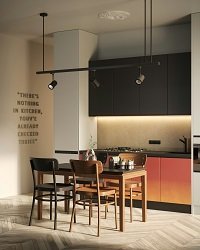
In contemporary interior design, minimalist kitchen design aesthetics have garnered immense popularity, particularly in kitchen spaces. This design philosophy prioritizes simplicity and functionality, showcasing clean lines and a restrained color palette. Homeowners embracing a minimalist kitchen often opt for neutral hues, such as whites, grays, and earth tones, to foster a serene atmosphere that promotes tranquility.
The essence of minimalism is to create an uncluttered space that allows for easy navigation and efficiency. To achieve this look, it is essential to select the right materials and layout. High-quality materials, such as sleek metal finishes, matte cabinetry, and natural stone countertops, can enhance the visual appeal while contributing to longevity and durability. The layout should focus on maximizing functionality, ensuring that all essential elements are within reach yet do not overwhelm the space.
Functional storage solutions play a critical role in maintaining the minimalist kitchen design aesthetic. Incorporating hidden storage solutions such as pull-out drawers, cabinets with integrated organizers, and vertical storage can significantly reduce visual clutter. These strategies not only help to keep countertops clear but also improve overall kitchen efficiency. When appliances and utensils are tucked away, the kitchen can maintain its clean and open feel, encouraging a peaceful environment for cooking and entertaining.
Additionally, when choosing appliances, consider built-in or flush designs that seamlessly blend into cabinetry. This approach not only enhances the simplistic look but also allows for a cohesive flow throughout the kitchen. By focusing on these principles, homeowners can create a minimalist kitchen that exemplifies beauty in simplicity and provides a functional, inviting environment.
Sustainable Kitchen Design: Eco-Friendly Choices
Sustainable kitchen design has emerged as a key consideration for modern homeowners seeking to minimize their environmental impact. By integrating eco-friendly choices into a kitchen remodel, individuals not only enhance their culinary spaces but also contribute to a healthier planet. One of the foremost elements of sustainable kitchen design is the use of recyclable materials. This includes countertops made from recycled glass or reclaimed wood, cabinetry constructed from sustainable sources, and flooring options such as bamboo, which is both durable and renewable.
In addition to materials, energy-efficient appliances play a significant role in promoting sustainability. Homeowners can opt for ENERGY STAR certified appliances that consume less energy and water compared to standard units. These appliances, which include refrigerators, dishwashers, and ovens, not only lower energy bills but also reduce overall household carbon footprints. When selecting new fixtures, water-saving options such as low-flow faucets and dual-flush toilets can effectively minimize water waste without compromising functionality.
The marketplace offers a plethora of sustainable kitchen products from notable brands. Companies like IKEA and Bosch are renowned for their commitment to eco-friendly practices, producing products that marry style and sustainability. Homeowners can find innovative solutions such as composting bins that seamlessly integrate into cabinetry or under-sink waste sorting systems. Such products encourage eco-conscious habits and provide a pathway to reducing kitchen waste.
Incorporating sustainable practices into minimalist kitchen design remodels is achievable through thoughtful planning and consideration. Homeowners should focus on maximizing natural light to reduce reliance on artificial lighting, choosing vegan finishes free from harmful chemicals, and seeking out local suppliers for materials to minimize transport emissions. By prioritizing these eco-friendly choices, one can create a stylish yet sustainable kitchen that aligns with modern lifestyle demands and respects environmental responsibilities.
Bold Colors and Textures: Making a Statement
In contemporary kitchen design, the use of bold colors and rich textures has emerged as a defining trend that can significantly transform the visual dynamics of a space. Vibrant hues can serve not only to energize a kitchen but also to evoke a welcoming atmosphere, making the heart of the home more inviting. When incorporating these colors, it is essential to choose shades that complement one another while also reflecting the homeowner’s personality and style. For instance, deep navy or emerald green can create an elegant backdrop that allows lighter elements to stand out, providing a balanced and aesthetically pleasing environment.
To successfully integrate bold colors into minimalist kitchen design designs, it is advisable to apply them strategically. Consider starting with a feature wall or selected cabinetry painted in a striking color, while keeping the rest of the elements more subdued. This approach ensures that the vibrant elements do not overwhelm the space but instead enhance its overall appeal. Additionally, the strategic use of textures can further elevate the kitchen’s look. Incorporating elements such as textured backsplash tiles, matte-finished cabinets, or patterned countertops adds depth and interest, inviting tactile engagement.
Moreover, innovative finishes, like brushed metals or distressed woods, can introduce an unexpected twist that aligns with modern design aesthetics. These finishes work harmoniously with bold colors, creating a visually striking yet cohesive kitchen atmosphere. The careful combination of bold colors and rich textures not only makes a statement but also emphasizes the kitchen’s role as a focal point in the home. By embracing these elements thoughtfully, homeowners can create a modern kitchen that reflects their tastes while remaining practical and functional.
Smart Technology Integration: The Kitchen of the Future
As we venture further into the 21st century, kitchens are evolving, fueled by advancements in smart technology. These innovations not only enhance the aesthetic of modern kitchens but also elevate functionality, convenience, and energy efficiency. The integration of smart devices and appliances offers homeowners a unique opportunity to customize their cooking and dining experiences.
Among the latest gadgets making waves in kitchen designs are smart refrigerators equipped with touch screens that allow users to browse recipes, create shopping lists, and even stream music while cooking. Additionally, smart ovens that can be controlled remotely offer precision cooking at your fingertips, ensuring that your meal is prepared to perfection every time. These appliances are typically compatible with smart home systems, enabling seamless connectivity and control.
When considering technology integration in kitchen designs, it is vital to evaluate the specific needs of your household. Smart lighting systems, for example, can enhance your kitchen’s ambiance by allowing you to adjust the brightness and color temperature according to the time of day or mood. Furthermore, smart assistants like Google Home or Amazon Alexa can aid in controlling various kitchen devices with simple voice commands, providing an added layer of convenience.
Choosing the right technology shouldn’t be overwhelming. Assess the layout of your kitchen and identify which areas would benefit most from smart appliances, whether it be a high-tech coffee maker for the early riser or an automated cooking system for the busy professional. Embrace these innovations to transform your cooking experience, resulting in a more efficient and enjoyable environment.
In conclusion, the integration of smart technology in kitchen designs symbolizes a progressive shift in how we engage with our culinary spaces. Modern homeowners can appreciate the efficiencies and convenience brought by these advancements, ultimately leading to a more enjoyable cooking experience.