
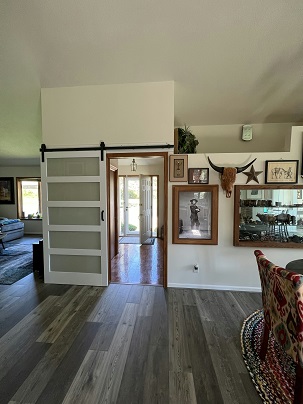
Introduction: The Desire for Transformation
Home transformation often find themselves yearning for a significant transformation in their living spaces without the disruptions and costs associated with major renovations. This desire stems from various motivations, including the need for enhanced comfort, an improved aesthetic appeal, and increased property value. Thankfully, achieving a fresh look and improved functionality in a home does not necessarily require extensive remodeling. Minor upgrades can have a profound impact on the overall atmosphere of a space. Simple changes like a fresh coat of paint, new lighting fixtures, or updated hardware on cabinets can breathe new life into an area. These adjustments, while small, can radically enhance the visual appeal and ambiance of a home, making it feel more personalized and inviting. When homeowners engage in these minor improvements, they often find that their living environments become more enjoyable and aligned with their personal tastes.
Furthermore, investment in small upgrades can contribute to an increase in the value of a property. Real estate experts often indicate that prospective buyers are drawn to homes that reflect a modern and updated look. Consequently, strategic enhancements can not only transform a space into a cozy retreat but also serve as wise investments when it comes time to sell.
In sum, the urge to upgrade living spaces without undergoing extensive renovations is common among homeowners. While large projects can be daunting and costly, minor modifications can effectively fulfill this desire for transformation. By focusing on small yet impactful changes, homeowners can create a space that is more functional, aesthetically pleasing, and potentially more valuable in the market.
Assessing Your Space: Identifying Opportunities for Improvement
To successfully upgrade your home without resorting to major renovations, it is essential to begin with a thorough assessment of your space. This process involves analyzing both the interior and exterior of your home to identify areas ripe for improvement.
Start by evaluating your living spaces. Look for rooms that feel outdated or cluttered. Consider whether the colors, furnishings, and decor reflect your current personal style or if they seem disconnected from your tastes. Take note of any spaces that may not serve their intended purpose effectively. Areas that are underutilized may benefit from a reconfiguration or a new arrangement of furniture to enhance functionality.
Next, focus on the exterior of your home. The entrance, garden, and outdoor living areas can impact curb appeal significantly. Identifying elements that hinder the appearance, such as worn-out paint, overgrown landscaping, or inadequate outdoor lighting, can guide your upgrade choices. A simple refresh, like landscaping or painting your front door, can dramatically change your home’s exterior appearance.
Moreover, consider how your lifestyle needs have evolved. Families might require more practical spaces for storage or seating, while individuals may seek a home office or a cozy reading nook. Understanding your changing needs will help you pinpoint the areas with the most potential for improvement.
Taking a critical look at your home through this lens is vital. Document what works and what doesn’t, and do not shy away from brainstorming creative solutions. By identifying opportunities for enhancement based on personal style and functional needs, you can prioritize upgrades that will elevate your home’s overall comfort and aesthetic without the need for extensive renovations.
Simple Cosmetic Changes: Paint and Décor
One of the most effective ways to elevate your home’s aesthetic is through simple cosmetic changes, specifically utilizing paint and décor. A fresh coat of paint can dramatically transform a room, altering not just the color scheme but also the perceived size and ambiance of the space. Light colors can open up a room, creating the illusion of airiness, while darker tones can introduce warmth and coziness. Selecting the right paint finish is also crucial; for example, satin finishes are often favored for their durability and ease of cleaning, making them suitable for high-traffic areas.
In addition to paint, updating wall art, textiles, and other decorative elements can refresh the character of your home without embarking on any major renovations. Replacing outdated photographs or paintings with modern or personalized artwork not only enhances the visual appeal but also allows you to express your personality and interests. Consider features such as framed prints, canvas arts, or even shelving displays that are cohesive with the new paint tones.
Moreover, textiles play a pivotal role in enhancing a space’s feel. Incorporating new throw pillows, area rugs, or window treatments can add layers of texture and color, contributing to an inviting atmosphere. Accessories, such as decorative vases or statement pieces, should not be overlooked; they can serve as the finishing touch that ties together the updated look of any room.
By strategically choosing paint and updating décor, homeowners can achieve significant visual improvements. Each small change adds up, resulting in a refreshed living environment that feels new and lively. These straightforward enhancements can be done at your own pace and within budget, making them an excellent alternative for those seeking to upgrade their home without the need for extensive renovations.
Lighting Upgrades: The Power of Illumination
Lighting is a quintessential element of home design that significantly influences the overall ambiance and functionality of a space. Many homeowners often overlook the potential impact that proper lighting upgrades can have on their living environment. A strategic approach to lighting can transform a dull room into an inviting area and substantially enhance the quality of life at home.
One effective way to elevate your home’s lighting is by replacing outdated fixtures with contemporary designs that reflect your style. Modern fixtures not only improve the aesthetics of the room but often feature energy-efficient technology, thereby reducing electricity costs. Selecting fixtures that complement your interior design theme can cohesively tie the space together while adding an element of sophistication.
In addition to fixture upgrades, integrating dimmers is a practical recommendation to consider. Dimmers provide flexibility and enable homeowners to adjust the brightness of their lights according to the time of day or the mood they wish to create. This simple addition can lead to a more relaxed atmosphere during evenings or create a lively setting during social gatherings.
Moreover, incorporating layered lighting enhances a room’s functionality and aesthetics. Combining ambient, task, and accent lighting allows for better illumination suited to varied activities, such as reading, cooking, or entertaining. Think about adding floor lamps, decorative wall sconces, and strategically placed table lamps to create depth and highlight key features within your living spaces.
Finally, the importance of natural light cannot be overstated. Maximizing the influx of sunlight can not only brighten your home but also contribute to improved mood and well-being. Consider using light window treatments, strategically placing mirrors, and keeping windows clean to enhance natural light flow in your home. With careful consideration of these aspects of lighting upgrades, it is possible to create a more inviting and dynamic living environment.
Smart Home Upgrades: Embracing Technology
In recent years, technology has made significant strides in transforming our living spaces into more efficient and convenient environments. Smart home upgrades are increasingly popular among homeowners looking to create a modern living space without undertaking major renovations. These upgrades encompass a variety of devices and systems designed to enhance convenience, improve energy efficiency, and promote security within the home.
One of the most beneficial smart home enhancements is the installation of programmable thermostats. These systems enable homeowners to control their heating and cooling settings remotely, allowing for personalized temperature adjustments that can lead to substantial energy savings. By scheduling temperature changes according to daily routines, homeowners can reduce energy consumption when they are away from the house, which is not only economical but also environmentally friendly.
Another popular smart home upgrade is the implementation of smart lighting solutions. Smart lights can be controlled through mobile applications or voice commands, providing users with the ability to set schedules, dim lights, and even change colors to create the desired ambiance. This not only enhances comfort but can also result in decreased electricity bills, as users can easily turn off lights left on when they leave a room.
Security systems have also evolved significantly with advancements in technology. Smart security cameras and alarm systems provide homeowners with real-time monitoring capabilities, alerting them to potential threats and allowing for remote access to footage. These systems can be integrated with smartphones for ultimate convenience and peace of mind. Moreover, the presence of a modern security system can deter criminal activity, hence enhancing the safety of the household.
Overall, the integration of smart home technologies brings numerous advantages, including enhanced convenience, improved energy efficiency, and increased security. As homeowners look for ways to upgrade their living spaces without drastic renovations, embracing smart technology stands out as a wise and effective choice.
Outdoor Enhancements: Creating a Welcoming Exterior
Enhancing your outdoor space is a valuable strategy for improving the overall appeal of your home without undergoing extensive renovations. One of the most effective ways to create a welcoming exterior is through thoughtful landscaping improvements. Incorporating native plants, colorful flower beds, and well-maintained shrubs can significantly boost the aesthetic of your yard. Consider designing a landscape that complements your home’s architecture, ensuring a cohesive and inviting look.
In addition to landscaping, updating your outdoor furniture can transform your exterior into a relaxing and functional living area. Choose durable, weather-resistant materials that provide comfort and style. Incorporating seating arrangements, such as a cozy outdoor sofa or stylish lounge chairs, serves as an invitation for family and friends to gather outside. Don’t overlook accessories, like outdoor rugs, cushions, and decorative pillows, which can add personality and warmth to your space.
Another approach to enhancing your curb appeal is through simple hardscaping projects. Features such as pathways, decks, or patios can define your space while also adding functionality. Utilizing materials like stone, brick, or pavers can create visual interest and structure. A well-placed fire pit or outdoor dining area can further enhance your exterior, providing a perfect setting for social gatherings or quiet evenings under the stars. Investing time and resources in these enhancements creates harmonious outdoor spaces that encourage relaxation and entertainment.
To summarize, small outdoor enhancements through landscaping, furniture updates, and hardscaping can significantly elevate your home’s exterior. These changes not only contribute to improved curb appeal but also enhance your experience in enjoying outdoor relaxation and entertainment.
Functional Upgrades: Storage Solutions and Organization
Creating a functional and organized home is essential for enhancing both comfort and efficiency in everyday living. One of the most impactful ways to achieve this is through strategic storage solutions and organization methods that do not require extensive renovations. Implementing simple upgrades can foster a more streamlined environment, making spaces feel larger and more livable.
One effective approach is the installation of shelving. Floating shelves, corner shelves, or built-in units can dramatically increase vertical storage without occupying valuable floor space. They not only serve a practical purpose but can also be decorative, showcasing books, plants, or personal items that reflect your style. Furthermore, accessible shelving makes it easier to keep items visible, reducing clutter and allowing for better organization.
In addition to shelving, adopting closet organization systems can significantly boost your home’s functionality. Utilizing customizable shelving units, drawer organizers, and hanging systems can optimize closet space, making it easier to find and access clothing and accessories. By categorizing items and implementing a clearly defined system, you enhance both the practicality and aesthetics of your closets.
Lastly, consider incorporating multifunctional furniture, such as ottomans with storage, murphy beds, or coffee tables that double as storage units. These pieces serve dual purposes, allowing homeowners to maximize their living space while reducing the need for excess furniture. Such upgrades not only benefit the organization but also contribute to an overall cohesive design.
To further enhance your environment, periodically declutter your spaces. Implementing a regular cleaning schedule and focusing on one area at a time can make the process manageable. By removing items that are no longer needed, you create a serene atmosphere that promotes relaxation and focus.
Investing in functional upgrades is a practical approach to improve your home’s organization and livability. Through effective storage solutions and mindful organization, you can create an inviting and efficient space that meets the demands of everyday life.
DIY Projects: Personalizing Your Home on a Budget
Embarking on DIY projects offers homeowners an appealing opportunity to enhance their living spaces without incurring significant costs. Engaging in such undertakings not only provides a creative outlet but also allows for personal expression and customization, making your home truly reflect your style and needs. Simple updates can contribute remarkably to the overall aesthetic and functionality of a space.
One popular project you might consider is building custom shelves. Customized shelving units can optimize unused wall space while providing functional storage solutions. This project can be executed with readily available materials at a low cost, and there are countless online tutorials and templates that guide you through the process, ensuring even novice DIYers can successfully complete their projects.
Another effective way to personalize your home is by creating a gallery wall. This project allows you to showcase family photos, artworks, or prints that resonate with you. It can be tailored to fit any space and style, from minimalist arrangements to more eclectic displays. Measuring and planning out your layout beforehand can save time and ensure a cohesive look.
Additionally, upcycling furniture stands out as a sustainable and budget-friendly approach to home improvement. Transforming old, unused pieces through sanding, painting, or reupholstering can breathe new life into your decor. By researching ideas and techniques online, you can find endless inspiration, from reimagining a vintage chair to converting a wooden pallet into a unique coffee table.
For those new to DIY projects, there are ample resources available, such as blogs, YouTube channels, and online forums dedicated to home improvement. These platforms can provide guidance and inspiration, helping you navigate your DIY journey with confidence. With creativity and a bit of elbow grease, personalized upgrades can be accomplished on a budget, significantly enhancing the appeal of your home.
Conclusion: Enjoying Your Upgraded Space
Upgrading your home does not always require significant renovations; sometimes, small changes can have a profound impact on your daily living. The joy of enhancing your space manifests in various ways, from improved functionality to a more inviting atmosphere. Whether it is through the addition of decorative elements, updated lighting, or a fresh coat of paint, these upgrades can transform your home without overwhelming your budget or timeline.
Regularly assessing your living environment allows you to identify areas that could benefit from an incremental upgrade. Perhaps the living room could use a new area rug, or the kitchen could feel more modern with updated hardware. Each small improvement contributes to a more stunning and personalized living space, making your home a reflection of your unique style and preferences. The cumulative effect of these upgrades can lead to significant changes over time, creating a harmonious and comfortable environment where you and your family can thrive.
Not only do these enhancements boost aesthetic appeal, but they also increase functionality, thereby improving your overall quality of life. Enjoying your upgraded space serves as a reminder that your home is a sanctuary that evolves alongside your needs and desires. Embrace the process of home improvement and remain open to new ideas and possibilities, allowing you to curate an environment that truly feels like home.
As you consider future upgrades, remember that even the smallest changes can lead to a more satisfying and well-designed space. With a thoughtful approach, your home can continue to evolve into a place of comfort and joy, perfectly suited to your lifestyle.