
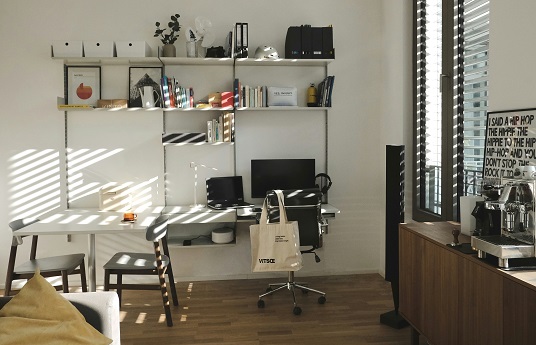
Importance of an Organized Home Office
An organized home office plays a crucial role in enhancing productivity. In today’s remote working environment, many individuals and professionals have transitioned their workspaces into their homes. However, what often gets overlooked is the observable impact of an organized setting on overall performance and mental well-being. A cluttered workspace can act as a significant distraction, leading to increased stress levels and reduced focus.
Physical clutter in a home office can overwhelm the senses, making it challenging to concentrate on work tasks. Studies have indicated that a disorganized environment can negatively affect cognitive functions, resulting in decreased motivation and efficiency. It can create mental barriers that hinder creativity and problem-solving abilities, which are vital components in many professions. Therefore, maintaining an orderly home office is not just about aesthetics; it is integral for encouraging mental clarity and promoting a productive mindset.
On the other hand, an organized workspace contributes positively to one’s overall experience. A tidy environment is shown to evoke a sense of calm, thus setting an ideal backdrop for focused work. When everything is in its rightful place, it minimizes the likelihood of distractions and enables an individual to navigate through tasks with ease. Furthermore, being able to locate documents or tools without the frustration of searching through chaos can significantly enhance workflow efficiency, leading to timely completion of tasks.
In essence, fostering an organized home office is essential for those looking to maximize productivity. A systematic approach not only streamlines tasks but also fosters a healthful working environment where one can thrive. Establishing order in one’s workspace can make all the difference in how effectively one works and ultimately leads to greater professional satisfaction.
Assessing Your Space
When organizing a home office, the first step is to thoroughly assess the space you currently have. This evaluation will help identify the strengths and weaknesses of your existing layout, ultimately guiding you toward a more productive environment. Start by examining the lighting in your home office. Natural light can significantly enhance mood and energy levels, so prioritize locating your desk near windows if possible. In contrast, if your space relies on artificial lighting, opt for warm, adjustable fixtures that minimize eye strain while providing ample illumination.
The arrangement of furniture is another crucial aspect to consider. A well-organized desk not only allows for efficient workflow but also reflects your personal style. Consider the ergonomics of your chair and desk height to facilitate comfortable seating during long working hours. Additionally, ensure that essential items are within arm’s reach to avoid unnecessary interruptions. Utilize vertical space effectively by incorporating shelves or wall-mounted organizers, which can free up valuable desk space while providing easy access to supplies.
Furthermore, storage solutions play a vital role in maintaining an organized home office. Assess your current storage options and identify those that are most functional for your needs. This may include filing cabinets, drawers, or decorative bins that blend seamlessly with your decor. Implementing a combination of open and closed storage can create a visually appealing workspace while keeping clutter at bay. Additionally, regularly evaluating your belongings allows you to purge items that are no longer necessary, reinforcing a streamlined environment.
Decluttering Techniques
Maintaining an organized workspace is essential for enhancing productivity, and effective decluttering techniques can significantly aid this process. The first step in decluttering your office is to assess your items. Begin by sorting through everything on your desk, shelves, and storage areas. Utilize the “four-box method,” which involves labeling four boxes as ‘keep,’ ‘donate,’ ‘discard,’ and ‘relocate.’ This method can help streamline your decision-making process regarding what to do with each item.
As you sort through your belongings, you should consider each item’s utility and relevance to your current work requirements. Items that have not been used in the past six months may be candidates for removal. For materials that are still useful but no longer necessary, donating them to a local charity or recycling can be a responsible choice.
Establishing a system for regular decluttering is vital in preventing clutter from accumulating again. Designate specific times, such as at the beginning or end of each week, to evaluate your workspace and remove unnecessary items. This could also include a review of digital clutter, such as organizing files and deleting outdated documents. Keeping your virtual workspace tidy is as important as physical decluttering.
Once you have completed your sorting, create designated spaces for the items you decide to keep. Use storage solutions such as bins, shelves, and organizers that fit your workspace while also being easily accessible. It is best to keep frequently used items within arm’s reach, while less commonly used materials can be stored in cabinets or higher shelves.
In conclusion, implementing effective decluttering techniques not only helps in creating a more organized workspace but also aids in boosting overall productivity by minimizing distractions. Regularly evaluating your office setup will ensure that you maintain an efficient and pleasant working environment.
Functional Furniture Selection
When it comes to creating a productive home office, the selection of functional furniture plays a crucial role. Choosing the right furnishings can significantly impact comfort and efficiency, directly influencing your overall productivity. The importance of ergonomic options cannot be overstated, as they are designed to support the body’s natural posture and reduce discomfort during long hours of work.
Ergonomic chairs, for instance, are essential for maintaining proper seating posture while working. These chairs not only provide adequate lumbar support but also encourage movement, enabling users to adjust positions frequently. The ideal ergonomic chair will have adjustable height, armrests, and a recline feature to cater to individual preferences. Similarly, an adjustable desk can further enhance functionality. A sit-stand desk, for example, allows users to alternate between sitting and standing, which can reduce fatigue and promote engagement throughout the workday.
Comfort is paramount when selecting furniture for your home office. A well-designed workspace can prevent distractions caused by physical discomfort, thus allowing you to concentrate better on tasks. Opting for cushioning in your chair and using desk pads can contribute positively to your work experience.
Additionally, considering multi-purpose furniture can aid significantly in maximizing your home office space. For instance, a desk with built-in storage helps keep necessary supplies organized while maintaining a clutter-free environment. Moreover, utilizing shelving units or wall-mounted organizers can provide creative solutions for storing documents and office supplies, ultimately optimizing the available workspace without compromising on functionality.
In conclusion, carefully selecting functional furniture, focusing on ergonomic designs, and considering space-saving solutions can lead to a more comfortable and productive home office environment. This thoughtful approach to furniture choice enhances both the physical workspace and overall work efficiency.
Effective Storage Solutions
Organization is a critical aspect of maintaining productivity in a home office environment. One of the most effective ways to achieve this is through proper storage solutions. With the right approach, you can create an organized workspace that not only enhances efficiency but also minimizes distractions.
First, consider utilizing shelving units as a fundamental storage strategy. Shelves can be mounted on walls, thereby freeing up valuable floor space while maximizing vertical areas. Open shelving allows for easy access to frequently used items, such as office supplies or reference materials. Alternatively, closed shelving can conceal clutter while creating a cleaner aesthetic. Investing in adjustable shelves can offer flexibility, enabling you to customize the space according to your needs.
Filing systems also play a vital role in organizing documents and important papers within your home office. This solution involves categorizing items—whether through an alphabetized method or by project—ensuring that each document is readily available when needed. Choosing a filing cabinet that fits your decor can further enhance the atmosphere of your workspace while providing a functional solution for paper management. Additionally, utilizing labels on folders and drawers can significantly speed up the retrieval of information, preventing unnecessary time spent searching for important documents.
In today’s digital age, digital storage solutions are equally important. Cloud storage services enable users to keep documents accessible from anywhere while minimizing physical clutter. Implementing a digital filing system offers various organization options, such as folders categorized by client or project type. Regularly backing up and organizing files in a digital format not only streamlines your workflow but also reduces the risk of losing vital information.
Incorporating these storage solutions into your home office will create an organized and efficient workspace, allowing you to focus on tasks at hand with minimal interruptions. Each element plays a unique role in enhancing overall productivity by ensuring everything has its designated place.
Creating a Distraction-Free Zone
Establishing a distraction-free zone in your home office is crucial for enhancing productivity and maintaining focus. This involves implementing various strategies tailored to minimize interruptions and foster a conducive work environment. One effective approach is soundproofing your workspace. This can be achieved through the use of heavy curtains, acoustic panels, or soundproofing seals around doors and windows. Additionally, introducing white noise machines or soft background music can help mask distracting sounds, creating a more peaceful atmosphere conducive to concentration.
Another significant aspect of designing a distraction-free zone is setting clear boundaries with housemates or family members. Communicate your work hours and the importance of undisturbed time. For instance, you could use a visible signal, such as a ”do not disturb” sign or specific work hours when you prefer not to be interrupted. This clear communication not only delineates your work time but also encourages respect for your professional space and necessity for focus.
Furthermore, leveraging technology can play a critical role in maintaining focus within your home office. Various applications are available that can help block distracting websites, manage notifications, and even track time spent on tasks to promote accountability. Using techniques such as the Pomodoro Technique, where periods of work are interspersed with short breaks, can enhance productivity while allowing your mind to refresh. By utilizing these strategies, you can create a specialized environment that minimizes distractions, enhances your efficiency, and ultimately leads to higher productivity levels in your home office. This thoughtful approach ensures that your workspace serves its intended purpose, allowing you to concentrate on your tasks effectively.
Personalizing Your Workspace
Creating a personalized workspace is vital for enhancing productivity in a home office environment. Personal touches such as decor, plants, and personal items can significantly influence your mood and motivation while you work. The right combination of these elements can create a positive atmosphere that encourages creativity and focus.
When selecting decor for your home office, consider incorporating pieces that inspire you. This may include artwork, motivational quotes, or photographs of loved ones. Such items can serve as daily reminders of your goals and aspirations, adding a layer of emotional connection to your workspace. However, it is essential to strike a balance between personalization and professionalism. Too many distractions can hinder concentrate, so choose display items selectively, ensuring they complement your work rather than detract from it.
Additively, incorporating plants into your home office can provide numerous benefits. Indoor plants not only enhance the aesthetic quality of your space but also improve air quality and reduce stress. Research suggests that proximity to nature can increase feelings of well-being and tranquility, enabling you to focus better. Opt for low-maintenance options such as succulents or snake plants, which require minimal care yet maximize the impact on your workspace.
Additionally, personalizing your workspace should encompass the arrangement of furniture and equipment. An ergonomic setup that reflects your preferences ensures comfort and promotes productivity. Invest in a quality desk and chair that fit your specifications while allowing easy access to necessary tools and resources. This optimization of your physical environment mirrors the importance of creating a space that resonates with your personal identity.
Ultimately, a personalized home office can foster a more productive work environment by integrating elements that reflect your individual needs and tastes. Careful selection of decor, plants, and spatial arrangements can revitalize your workspace, making it a conducive setting for professional growth.
Time Management Tools and Techniques
Effective time management is crucial for enhancing productivity in a home office environment. Implementing various tools and techniques can significantly improve one’s ability to manage time efficiently. One of the most popular digital tools available today is project management software, such as Trello, Asana, or Todoist. These applications allow users to create task lists, set deadlines, and prioritize work, ultimately providing a clear overview of ongoing projects.
Another helpful resource is the use of digital calendars like Google Calendar or Microsoft Outlook. By utilizing these platforms, individuals can plan their schedules, set reminders for important meetings, and block time for deep work sessions. This structured approach helps in minimizing distractions and staying focused on the tasks that truly matter.
In addition to digital solutions, traditional paper planners can also be advantageous. Many people find that writing down their tasks and appointments physically aids memory retention and encourages commitment. Bullet journaling has emerged as a popular method among professionals for tracking tasks and personal goals simultaneously.
Moreover, the Pomodoro Technique is an effective method for maintaining productivity and ensuring work-life balance. This technique involves breaking work into 25-minute intervals, followed by a short break. After completing four intervals, a longer break is taken. This approach helps to combat fatigue and allows the mind to recharge, thus increasing overall efficiency during work hours.
In choosing the right time management tools and techniques, it is essential for individuals to consider their personal work style and specific needs. Experimenting with different methods can help each person find what works best for them, ultimately leading to a more organized and productive home office experience.
Maintaining Organization Over Time
Ensuring that your home office remains organized over time is pivotal for sustaining productivity. To achieve this, consider implementing a systematic approach that includes the establishment of routines, employ checklists, and dedicate time for regular reviews. By adhering to these strategies, you can prevent clutter from building up and adapt your workspace as your needs and work requirements evolve.
Firstly, establishing daily and weekly routines can significantly aid in maintaining order within your home office. Allocating specific times for organizing tasks, such as tidying up your desk at the end of each workday or performing a deeper clean weekly, will help keep your workspace functional and clutter-free. Consider designating a specific day for organizing digital files, ensuring that both physical and digital spaces are efficiently managed.
Additionally, creating checklists can be an invaluable tool for managing tasks related to organization. A checklist can serve as a physical reminder of what needs to be done, from sorting through paperwork to decluttering supplies that no longer serve a purpose. This method can also enhance focus by clearly defining the actions required to maintain an orderly environment.
Moreover, regular reviews of your workspace and organization methods are essential for adapting to changes over time. Schedule reviews at least once a month to evaluate what organizational methods are working effectively and which ones need adjustment. This allows you to refine your setup and assess the impact of your space on your productivity.
In summary, by employing structured routines, utilizing checklists, and conducting regular evaluations of your organizational methods, you can ensure that your home office remains a conducive environment for increased productivity. These practices not only foster a tidy workspace but also promote ongoing adaptability, aligning your environment with your evolving work needs.