
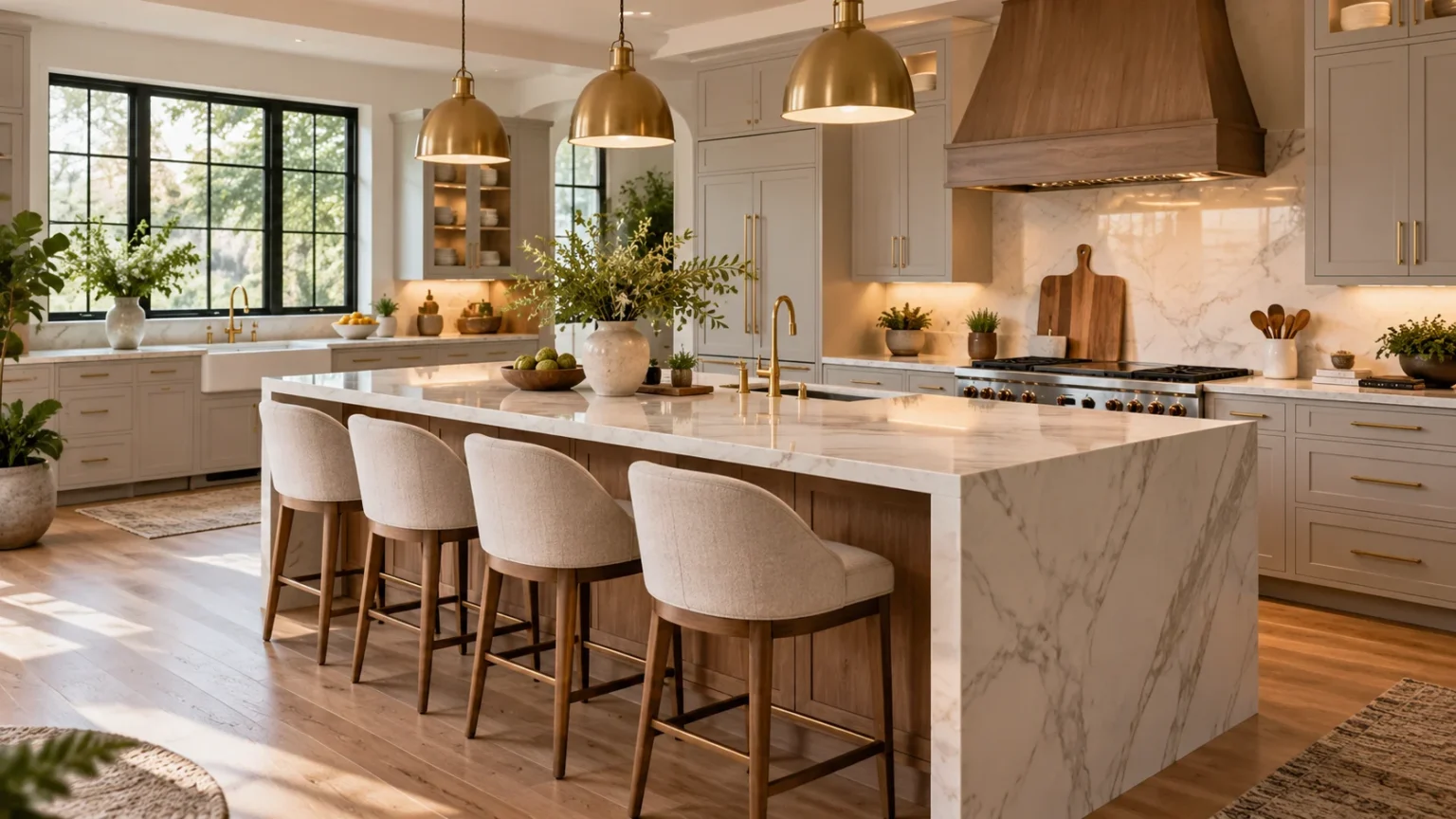
A nice kitchen is more than a place to prepare meals. It is a space where style, comfort, and everyday functionality come together to make cooking, dining, and spending time with family more enjoyable. From beautiful cabinets and modern countertops to thoughtful lighting and decorative details, the right design choices can turn an ordinary kitchen into an attractive and welcoming part of your home.
Creating a designer kitchen does not always require expensive renovations or a complete layout change. Small improvements, coordinated colors, practical storage, and carefully selected materials can make a noticeable difference. Whether you prefer modern kitchen design, minimalist interiors, farmhouse charm, or timeless elegance, this guide explores stylish kitchen ideas that can help you achieve a sophisticated appearance while keeping your space comfortable and functional.
Choose a Beautiful Kitchen Color Scheme
Selecting the right color scheme is one of the easiest ways to give your kitchen a polished and coordinated appearance. Colors influence how spacious, bright, and welcoming a room feels throughout the day. Neutral shades such as white, beige, warm gray, and soft cream are popular choices because they complement different cabinet finishes, countertops, and decorative accessories.
For a more distinctive appearance, consider introducing muted greens, navy blue, charcoal, or warm earthy tones. These colors can add depth and personality without overwhelming the entire room. Pairing darker cabinets with lighter walls or countertops creates visual contrast, helping the kitchen maintain a balanced and attractive design.
Before choosing a final palette, observe how natural and artificial lighting affects colors at different times of day. A shade that looks perfect in a showroom may appear different inside your home. Testing paint samples and comparing them with existing flooring, cabinets, and countertops can help you develop a harmonious kitchen color combination.
Upgrade Kitchen Cabinets for a Designer Look
Kitchen cabinets occupy a large portion of the room, making them one of the most influential elements in the overall design. Their color, finish, shape, and arrangement can significantly affect how the kitchen looks and functions. Choosing cabinets that complement the architecture of your home helps establish a consistent visual style.
Shaker-style cabinets remain a versatile option because their simple recessed panels suit both traditional and contemporary kitchens. Flat-panel cabinets can create a cleaner, more minimalist appearance, while natural wood finishes add warmth and texture. Glass-front cabinets may also introduce visual interest when used selectively for displaying organized dishes or decorative items.
Replacing every cabinet is not always necessary when the existing units remain structurally sound. Repainting cabinet doors, replacing worn hardware, or updating selected panels can refresh the overall appearance at a lower cost. These improvements can make an older kitchen feel more contemporary while preserving useful storage and avoiding unnecessary construction work.
Install Stylish Kitchen Countertops
Countertops play an important role in kitchen design because they provide essential preparation space while contributing to the room’s overall appearance. Popular materials include quartz, granite, marble, solid surface products, laminate, and butcher block. Each option has different maintenance requirements, visual characteristics, and price considerations that influence its suitability.
Quartz countertops are often selected for their consistent appearance and relatively straightforward maintenance, although heat precautions remain important. Natural stone surfaces such as granite and marble introduce distinctive patterns and textures. However, some natural stones require additional care to reduce staining, etching, or moisture-related problems during everyday use.
When selecting a countertop, consider how its color and texture interact with cabinets, walls, and flooring. Light surfaces can help brighten compact kitchens, while darker countertops may introduce contrast and a more dramatic appearance. Choosing a durable material that matches your cooking habits is just as important as achieving the desired decorative style.
Add Elegant Kitchen Backsplash Designs
A kitchen backsplash protects the wall behind countertops and cooking areas while introducing color, pattern, and texture. Because it occupies a visible section of the room, even a relatively small backsplash can influence the overall design. Tile, stone, glass, and other suitable materials allow homeowners to explore different decorative styles.
Subway tiles are popular because their simple rectangular shape works with modern, farmhouse, and traditional kitchens. For a more distinctive look, consider handmade-style tiles, geometric patterns, or vertically arranged designs. Natural stone backsplashes can also create a refined appearance, especially when their colors coordinate with the countertop.
A designer-style backsplash should complement surrounding features rather than compete with every decorative element. If the countertops already contain strong patterns, a simpler backsplash may establish better visual balance. Choosing suitable grout, easy-to-clean surfaces, and materials appropriate for the cooking area also helps maintain an attractive appearance over time.
Improve Kitchen Lighting for a Warm and Modern Feel
Lighting can transform the atmosphere of a kitchen by highlighting important features and making everyday activities more comfortable. A well-designed lighting plan typically combines general illumination, focused task lighting, and decorative accent lighting. These layers help the kitchen function effectively while creating a welcoming atmosphere during different times of day.
Pendant lights above a kitchen island can become attractive focal points while supporting food preparation and casual dining. Under-cabinet lighting helps illuminate countertops, reducing shadows created by overhead cabinets. Recessed ceiling lights may also contribute to even general illumination when positioned appropriately for the room’s layout and dimensions.
The color temperature and brightness of lighting should match the kitchen’s purpose and decorative style. Warm white lighting can make certain materials feel inviting, while carefully selected task lighting improves visibility during food preparation. Using compatible dimmers and separate lighting controls allows homeowners to adjust the atmosphere without sacrificing essential functionality.
Design a Nice Kitchen With Natural Wood Accents
Natural wood introduces warmth, texture, and an organic quality that can soften the appearance of modern kitchen materials. Wooden cabinets, floating shelves, breakfast stools, and decorative accessories help establish a comfortable atmosphere. The material works particularly well alongside neutral walls, stone countertops, and simple metal fixtures.
Light wood tones such as oak-inspired finishes can complement Scandinavian and minimalist kitchen designs. Darker woods may create a richer, more traditional appearance when balanced with suitable lighting and surrounding colors. Mixing wood with painted cabinetry can also prevent the room from appearing too uniform or visually flat.
Wood should be selected and maintained according to its intended use, especially near sinks and cooking areas. Moisture-resistant finishes and appropriate cleaning practices help protect susceptible surfaces from everyday wear. Even small wooden details, such as cutting boards or decorative trays, can bring natural warmth into a kitchen without requiring major renovations.
Create a Modern Kitchen Island That Looks Elegant
A kitchen island can serve as a practical workspace, additional storage area, and central design feature. In larger kitchens, it may help organize food preparation while encouraging comfortable interaction between people using the room. Its appearance can also complement the overall design through coordinated countertops, cabinet finishes, and decorative lighting.
A contrasting island color is one way to introduce personality without changing the entire kitchen. For example, a navy blue island can look attractive against warm white cabinets and light stone countertops. Waterfall-style countertops, where the surface extends down the sides, may also create a streamlined contemporary appearance.
However, an island should only be included when the room has sufficient clearance for movement and appliance access. A crowded layout can make cooking and cleaning more difficult, regardless of how attractive the island appears. In smaller kitchens, a compact peninsula or movable preparation cart may be a more practical alternative.
Use Open Shelving for a Stylish Kitchen Display
Open shelves can make a kitchen feel lighter by reducing the visual weight of traditional upper cabinets. They also create convenient spaces for displaying everyday dishes, glassware, plants, and decorative kitchen accessories. When arranged thoughtfully, open shelving can contribute to a relaxed and personalized design.
Floating shelves made from wood or other suitable materials can complement many interior styles. Light-colored shelves may blend with painted walls, while darker finishes add contrast and definition. Keeping displayed items within a coordinated color palette helps the shelves appear organized instead of visually crowded.
Open shelving requires regular cleaning because exposed dishes and decorative objects may collect dust or cooking residue. It is also important to install shelves securely and respect their weight limits. Combining a few open shelves with enclosed cabinets can achieve an attractive balance between decorative display and practical everyday storage.
Choose Stylish Kitchen Hardware and Fixtures
Cabinet handles, drawer pulls, and faucets may seem like small design details, but they can noticeably influence a kitchen’s appearance. These elements help connect cabinetry, countertops, lighting, and appliances into a coordinated design. Replacing outdated hardware is also a practical way to refresh a kitchen without undertaking extensive construction work.
Brushed nickel, matte black, chrome, and brass-toned finishes can each create a different decorative effect. Matte black hardware often complements contemporary cabinets, while warmer metallic finishes can introduce elegance to neutral kitchen designs. The best choice depends on the existing color palette and the appearance of nearby fixtures.
When selecting new handles, consider their size, shape, comfort, and compatibility with existing cabinet holes. Kitchen faucets should also be chosen for reliability, water efficiency, and suitability for the sink. Practical features matter because hardware and fixtures receive frequent use and should remain comfortable throughout everyday activities.
Make a Small Kitchen Look Beautiful and Spacious
A small kitchen can look stylish and organized when the design emphasizes proportion, light, and efficient storage. Large decorative features and excessive furniture may make limited spaces feel crowded. Choosing appropriately sized cabinets, appliances, and accessories helps maintain a more comfortable layout while preserving essential functionality.
Light-colored cabinetry, reflective surfaces, and suitable lighting can make compact kitchens feel more open. However, small kitchens do not need to be entirely white to appear attractive. A carefully chosen darker accent color, warm wood detail, or decorative backsplash can add personality without overwhelming the room.
Vertical storage can also help homeowners use available space more effectively. Taller cabinets, organized drawers, and compact wall-mounted accessories may reduce clutter on countertops. Keeping preparation areas reasonably clear allows the kitchen to function efficiently while maintaining the clean, polished appearance associated with professional interior design.
Add Smart Storage Solutions for a Clutter-Free Kitchen
A designer kitchen should be attractive, but it must also support everyday cooking and household routines. Smart storage systems help organize utensils, cookware, pantry ingredients, and cleaning supplies. When everything has an appropriate location, the kitchen becomes easier to use and maintain.
Pull-out drawers, cabinet organizers, adjustable shelving, and dedicated pantry storage can improve access to frequently used items. Deep drawers are particularly useful for larger cookware, while smaller dividers help organize cutlery and kitchen tools. Corner cabinet solutions may also improve access to spaces that would otherwise be difficult to reach.
Storage planning should reflect how the kitchen is actually used instead of following decorative trends alone. Place frequently used items near their relevant work areas while keeping heavier objects in accessible, secure locations. Combining practical organization with attractive cabinet design helps maintain a kitchen that looks polished without sacrificing convenience.
Combine Modern and Traditional Kitchen Design Elements
Mixing modern and traditional details can create a kitchen that feels both timeless and personal. Contemporary lighting, clean countertops, and simple cabinet hardware can work beautifully alongside classic cabinetry or natural materials. The key is choosing elements that share compatible colors, proportions, and decorative characteristics.
For example, traditional shaker cabinets can look fresh when paired with streamlined pendant lighting and modern bar stools. Similarly, a rustic wooden dining table may introduce warmth into a kitchen with flat-panel cabinets and polished stone surfaces. These combinations allow homeowners to enjoy familiar design features without making the room feel outdated.
Balance is essential when combining different interior styles because too many competing details can create visual confusion. Select one dominant design direction and use contrasting elements as accents. Repeating colors, finishes, or materials in several areas can help establish consistency and make the overall kitchen feel thoughtfully designed.
Introduce Decorative Details and Kitchen Accessories
Decorative accessories help personalize a kitchen and prevent it from feeling overly plain or functional. Attractive fruit bowls, ceramic containers, framed artwork, and carefully selected plants can introduce color and texture. The best accessories complement the overall design while remaining suitable for a space used for cooking and food preparation.
A few coordinated decorative items often look more intentional than numerous unrelated objects spread across the countertops. Consider grouping accessories in small arrangements that leave enough room for everyday tasks. Choosing materials such as wood, ceramic, glass, or metal can reinforce the textures already present throughout the kitchen.
Plants and fresh herbs can also contribute to a pleasant atmosphere when positioned where they receive appropriate light. However, decorative objects should remain away from active cooking surfaces and other hazardous areas. Keeping accessories practical and easy to maintain helps preserve both the style and functionality of the room.
Refresh Your Kitchen Without a Major Renovation
Achieving a nice kitchen does not always require replacing cabinets, flooring, appliances, and countertops. Smaller improvements can change the appearance of the space while keeping renovation costs manageable. Fresh wall paint, updated cabinet handles, improved lighting, and organized storage are useful starting points for an affordable kitchen makeover.
Repainting suitable cabinets can make an older kitchen feel refreshed when the underlying construction remains in good condition. New curtains, washable rugs, or decorative accessories may also introduce a different color scheme. Before making changes, identify which existing features are worth preserving and which improvements will have the greatest visual impact.
A thoughtful renovation plan should prioritize durability and function alongside decorative appearance. Avoid spending heavily on cosmetic upgrades while ignoring damaged surfaces, ventilation problems, or unsuitable lighting. Even modest changes can produce attractive results when they address genuine needs and complement the kitchen’s existing layout.
Choose Durable Kitchen Flooring That Complements the Design
Kitchen flooring provides the visual foundation for cabinets, countertops, and other interior features. It also needs to withstand frequent foot traffic, occasional spills, and everyday cleaning. Popular choices include porcelain tile, suitable luxury vinyl products, and other flooring materials designed for moisture-prone residential spaces.
Wood-look flooring can introduce warmth while maintaining a consistent appearance with nearby living or dining areas. Stone-inspired tiles may suit modern kitchens that feature neutral cabinetry and simple finishes. Before selecting a material, consider its slip resistance, maintenance requirements, comfort, and suitability for the existing subfloor.
Floor color and pattern can influence how large or balanced the kitchen appears. Lighter finishes may brighten the room, while medium tones can conceal some everyday marks more effectively. Choosing flooring that coordinates with cabinet colors and countertop materials helps create a cohesive design that remains practical for regular household use.
Plan a Kitchen Layout That Supports Everyday Cooking
A beautiful kitchen should also allow people to prepare food, clean dishes, and move between important areas comfortably. The arrangement of the sink, refrigerator, cooking appliances, and preparation surfaces influences daily convenience. A thoughtful layout minimizes unnecessary obstacles while supporting the household’s cooking habits and available space.
Traditional kitchen planning often refers to the working triangle between the sink, stove, and refrigerator. However, modern kitchens may benefit from activity zones that organize preparation, cooking, cleaning, and storage. This approach can be especially useful in larger kitchens or households where several people participate in meal preparation.
Before changing the layout, consider available clearance, appliance door swings, storage access, and electrical or plumbing requirements. Avoid placing decorative features where they interfere with movement or create safety concerns. A successful designer kitchen balances attractive materials with a practical arrangement that makes ordinary tasks easier.
Maintain Your Nice Kitchen for Long-Lasting Beauty
Regular maintenance helps preserve the appearance of kitchen cabinets, countertops, flooring, and decorative fixtures. Everyday cooking produces moisture, grease, and food residue that can gradually affect different surfaces. Cleaning with appropriate products prevents unnecessary buildup and supports the condition of materials over time.
Follow manufacturer recommendations when caring for natural stone, painted cabinets, wooden surfaces, and specialized finishes. Harsh cleaners and abrasive tools may damage protective coatings or leave permanent marks. Maintaining suitable ventilation during cooking can also help manage moisture and reduce residue accumulation on nearby surfaces.
Periodic inspections can reveal loose hardware, damaged sealant, plumbing leaks, or other issues that deserve early attention. Addressing small problems promptly may prevent more expensive repairs later. Consistent care allows homeowners to enjoy a stylish, functional kitchen while preserving the design choices that make the space feel welcoming.
Conclusion
Creating a nice kitchen with a designer look involves combining attractive colors, practical layouts, thoughtful storage, and suitable materials. Stylish cabinets, elegant countertops, decorative backsplashes, and carefully planned lighting can significantly influence the room’s appearance. The best kitchen designs balance visual appeal with comfort and functionality.
Homeowners do not need an unlimited budget to achieve an attractive kitchen. Simple updates such as replacing cabinet hardware, introducing coordinated accessories, improving lighting, or refreshing existing finishes can make meaningful differences. Choosing durable materials and practical storage solutions also helps ensure the space remains comfortable for everyday activities.
Whether you prefer a modern minimalist kitchen, a warm farmhouse interior, or a timeless traditional design, thoughtful planning can help bring your ideas together. Focus on the features that suit your available space, household needs, and personal preferences. With balanced design choices and regular maintenance, your kitchen can remain beautiful and welcoming for years.
FAQs
What makes a kitchen look nice and stylish?
A nice kitchen combines coordinated colors, attractive cabinets, suitable lighting, quality finishes, and organized storage. Balanced decorative details and a practical layout also help create a polished, welcoming appearance.
How can I make my kitchen look expensive on a budget?
Repaint suitable cabinets, replace outdated handles, improve lighting, and organize countertops. Coordinated accessories and a carefully selected backsplash can also create an elegant appearance without a complete renovation.
What kitchen colors are popular for a modern look?
White, warm beige, soft gray, muted green, navy blue, and natural wood tones work well in modern kitchens. The ideal combination depends on lighting, room size, and surrounding materials.
How do you decorate a small kitchen beautifully?
Choose proportionate furniture, practical storage, suitable lighting, and a coordinated color palette. Keep countertops reasonably clear and use a few decorative accents to add personality without making the space feel crowded.
What is the most important feature of a designer kitchen?
A thoughtful layout is one of the most important features because it supports everyday comfort and functionality. Attractive materials, suitable lighting, efficient storage, and consistent design details complete the overall appearance.