
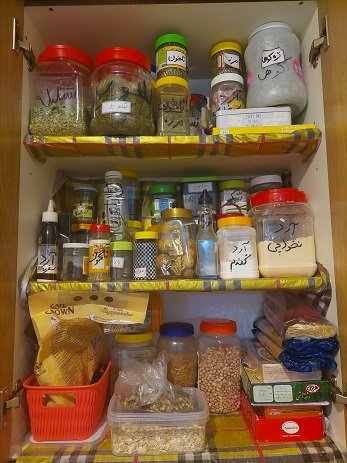
Assessing your kitchen inventory is a crucial first step towards effective kitchen cabinet organization. By taking stock of the items currently residing in your cabinets, you can create a clearer picture of what you truly need, what can be donated, and what should be discarded. An organized kitchen not only enhances functionality but also promotes a more enjoyable cooking experience.
Begin by creating an inventory list. This can be done manually on paper or by utilizing digital tools such as spreadsheets or inventory management apps. Cataloging your items helps in identifying what you possess, including kitchen tools, appliances, and food items. It can also serve as a reference point when planning meals or grocery shopping, preventing unnecessary purchases and minimizing food waste.
When assessing food items in your kitchen cabinets, it is essential to check expiration dates regularly. Discarding expired items not only frees up space but also ensures that you maintain a healthy kitchen environment. Additionally, keep an eye out for products that are nearing their expiration dates; these may be prime candidates for your next meal planning session.
Another important aspect of understanding your kitchen inventory involves identifying duplicates. Common kitchen items such as utensils, measuring cups, and pans often accumulate over time. By sorting through these items, you can determine which duplicates are essential and which can be given away. This simplification allows for a more streamlined kitchen workspace and helps eliminate clutter.
Overall, by taking these initial steps to assess your kitchen inventory, you position yourself to make informed decisions about what to keep, donate, or discard. This process sets the foundation for a more organized and functional kitchen cabinet system.
Maximizing Space with Smart Storage Solutions
Effective kitchen cabinet organization is essential for both functionality and ease of access. One innovative method to maximize space is by utilizing shelf risers. These risers provide additional height for stacking smaller plates, spice jars, or cans, allowing for better visibility and easier access to items that would otherwise be hidden at the back of the cabinet.
Lazy Susans are another practical storage solution that can transform corner cabinets into efficient spaces. Rotating platforms enable you to maximize awkwardly shaped corners by allowing easy access to stored items, which can include condiments, baking ingredients, or cooking oils. This eliminates the need for tedious searching, promoting a more organized kitchen environment.
Adding dividers within cabinet drawers can create designated spaces for utensils, ensuring that everything from knives to mixing spoons stays neatly arranged. This prevents clutter and ensures that kitchen tools are easy to find when cooking. Additionally, bins can be an effective way to categorize pantry items. By using bins, you can group similar products, such as snacks or baking supplies, further enhancing organization.
To make the most of vertical space, consider incorporating pegboards or magnets on the interior cabinet doors. This allows for the convenient hanging of items such as pot lids, measuring cups, or small utensils, freeing up drawer and shelf space. Furthermore, utilizing the interior face of cabinet doors with hooks or racks can help to store cutting boards or dish towels, optimizing the available space in your kitchen.
In summary, implementing smart storage solutions like shelf risers, lazy Susans, dividers, and vertical storage techniques will not only maximize the use of kitchen cabinet space but also significantly enhance overall efficiency and organization within your kitchen.
Labeling and Categorizing Your Cabinets
Organizing kitchen inventory cabinets effectively requires a systematic approach, and one of the most useful strategies is labeling and categorizing your items. This process not only enhances the aesthetic appeal of your kitchen but also significantly improves functionality and efficiency. By grouping similar items together, such as baking supplies, cooking utensils, and meal prep tools, you can streamline your culinary tasks and reduce the time spent searching for essentials.
Labeling is crucial in maintaining order within your cabinets. Using clear and concise labels allows everyone in the household to easily identify where items belong, facilitating quicker access. Consider utilizing adhesive labels, chalkboard paints, or even innovative label makers to create professional-looking tags. By labeling shelves and containers, you can transform a chaotic cabinet into a well-organized space. For instance, placing all baking supplies like flour, sugar, and baking powder within a labeled section clearly demarcates the area for quick retrieval during cooking or baking.
In addition to enhancing accessibility, categorization minimizes the chances of mixing up different kinds of utensils or ingredients, which can lead to confusion and inefficiency during meal preparation. Designate specific areas for cooking utensils, pots and pans, and tools you frequently use. This not only makes your kitchen look tidy but also means you can easily locate the items you need when preparing meals.
When categorizing items, consider the frequency of their use. Place everyday items at eye level for quick access, while less frequently used items can be stored higher up or in harder-to-reach spaces. This strategic arrangement can significantly enhance your overall kitchen workflow.
Maintaining Your Organized Kitchen
To maintain an organized kitchen inventory, proactive measures are essential. Establishing a routine for periodic assessments of your kitchen cabinets can significantly enhance the longevity of your organizational efforts. A well-organized cabinet not only improves accessibility but also contributes to the overall functionality of the kitchen. Regular maintenance helps in keeping kitchen items in their designated places, reducing clutter and chaos.
One effective strategy is to schedule a monthly or seasonal review of your kitchen cabinets. During these reviews, take the time to evaluate the contents of each cabinet. Check for items that may have become misplaced or that no longer belong. This habit will help in promptly addressing any disorganization before it escalates. Consider creating a checklist of items or sections to focus on during each review, ensuring that you cover all areas efficiently.
Incorporating organization into your daily kitchen routine is another vital aspect. After using kitchen items, take a moment to return them to their designated spots. Encourage all household members to practice this habit to foster a collective effort in maintaining the kitchen’s orderliness. Additionally, consider labeling shelves or bins within your cabinets to streamline the process of finding and returning items.
Lastly, adopting a minimalist approach to kitchen belongings can also contribute to organization. Regularly assess your cooking supplies, utensils, and appliances to ensure that only essentials are kept. Items that are rarely used can be stored away or donated, leaving ample space for the items you frequently utilize. This not only establishes a cleaner and more organized cabinet environment but also makes cooking and meal prep a more enjoyable experience.