
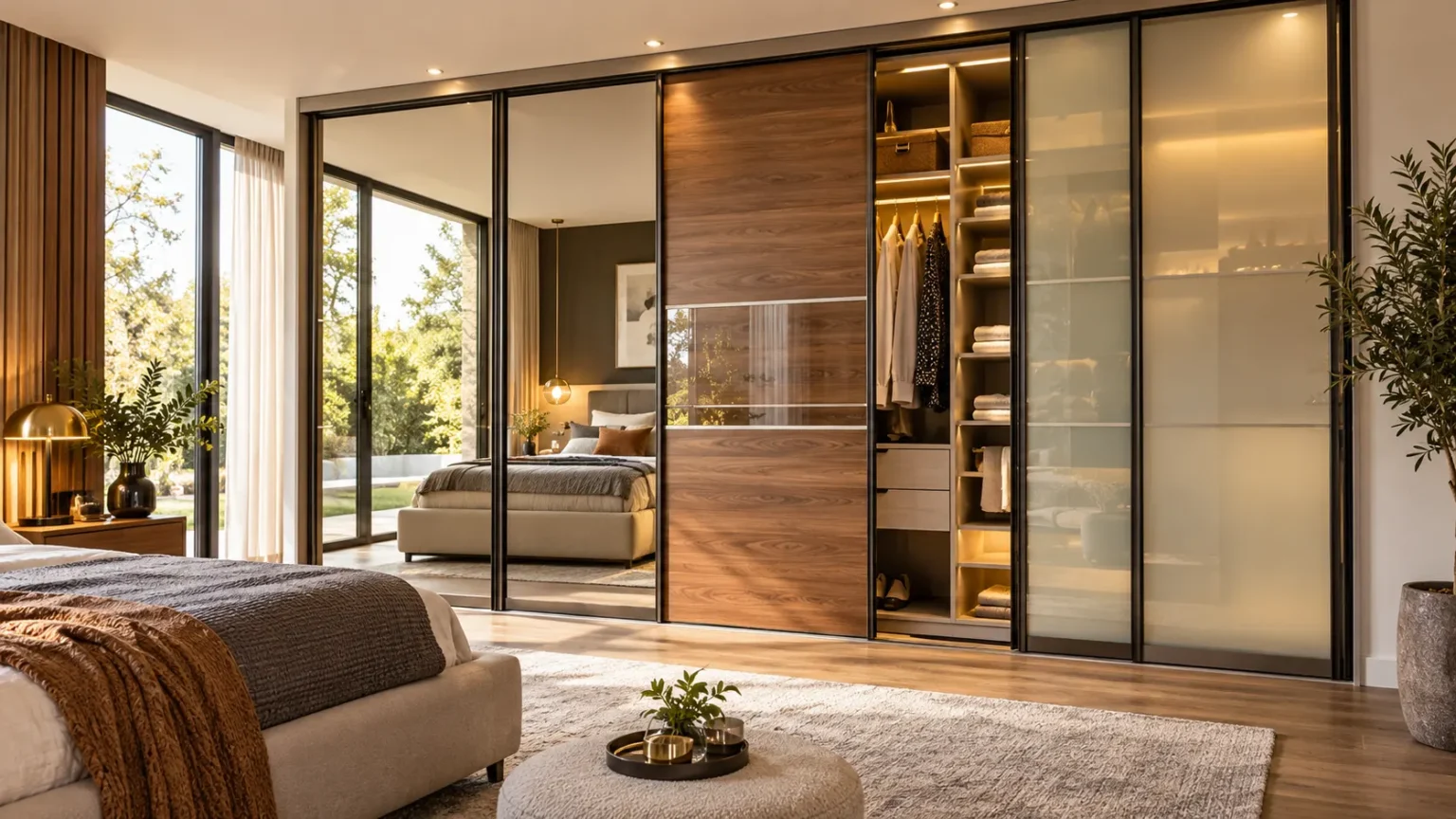
Sliding closet doors are a practical and stylish way to improve storage spaces while making bedrooms feel more organized and visually appealing. Unlike traditional hinged doors, sliding closet doors move horizontally along tracks, allowing homeowners to access wardrobes without requiring extra floor space. Their versatile designs make them suitable for modern apartments, compact bedrooms, and spacious contemporary homes.
Whether you are renovating an existing closet or planning a new bedroom layout, choosing the right sliding closet doors can make a noticeable difference. From mirrored panels and frosted glass to natural wood and minimalist finishes, there are numerous styles that complement different interior design preferences. The right combination of materials, colors, and hardware can transform an ordinary closet into an attractive feature.
Modern sliding closet door designs also offer opportunities to improve functionality, organization, and overall room aesthetics. Homeowners can explore customized panels, space-saving arrangements, decorative finishes, and contemporary track systems. This guide explains popular sliding closet door styles, creative design ideas, suitable materials, and practical considerations to help you select an option for your home.
What Are Sliding Closet Doors?
Sliding closet doors are movable panels that open and close horizontally along a track system instead of swinging outward. They are commonly used for bedroom wardrobes, hallway storage closets, and built-in cabinets. Their space-saving construction makes them especially useful in rooms where furniture placement or limited floor space makes traditional hinged doors inconvenient.
Most sliding closet door systems include two or more panels that overlap or move along parallel tracks. The doors usually operate with rollers or guides that help them slide smoothly across the opening. Depending on the design, some systems use top-mounted hardware, while others incorporate bottom tracks for additional guidance and stability.
Sliding wardrobe doors are available in numerous materials, including wood, glass, mirrors, metal, and engineered panels. Their finishes range from traditional decorative styles to sleek contemporary designs. With appropriate measurements and hardware, homeowners can install sliding doors that complement their storage requirements while improving the overall appearance of a bedroom or dressing area.
Why Sliding Closet Doors Are Popular in Modern Homes
One of the biggest advantages of sliding closet doors is their ability to save valuable floor space. Traditional closet doors require clearance to swing open, which can interfere with nearby beds, chairs, or furniture. Sliding panels operate within the closet opening, making them a practical solution for compact bedrooms and smaller living spaces.
Another reason for their popularity is their wide range of decorative possibilities. Homeowners can choose modern glass panels, traditional wood finishes, or mirrored surfaces that complement their interior design. These options allow sliding doors to function as both practical storage features and attractive architectural elements within the room.
Sliding closet doors can also create a cleaner and more organized appearance by concealing clothes, shelves, and stored belongings. Large panels provide a visually continuous surface that can blend with surrounding walls or become a decorative focal point. However, their overlapping design may prevent the entire closet opening from being accessible at the same time.
Mirrored Sliding Closet Doors for a Spacious Look
Mirrored sliding closet doors are among the most popular choices for bedrooms because they combine storage access with everyday functionality. Their reflective surfaces can make a small room appear brighter and more spacious by reflecting available light. This effect is particularly useful in apartments, guest bedrooms, and narrow dressing areas with limited floor space.
Full-length mirrored panels also eliminate the need for a separate standing mirror in many bedroom layouts. Homeowners can choose framed mirrors for a traditional appearance or frameless designs for a clean, contemporary finish. Some doors combine mirrors with wood or metal accents to introduce additional texture without overwhelming the surrounding interior.
When selecting mirrored wardrobe doors, consider the quality of the glass, frame construction, and hardware. Safety-backed mirrors and properly installed panels can reduce risks associated with accidental breakage. Regular cleaning helps maintain their reflective appearance, while suitable track maintenance keeps the sliding mechanism operating smoothly over time.
Wooden Sliding Closet Doors for a Timeless Design
Wooden sliding closet doors bring warmth, character, and natural texture into bedroom interiors. They complement traditional, farmhouse, Scandinavian, and modern decorating styles depending on their finish and construction. Homeowners can choose natural wood tones, painted surfaces, or engineered wood panels to achieve different visual effects while maintaining a cohesive room design.
Light wood finishes, such as oak-inspired tones, can create an airy atmosphere in minimalist bedrooms. Darker finishes introduce depth and contrast, particularly when combined with neutral walls and simple furniture. Decorative wood grains, horizontal patterns, and subtle panel detailing can add visual interest without making the closet appear overly elaborate.
Solid wood and engineered wood differ in cost, weight, maintenance requirements, and resistance to environmental changes. Engineered panels may provide a more affordable alternative for larger closet openings, while solid wood offers distinctive natural character. Choosing suitable finishes and properly rated sliding hardware can help maintain reliable performance and appearance.
Glass Sliding Closet Doors for Contemporary Bedrooms
Glass sliding closet doors create a modern appearance that works particularly well in contemporary and minimalist interiors. Their smooth surfaces and simple lines can make bedroom storage feel more integrated with the surrounding architecture. Depending on the level of transparency, glass panels can either display closet contents or provide privacy while maintaining a lightweight visual appearance.
Frosted glass is a popular option because it allows light to pass through while obscuring most stored belongings. Tinted glass can introduce a dramatic appearance, while decorative glass finishes offer additional personality. Homeowners may also combine glass panels with aluminum frames to create a streamlined design suitable for modern wardrobes and dressing spaces.
Safety is an important consideration when choosing glass closet doors, particularly in homes with children or active households. Appropriate safety glazing and secure installation help reduce the risks associated with accidental impact. Fingerprints, dust, and smudges may also be more noticeable on certain glass finishes, making regular cleaning part of routine maintenance.
Modern Minimalist Sliding Closet Door Designs
Minimalist sliding closet doors focus on clean lines, simple finishes, and a clutter-free appearance. These designs often feature flat panels, neutral colors, and discreet hardware that blends into the surrounding room. They are particularly suitable for contemporary bedrooms where homeowners want storage solutions that feel integrated rather than visually dominant.
White, beige, soft gray, and natural wood tones are common choices for minimalist wardrobes. Matching the closet doors to the wall color can create a seamless appearance, especially when handles and decorative details remain subtle. Floor-to-ceiling panels can further enhance this effect by establishing an uninterrupted vertical surface across the storage area.
Minimalist designs also work well with modern lighting and streamlined bedroom furniture. Subtle textures or narrow contrasting borders can introduce character without disrupting the overall simplicity. When selecting these doors, homeowners should prioritize smooth operation, durable finishes, and precise measurements to maintain a polished appearance.
Frosted Glass Sliding Closet Doors for Added Privacy
Frosted glass sliding closet doors offer a balance between contemporary style and visual privacy. Their translucent surfaces diffuse light while reducing visibility into the closet interior. This makes them an appealing choice for bedrooms and dressing areas where homeowners want a bright appearance without displaying clothing, shelves, or storage accessories.
These doors are available in numerous patterns and finishes, including fully frosted panels and designs with alternating transparent sections. Some options feature etched details that add subtle decorative interest to otherwise simple surfaces. Combining frosted glass with narrow metal frames creates a modern architectural look that complements contemporary furniture and neutral interior colors.
The privacy provided by frosted glass depends on the finish, lighting conditions, and distance between objects and the panel. Silhouettes may remain visible under certain circumstances, so completely opaque materials may be better when full concealment is required. Choosing appropriate safety glass and quality hardware can help ensure reliable operation.
Barn-Style Sliding Closet Doors for Rustic Interiors
Barn-style sliding closet doors introduce farmhouse charm and distinctive architectural character into bedrooms. These designs often feature visible wood grains, decorative cross-bracing, and exposed track hardware. They work especially well in rustic, country-inspired, and transitional interiors where natural textures and traditional details contribute to a warm atmosphere.
Wooden barn doors can be finished in natural brown, distressed white, charcoal, or muted earthy colors. Black metal hardware often provides an attractive contrast against lighter wood surfaces, creating a recognizable farmhouse appearance. Homeowners can also choose simpler flat-panel barn doors for a contemporary interpretation of the traditional rustic design.
Unlike standard bypass closet doors, many barn-style doors slide along an exposed wall-mounted track. This arrangement requires sufficient unobstructed wall space beside the closet opening. Furniture placement, wall strength, and hardware capacity should therefore be evaluated carefully before choosing this design for a bedroom or hallway storage area.
Sliding Closet Doors for Small Bedrooms
Sliding closet doors are especially useful in small bedrooms where every available inch matters. Because the doors move horizontally rather than outward, they allow beds, dressers, and nightstands to be positioned closer to the closet. This flexibility can make furniture arrangements more practical without reducing access to essential storage.
Mirrored panels are a popular choice for compact rooms because they reflect light and create an impression of greater depth. Light-colored wood, white laminate, and subtle glass finishes can also make small bedrooms feel less visually crowded. Choosing a design that coordinates with nearby furniture helps maintain a consistent and balanced appearance.
Functionality is equally important when planning sliding closet doors for limited spaces. Homeowners should check how far each panel can move and whether the arrangement provides convenient access to shelves and hanging sections. Well-organized closet interiors can improve accessibility and reduce frustration caused by overlapping door panels.
Black Sliding Closet Doors for a Bold Interior
Black sliding closet doors create a striking design statement in modern and industrial-inspired bedrooms. Their dark finish provides strong visual contrast against white, cream, or light gray walls. Depending on the material, black panels can look elegant and understated or become a dramatic focal point within the overall bedroom arrangement.
Matte black finishes are particularly popular because they offer a softer appearance than highly reflective surfaces. Black metal frames combined with frosted glass can create an attractive contemporary look, while black wooden panels provide a more substantial and traditional feel. Matching the finish with lighting fixtures or furniture details can establish visual consistency.
Although black sliding wardrobe doors can look sophisticated, room lighting and size should influence the final decision. Large dark surfaces may make smaller rooms appear more enclosed when natural light is limited. Combining black doors with warm lighting, lighter bedding, and balanced decorative elements can help maintain an inviting atmosphere.
White Sliding Closet Doors for a Clean and Airy Style
White sliding closet doors are a versatile option that works with nearly every bedroom decorating style. Their bright appearance can complement modern, coastal, traditional, and Scandinavian interiors. White panels also blend naturally with light-colored walls, helping create a spacious and visually organized environment.
Homeowners can choose smooth white surfaces for a minimalist design or raised panels for a more traditional look. Shaker-style detailing introduces subtle texture, while glossy finishes create a polished contemporary appearance. White doors with narrow wood accents or decorative handles can also add personality without overwhelming the room.
Maintenance requirements depend on the finish and material used. Glossy surfaces may show fingerprints more easily, while textured panels can collect dust around decorative grooves. Selecting washable finishes and durable hardware helps preserve the clean appearance of white closet doors while supporting everyday functionality.
Floor-to-Ceiling Sliding Closet Doors
Floor-to-ceiling sliding closet doors create a dramatic architectural feature by extending nearly the full height of a room. Their tall panels emphasize vertical lines and can make ceilings appear higher. This design is often used in modern bedrooms where homeowners want wardrobes to blend into the surrounding walls.
Tall sliding panels can conceal extensive storage systems, including upper shelves, hanging spaces, and organizational compartments. Their continuous surfaces create a polished appearance compared with smaller doors interrupted by visible storage sections. Materials such as wood laminate, mirrors, and frosted glass can be selected to match different decorative preferences.
However, floor-to-ceiling doors require accurate measurements and hardware designed to support their dimensions and weight. Ceiling alignment, floor conditions, and track placement can significantly affect installation quality. Professional measurement and installation may be appropriate for unusually tall or heavy panels to help ensure safe, smooth operation.
Custom Sliding Closet Doors for Unique Spaces
Custom sliding closet doors provide flexibility when standard sizes do not fit a particular storage opening. Older homes, attic bedrooms, and uniquely designed wardrobes may have unusual dimensions that require specialized solutions. Customization allows homeowners to select appropriate panel sizes, materials, finishes, and hardware for their specific layout.
Personalized designs can include mixed-material panels, decorative patterns, textured finishes, or coordinated color combinations. For example, wood and mirrored sections can create a practical design while adding visual interest. Homeowners may also select different handle styles or frame finishes to complement existing bedroom furniture and architectural details.
Although customized closet doors can cost more than standard products, they may offer a better fit and more cohesive appearance. Accurate measurements are essential because even small errors can affect alignment and sliding performance. Comparing materials, manufacturing quality, and installation requirements helps determine whether a custom solution is appropriate.
How to Choose the Right Material for Sliding Closet Doors
Choosing the best sliding closet door material involves balancing appearance, durability, cost, and maintenance. Wood offers warmth and traditional character, while glass creates a contemporary appearance. Mirrors provide additional functionality, and laminate panels are available in numerous finishes that can suit different budgets and interior design preferences.
The weight of the material also influences hardware selection and installation requirements. Heavy glass or solid wood panels may need stronger rollers and carefully rated tracks. Lightweight engineered materials can be more convenient in certain applications, but construction quality and resistance to everyday wear should still be considered.
Homeowners should also think about the environment where the doors will be installed. Bedrooms with changing humidity levels may benefit from materials designed to resist warping or moisture-related damage. Evaluating maintenance requirements, safety features, and long-term performance can help identify the most suitable option for a particular home.
Sliding Closet Door Hardware and Track Systems
The track system is one of the most important components of sliding closet doors because it determines how smoothly the panels operate. Most systems rely on rollers, guides, and tracks designed to control horizontal movement. Good-quality hardware helps reduce sticking, uneven movement, and unnecessary noise during everyday use.
Different sliding systems have different installation and operating requirements. Bypass doors commonly use parallel tracks that allow panels to move past each other, while barn-style doors use exposed wall-mounted hardware. Some systems support soft-close mechanisms that slow door movement near the end of the track, providing a more controlled closing experience.
Hardware should always be compatible with the door’s weight, thickness, and dimensions. Improperly matched components can create alignment problems or increase the risk of mechanical failure. Regular inspection, cleaning, and following manufacturer maintenance instructions can help sliding closet doors remain functional for longer periods.
How to Maintain Sliding Closet Doors Properly
Regular maintenance helps sliding closet doors operate smoothly and maintain their appearance over time. Dust, hair, and small debris can accumulate inside tracks, creating resistance or uneven movement. Cleaning accessible track areas with a soft brush or vacuum attachment can help prevent common operating problems.
Door surfaces should be cleaned using products appropriate for their materials and finishes. Glass and mirrored panels generally benefit from gentle cleaning methods, while wooden doors may require specific care depending on their protective coating. Avoiding excessive moisture and abrasive cleaning products can help protect decorative surfaces from damage.
If sliding doors begin sticking, rattling, or moving unevenly, inspect the visible tracks and rollers for debris or obvious wear. Some systems allow minor adjustments, but procedures vary by manufacturer. Doors that appear unstable, damaged, or difficult to control should be assessed by a qualified installer rather than forced along the track.
Common Mistakes to Avoid When Choosing Sliding Closet Doors
One common mistake is selecting sliding closet doors based only on appearance without considering practical access. Certain panel arrangements prevent the entire closet opening from being exposed simultaneously. Understanding how doors overlap helps homeowners determine whether the design suits their storage organization and daily routines.
Incorrect measurements are another frequent problem during closet door installation. Openings may be uneven, floors may not be level, and wall conditions can affect track placement. Measuring at multiple points and checking manufacturer requirements can help avoid purchasing panels that fit poorly or operate incorrectly.
Homeowners may also overlook hardware quality, maintenance needs, and compatibility with the surrounding bedroom design. Attractive doors can become frustrating if their rollers wear quickly or their finish requires more care than expected. Considering both aesthetics and functionality leads to a more satisfying and practical long-term choice.
Conclusion
Sliding closet doors offer an attractive combination of space-saving functionality and versatile interior design possibilities. From mirrored panels and modern glass finishes to rustic wood and minimalist white surfaces, homeowners can explore numerous styles. Choosing the right design can improve bedroom organization while contributing to a more polished and coordinated appearance.
The best sliding closet doors depend on available space, personal preferences, storage requirements, and material performance. Important considerations include panel dimensions, track construction, ease of maintenance, and compatibility with existing furniture. Thoughtful planning can help homeowners avoid common installation problems and select doors that function reliably.
Whether you are upgrading a small bedroom closet or designing a custom wardrobe, sliding doors provide flexible opportunities to improve your home. A well-chosen system can create visual harmony, simplify furniture placement, and make storage areas more appealing. With suitable materials and careful installation, sliding closet doors can become a practical and lasting interior feature.
Frequently Asked Questions (FAQs)
What Are the Best Sliding Closet Doors for Small Bedrooms?
Mirrored, white, and light-colored sliding closet doors are popular for small bedrooms because they create a brighter appearance. Their horizontal movement also saves floor space compared with traditional hinged doors.
Are Sliding Closet Doors Better Than Hinged Doors?
Sliding closet doors save clearance space and can create a streamlined appearance. However, hinged doors may provide easier access to the entire closet opening, depending on the layout and available room.
What Materials Are Used for Sliding Closet Doors?
Common materials include solid wood, engineered wood, laminate, mirrored glass, frosted glass, and metal-framed panels. Each option offers different advantages in appearance, durability, maintenance, weight, and overall cost.
Can Sliding Closet Doors Be Customized?
Yes, sliding closet doors can be customized with different dimensions, colors, finishes, materials, and decorative details. Custom designs are particularly useful for unusual openings, built-in wardrobes, and personalized bedroom interiors.
How Do You Keep Sliding Closet Doors Running Smoothly?
Keep the tracks free from dust and debris, inspect rollers regularly, and follow manufacturer maintenance instructions. Avoid forcing sticking panels, and seek professional help if the doors become unstable or misaligned.