
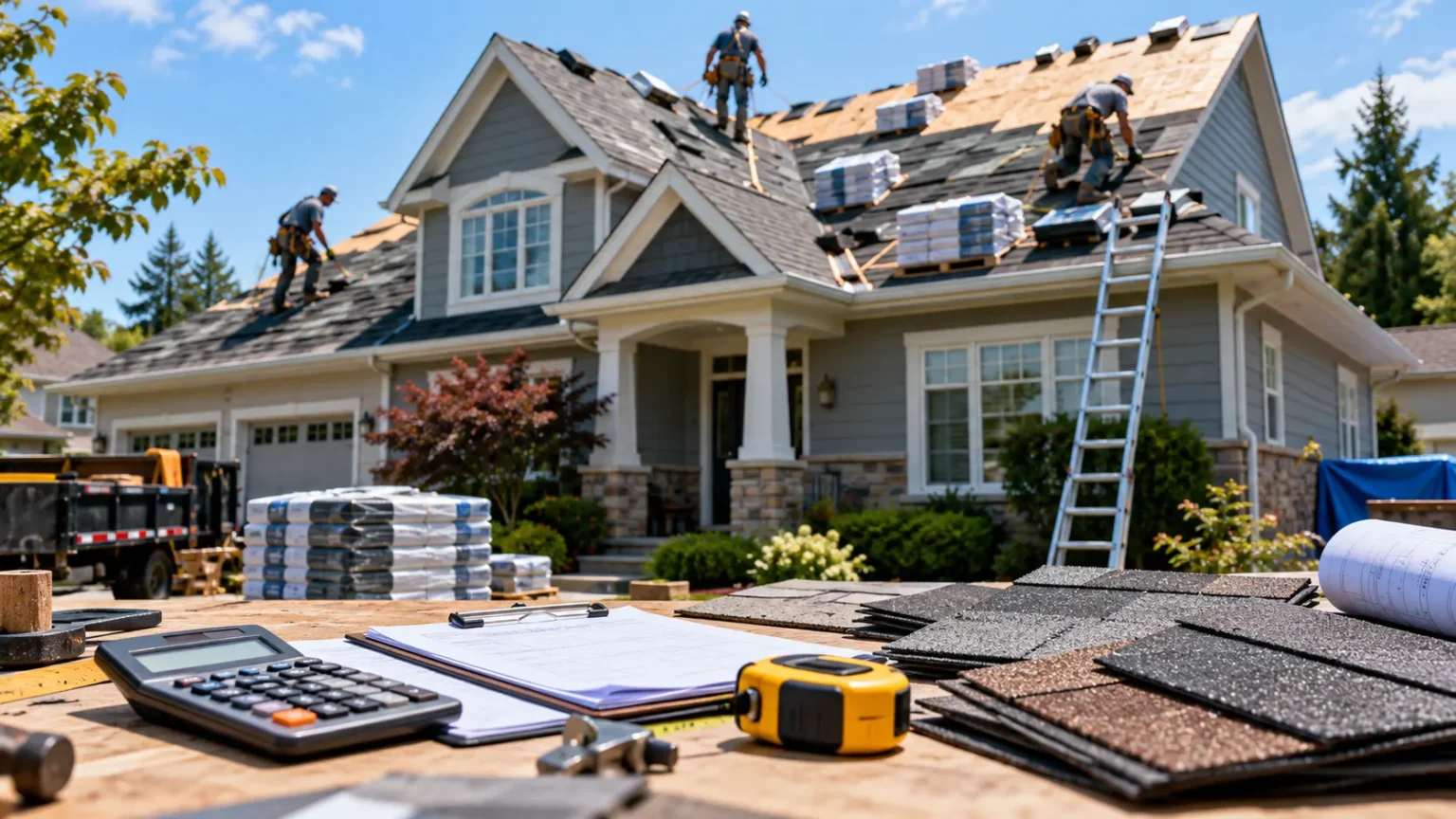
A new roof is one of the most important investments homeowners can make to protect their property. Whether your existing roof is leaking, showing signs of damage, or reaching the end of its lifespan, understanding replacement costs can help you prepare financially. One of the most common questions homeowners ask is, how much is a new roof?
The cost of a new roof depends on several factors, including roof size, roofing materials, labor expenses, roof pitch, and your location. In the United States, many standard roof replacements cost approximately $5,700 to $16,000, although larger homes and premium materials can increase the total significantly. Additional work, such as removing old shingles or replacing damaged decking, can also affect the final price.
In this guide, we will explain average roof replacement costs, compare popular roofing materials, and explore the factors that influence pricing. You will also learn how to estimate roofing expenses, identify hidden costs, and make informed decisions when planning a new roof installation.
How Much Is a New Roof on Average?
The average cost of a new roof in the United States is approximately $10,000, although actual prices vary considerably between projects. Many homeowners spend between $5,700 and $16,000 for a standard asphalt roof replacement. Larger properties, complicated roof designs, and premium roofing materials can increase costs beyond $25,000 or more.
Roof replacement prices are commonly calculated according to the total surface area rather than the home’s interior square footage. Contractors usually measure roofing in squares, with one roofing square covering 100 square feet. This measurement helps estimate material quantities, installation labor, and the overall cost of completing the roofing project.
Homeowners should remember that online cost estimates provide general guidance rather than guaranteed prices. Local labor rates, material availability, building requirements, and the existing roof’s condition can significantly influence the final amount. Obtaining several detailed estimates from qualified roofing contractors is the most reliable way to understand expected expenses.
New Roof Cost by Square Foot
Roof replacement costs are frequently expressed as a price per square foot of roofing surface. For standard asphalt roofing projects, a broad installed cost range is approximately $4 to $9 per square foot. More expensive materials and difficult installation conditions can increase the price substantially.
The following table provides illustrative estimates for replacing a conventional asphalt shingle roof, using the $4 to $9 per square foot range.
| Roof Surface Area | Estimated Replacement Cost |
|---|---|
| 1,000 square feet | $4,000–$9,000 |
| 1,200 square feet | $4,800–$10,800 |
| 1,500 square feet | $6,000–$13,500 |
| 1,800 square feet | $7,200–$16,200 |
| 2,000 square feet | $8,000–$18,000 |
| 2,500 square feet | $10,000–$22,500 |
| 3,000 square feet | $12,000–$27,000 |
These estimates assume a relatively straightforward installation and do not guarantee that every project will fall within the listed range. Roof complexity, material quality, regional labor expenses, and underlying structural damage can create meaningful differences. Homeowners should use these figures as a starting point when comparing professional roofing estimates.
It is also important to distinguish between the roof’s actual surface area and the home’s floor area. A 2,000-square-foot home does not necessarily have a 2,000-square-foot roof because pitch, overhangs, and building layout affect measurements. Accurate roofing dimensions help prevent underestimating material requirements and project expenses.
New Roof Cost by Roofing Material
Roofing material is one of the biggest factors affecting the total cost of a new roof. Asphalt shingles are generally among the most affordable options, while metal, clay tile, and natural slate often require larger investments. Each material offers different advantages related to appearance, durability, maintenance, and expected service life.
The following table shows broad estimated installed prices for common roofing materials in the United States.
| Roofing Material | Estimated Installed Cost per Sq. Ft. |
|---|---|
| Asphalt shingles | $4–$9 |
| Metal roofing | $5–$16 |
| Wood shingles or shakes | $6–$14 |
| Concrete roof tiles | $8–$18 |
| Clay roof tiles | $10–$25 |
| Natural slate roofing | $15–$35+ |
| Flat roof membrane systems | $4–$12 |
These ranges reflect general project estimates rather than fixed prices, and specific products may fall outside them. Installation complexity, material thickness, manufacturer specifications, and local market conditions all influence costs. Premium roofing products may also require additional structural support or specialized installation techniques that increase total expenses.
When comparing materials, homeowners should consider long-term performance rather than purchase price alone. Some products have higher initial costs but can offer extended service lives when properly installed and maintained. Climate suitability, warranty terms, repair availability, and structural compatibility are equally important considerations when selecting a roofing system.
How Much Does an Asphalt Shingle Roof Cost?
Asphalt shingles are among the most popular residential roofing materials in the United States because of their relatively affordable cost and wide availability. A new asphalt shingle roof commonly costs approximately $4 to $9 per square foot installed. For many average-sized homes, the overall replacement cost falls between $6,000 and $18,000.
Different asphalt shingle products have different prices and performance characteristics. Traditional three-tab shingles are often less expensive, while architectural shingles generally provide a thicker appearance and different durability characteristics. Premium designer shingles can cost considerably more because of specialized construction, decorative profiles, and enhanced performance features.
Asphalt roofing is available in many colors and styles, making it suitable for different residential designs. However, its expected lifespan depends on climate, installation quality, maintenance, and the selected product. Homeowners should compare warranty coverage and manufacturer specifications when choosing between economical and premium asphalt shingle options.
How Much Does a Metal Roof Cost?
Metal roofing has become a popular option for homeowners interested in durability, modern appearance, and long-term weather protection. A new metal roof commonly costs approximately $5 to $16 per square foot installed, although premium products can exceed this range. Prices depend on metal type, panel design, finish, and installation requirements.
Steel and aluminum roofing are frequently used for residential projects, while copper and zinc are generally more expensive alternatives. Standing seam metal roofs often cost more than certain exposed-fastener systems because of their specialized components and installation methods. The roof’s design complexity can also affect labor requirements and material quantities.
Metal roofs can provide long service lives when installed correctly and maintained according to manufacturer recommendations. Some products also offer reflective finishes that may help reduce roof surface heat absorption. However, suitability depends on local climate, building requirements, installation quality, and whether the existing structure can accommodate the selected roofing system.
How Much Do Tile and Slate Roofs Cost?
Tile and slate roofing systems are commonly associated with premium residential construction and distinctive architectural styles. Concrete tile roofs may cost approximately $8 to $18 per square foot installed, while clay tile roofs often range from $10 to $25. Natural slate roofing can cost $15 to $35 or more per square foot.
These materials can provide impressive durability and distinctive visual appeal when properly installed. Clay tiles are often associated with Mediterranean-style homes, while slate is popular on traditional and historic properties. Concrete tiles are available in several colors and profiles, providing additional design flexibility for different architectural preferences.
One important consideration is that tile and slate roofing can be considerably heavier than asphalt shingles. The building may require structural evaluation or reinforcement before installing certain products. Specialized labor, material transportation, and replacement parts can also increase overall project costs, making professional planning especially important.
How Much Does Roofing Labor Cost?
Labor represents a significant portion of the total cost of replacing a roof. For relatively straightforward asphalt roofing installations, labor may cost approximately $2 to $4 per square foot, although rates vary. More complicated projects and specialty roofing materials can require significantly higher installation expenses because of additional time and technical expertise.
Roofing contractors must complete several important tasks beyond simply placing the finished roofing material. These responsibilities may include preparing the surface, installing underlayment, securing flashing, managing ventilation details, and completing required inspections. Proper installation helps protect the home against water intrusion and supports the performance of the entire roofing system.
Labor prices also depend on regional wages, contractor availability, building height, and roof accessibility. A steep roof with several dormers and valleys generally requires more work than a simple single-story roof. Homeowners should compare detailed contractor quotations instead of choosing a company based entirely on the lowest labor price.
Factors That Affect the Cost of a New Roof
Roof size is one of the most important factors because larger surfaces require more materials and installation time. However, the shape and complexity of the roof can be equally significant. Multiple valleys, skylights, chimneys, and other architectural features increase the amount of cutting, flashing, and detailed installation work required.
Roof pitch also influences overall costs because steep surfaces can be more difficult to access and work on. Contractors may need specialized equipment, additional safety measures, and more installation time. Steeper roof designs also have greater surface areas than lower-pitched roofs covering the same horizontal footprint.
Geographic location is another major factor affecting roof replacement costs. Labor rates, weather conditions, local building codes, permit requirements, and material availability vary between regions. Homes in areas with strict wind-resistance or other environmental requirements may need additional roofing components that increase installation expenses.
How Much Does It Cost to Remove an Old Roof?
Removing existing roofing materials is often an important part of the replacement process. For standard asphalt shingles, tear-off costs commonly range from approximately $1 to $3 per square foot, depending on site conditions. Removing multiple layers or heavier materials can increase the expense because of additional labor and disposal requirements.
Roof removal allows contractors to inspect the underlying decking and identify problems that may not be visible from the exterior. Damaged wood, trapped moisture, and deteriorated materials can affect the performance of a new roofing system. Addressing these problems before installing new materials helps reduce the risk of future leaks and structural damage.
Some jurisdictions and roofing products permit installing new shingles over an existing layer under specific conditions. However, this approach is not appropriate for every roof and may be restricted by local codes or manufacturer requirements. A qualified roofing contractor should evaluate whether a complete tear-off is necessary for a dependable installation.
Hidden Costs of Replacing a Roof
One of the most common unexpected roofing expenses involves damaged roof decking discovered after removing the old shingles. If the underlying wood has deteriorated, contractors may need to replace affected sections before installation continues. The additional cost depends on the extent of damage, material prices, and labor requirements.
Other potential expenses include replacing flashing, repairing ventilation components, or addressing damaged roof edges. Chimneys, skylights, and roof penetrations may require special attention to prevent water intrusion. Older homes can also have underlying construction issues that increase the complexity of completing a proper roof replacement.
Homeowners should ask contractors how unexpected repairs will be handled before work begins. A written agreement can explain the pricing process for additional decking, material changes, or other necessary modifications. Setting aside a contingency budget can help manage unforeseen costs without interrupting the roofing project unnecessarily.
Roof Repair vs. Replacement: Which Is More Affordable?
Roof repairs usually cost less than a complete replacement when damage is limited to a small area. Minor roofing repairs may cost a few hundred dollars, while more extensive repairs can reach several thousand dollars. The final price depends on the type of damage, roof accessibility, and materials required.
Repairing a roof may be appropriate when the existing system remains in generally good condition. Isolated leaks, damaged flashing, or a limited number of missing shingles can sometimes be addressed without replacing the entire roof. However, widespread deterioration or repeated leaks may indicate that replacement is the more practical long-term solution.
Homeowners should consider the roof’s age and expected remaining service life before making a decision. Repeated repair expenses can become costly when an aging roof continues developing new problems. A professional inspection can help determine whether targeted repairs will provide reliable protection or whether a replacement is justified.
How to Save Money on a New Roof
One effective way to control roof replacement expenses is to request multiple written estimates from qualified roofing contractors. Comparing quotations helps homeowners understand differences in materials, labor, warranty coverage, and included services. It also makes it easier to identify unusually low bids that may exclude important installation components.
Choosing roofing materials that balance affordability and durability can also improve overall value. Architectural asphalt shingles, for example, may provide an appropriate combination of price, appearance, and performance for many residential projects. Selecting a suitable product based on local climate and long-term requirements is generally more useful than purchasing the cheapest available material.
Planning replacement before severe damage develops may help reduce unexpected structural repairs. Regular inspections and timely maintenance can identify leaks, damaged flashing, and ventilation problems before they become extensive. Homeowners should also ask contractors about available financing options, payment schedules, and warranty terms when reviewing their project budgets.
How to Get an Accurate New Roof Estimate
A reliable roofing estimate should begin with an inspection of the existing roof and its visible condition. Contractors need to evaluate roofing dimensions, slope, material requirements, access, and any signs of deterioration. This information helps them prepare a more realistic quotation than a general price calculated only from the home’s square footage.
The written estimate should clearly describe the materials, installation services, removal work, and expected project scope. It should also explain whether flashing, underlayment, ventilation components, permits, and cleanup are included. Clear pricing details make it easier to compare contractors and understand what the proposed roofing investment covers.
Before selecting a roofing company, homeowners should verify licensing where required, appropriate insurance coverage, and relevant installation experience. Reviewing warranty documents and asking how unexpected repairs will be priced can also prevent misunderstandings. Choosing a qualified contractor supports a safer installation and helps protect the value of the finished roof.
Conclusion
Understanding how much a new roof costs helps homeowners prepare for an important home improvement investment. Many standard roof replacements cost approximately $5,700 to $16,000, although larger properties and premium materials can increase expenses considerably. The final price depends on roofing dimensions, material selection, labor requirements, and the existing roof’s condition.
Asphalt shingles are often the most affordable choice for conventional residential roofing projects, while metal, tile, and slate offer different performance characteristics and price ranges. Additional work, including roof removal, decking repairs, and flashing replacement, can influence the overall budget. Comparing materials and installation requirements helps homeowners make informed decisions.
Before replacing your roof, arrange a professional inspection and obtain detailed estimates from qualified roofing contractors. Consider durability, warranty coverage, installation quality, and long-term maintenance rather than focusing only on the lowest price. A properly installed roofing system can protect your property, improve its appearance, and provide dependable performance for years.
Frequently Asked Questions
How much does a new roof cost for a 2,000-square-foot house?
A new asphalt shingle roof for a 2,000-square-foot house may cost approximately $8,000 to $18,000 or more. Actual pricing depends on roof surface area, pitch, complexity, materials, and location.
What is the cheapest type of roof to install?
Asphalt shingles are generally among the most affordable roofing materials for conventional residential roofs. However, the best option depends on roof slope, climate, building requirements, and expected durability.
How long does a new roof last?
Asphalt shingle roofs often last approximately 15 to 30 years, while some metal, tile, and slate systems can last considerably longer. Actual lifespan depends on installation quality, climate, and maintenance.
Does homeowners insurance cover a new roof?
Homeowners insurance may cover roof replacement when damage results from a covered event, such as certain storms. Normal aging, wear, and neglected maintenance are generally excluded, subject to policy terms.
How long does it take to replace a roof?
A straightforward residential asphalt roof replacement may take one to three days. Larger roofs, complicated designs, structural repairs, and unfavorable weather can extend the installation schedule.