
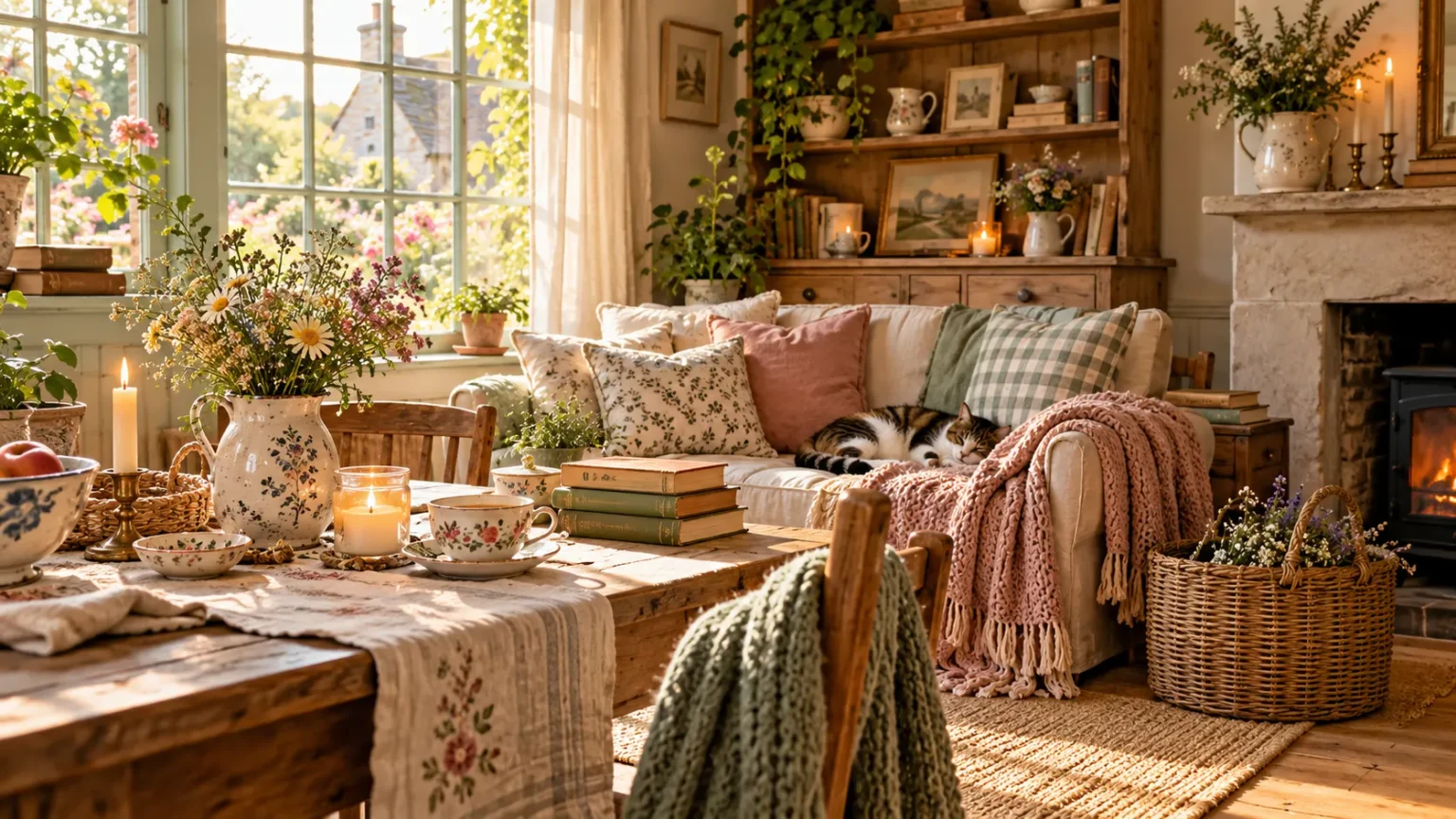
Cottagecore is a charming aesthetic inspired by countryside living, vintage fashion, natural materials, and cozy interiors. It celebrates simple pleasures such as fresh flowers, handmade decorations, soft fabrics, and peaceful surroundings. Whether you want to refresh your bedroom, decorate your home, or update your wardrobe, cottagecore offers creative possibilities for almost every budget.
Creating a cottagecore aesthetic does not require expensive antique furniture or a complete home makeover. Many beautiful cottagecore ideas involve affordable secondhand finds, simple DIY projects, and everyday objects. Vintage-style curtains, floral bedding, woven baskets, and wooden accessories can transform a space without requiring major spending.
The key to embracing cottagecore on a budget is choosing items that feel natural, comfortable, and personal. Instead of buying everything at once, you can build your collection gradually and combine affordable pieces with things you already own. This guide explores smart cottagecore picks for home decor, fashion, furniture, and everyday living.
What Is Cottagecore?
Cottagecore is an aesthetic inspired by an idealized version of traditional rural life. It emphasizes natural beauty, simple living, vintage-inspired design, and activities associated with the countryside. Common cottagecore elements include floral patterns, wooden furniture, handmade crafts, cozy textiles, and soft, earthy colors.
The aesthetic appears in interior design, clothing, photography, gardening, and lifestyle content. A cottagecore home might feature antique-looking furniture, dried flowers, and comfortable reading corners. Cottagecore fashion often incorporates relaxed silhouettes, delicate prints, knitwear, and clothing inspired by traditional country styles.
Although cottagecore celebrates simplicity, it does not require living in a rural location or following a particular lifestyle. People can incorporate its visual elements into apartments, modern homes, and everyday wardrobes. The most appealing approach is often choosing details that reflect personal preferences instead of attempting to recreate an entire aesthetic perfectly.
Why Is Cottagecore So Popular?
Cottagecore appeals to people who enjoy warm, peaceful environments and nature-inspired design. Its emphasis on comfortable spaces offers an alternative to highly polished or minimalist interiors. Soft colors, familiar materials, and decorative details can help make a home feel welcoming and lived-in.
Another reason for its popularity is its connection to creativity and traditional crafts. Activities such as embroidery, gardening, baking, and decorating with handmade items fit naturally within the aesthetic. These interests provide opportunities for personal expression without requiring expensive products or specialized collections.
Cottagecore is also flexible enough to work with different budgets and home sizes. A few thoughtfully selected decorations can introduce the style into an existing room. Rather than replacing everything, homeowners can combine vintage-inspired details with practical modern furniture and create a balanced interior.
How to Create a Cottagecore Aesthetic on a Budget
Creating an affordable cottagecore aesthetic begins with understanding the materials, colors, and textures associated with the style. Natural wood, cotton, linen, ceramic accessories, and floral prints are common choices. Selecting a small number of coordinating elements can make a noticeable difference without overwhelming the space.
Start by reviewing items already available in your home. Wooden shelves, old picture frames, glass jars, baskets, and decorative fabrics can often be reused. Simple changes, such as arranging flowers or replacing a cushion cover, can introduce cottagecore character without purchasing large furniture pieces.
Set a realistic spending limit and prioritize items that offer both beauty and practical value. For example, a woven basket can provide storage while contributing to the aesthetic. Choosing versatile pieces helps prevent unnecessary purchases and allows the room to develop naturally over time.
Best Cottagecore Colors for a Cozy Home
Cottagecore color palettes typically feature soft, nature-inspired shades that create a comfortable atmosphere. Cream, warm white, sage green, dusty blue, and muted pink are popular choices. These colors work well together because they resemble traditional countryside interiors and natural outdoor surroundings.
Earthy tones such as beige, terracotta, olive green, and warm brown can add depth to the design. They pair beautifully with wooden furniture, woven accessories, and neutral textiles. Homeowners who prefer a brighter appearance can combine pale backgrounds with small floral patterns and colorful decorative accents.
A budget-friendly way to introduce cottagecore colors is through accessories rather than repainting an entire room. Cushion covers, curtains, bedding, and table linens can create a coordinated look. Choosing two or three main colors helps maintain visual harmony while leaving room for personal decorative details.
Affordable Cottagecore Bedroom Decor
A cottagecore bedroom should feel comfortable, peaceful, and inviting. Soft bedding, floral patterns, wooden furniture, and warm lighting help create this atmosphere. You do not need expensive antique pieces because simple accessories can make an ordinary bedroom feel more traditional and cozy.
Start with bedding in cream, sage green, or delicate floral prints. Add a knitted throw, decorative cushions, or lightweight curtains to introduce texture. A small bedside lamp with a warm glow can complement the arrangement and create a relaxed evening atmosphere.
Secondhand picture frames, woven baskets, and decorative jars can provide finishing touches. Consider arranging books, dried flowers, or handmade crafts on a shelf. Keeping the room organized prevents decorative details from creating unnecessary clutter and helps maintain a comfortable environment.
Cottagecore Living Room Ideas for Small Budgets
A cottagecore living room combines comfortable furniture with decorative elements inspired by traditional homes. Soft cushions, wooden tables, vintage-style artwork, and natural fabrics can create a welcoming atmosphere. The style works especially well when furniture looks comfortable rather than overly formal.
You can refresh an existing sofa with floral cushion covers and a textured throw. A secondhand wooden side table or small woven basket can add rustic character. Vintage-style lamps, framed botanical prints, and ceramic accessories provide additional personality without requiring major renovation expenses.
Avoid purchasing too many decorations at once. A few meaningful pieces can make the room feel more authentic than numerous matching accessories. Mixing practical furniture with handmade or secondhand details creates a comfortable cottagecore living room that feels personal and affordable.
Budget-Friendly Cottagecore Kitchen Decor
Cottagecore kitchens often feature traditional materials, open storage, ceramic dishes, and simple decorative accessories. Wooden cutting boards, glass jars, woven baskets, and vintage-style kitchen towels can contribute to the aesthetic. These items also serve useful purposes, making them practical choices for budget-conscious households.
Displaying frequently used dishes or jars on existing shelves can create a relaxed country-inspired appearance. Floral tea towels, ceramic mugs, and natural wood utensils introduce subtle decorative details. Choosing everyday kitchen items in coordinating colors helps create a cohesive look without replacing functional equipment.
Small plants or fresh herbs can also enhance the kitchen when suitable growing conditions are available. They bring natural color into the space and complement traditional materials. Avoid overcrowding countertops, as a practical and organized kitchen is easier to use and maintain.
Cottagecore Bathroom Decor on a Budget
A cottagecore bathroom can feel charming with simple accessories inspired by nature and vintage interiors. Soft towels, floral curtains, woven storage baskets, and ceramic containers are useful starting points. Neutral colors and natural textures help create a warm atmosphere without expensive remodeling.
Replace mismatched storage containers with coordinated jars or baskets where appropriate. A small framed botanical print can provide decoration, while a washable cotton bath mat adds comfort. Decorative accessories should be suitable for humid conditions so that they remain practical and easy to maintain.
Plants may work well in bathrooms with appropriate light and ventilation. However, not every plant tolerates moisture or low-light conditions. Choosing durable accessories and keeping surfaces clean helps preserve the cottagecore appearance without making daily bathroom maintenance more difficult.
Thrift Store Finds for Cottagecore Decor
Secondhand shops can be excellent places to find affordable cottagecore decorations. Traditional picture frames, ceramic dishes, wooden furniture, and decorative baskets often match the aesthetic. Shopping secondhand also allows you to discover unique objects that differ from mass-produced decorative collections.
Look for items that have practical uses or complement your existing color palette. A small wooden stool might become a plant stand, while an old ceramic pitcher can serve as a decorative container. Minor cosmetic imperfections may add character, provided the item remains clean, stable, and functional.
Inspect secondhand purchases carefully before bringing them home. Furniture should be checked for damage, instability, or unwanted pests. Buying only items you genuinely need helps maintain a realistic budget and prevents the space from becoming overcrowded with decorative objects.
DIY Cottagecore Decorations You Can Make at Home
DIY decorations are an affordable way to create a personalized cottagecore aesthetic. Simple projects such as framed botanical artwork, decorated jars, and handmade fabric accessories can add charm to a room. Using materials already available at home helps reduce the cost of experimenting with different ideas.
Pressed flowers and leaves can create attractive artwork when placed inside suitable frames. Fabric scraps may be repurposed into small decorative items, while clean glass containers can hold dried flowers or craft supplies. These projects allow creative expression without requiring expensive decorative products.
Choose crafts that match your experience, available materials, and interests. Some projects involve sharp tools, adhesives, or other materials that require appropriate safety precautions. Starting with simple, low-cost decorations makes it easier to develop your style while avoiding unnecessary purchases.
Cottagecore Wall Decor Ideas
Cottagecore wall decor often features nature-inspired artwork, vintage-style frames, floral patterns, and traditional decorative pieces. Botanical illustrations and landscape prints are particularly popular. These designs bring visual interest to a room without requiring major structural changes or expensive furniture.
Affordable options include secondhand frames, personal photographs of natural scenery, and printable artwork that you have permission to use. A small gallery wall can combine several pieces with different frame styles. Keeping the colors coordinated helps the arrangement feel intentional rather than visually crowded.
Wall decorations should complement the size and layout of the room. Large artwork may work well above a sofa, while smaller framed pieces can enhance shelves or narrow wall spaces. Thoughtful placement creates a cozy atmosphere without requiring every available surface to be decorated.
Cottagecore Furniture That Looks Expensive but Isn’t
Cottagecore furniture often includes natural wood, traditional shapes, and details inspired by older homes. Wooden side tables, painted cabinets, simple bookshelves, and comfortable upholstered chairs fit the aesthetic. Buying these pieces secondhand can be more affordable than purchasing new furniture marketed specifically for cottagecore interiors.
Look for sturdy furniture with attractive proportions rather than focusing exclusively on decorative details. A plain wooden table can complement floral textiles and vintage accessories. Existing furniture may also work well when surrounded by softer colors and natural materials, reducing the need for replacement.
Before purchasing used furniture, evaluate its condition and practical suitability. Drawers, legs, and other components should function properly. Quality and comfort are more important than matching a particular trend, especially when selecting furniture intended for daily use.
Best Cottagecore Fabrics and Textiles
Textiles play an important role in creating the soft, comfortable appearance associated with cottagecore. Cotton, linen, knitted fabrics, and textured woven materials are common choices. Floral prints, small checks, and subtle stripes can introduce traditional character without overwhelming the room.
Affordable textiles include cushion covers, curtains, table runners, and lightweight blankets. These accessories can refresh an existing space without requiring expensive furniture or renovations. Mixing a small floral pattern with plain neutral fabrics often produces a balanced and welcoming appearance.
Choose fabrics according to their intended use and maintenance requirements. Machine-washable materials are often practical for everyday household items. Combining comfort, durability, and suitable colors helps create a cottagecore interior that looks attractive while remaining functional.
Cottagecore Lighting Ideas for Every Budget
Lighting can influence how warm and inviting a cottagecore room feels. Lamps with fabric shades, simple table lights, and traditional-style fixtures complement the aesthetic. Softer, warm-toned lighting can help create a relaxed atmosphere during the evening without requiring complicated decorative arrangements.
A small bedside lamp or secondhand table lamp may be enough to change the mood of a room. Decorative string lights can also provide subtle accents when used appropriately. Choosing energy-efficient bulbs helps reduce electricity consumption while maintaining comfortable illumination.
Safety and functionality should remain priorities when selecting lighting. Use certified electrical products and avoid placing lamps near flammable fabrics or decorations. The best cottagecore lighting provides enough visibility for daily activities while contributing to the cozy appearance of the space.
Affordable Cottagecore Fashion Essentials
Cottagecore fashion draws inspiration from traditional countryside clothing, vintage silhouettes, and comfortable fabrics. Common pieces include floral dresses, relaxed blouses, knitwear, skirts, and simple cardigans. The aesthetic emphasizes personal comfort and natural-looking combinations rather than expensive designer labels.
Building an affordable cottagecore wardrobe can begin with clothing you already own. A plain blouse may pair well with a floral skirt, while a knitted cardigan can complement several outfits. Neutral colors and subtle prints are versatile choices that can be styled in different ways.
Secondhand clothing stores can offer affordable vintage-inspired pieces, but condition and fit should always be considered. Choose garments that feel comfortable and suit your daily activities. A small collection of versatile clothing is often more practical than purchasing numerous items simply to follow an aesthetic.
Cottagecore Dresses and Outfit Ideas
Cottagecore dresses often feature floral prints, soft fabrics, and relaxed designs inspired by traditional clothing. Midi dresses, loose-fitting cotton styles, and simple vintage-inspired patterns are common options. Their appeal comes from their comfortable appearance and adaptability to different casual occasions.
A floral dress can be paired with a cardigan, comfortable shoes, and a simple bag for an everyday outfit. During cooler weather, knitwear and suitable outer layers can add warmth. These combinations allow you to create cottagecore-inspired looks without requiring an entirely new wardrobe.
You can also achieve the aesthetic with skirts, blouses, and other clothing combinations. Choosing colors that coordinate makes it easier to create multiple outfits from fewer pieces. Personal comfort, practicality, and individual style should guide clothing decisions rather than rigid expectations about how cottagecore fashion must look.
Cottagecore Accessories That Make a Difference
Small accessories can introduce cottagecore character without requiring expensive purchases. Woven bags, simple hair accessories, knitted scarves, and vintage-inspired jewelry often complement the aesthetic. These pieces can be combined with everyday clothing to create a subtle countryside-inspired appearance.
For home decor, useful accessories include ceramic vases, wicker baskets, candleholders, and decorative trays. A small collection of coordinating objects can make shelves and tables feel more welcoming. Natural colors and traditional textures help these pieces blend into existing interiors.
Avoid purchasing accessories that serve little purpose or do not match your preferences. Choosing a few versatile items can provide better value than collecting numerous inexpensive decorations. Personal touches often make cottagecore style more appealing than following every popular design trend.
Cottagecore Garden Ideas for Small Spaces
Gardening is closely associated with cottagecore because the aesthetic celebrates flowers, greenery, and traditional outdoor spaces. However, you do not need a large garden to enjoy nature-inspired decorations. Balcony planters, windowsill herbs, and small containers can introduce greenery into apartments and compact homes.
Flowers such as daisies, lavender, and other suitable varieties may complement a cottage-inspired garden. The best choices depend on climate, sunlight, soil conditions, and available space. Using locally adapted plants can improve growing success and reduce unnecessary maintenance requirements.
Secondhand pots and simple containers can keep gardening expenses manageable. Growing herbs or flowering plants also provides opportunities to learn about plant care. A small, well-maintained collection often creates a more attractive result than purchasing numerous plants without considering their needs.
Cottagecore Ideas for Apartments and Small Homes
Cottagecore can work beautifully in apartments because the style does not depend on having a large country house. Small decorative changes can introduce warmth and character into limited spaces. Soft bedding, floral cushions, wooden accessories, and compact storage baskets are useful choices.
Vertical shelves and wall-mounted decorations can help create the aesthetic without occupying valuable floor space. A small table lamp or framed botanical artwork may provide enough visual interest for a compact room. Multifunctional furniture also supports an organized interior while maintaining the cozy appearance of cottagecore design.
Renters may prefer temporary decorations that do not require permanent changes to walls or fixtures. Removable accessories, textiles, and freestanding furniture allow greater flexibility. Focusing on a few coordinated elements helps small spaces feel welcoming without becoming crowded or difficult to maintain.
Cottagecore Decor Ideas Under $25
A small budget can still provide opportunities to introduce cottagecore details into your home. In the United States, simple items such as cushion covers, secondhand frames, small baskets, and decorative jars may be available for under $25 each. Actual prices vary by retailer, material, and location.
Consider starting with one area of a room rather than attempting a complete makeover. A floral cushion cover can refresh a chair, while a small framed botanical print adds character to an empty wall. Using affordable items alongside existing furniture helps control expenses.
DIY projects can stretch a limited budget further when suitable materials are already available. Repurposing containers or displaying seasonal greenery may create attractive decorations at little additional cost. The goal is to choose items that contribute to your preferred style without creating unnecessary spending.
Cottagecore Decor Ideas Under $50
A budget of around $50 can provide more flexibility when choosing decorative items. Depending on local prices, you may be able to purchase a small combination of bedding accessories, woven baskets, wall art, or lighting. Prioritizing one meaningful improvement often provides better results than buying many unrelated objects.
For example, a set of coordinating cushion covers and a small throw can refresh a living room. A secondhand lamp or wooden side table may also provide a noticeable change. Comparing prices across secondhand stores and general retailers can help identify suitable options.
Remember to consider practical needs alongside appearance. Items that provide storage, lighting, or comfort may deliver more value than purely decorative purchases. Choosing durable pieces with colors that match your existing interior makes it easier to maintain a consistent cottagecore look.
Cottagecore Decor Ideas Under $100
A budget of $100 may be enough for a small room refresh when purchases are carefully planned. Possible options include bedding, curtains, a secondhand furniture piece, or several coordinated decorative accessories. Actual spending depends on the size of the room and the products selected.
Instead of replacing existing furniture, focus on textiles and smaller accents that change the room’s appearance. Floral bedding and soft lighting can make a bedroom feel more traditional and cozy. A secondhand wooden table or shelf may provide additional character when an affordable option is available.
Divide the budget according to your priorities before shopping. Spending most of the money on one useful item may be preferable to purchasing several low-quality decorations. A thoughtful approach can create a noticeable improvement while preserving funds for future additions.
Common Cottagecore Decorating Mistakes to Avoid
One common mistake is purchasing too many floral accessories without considering the overall room design. Although floral prints are associated with cottagecore, excessive patterns can make a space feel visually crowded. Combining patterned textiles with plain materials helps maintain balance.
Another mistake is assuming that every piece of furniture must be antique or vintage. Modern furniture can work within cottagecore interiors when paired with suitable colors, fabrics, and accessories. Replacing functional furniture simply to match the aesthetic may create unnecessary expenses.
Ignoring practical requirements can also reduce the comfort of a cottagecore space. Delicate decorations may not suit every household, and certain materials require additional care. Choosing washable textiles, durable furniture, and manageable decorative arrangements helps ensure that the room remains comfortable and functional.
How to Build a Cottagecore Collection Over Time
Building a cottagecore collection gradually allows you to develop a personal style without making unnecessary purchases. Start with a few versatile items that complement your existing belongings. Neutral textiles, wooden accessories, and simple decorative objects can create a foundation for future additions.
As you discover new items, consider whether they match the colors, materials, and atmosphere you want. Secondhand shopping may provide unique pieces, but there is no need to buy something only because it is inexpensive. Thoughtful choices help maintain a consistent appearance while avoiding clutter.
Your cottagecore style can change as your preferences and living space evolve. You may begin with floral bedding and later introduce vintage furniture or nature-inspired artwork. Taking time to develop the aesthetic often creates a more meaningful and comfortable home than attempting to complete everything immediately.
Conclusion
Cottagecore is a charming aesthetic that combines natural materials, vintage-inspired details, comfortable textiles, and peaceful countryside influences. Its flexibility makes it suitable for different homes, wardrobes, and budgets. Affordable decorations, secondhand furniture, and simple DIY projects can create a beautiful cottagecore appearance without requiring expensive purchases.
The best cottagecore picks are items that offer practical value while contributing to a warm and welcoming atmosphere. Floral bedding, woven baskets, wooden furniture, soft lighting, and nature-inspired artwork are useful starting points. Choosing coordinated colors and avoiding unnecessary clutter can help maintain a comfortable and balanced design.
Creating cottagecore style should be an enjoyable process that reflects your interests and everyday needs. Begin with what you already own, prioritize meaningful purchases, and introduce new details gradually. With thoughtful choices and a little creativity, you can enjoy the cottagecore aesthetic while staying within a realistic budget.
Frequently Asked Questions
1. What Is Cottagecore Style?
Cottagecore is an aesthetic inspired by traditional countryside living, natural materials, vintage fashion, and cozy interiors. It commonly includes floral patterns, wooden furniture, soft colors, handmade decorations, and nature-inspired details.
2. How Can I Make My Room Cottagecore on a Budget?
Start with floral bedding, soft lighting, secondhand picture frames, and woven baskets. Reusing existing furniture and making simple DIY decorations can help create a cottagecore atmosphere without spending much money.
3. What Colors Are Best for Cottagecore?
Popular cottagecore colors include cream, sage green, dusty blue, muted pink, beige, and warm brown. These nature-inspired shades work well with wooden furniture, floral textiles, and vintage-style decorations.
4. Where Can I Find Cheap Cottagecore Decor?
Affordable cottagecore decorations can often be found in thrift stores, secondhand marketplaces, discount home stores, and general retailers. DIY projects and repurposed household items also provide inexpensive options.
5. Can You Create Cottagecore Style in a Modern Apartment?
Yes, cottagecore works well in modern apartments. Small changes such as floral cushions, warm lighting, botanical artwork, and natural textures can introduce the aesthetic without major renovations or large furniture purchases.