
Every HVAC system naturally experiences a gradual decline in energy efficiency over years of continuous operation due to normal wear and tear, accumulating dust, and mechanical aging components.
Understanding HVAC System Efficiency
Why HVAC Systems Gradually Lose Efficiency
Over extended periods of operation, an HVAC system begins to lose its peak energy efficiency as internal components collect dirt and debris, forcing the entire heating and cooling network to work harder to maintain your desired indoor temperature.
Common Signs Your Air Conditioner May Be Losing Efficiency
Homeowners should monitor their monthly energy bills closely because rising costs, alongside weak airflow from vents, serve as primary warning signs that your air conditioner and overall HVAC maintenance routines require immediate attention.
The Importance of Early Problem Identification
Catching minor performance drops early prevents severe breakdowns and expensive repair costs, helping your heating and cooling equipment preserve optimal energy efficiency and reliable indoor comfort throughout changing seasonal weather conditions.
Dirty Air Filters and Restricted Airflow
How Clogged Air Filters Restrict Airflow
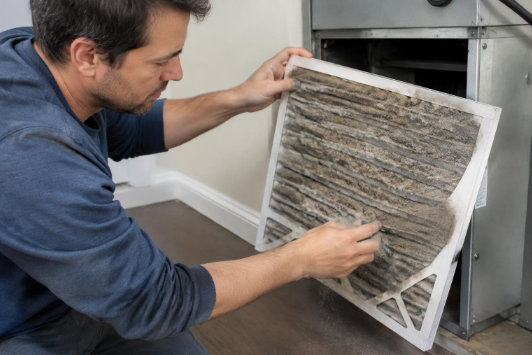
A dirty air filter collects massive amounts of dust and debris over time, which can severely restrict airflow and force your blower motor to strain while trying to circulate air effectively.
Impact of Restricted Airflow on System Performance
When restricted airflow plagues your setup, cooling efficiency plummets rapidly, leading to uneven temperatures, higher energy bills, and potential risks that may cause your valuable cooling system to overheat or malfunction prematurely.
Inspecting and Replacing Air Filters
Homeowners can easily maintain proper airflow by following a few simple steps:
- Checking their air filter monthly
- Removing any clog promptly
- Replacing old components following the strict schedule recommended by the original manufacturer
Poor HVAC Maintenance and Neglected Components
Accumulation of Dust and Debris Inside HVAC Systems
Neglecting basic HVAC maintenance allows stubborn dirt and debris to settle deep inside your equipment, coating the evaporator coil and various moving parts, which ultimately diminishes indoor air quality and overall performance.
The Role of Routine Maintenance in Performance
Scheduling regular maintenance ensures that vital parts remain clean and properly calibrated, preventing common issues like a dirty filter, restricted airflow, or declining cooling efficiency from undermining your daily comfort.
When to Seek Professional HVAC Services
While homeowners can handle simple tasks, complex mechanical problems require an experienced HVAC professional to inspect electrical connections, refrigerant levels, and internal components safely before minor issues escalate into major system failures.
Leaky Ductwork and Uneven Air Distribution
How Leaks in Ductwork Affect Air Distribution
Damaged or poorly sealed ductwork allows conditioned air to escape into unconditioned spaces like attics or crawlspaces, meaning your HVAC system must work harder to properly heat or cool your living areas.
Identifying Insufficient Heating or Cooling
Noticing uneven temperatures between different rooms usually points toward distribution failures, where leaky ducts prevent conditioned air from reaching specific sections of the house efficiently, causing noticeable discomfort.
Improving Air Distribution Through Duct Inspections
Conducting thorough duct inspections helps locate hidden leaks and gaps, allowing homeowners to:
- Seal compromised joints effectively
- Restore balanced airflow
- Optimize the heating and cooling distribution throughout the entire residence
Thermostat Problems and Incorrect Settings
Effects of Incorrect Thermostat Settings on Operation
When improper thermostat settings or an uncalibrated control device direct your HVAC system to operate incorrectly, the heating and cooling equipment may cycle continuously, driving up energy bills while failing to maintain comfortable indoor temperatures throughout your living space.
Checking Thermostat Accuracy and Placement
Homeowners can easily troubleshoot common issues by taking a few simple steps:
- Checking thermostat batteries
- Ensuring the device is located away from direct sunlight
- Verifying that accurate temperature readings match the actual conditions inside your home
When to Consider Professional Thermostat Inspection
If digital displays fail, wiring connections appear faulty, or the unit repeatedly loses calibration despite fresh batteries, calling an HVAC professional to inspect or replace the faulty control device will restore proper system communication and overall efficiency.
Aging Equipment and Worn-Out Components
Understanding the Efficiency Loss in Older HVAC Equipment
An aging HVAC system naturally suffers from cumulative wear and tear, causing motors, capacitors, and internal components to lose their original operational capacity, which inevitably leads to a significant reduction in overall energy efficiency over many years of service.
Signs of Worn Components and System Performance Issues
Warning signs of failing hardware include strange grinding noises, short cycling, weak airflow, and inconsistent indoor temperatures, which often indicate that vital parts like the compressor or blower motor require immediate attention before a complete breakdown occurs.
Repair vs. Replacement Decisions for Aging Systems
While targeted component repairs can often resolve isolated mechanical failures in older units, homeowners must weigh repair costs against the long-term benefits of a modern, energy-efficient heating and cooling replacement when equipment reaches the end of its reliable lifespan.
What Homeowners Can Do to Improve HVAC Efficiency
Practical Steps for Enhancing HVAC Performance
Homeowners can significantly boost HVAC system performance and protect indoor air quality by proactively replacing a dirty air filter, keeping outdoor units free of leaves, and ensuring that all supply and return vents remain entirely unobstructed by furniture.
Maintaining Appropriate Thermostat Settings
Establishing consistent, energy-saving thermostat schedules prevents the air conditioning system and furnace from working harder than necessary, helping to manage daily heating and cooling costs while maintaining steady, comfortable indoor temperatures throughout every season.
Importance of Seasonal HVAC Inspections
Scheduling professional HVAC maintenance twice a year allows technicians to clean coils, check refrigerant levels, test electrical connections, and catch minor mechanical wear before it develops into an expensive emergency breakdown during extreme weather.
When Should You Call an HVAC Professional?
Identifying Issues That Require Professional Diagnosis
Complex mechanical malfunctions, persistent strange noises, electrical failures, and suspected refrigerant leaks require specialized tools and expert knowledge that go far beyond standard do-it-yourself maintenance tasks handled by typical homeowners.
Warning Signs Indicating Professional Help is Needed
If your equipment experiences frequent system shutdowns, blows warm air when cool air is expected, or causes an unexplained spike in monthly energy bills, you should schedule prompt AC repair services to diagnose and resolve the underlying mechanical failure safely. Similarly, persistent heating failures require timely furnace repair to restore reliable operation.
Addressing Problems Early to Prevent Serious Issues
Contacting an experienced technician the moment you notice declining performance or unusual operating behavior helps prevent minor component failures from snowballing into catastrophic system damage, ultimately saving you money and extending the operational lifespan of your equipment.