
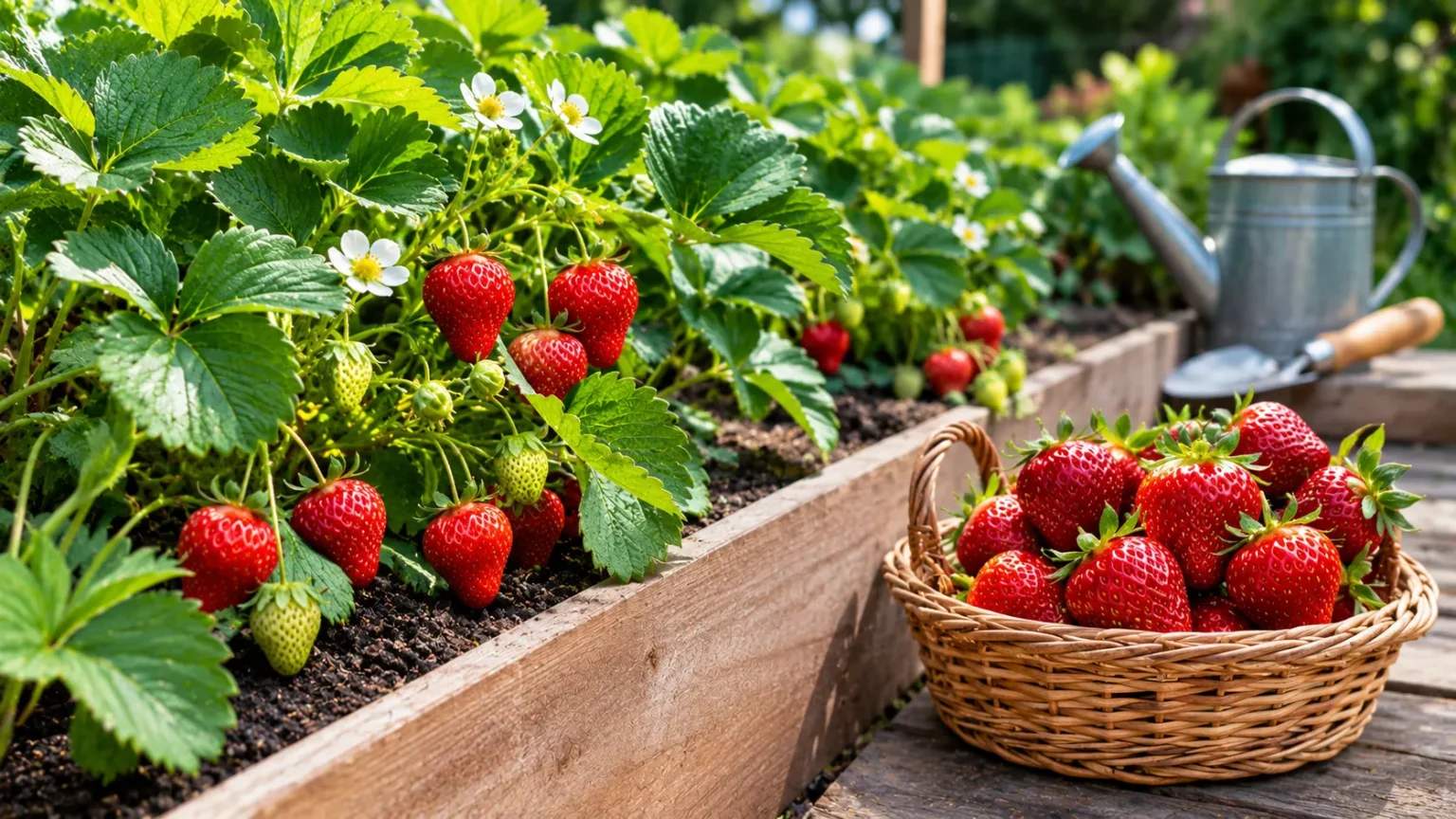
Growing strawberries at home is a rewarding way to enjoy fresh, flavorful fruit straight from your garden. These popular berries can thrive in garden beds, raised planters, and containers when provided with suitable growing conditions. Learning how to grow strawberries correctly helps you develop healthier plants, improve fruit production, and enjoy a more successful harvest throughout the growing season.
Although strawberry plants are relatively easy to maintain, achieving a productive harvest requires thoughtful planning and consistent care. Sunlight, soil quality, watering habits, and plant spacing all influence the quantity and quality of fruit. Whether you are starting your first strawberry patch or improving an existing garden, understanding these growing requirements can make a noticeable difference.
Understanding How Strawberry Plants Grow
Strawberries are low-growing perennial plants that produce sweet, juicy fruits from delicate white or pink flowers. Their shallow root systems spread through the upper layers of soil, making consistent moisture and suitable growing conditions particularly important. Healthy strawberry plants develop strong leaves, crowns, and roots that support flowering and fruit production during the growing season.
The crown is the central growing point where strawberry leaves, roots, and flower stems develop. Keeping this part of the plant at the correct soil level is essential because burying it too deeply can encourage rot. However, planting the crown too high may expose the roots and interfere with healthy establishment.
Many strawberry varieties also produce runners, which are long stems that develop new plants at their tips. These young plants can root into nearby soil and gradually expand a strawberry patch. Understanding how crowns, roots, flowers, and runners function helps gardeners manage plant growth and direct more energy toward producing healthy fruit.
Choosing the Best Strawberry Varieties for Your Garden
Selecting the right strawberry variety is an important step toward achieving a productive harvest. Different types produce fruit at different times and respond differently to temperature, daylight, and growing conditions. Choosing varieties suited to your local climate and harvesting preferences can make strawberry gardening easier and more rewarding.
June-bearing strawberries typically produce one main harvest during a relatively short period, often in late spring or early summer. These plants can provide large quantities of fruit at once, making them useful for preserving, freezing, or preparing homemade desserts. Their exact harvest time depends on regional weather conditions and the variety selected.
Everbearing and day-neutral strawberries offer different fruiting patterns that may suit gardeners seeking a longer harvest season. Everbearing varieties often produce crops in spring and later in the season, while day-neutral types can fruit repeatedly under suitable temperatures. Comparing these characteristics helps you choose plants that match your available space and desired harvesting schedule.
When Is the Best Time to Plant Strawberries?
The best time to plant strawberries depends on your climate and the type of plants you purchase. In many cooler regions, early spring planting allows strawberry roots to establish before summer temperatures rise. However, gardeners in mild-winter climates may achieve better results by planting during autumn when growing conditions become more comfortable.
Spring planting is particularly useful for bare-root strawberry plants because cool temperatures and available soil moisture encourage establishment. Planting after the ground becomes workable helps young plants develop roots before intense summer heat arrives. Nevertheless, late frosts may require temporary protection when plants begin producing flowers during early spring.
Autumn planting can be effective in warmer regions where winter temperatures remain relatively mild. Establishing plants during cooler months may encourage strong root development before the following fruiting season. Always consider local frost dates, seasonal rainfall, and nursery recommendations because planting calendars vary significantly between different growing regions.
Finding the Perfect Location for Strawberries
Strawberry plants grow best in locations that receive plenty of direct sunlight throughout the day. Most varieties benefit from at least six to eight hours of sunlight, although eight or more hours can support strong flowering and fruit production. Adequate sunlight also helps improve fruit development and allows plant foliage to dry after rainfall.
Good air circulation is another important factor when selecting a strawberry growing location. Crowded or sheltered planting areas may remain damp for extended periods, increasing the likelihood of fungal problems. Choosing an open space with reasonable airflow helps leaves dry more quickly and makes plants easier to inspect and maintain.
Avoid locations where rainwater regularly collects or soil remains saturated after watering. Strawberry roots are sensitive to prolonged waterlogging, which can interfere with nutrient uptake and encourage root diseases. Raised beds or well-drained containers may provide better growing conditions when natural garden soil is heavy, compacted, or difficult to manage.
Preparing the Best Soil for Strawberry Plants
Healthy strawberry growth begins with fertile, well-drained soil that supports strong root development. Strawberry plants generally prefer slightly acidic soil with a pH between approximately 5.5 and 6.8. Soil that falls outside the suitable range may affect nutrient availability and reduce plant performance, even when adequate fertilizer is present.
Before planting, remove weeds and loosen the soil to improve root penetration and drainage. Incorporating well-decomposed compost can help improve soil structure while supporting moisture retention. However, avoid using excessive amounts of fresh manure or poorly decomposed organic materials because they may introduce problems or encourage unbalanced plant growth.
A basic soil test can provide useful information about acidity and nutrient levels before establishing a strawberry patch. Use the results to determine whether additional amendments are necessary rather than applying fertilizers without a clear purpose. Preparing the soil properly before planting can reduce future maintenance problems and create a stronger foundation for productive strawberry plants.
How to Plant Strawberries Step by Step
Begin by choosing healthy strawberry plants with firm crowns, developed roots, and foliage free from obvious disease symptoms. Prepare planting holes wide enough to accommodate the roots without forcing them into tight spaces. If you are using bare-root plants, spread the roots naturally inside the hole rather than bending them sharply upward.
Position each strawberry plant so the crown sits approximately level with the soil surface. Cover the roots carefully while keeping the central growing point exposed above the soil. Planting too deeply can damage the crown, while leaving excessive root material uncovered may cause drying and interfere with successful establishment.
After planting, gently firm the surrounding soil and water thoroughly to settle it around the roots. Check that the crown remains correctly positioned because watering can sometimes shift loose soil. Continue monitoring the plants during their first few weeks, providing consistent moisture while avoiding conditions that leave the root zone excessively wet.
How Far Apart Should Strawberry Plants Be?
Proper strawberry plant spacing supports healthy growth, good airflow, and convenient harvesting. Many garden strawberries are planted approximately 12 to 18 inches apart, depending on the variety and growing system. Adequate spacing gives leaves and roots room to develop while reducing competition for sunlight, nutrients, and available soil moisture.
Gardeners using a traditional matted-row system often allow selected runners to establish new plants between the original strawberry crowns. Wider row spacing helps accommodate this natural spreading habit while maintaining access for maintenance. However, excessive runner growth can create crowded conditions that reduce airflow and make harvesting more difficult.
Strawberries grown in raised beds or containers may be arranged more compactly when runners are regularly removed. The ideal spacing depends on plant vigor, bed dimensions, and the desired harvesting method. Following variety-specific recommendations helps prevent overcrowding and creates a manageable planting arrangement that supports dependable fruit production.
How Often Should You Water Strawberry Plants?
Strawberry plants need consistent moisture because their relatively shallow roots can dry out quickly during warm weather. Many established plants benefit from approximately one to one and a half inches of water weekly, including rainfall. However, actual requirements depend on soil type, temperature, plant maturity, and the moisture conditions around the roots.
Watering near the soil surface is generally preferable to frequently soaking strawberry leaves and flowers. Drip irrigation or soaker hoses can deliver moisture efficiently while helping reduce prolonged leaf wetness. Water deeply enough to moisten the active root zone, then allow excess water to drain rather than maintaining constantly saturated soil.
Container-grown strawberries may require more frequent watering than plants growing directly in garden beds. Their limited soil volume can dry quickly, particularly during sunny or windy conditions. Check the potting mix regularly and water when needed, ensuring that containers have drainage holes to prevent unnecessary moisture buildup around the roots.
Fertilizing Strawberries for Healthy Growth
Strawberry plants require essential nutrients to support leaf development, flowering, and fruit production. Nitrogen encourages vegetative growth, while phosphorus and potassium contribute to important plant functions. However, applying excessive fertilizer can encourage lush foliage at the expense of fruit development, making balanced nutrient management more effective than frequent heavy feeding.
Before adding fertilizer, consider conducting a soil test to identify nutrient deficiencies. A suitable balanced fertilizer or strawberry-specific product may be useful when additional nutrients are needed. Follow the manufacturer’s application instructions carefully and avoid placing concentrated fertilizer directly against crowns or exposed roots.
Fertilizer timing depends on the strawberry variety, growing system, and local growing conditions. June-bearing strawberries are often fertilized after renovation or according to regional production recommendations, while day-neutral plants may need lighter feeding throughout active growth. Consistent monitoring helps prevent unnecessary applications and supports more reliable plant performance.
Using Mulch to Protect Strawberry Plants
Mulching provides several benefits when growing strawberries, including moisture conservation, weed suppression, and cleaner fruit. A suitable layer of organic mulch reduces direct contact between developing berries and exposed soil. This can help limit soil splashing during rainfall while making harvesting more convenient and improving the appearance of the planting area.
Clean straw is a popular mulching material because it creates a relatively light protective layer around strawberry plants. Pine needles and other suitable organic materials may also be useful depending on local availability. Keep mulch away from the crown itself to avoid creating excessively damp conditions around the central growing point.
Mulching can also help moderate soil temperatures during changing weather conditions. In colder climates, additional winter mulch may protect dormant strawberry crowns from damaging temperature fluctuations. Remove or adjust protective layers at the appropriate time in spring so emerging leaves and flowers can develop normally without becoming trapped beneath the material.
How to Grow Strawberries in Containers
Growing strawberries in containers is an excellent option for gardeners with limited outdoor space. Pots, hanging baskets, window boxes, and dedicated strawberry planters can accommodate these compact fruiting plants. Choose containers with sufficient root space, reliable drainage holes, and materials suitable for outdoor temperature changes throughout the growing season.
Fill each container with a quality, well-draining potting mix rather than dense garden soil. Position strawberry crowns at the correct depth and leave enough room for foliage growth and airflow. Compact varieties and many day-neutral strawberries are particularly useful for container gardening because they can provide fruit without requiring a large traditional garden bed.
Place containers where plants receive adequate sunlight and can be watered conveniently. Because container soil dries more quickly, regular moisture checks are essential during warm conditions. Rotate pots when necessary to encourage balanced exposure, and protect roots from extreme heat or freezing temperatures according to your local climate.
Managing Strawberry Runners for Better Harvests
Strawberry runners are horizontal stems that develop new plants away from the original crown. Allowing some runners to establish can help expand an existing planting bed without purchasing additional plants. However, runner production also uses energy that might otherwise support flowering, fruit development, or the growth of the parent plant.
For gardeners prioritizing fruit production, removing unnecessary runners can help maintain a more organized planting area. This approach is particularly useful for day-neutral strawberries or plants grown in small containers. Regularly inspect the plants and trim unwanted runners carefully without damaging the crown or healthy fruiting stems.
If you want to propagate strawberries, select healthy runner plants and allow their developing roots to establish in soil or small pots. Once the new plants have formed suitable root systems, they can be separated from the parent plant. This simple propagation method provides an affordable way to maintain or expand your strawberry garden.
How to Protect Strawberries From Pests and Diseases
Strawberries can attract several garden pests, including slugs, aphids, mites, and certain insects that feed on leaves or fruit. Regular plant inspections help identify problems before they become severe. Look for damaged leaves, unusual discoloration, small insects, or feeding marks, and choose control methods appropriate for the specific pest identified.
Birds may also feed on ripening strawberries before gardeners have the opportunity to harvest them. Properly secured garden netting can protect fruit when installed carefully to avoid trapping wildlife. Maintaining tidy planting areas, removing damaged berries, and harvesting ripe fruit regularly can also help discourage certain pests and reduce unnecessary losses.
Fungal diseases such as gray mold and powdery mildew may develop under favorable environmental conditions. Good airflow, suitable spacing, and careful watering help reduce prolonged moisture around leaves and flowers. Remove heavily affected plant material when appropriate and avoid allowing rotten fruit to remain in the garden where disease organisms may continue developing.
How to Encourage More Strawberry Flowers and Fruit
Successful strawberry production depends on healthy plants receiving suitable sunlight, moisture, and nutrients throughout their growing cycle. Strong root development supports vigorous growth, while adequate sunlight helps plants produce the energy needed for flowering. Maintaining balanced soil fertility encourages productive growth without pushing plants toward excessive leaf development.
Pollination also plays an important role in the development of well-formed strawberry fruit. Bees and other pollinating insects help transfer pollen between flowers, improving the likelihood of complete fruit development. Encouraging pollinators through diverse garden planting and avoiding unnecessary pesticide applications can support healthier fruit production.
Temperature and variety selection also influence flowering patterns and harvest size. Some strawberries produce flowers in response to changing day length, while day-neutral varieties can continue flowering under suitable conditions. Understanding these differences helps gardeners choose appropriate plants and maintain realistic expectations during periods of extreme heat or unfavorable weather.
When and How to Harvest Strawberries
Strawberries are generally ready to harvest when their surfaces develop the mature color typical of the variety. For most familiar red strawberries, this means waiting until the fruit becomes fully red rather than picking it while large pale areas remain. Unlike some fruits, strawberries do not become significantly sweeter after being harvested.
Check your strawberry plants frequently during peak production because ripe berries may develop quickly under favorable conditions. Harvest during cooler parts of the day when possible and handle fruit gently to prevent bruising. Use clean fingers or scissors to remove berries with a short section of stem attached rather than pulling forcefully.
Place harvested strawberries in shallow containers to avoid crushing delicate fruit beneath heavier layers. Refrigerate berries promptly if they will not be eaten soon, and wash them shortly before use rather than before storage. Removing damaged or spoiled fruit during harvesting also helps maintain cleanliness and reduces the chance of decay spreading.
How to Care for Strawberry Plants After Harvesting
Strawberry care should continue after the main harvest because healthy foliage and roots support future growth. Remove weeds, maintain suitable soil moisture, and inspect plants for signs of disease or pest damage. Depending on the variety, postharvest care may also include runner management, renovation, and appropriate nutrient applications.
June-bearing strawberry beds sometimes benefit from renovation after harvesting, particularly when using traditional matted-row systems. Renovation may involve narrowing rows, removing older foliage where recommended, and encouraging healthy replacement growth. However, these practices are not suitable for every strawberry variety or growing method, so follow regional gardening guidance.
Day-neutral and everbearing strawberries may continue flowering and fruiting later in the growing season. Avoid removing healthy foliage aggressively when plants are still producing berries. Instead, focus on consistent watering, removing damaged material, and maintaining suitable growing conditions that support continued development without unnecessarily stressing the plants.
Preparing Strawberry Plants for Winter
Winter care depends on your local climate and the strawberry varieties growing in your garden. In colder regions, strawberry crowns may need protection from repeated freezing and thawing. Applying clean straw mulch after plants have entered dormancy can help moderate temperature changes and reduce winter injury.
Avoid applying heavy winter protection too early while the soil remains warm. Premature mulching may encourage unwanted moisture retention or interfere with the plants’ natural transition into dormancy. Follow local temperature patterns and regional recommendations to determine the most appropriate time for adding and removing seasonal protection.
Container-grown strawberries often need additional attention because their roots are less insulated than those growing in the ground. Moving pots into a sheltered, unheated location or insulating suitable containers can reduce exposure to severe winter conditions. In mild climates, winter protection may be minimal, but occasional watering can still be necessary during extended dry periods.
Common Mistakes to Avoid When Growing Strawberries
One common mistake is planting strawberry crowns too deeply or leaving their roots exposed. Incorrect planting depth can interfere with healthy establishment and increase the risk of crown damage. Positioning the crown at soil level while covering the roots properly gives young plants a better opportunity to develop strong, productive growth.
Another mistake is allowing plants to become excessively crowded through uncontrolled runner production. Dense foliage reduces airflow, complicates harvesting, and can create conditions favorable for certain diseases. Maintaining suitable spacing, removing unnecessary runners, and renewing older planting beds when appropriate can help preserve productivity over multiple growing seasons.
Gardeners also sometimes overlook the importance of consistent watering and suitable sunlight. Irregular moisture can stress plants, while excessive fertilizer may encourage leaves instead of fruit. Focusing on balanced growing conditions, timely harvesting, and regular inspections is generally more effective than relying on complicated treatments or unnecessary gardening products.
Conclusion
Learning how to grow strawberries successfully begins with choosing suitable varieties and creating the right growing environment. Healthy soil, adequate sunlight, proper planting depth, and consistent moisture provide the foundation for productive plants. Understanding these requirements helps gardeners avoid common problems while improving the overall quality of their strawberry harvest.
Regular maintenance also plays an important role in keeping strawberry plants healthy throughout the growing season. Managing runners, applying appropriate mulch, monitoring pests, and harvesting fruit at the right time can make a noticeable difference. Whether strawberries grow in garden beds or containers, thoughtful care helps support dependable fruit production.
Ultimately, growing strawberries at home can provide fresh fruit and an enjoyable gardening experience. Start with healthy plants, choose varieties suited to your climate, and adjust your care routine as seasonal conditions change. With patience and consistent attention, your strawberry garden can deliver flavorful harvests and remain a rewarding addition to your outdoor space.
Frequently Asked Questions
What is the best month to plant strawberries?
The best planting month depends on your climate. Early spring is common in cooler regions, while autumn planting often works well in mild-winter areas where plants can establish before the next fruiting season.
How long does it take for strawberries to grow?
Strawberry plants may produce fruit within a few months under suitable conditions, depending on variety and planting time. Some newly planted June-bearing strawberries are managed for a stronger harvest the following year.
Do strawberry plants need full sun?
Yes, most strawberry varieties grow best with at least six to eight hours of direct sunlight daily. Adequate sunlight supports healthy foliage, strong flowering, and better fruit production throughout the growing season.
How many strawberries can one plant produce?
Production varies significantly depending on variety, plant age, climate, and growing conditions. A healthy mature plant may produce several handfuls of berries during its productive season, although actual yields differ widely.
Can strawberries grow in pots?
Yes, strawberries grow well in containers with adequate drainage, suitable potting mix, and sufficient sunlight. Regular watering, appropriate feeding, and enough root space help container-grown plants develop healthy foliage and flavorful fruit.