
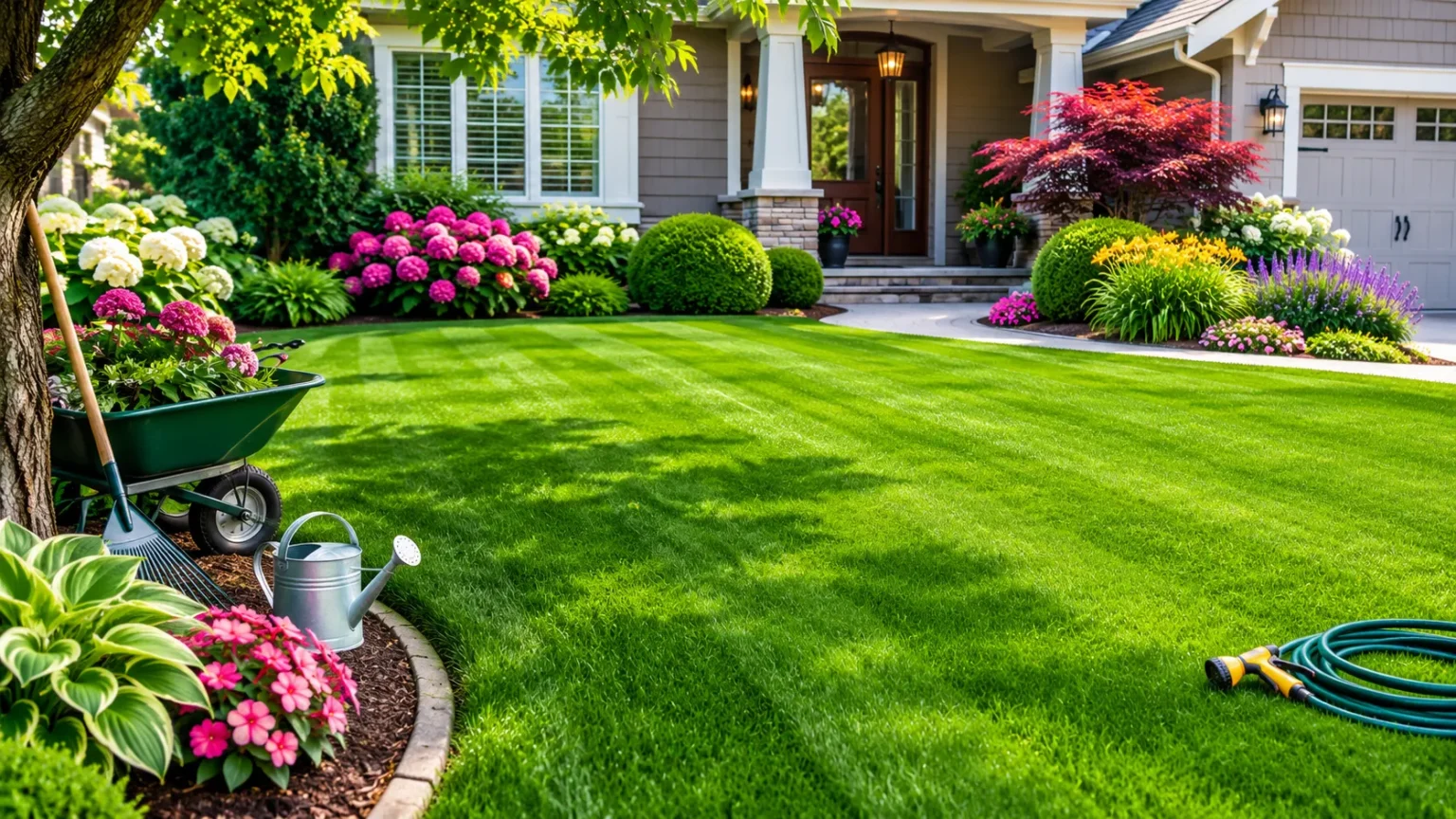
A beautiful lawn can make your entire outdoor space feel more welcoming, relaxing, and attractive. However, maintaining healthy green grass is not always easy, especially when dealing with weeds, bare patches, uneven growth, or changing weather conditions. Many homeowners spend time and money on lawn care without seeing the results they expect. Understanding the right maintenance techniques can make a noticeable difference.
If you have been wondering, “How do I make my lawn the most beautiful?” the answer begins with healthy soil, suitable grass, proper watering, and consistent maintenance. Creating an attractive lawn does not necessarily require expensive landscaping services or complicated equipment. Small improvements in your daily and seasonal lawn care routine can help your grass grow stronger and look more uniform.
This guide explains practical lawn improvement techniques, including mowing, fertilizing, aeration, weed management, and landscaping ideas. You will also learn how to repair damaged areas and maintain an attractive yard throughout the year.
Understand What Makes a Lawn Beautiful
A beautiful lawn usually has healthy grass, reasonably consistent coverage, and a tidy overall appearance. Rich green color can be attractive, but the exact shade depends on the grass species, season, and growing conditions. A well-maintained lawn should also have minimal bare patches, appropriate drainage, and enough healthy growth to handle everyday use.
Healthy grass begins beneath the surface, where roots absorb water and nutrients from the soil. When soil conditions are suitable, grass can develop stronger roots and recover more effectively from normal wear. Poor drainage, compacted soil, or insufficient nutrients may limit growth even when the lawn receives regular watering.
The surrounding landscape also influences how attractive a lawn appears. Clean edges, healthy garden beds, and thoughtfully arranged plants can make a simple grassy area look organized. Instead of focusing only on achieving a particular shade of green, consider the overall health, usability, and appearance of your outdoor space.
Choose the Right Grass for Your Lawn
Selecting the right grass variety is one of the most important steps in creating a beautiful lawn. Different grasses grow best under different temperatures, sunlight conditions, and soil types. Choosing a variety suited to your local climate helps improve long-term growth while reducing unnecessary watering and maintenance.
Cool-season grasses, including tall fescue, Kentucky bluegrass, and perennial ryegrass, generally perform best in regions with cooler growing conditions. Warm-season varieties such as Bermuda grass, zoysia grass, and St. Augustine grass are better suited to warmer climates. Each type has different requirements for mowing, watering, sunlight, and seasonal care.
Consider how your lawn will be used before selecting grass. Areas with frequent foot traffic may require more wear-tolerant varieties, while shaded spaces need grasses suited to lower light levels. Local climate information and soil conditions can help you identify an appropriate option that remains healthy throughout the growing season.
Test Your Soil Before Improving Your Lawn
Healthy soil provides the foundation for strong grass growth, making soil testing an important part of lawn care. A soil test can reveal nutrient deficiencies, acidity levels, and other conditions that influence plant development. This information helps determine whether fertilizer, lime, or other amendments are actually necessary.
Grass generally performs best when soil conditions support nutrient availability and healthy root growth. However, the ideal soil pH varies depending on the grass species and local conditions. Applying amendments without testing can create unnecessary imbalances, so it is better to identify specific problems before making changes.
Collect soil samples from several representative areas of your lawn and combine them according to the testing service’s instructions. Avoid unusual spots unless you are investigating a particular problem. After receiving the results, follow recommendations appropriate for your grass type and local growing conditions to improve soil quality.
Mow Your Lawn at the Right Height
Proper mowing is essential for maintaining attractive, healthy grass. Cutting the lawn too short can reduce its ability to produce energy through photosynthesis and increase stress during hot weather. Leaving grass excessively long may also create maintenance challenges, making an appropriate mowing height important.
Different grass species require different cutting heights, so identify your lawn variety before adjusting the mower. Many cool-season grasses benefit from relatively taller mowing, while some warm-season varieties tolerate shorter cutting heights. A useful general practice is to avoid removing more than one-third of the grass blade during a single mowing session.
Keep mower blades sharp to produce clean cuts rather than tearing the grass. Torn leaf edges can create an uneven appearance and increase stress on the lawn. Mow when grass is reasonably dry, vary mowing directions occasionally, and avoid using heavy equipment on saturated soil that may become compacted.
Water Your Lawn Properly for Healthy Growth
Watering is important for maintaining grass health, but excessive irrigation can create problems rather than solve them. Too much water may contribute to shallow root development, poor soil aeration, and certain lawn diseases. Too little moisture can cause grass to lose color, slow its growth, or enter temporary dormancy.
Many established lawns benefit from deep, less frequent watering that encourages roots to access moisture below the soil surface. However, the amount required depends on grass type, soil conditions, rainfall, and temperature. Sandy soils drain quickly, while clay soils retain moisture longer and may require different watering schedules.
Early morning is generally a good time to irrigate because cooler conditions reduce evaporation and allow leaves to dry afterward. Check soil moisture before watering instead of relying entirely on a fixed schedule. Adjust irrigation during rainy periods and follow local water restrictions when applicable.
Fertilize Your Lawn for Stronger Grass
Fertilizer supplies nutrients that grass needs for healthy growth, including nitrogen, phosphorus, and potassium. Nitrogen supports leaf development, while phosphorus contributes to root growth and potassium supports important plant functions. However, applying excessive fertilizer can damage grass, increase runoff, and create environmental problems.
The best fertilization schedule depends on your grass variety and its active growing season. Cool-season lawns often benefit from feeding during cooler growth periods, while warm-season grasses generally respond best during warmer months. Soil test results can help identify which nutrients are needed and prevent unnecessary applications.
Choose fertilizer according to your soil conditions rather than selecting products based only on advertising claims. Follow application instructions carefully and distribute the material evenly. Avoid fertilizing before heavy rainfall, when nutrients may wash away instead of remaining available to the grass.
Remove Weeds Without Damaging Your Grass
Weeds can affect the appearance of a lawn by creating uneven patches and competing with grass for sunlight, water, and nutrients. Common lawn weeds include dandelions, clover, crabgrass, and broadleaf plants. The most effective management approach begins with understanding why weeds are growing in particular areas.
Thin grass, compacted soil, and improper mowing can create conditions that allow weeds to spread. Improving lawn density through appropriate maintenance helps reduce available space for unwanted plants. Hand removal may be practical for isolated weeds, particularly when the root system can be removed without disturbing too much surrounding grass.
For persistent weed problems, identify the plant correctly before considering additional management methods. Some lawn treatments can harm desirable grass or nearby plants when used incorrectly. Follow local regulations and product instructions, and remember that small amounts of clover or other flowering plants can also support pollinators when a mixed lawn is acceptable.
Aerate Your Lawn to Improve Soil Health
Lawn aeration helps address soil compaction by creating openings that allow air, water, and nutrients to move more effectively into the root zone. Compacted soil can restrict root development and reduce drainage. Lawns experiencing heavy foot traffic or frequent equipment use may benefit from aeration when soil conditions indicate a genuine need.
Core aeration is a common method that removes small plugs of soil from the ground. These openings can improve the movement of water and air through compacted areas. However, aeration is not necessary for every lawn, and performing it when soil conditions are unsuitable may provide limited benefits.
The best time to aerate is generally during the grass’s active growing season, when it can recover from disturbance. Cool-season and warm-season grasses have different periods of strongest growth. Avoid aerating extremely dry or saturated soil, and consider soil compaction before deciding whether the process is needed.
Overseed Your Lawn to Fill Bare Patches
Overseeding involves spreading grass seed over an existing lawn to improve density and replace thinning areas. This technique can help create more consistent coverage when the existing grass variety and growing conditions are suitable. However, simply scattering seed over compacted or unhealthy soil may produce disappointing results.
Before overseeding, remove loose debris and prepare the soil surface so seeds can make appropriate contact with the ground. Choose seed that matches your climate, sunlight conditions, and existing lawn. Follow recommended planting rates because excessive seed can create unnecessary competition between new seedlings.
New grass requires careful moisture management during germination and early establishment. Keep the seedbed consistently moist without creating standing water, then gradually adjust watering as roots develop. Protect newly seeded areas from heavy foot traffic until the grass becomes established enough to tolerate normal use.
Fix Brown Spots and Damaged Lawn Areas
Brown patches can appear for several reasons, including drought stress, poor drainage, disease, insect damage, or unsuitable soil conditions. Before treating the area, examine its appearance and recent environmental conditions. Identifying the cause is important because different problems require different solutions.
For example, dry soil may indicate insufficient watering, while persistently wet ground can suggest drainage problems. Damage from repeated foot traffic may involve soil compaction and worn grass. Lawn diseases can also cause discoloration, although symptoms sometimes resemble ordinary environmental stress.
Once the underlying issue has been addressed, damaged areas may recover through appropriate watering and maintenance. Severely affected patches might require reseeding or replacing the grass. Avoid applying multiple treatments without identifying the cause, because unnecessary fertilizers or chemicals may worsen existing problems.
Keep Lawn Edges Clean and Defined
Clean lawn edges can improve the overall appearance of a yard by separating grass from pathways, patios, and planting beds. Defined boundaries make landscaping features easier to recognize and create a more organized outdoor space. Even a relatively simple lawn can look carefully maintained when the edges remain tidy.
Use suitable edging tools to maintain boundaries without damaging nearby plants or hard surfaces. Curved garden beds may benefit from smooth, consistent lines, while straight walkways often look neat with clearly maintained grass edges. The ideal style depends on your landscape design and personal preference.
Edging materials such as stone, brick, or durable landscape borders can help maintain separation between grass and garden beds. Choose materials that suit your budget and outdoor environment. Regular maintenance is still necessary because grass may spread across boundaries, especially during periods of active growth.
Add Landscaping Features Around Your Lawn
Landscaping can make a lawn more appealing by introducing different colors, textures, and natural features. Flower beds, shrubs, and small trees create visual interest beyond the grassy surface. Thoughtful placement can also make outdoor spaces more comfortable and useful for relaxation or family activities.
Choose plants suited to your local climate, available sunlight, and soil conditions. Native or well-adapted species can provide attractive landscaping while supporting local wildlife. Avoid planting large trees too close to structures or areas where their roots and mature canopies may create maintenance problems.
Garden beds can also help reduce the amount of grass that requires mowing and watering. Mulched planting areas create clear boundaries and may help retain soil moisture. Combining healthy grass with appropriately selected plants can produce an attractive landscape without depending on a perfectly uniform lawn across the entire property.
Make Your Lawn Beautiful on a Budget
Improving your lawn does not necessarily require expensive equipment or professional landscaping services. Many useful changes begin with correcting mowing habits, improving watering practices, and removing unnecessary clutter from the yard. Consistent basic maintenance can often make a noticeable difference without major financial investment.
Focus first on problems that affect the largest areas of grass. Address poor drainage, inappropriate mowing, or widespread thinning before purchasing decorative landscaping materials. When improvements are based on the actual causes of lawn problems, money can be directed toward solutions that provide greater practical value.
Budget-friendly projects may include repairing small bare patches, maintaining garden edges, and adding suitable plants gradually. Reusing appropriate existing materials can also reduce landscaping expenses. A carefully maintained, simple lawn can feel attractive and welcoming without requiring elaborate designs or costly renovations.
Maintain Your Lawn During Different Seasons
Seasonal lawn care is important because grass growth changes throughout the year. During spring, many lawns benefit from inspection, debris removal, and attention to areas damaged during colder weather. Appropriate maintenance depends on whether the lawn contains cool-season or warm-season grass.
Summer care often requires greater attention to moisture and heat stress. Avoid cutting grass excessively short during hot conditions, and adjust watering according to rainfall and local restrictions. Some grass varieties naturally enter dormancy during extreme temperatures, which does not always mean they have permanently died.
Autumn can provide opportunities for repairing and strengthening cool-season lawns, while warm-season grasses may begin slowing their growth. Winter maintenance often involves reducing unnecessary traffic on dormant or frozen grass. Following the natural growing cycle of your lawn helps prevent stress and supports healthier seasonal recovery.
Common Lawn Care Mistakes to Avoid
One common lawn care mistake is watering too frequently without checking whether the soil actually needs moisture. Constantly wet conditions may encourage certain diseases and weaken overall lawn performance. Watering decisions should reflect rainfall, soil type, weather, and the grass’s current growing conditions.
Another mistake involves cutting grass too short in an attempt to reduce mowing frequency. Excessively short mowing can weaken grass and expose more soil to sunlight, creating opportunities for weeds. Maintaining suitable mowing heights and using sharp equipment generally supports healthier growth and a more consistent appearance.
Applying fertilizer or other treatments without understanding the underlying problem can also damage the lawn. Brown grass does not always indicate nutrient deficiency, and weeds do not necessarily require chemical treatment. Identifying the cause of each issue helps prevent unnecessary expenses and supports more effective maintenance decisions.
How to Create a Simple Weekly Lawn Care Routine
A simple lawn care routine can make maintenance easier by dividing responsibilities into manageable tasks. Begin by checking the lawn’s overall condition, including moisture levels, grass growth, and visible damage. This short inspection helps identify developing problems before they affect larger areas.
Mowing frequency should depend on grass growth rather than a fixed calendar schedule. During active growing periods, regular mowing may be necessary, while dormant grass requires less attention. Check irrigation needs and remove litter or fallen branches when necessary to keep the outdoor space usable.
Set aside additional time occasionally for edging, equipment maintenance, and checking garden beds. Seasonal tasks such as fertilization, overseeding, and aeration should be scheduled according to actual lawn needs. A consistent routine allows small problems to be addressed gradually rather than waiting until the entire yard requires major repairs.
Conclusion
Creating a beautiful lawn begins with understanding the conditions that support healthy grass growth. Suitable grass varieties, balanced soil nutrients, appropriate mowing, and careful watering all contribute to stronger coverage. Addressing weeds, bare patches, and compaction can further improve the lawn’s appearance and functionality.
Simple landscaping improvements can also make your outdoor space more attractive. Clean edges, well-maintained garden beds, and suitable plants create visual interest around the grass. Maintaining these features does not require an expensive redesign, especially when improvements are planned according to your available space and budget.
The most effective approach is to develop a lawn care routine that suits your local climate, grass variety, and daily activities. Consistent maintenance helps prevent common problems and supports long-term improvement. With patience and appropriate care, your lawn can become a healthy, welcoming part of your home’s outdoor environment.
Frequently Asked Questions (FAQs)
How can I make my lawn greener and thicker?
Choose suitable grass, mow at the recommended height, water according to soil conditions, and fertilize based on soil test results. Overseeding thin areas during the appropriate growing season can also improve coverage.
What is the best fertilizer for a beautiful lawn?
The best fertilizer depends on your soil’s nutrient levels and grass variety. A soil test can identify deficiencies and help you select suitable nutrients without applying unnecessary fertilizer.
How often should I water my lawn?
Watering frequency depends on grass type, soil conditions, rainfall, and temperature. Established lawns often benefit from deeper, less frequent irrigation, but schedules should be adjusted to actual moisture needs.
Why does my lawn have brown patches?
Brown patches may result from drought stress, compacted soil, disease, insects, or drainage problems. Identifying the underlying cause is essential before applying treatments or attempting to repair damaged areas.
How long does it take to improve an unhealthy lawn?
Improvement time depends on the grass species, growing season, and severity of the problem. Some lawns show progress within weeks, while severely damaged areas may require an entire growing season or longer.