
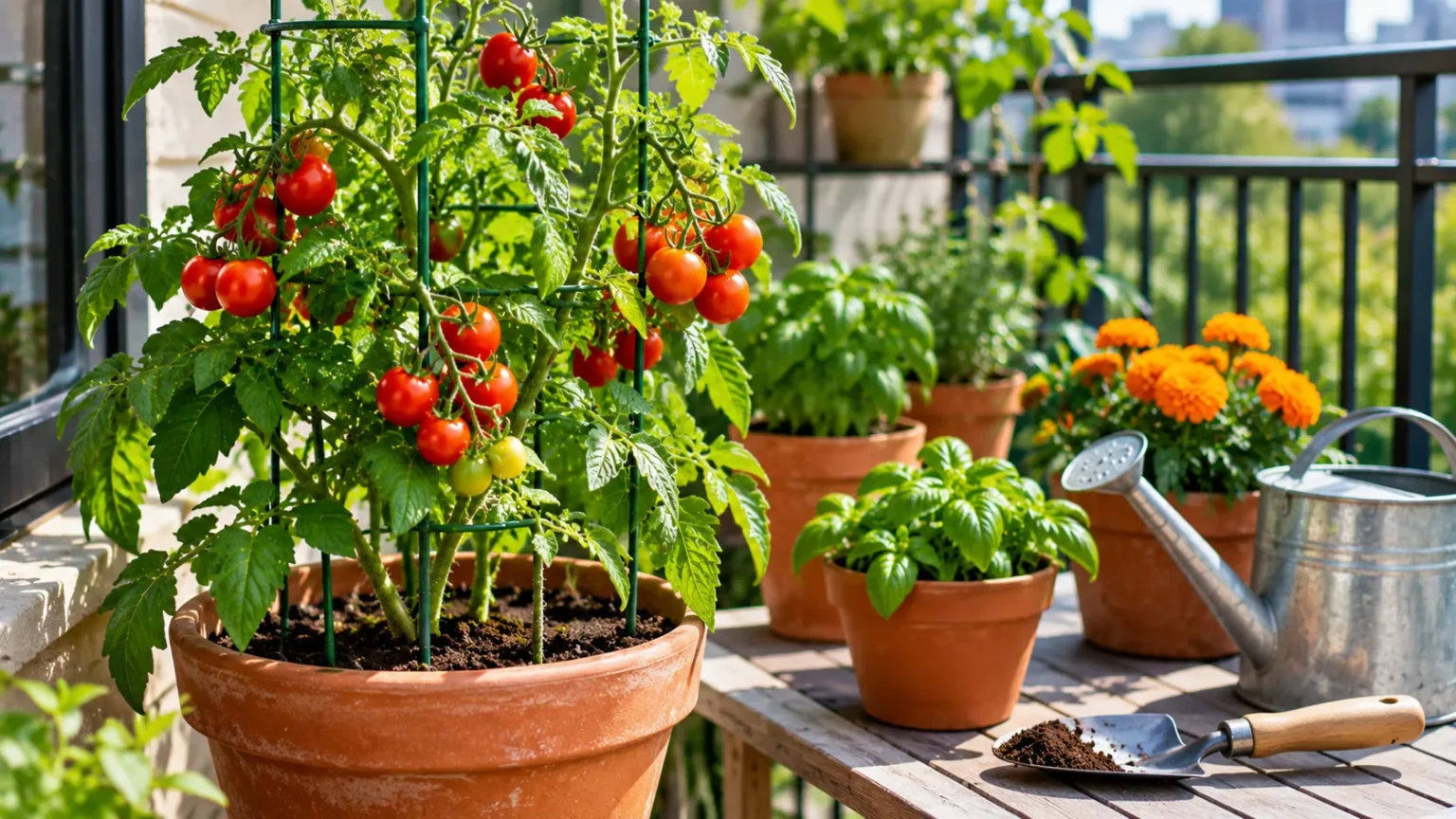
Growing fresh tomatoes at home is possible even when you do not have a large backyard or traditional garden beds. Many beginners assume tomatoes need extensive outdoor space, but these plants can grow successfully in containers on patios, balconies, terraces, and other sunny locations. The secret is providing the right growing conditions, including adequate sunlight, suitable soil, consistent watering, and enough space for healthy roots.
Learning how to grow tomatoes in containers successfully can help you enjoy homegrown vegetables while making the most of limited space. Container gardening also allows greater control over soil quality, drainage, and plant placement. Whether you want sweet cherry tomatoes or larger slicing varieties, this guide explains the essential steps, common mistakes, and practical techniques for growing healthy tomato plants and enjoying a productive harvest.
Why Growing Tomatoes in Containers Is a Great Idea
Growing tomatoes in containers provides a practical gardening solution for people with small outdoor spaces. Unlike traditional vegetable gardens, container gardens do not require permanent planting beds or extensive soil preparation. You can place pots on sunny patios, balconies, or terraces. This flexibility makes tomato cultivation accessible to beginners and experienced gardeners.
Another advantage is greater control over the growing environment. Container gardeners can choose suitable potting mixes, improve drainage, and adjust plant placement according to sunlight conditions. Healthy growing media may also reduce exposure to some soil-related problems found in garden beds. However, container plants still require careful attention to watering, nutrients, and temperature.
Tomato containers can also add attractive greenery to outdoor living spaces. Compact varieties fit into smaller areas, while taller plants can grow vertically with appropriate support. Fresh tomatoes can be harvested when ripe and used in everyday meals. With suitable planning, even a small collection of pots can provide an enjoyable gardening experience.
Choose the Best Tomato Varieties for Containers
Selecting the right tomato variety is one of the most important steps in successful container gardening. Determinate tomatoes generally grow to a more predictable size and produce much of their crop within a relatively concentrated period. Many compact and patio varieties belong to this category. Their growth habits often make them easier to manage in limited spaces.
Cherry tomatoes are another popular choice because many varieties produce clusters of smaller fruits throughout the growing season. Some compact cherry tomatoes are especially suitable for containers, while others develop long vines. Popular patio selections include Tiny Tim, Patio Choice Yellow, and suitable dwarf tomato varieties. Always check the mature plant size before selecting seeds or seedlings.
Indeterminate tomatoes continue growing and producing flowers under suitable conditions until weather or disease stops their development. These varieties usually require larger containers, regular support, and more space. They can still grow successfully in pots when their needs are met. Beginners may find compact determinate varieties easier to manage while developing their gardening skills.
Select the Right Container Size for Tomato Plants
Container size directly affects root development, soil moisture, and the overall growth of tomato plants. Very small pots restrict root expansion and dry out quickly during warm weather. Larger containers provide more growing medium and help maintain moisture more consistently. Choosing an appropriately sized pot can reduce common problems associated with container gardening.
For many full-sized tomato plants, a container holding approximately 5 gallons, or 19 liters, is a useful minimum starting point. Larger varieties often perform better in pots holding 10 gallons or more. Compact dwarf tomatoes may grow successfully in smaller containers when recommended by the variety supplier. The ideal size depends on the plant’s mature growth habit.
Container materials also influence growing conditions. Plastic pots are lightweight and generally retain moisture longer, while terracotta containers allow more evaporation through their porous surfaces. Fabric grow bags provide another option but may dry out relatively quickly. Choose sturdy containers that can support the mature plant, its growing medium, and any required stakes.
Make Sure Your Tomato Pots Have Proper Drainage
Drainage is essential when growing tomatoes in containers because roots need both moisture and oxygen. Waterlogged growing media can reduce root health and create conditions that encourage disease. Every tomato container should have suitable drainage holes that allow excess water to escape. Decorative pots without drainage are generally unsuitable as the main growing container.
Before planting, inspect the drainage holes and make sure they are not blocked. Avoid placing stones or gravel at the bottom of the pot because this does not reliably improve drainage. Instead, use an appropriate potting mix throughout the container. Good soil structure allows moisture to move while maintaining enough air around the roots.
Position containers where excess water can drain without damaging nearby surfaces. Pot feet or suitable stands can help keep drainage openings clear. If you use saucers, empty standing water when necessary to prevent prolonged saturation. Maintaining proper drainage helps tomato roots develop and supports more consistent plant growth throughout the season.
Use the Best Soil Mix for Container Tomatoes
Tomatoes grown in containers need a growing medium that retains sufficient moisture while allowing excess water to drain. High-quality commercial potting mixes are generally more suitable than ordinary garden soil. Garden soil can become compacted inside containers, restricting airflow and drainage. A suitable potting mix provides a better environment for root development.
Look for a mix containing ingredients such as composted organic matter, coir, peat alternatives, perlite, or other materials designed for container growing. The exact composition varies between products. Some potting mixes already contain starter fertilizer, while others require additional nutrients. Review the product information before adding fertilizer to avoid unnecessary applications.
Fill the container while leaving a small gap below the rim for watering. Gently settle the growing medium without packing it too tightly. Tomato plants generally perform best in a slightly acidic growing environment, around pH 6.0 to 6.8. Using a well-formulated potting mix helps maintain suitable conditions without complicated soil amendments.
Provide Enough Sunlight for Healthy Tomato Growth
Tomatoes are sun-loving plants that generally need at least six to eight hours of direct sunlight each day. Adequate light supports healthy foliage, flowering, and fruit development. Containers placed in deeply shaded areas often produce weak growth and fewer tomatoes. Choosing a bright location is therefore one of the most important growing decisions.
Observe your patio, terrace, or balcony before deciding where to position the plants. Nearby walls, buildings, and trees can create shade during parts of the day. South-facing locations in the Northern Hemisphere often receive substantial sunlight, although exposure varies. Make sure the selected area also provides enough space for air circulation and plant support.
Extremely hot weather can create additional challenges, particularly when containers receive intense afternoon sunshine. High temperatures may affect flowering and increase moisture loss from the growing medium. Temporary afternoon shade can help during severe heat, depending on local conditions. Monitor the plant’s response rather than assuming that more sunlight is always better.
How to Plant Tomato Seedlings in Containers
Planting healthy seedlings is often the easiest way for beginners to start a container tomato garden. Choose young plants with firm stems, healthy leaves, and no obvious signs of pests or disease. Avoid seedlings that appear severely wilted or have damaged roots. Starting with healthy plants improves the chances of successful establishment.
Before transplanting, water the seedling and prepare the container with suitable potting mix. Tomatoes can develop additional roots along buried stem sections, so leggy seedlings may benefit from deeper planting. Remove only the lower leaves necessary for planting. Position the root ball gently and fill around it without excessively compacting the growing medium.
After planting, water thoroughly until moisture begins draining through the bottom holes. Place the container in a suitable location and protect young seedlings from extreme weather. If the plants were previously grown indoors, gradually introduce them to outdoor conditions through a process called hardening off. This reduces transplant stress and helps them adjust.
How Often Should You Water Container Tomatoes?
Consistent watering is essential because tomatoes growing in containers have limited access to stored moisture. Their roots depend on the water available within the potting mix. During warm weather, containers may dry out quickly, especially when plants become larger. However, watering frequency should depend on actual conditions rather than a fixed daily schedule.
Check the growing medium by inserting a finger approximately one inch below the surface. If the upper layer feels dry, the plant may need watering. Apply water slowly until excess moisture drains from the container. Avoid repeatedly adding small amounts that only wet the surface because deeper roots also need adequate moisture.
Water requirements change with temperature, container size, plant growth, and wind exposure. Large fruiting plants may need more frequent watering than young seedlings. Try to maintain reasonably even moisture rather than alternating between severe dryness and saturation. Consistent watering can help reduce plant stress and problems associated with irregular moisture availability.
Fertilizing Tomatoes for Better Growth and Harvests
Container tomatoes need a reliable supply of nutrients because frequent watering gradually removes some nutrients from the growing medium. Nitrogen supports leafy growth, while phosphorus and potassium contribute to broader plant functions. Balanced nutrition is important throughout the growing season. Excess fertilizer, however, can harm roots and interfere with healthy development.
Some commercial potting mixes contain enough starter nutrients for the early stages of growth. Once those nutrients become depleted, supplemental fertilizer may be necessary. Choose a product labeled for tomatoes or container vegetables and follow its application instructions. The appropriate feeding schedule depends on the fertilizer formulation and the plant’s growth stage.
Avoid applying excessive nitrogen because it can encourage abundant leaves without proportionate fruit production. Watch for unusual yellowing, poor growth, or other symptoms that may indicate nutrient or watering problems. These signs are not always caused by fertilizer deficiencies. Reviewing moisture, light, and growing conditions before adding more fertilizer helps prevent unnecessary treatment.
Support Tomato Plants With Stakes and Cages
Many tomato varieties require support as their stems grow and begin carrying developing fruit. Without support, branches may bend or spread across the container and surrounding surfaces. Tomato cages, stakes, and trellises help maintain a more organized growing structure. They can also make inspection, watering, and harvesting easier.
Install supports early, preferably when planting the seedlings, to reduce the chance of disturbing established roots. Compact determinate tomatoes may need smaller cages, while vigorous indeterminate varieties often require taller, stronger structures. Choose support systems appropriate for the plant’s expected size. Secure containers against tipping, particularly in windy locations.
As the plant grows, gently guide stems toward the support and attach them using soft plant ties when necessary. Avoid tying stems too tightly because they need room to expand. Check supports periodically as fruit develops and branches become heavier. Proper support helps maintain a manageable plant shape and reduces unnecessary stress on stems.
Should You Prune Tomatoes Grown in Containers?
Pruning needs depend largely on the tomato variety and its growth habit. Indeterminate tomatoes may benefit from selective pruning to manage their size and improve accessibility. Determinate varieties generally require less pruning because removing productive branches can reduce the harvest. Understanding the plant type helps prevent unnecessary cutting.
For indeterminate plants, gardeners sometimes remove selected side shoots that develop between the main stem and branches. This can help manage growth when containers have limited surrounding space. However, aggressive pruning can reduce the plant’s leaf area and expose fruit to excessive sunlight. A moderate approach is usually more suitable for beginners.
Remove clearly damaged, diseased, or dead leaves when necessary using clean gardening tools. Avoid cutting large amounts of healthy foliage simply to make the plant look tidy. Ensure that pruning does not remove too much of the plant’s ability to produce energy. Proper spacing, support, and regular observation are often as important as pruning.
Help Tomato Plants Produce Flowers and Fruit
Tomato plants produce flowers that can develop into fruit when pollination and growing conditions are suitable. Most common cultivated tomato varieties have flowers capable of self-pollination. Wind and insect activity can help move pollen within the flowers. In outdoor container gardens, natural movement is often sufficient for pollination.
Temperature can influence successful fruit development, particularly during periods of extreme heat or cold. Very high temperatures may reduce pollen viability and cause flowers to drop without producing tomatoes. Water stress can create additional difficulties. Maintaining suitable moisture and protecting plants from severe weather can support more reliable fruit development.
If plants produce flowers but little fruit, review sunlight, temperature, watering, and fertilizer practices. Excessive nitrogen may encourage foliage growth rather than balanced development. Plants grown in sheltered locations may sometimes benefit from gentle movement of flower clusters, but this is not always necessary. Improving overall growing conditions is generally more important than attempting complicated pollination techniques.
Prevent Common Tomato Pests and Diseases
Container tomatoes can experience pest and disease problems even when they are grown away from traditional garden beds. Aphids, whiteflies, spider mites, and caterpillars are among the insects that may affect tomato plants. Regularly inspect the upper and lower leaf surfaces for unusual activity. Identifying problems early can make them easier to manage.
Good gardening practices can reduce the likelihood of some common problems. Provide adequate spacing, water the growing medium rather than frequently wetting the leaves, and remove diseased plant material appropriately. Avoid overcrowding containers because poor airflow can encourage certain fungal conditions. Clean tools and healthy planting material also support disease prevention.
If pests appear, identify the cause before selecting a treatment. Some problems can be managed through physical removal, improved growing conditions, or other targeted methods. When using gardening products, choose options labeled for edible tomato plants and follow instructions carefully. Avoid unnecessary chemical applications, especially when the issue can be addressed through simpler care adjustments.
When and How to Harvest Container Tomatoes
Tomatoes are generally ready for harvest when they develop the color and firmness expected for their variety. Red tomatoes often become evenly colored, while yellow, orange, and purple varieties have different ripening characteristics. Fruit should usually feel mature without becoming excessively soft. Checking the variety description can help identify the appropriate harvest stage.
Harvest tomatoes carefully to avoid damaging nearby stems and branches. You can gently twist ripe fruit from the plant or use clean pruning scissors when necessary. Avoid pulling forcefully, especially when several fruits grow on the same cluster. Frequent harvesting also allows you to inspect the plant for developing tomatoes and potential problems.
Tomatoes can continue ripening after they are picked if they have reached the appropriate maturity stage. Keep ripening fruit at a suitable indoor temperature and inspect it regularly. Fully ripe tomatoes are often best enjoyed soon after harvesting. Growing tomatoes in containers makes it convenient to monitor ripeness and collect fresh produce throughout the harvest period.
Common Container Tomato Growing Mistakes to Avoid
One common mistake is choosing a container that is too small for the selected tomato variety. Restricted root space can cause rapid drying, nutrient stress, and poor growth. Always consider mature plant size rather than judging requirements from a small seedling. Providing adequate growing space makes watering and general maintenance more manageable.
Another mistake is inconsistent watering, particularly during hot weather. Allowing the growing medium to become extremely dry and then saturating it repeatedly can stress tomato plants. Irregular moisture availability may contribute to problems such as blossom-end rot, especially when calcium movement within the plant is disrupted. Consistent moisture management is an important preventive measure.
Gardeners also sometimes overlook sunlight, fertilizer balance, or the need for plant support. Too much nitrogen can encourage excessive foliage, while insufficient light may reduce flowering and fruit production. Unsupported stems can become difficult to manage as tomatoes develop. Reviewing these basic growing requirements regularly helps prevent avoidable problems and supports healthier plants.
Conclusion
Learning how to grow tomatoes in containers successfully makes home gardening possible even when outdoor space is limited. Choosing suitable varieties, using adequately sized pots, and providing high-quality potting mix create a strong foundation for healthy growth. Consistent sunlight, drainage, and watering are equally important. These basic requirements help tomato plants develop and support productive fruiting.
Container tomatoes also benefit from appropriate fertilizer, reliable support, and regular observation throughout the growing season. Understanding whether you are growing determinate or indeterminate varieties can help guide pruning and maintenance decisions. Monitoring pests, diseases, and changing weather conditions allows you to respond before small problems become more serious. Healthy plants depend on consistent care rather than complicated gardening techniques.
You do not need a large garden or extensive experience to start growing fresh tomatoes at home. Begin with one or two suitable plants and learn how they respond to your local conditions. Adjust watering, feeding, and support as the plants develop. With patience and attention, container tomato gardening can become a rewarding way to enjoy homegrown produce from a patio, balcony, or terrace.
Frequently Asked Questions
What size container is best for growing tomatoes?
A container holding at least 5 gallons is a useful starting point for many tomato plants. Larger varieties often benefit from 10 gallons or more, while compact dwarf tomatoes may need less space.
How many tomato plants should I put in one container?
One tomato plant per adequately sized container is generally recommended. This provides room for root development, improves airflow, and makes watering, feeding, and supporting the plant easier.
How much sunlight do container tomatoes need?
Most tomato plants need at least six to eight hours of direct sunlight daily. Adequate light supports healthy growth and fruit development, although extreme afternoon heat may require temporary protection.
Can tomatoes grow in containers without fertilizer?
Tomatoes may grow initially in nutrient-rich potting mix, but additional fertilizer is often needed as nutrients become depleted. Use an appropriate container vegetable fertilizer according to its instructions.
How long does it take to grow tomatoes in containers?
Many tomato varieties begin producing ripe fruit approximately 60 to 90 days after transplanting, although timing varies. Growing conditions, temperatures, and the selected variety can affect the harvest date.