
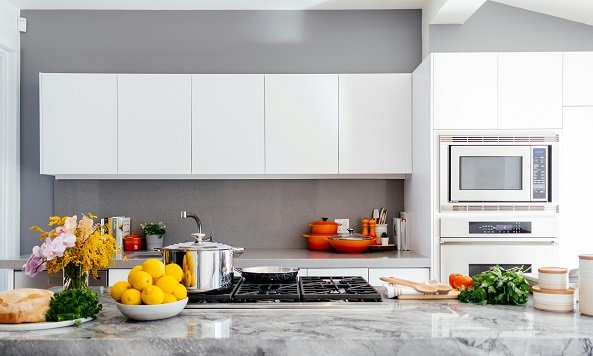
Selecting the right color scheme for your kitchen color schemes is a pivotal step in the design process. Colors have a profound impact on not only the aesthetics of a space but also on the mood and psychological well-being of those who inhabit it. In the kitchen, a room often regarded as the heart of the home, the color palette can determine how inviting and functional this space feels.
The significance of color in design cannot be overstated. Different shades can evoke various emotions; for instance, warm colors such as reds and yellows can create an inviting atmosphere, while cooler tones like blues and greens may provide a sense of calm and tranquility. Understanding how colors interact within a kitchen is essential for creating an environment that aligns with personal style and functional needs.
Moreover, the perception of space is also heavily influenced by color choices. Light, airy colors can make a small kitchen feel larger, while dark hues can introduce a cozy vibe if balanced correctly. The careful selection of a color scheme can maximize both functionality and aesthetic appeal. For example, opting for light cabinetry against darker countertops can create balance, making the space feel well-proportioned and thoughtfully designed.
A fresh color palette not only revitalizes the physical appearance of the kitchen but can also inspire creativity and positivity. As it is a gathering place for family and friends, an invigorated environment can enhance the culinary experience and strengthen social interactions. As we delve deeper into various kitchen color schemes, we will explore practical applications of colors, helping homeowners select an appropriate palette that speaks to their unique taste while meeting functional requirements.
Top Color Palettes for Modern Kitchens
Modern kitchens require color schemes that not only reflect contemporary aesthetics but also provide a sense of freshness and vibrancy. Among the most popular color palettes, soft pastels have gained significant traction. Colors such as muted mint green, pale peach, and light lavender create a serene ambiance, effectively adding a touch of tranquility to bustling kitchen spaces. These shades can be paired with white cabinetry or countertops to enhance their subtlety, making them ideal for smaller kitchens where a bright yet delicate touch is desired.
In contrast, bold hues are making a statement in modern kitchen designs. Vivid colors like navy blue, rich emerald green, and deep burgundy infuse energy and character, enlivening both traditional and contemporary styles. These colors work exceptionally well on accent walls or kitchen islands, drawing attention and providing a focal point in the overall layout. When balanced with lighter elements, such as white or soft gray accents, bold colors can contribute to a dynamic kitchen environment without overwhelming the senses.
Classic neutrals remain a timeless choice for kitchens looking to maintain a sophisticated appearance. Shades such as soft beige, warm gray, and creamy white provide a versatile backdrop that complements a wide range of materials and textures. Neutral palettes create cohesion and allow for easy integration of accent colors through decor, appliances, and furnishings. The use of glossy finishes in these neutral tones can enhance the space’s brightness, making kitchens feel more expansive and inviting.
By understanding these popular and trendy color palettes, homeowners can tailor their kitchen designs to reflect personal tastes while ensuring that the environment remains functional and stylish. Choosing the right combination can redefine a kitchen’s aesthetic, making it a welcoming atmosphere for family and friends alike.
Incorporating Color Through Accessories and Accents
Integrating color into your kitchen can breathe new life into the space without the hassle of a complete renovation. One of the most effective ways to achieve a fresh look is by utilizing accessories and accents that complement your existing color scheme. Carefully selected kitchenware, textiles, and decorative items can enhance or contrast the established palette, adding personality and charm to the room.
Start with your kitchenware; choose pots, pans, utensils, and dishes that reflect your chosen color scheme. For example, if your overall design features earthy tones, consider incorporating terracotta or forest green cookware. Similarly, vibrant colored plates or bowls can serve as eye-catching accent pieces on open shelves or countertops, creating visual interest and a cohesive look.
Textiles also play a critical role in styling your kitchen. Adding colorful curtains, tablecloths, or dish towels can significantly impact the overall aesthetic without overwhelming the space. Opt for patterns and hues that correlate with your primary color choices; for instance, if blue is your dominant hue, consider adding patterned fabric featuring various shades of blue and complementary colors.
Art and decorative elements are pivotal in displaying your style and enhancing your kitchen’s ambiance. Thoughtfully placed artwork, whether it be a colorful painting, framed recipe prints, or even a wall-mounted herb garden, can introduce vibrant colors and serve as a focal point. When selecting art, aim for pieces that resonate with your color scheme and make a statement without clashing with other elements.
By carefully selecting accessories and accents that align with your kitchen’s overall color scheme, you can create a balanced and inviting environment. This approach allows for easy updates and personalization while maintaining a contemporary and cohesive kitchen design.
Real-life Examples and Inspiration
In the realm of kitchen design, color schemes play a pivotal role in shaping the ambiance and functionality of the space. Various homeowners have successfully transformed their kitchens by employing thoughtful color combinations that enhance both aesthetics and practicality. Here, we present several real-life examples that illustrate how specific color palettes have rejuvenated kitchen environments.
One striking transformation involved a traditional white kitchen color schemes that underwent an exciting update with the addition of navy blue cabinetry. The contrast between the deep blue and the crisp white countertops created a sophisticated yet inviting atmosphere. With complementary gold hardware, this scheme not only modernized the space but also added a touch of elegance. Before and after photos of this kitchen reveal a dramatic improvement, showcasing how strategic color choices can elevate a kitchen’s style.
Another notable example features a small, compact kitchen that was enhanced by the use of a soft sage green. Initially characterized by dull and uninspired colors, the introduction of this calming hue breathed new life into the room. Paired with light oak shelving and vibrant accessories, the fresh color scheme made the kitchen feel airy and open, despite its modest size. The before and after images highlight the remarkable impact of choosing the right colors, emphasizing how even slight modifications can create an inviting and functional kitchen.
In addition to these transformations, we also see successful uses of bold colors like rich plum and warm terracotta, which can infuse energy and personality into more contemporary kitchen designs. These stories illustrate the transformative power of color schemes and inspire others to experiment with their own spaces. By analyzing these examples, homeowners can gain valuable insights into how they might approach their kitchen renovations, utilizing color to create a fresh and inviting atmosphere.