
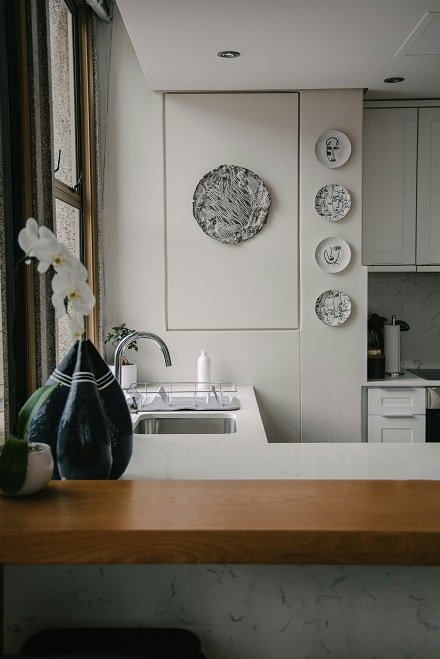
Assessing your kitchen layout existing layout and style is essential for creating a harmonious and functional space. The kitchen layout sets the foundation for how you will navigate and utilize the area. Common layouts include open-concept, traditional, L-shaped, U-shaped, and galley. Each of these designs has unique attributes that influence decor decisions. For instance, an open-concept kitchen allows for a seamless flow between the cooking area and living spaces, encouraging a more social atmosphere. In contrast, a traditional layout tends to provide distinct separation between cooking and dining, which may be ideal for structured meal times.
Moreover, understanding your personal style preferences plays a significant role in decor selection. Identifying whether you lean towards modern, rustic, farmhouse, or minimalist aesthetics is crucial in determining the decor elements that work best in your kitchen. A modern kitchen often features sleek lines, a neutral color palette, and contemporary materials like metals and glass, while a rustic kitchen may embrace natural woods, warm colors, and vintage accessories.
Additionally, a farmhouse style combines warmth and simplicity by integrating elements such as distressed wood, open shelving, and vintage finds. Alternatively, the minimalist approach focuses on function and simplicity with uncluttered spaces and a limited color scheme. Understanding your kitchen’s layout and the style that resonates with your personality will help streamline your decor choices, ensuring that the design is not only aesthetically pleasing but also harmonizes with how you cook, entertain, and live. Therefore, before plunging into decorating, take the time to reflect on both the physical aspects of your kitchen and your individual style to create a cohesive design that truly transforms your kitchen space.
Color Palette and Materials: Setting the Mood
The color palette selected for a kitchen layout significantly impacts its overall atmosphere. Colors can evoke emotions and set the tone for the entire space. For instance, lighter shades like soft whites, pale blues, and light greens create an airy and spacious feel, which is ideal for smaller kitchens. Conversely, darker hues such as navy blue or charcoal gray can instill a sense of warmth and intimacy, transforming the kitchen into a cozy gathering spot.
When selecting a color palette, it is essential to consider the kitchen’s natural light source, as well as the adjacent rooms. A cohesive color scheme throughout the home enhances the flow and connection between spaces. Neutral colors such as beige or gray provide a versatile backdrop, allowing homeowners to introduce pops of color through accessories like artworks, dishware, or even decorative appliances.
In addition to the color palette, the materials chosen for countertops, cabinetry, and flooring play a pivotal role in complementing these colors. Popular material options include wood, tiles, and metals. For example, a wood countertop can add a rustic charm to a soft-colored kitchen, while sleek stainless steel or brass finishes can create a modern look in a more vibrant kitchen setup. Ceramic or porcelain tiles offer versatility; they come in various colors and patterns, allowing for creative backsplash designs that harmonize with the overall palette.
Ultimately, the combination of color and material choices can dramatically alter the aesthetics and functionality of a kitchen. Homeowners should thoughtfully consider these elements, ensuring they reflect their personal style while creating a welcoming environment. By leveraging the right hues and textures, one can achieve a beautiful, functional kitchen that serves as the heart of the home.
Functional Decor: Merging Style with Utility
In contemporary kitchen design, the concept of functional decor stands out as a prominent trend. This approach emphasizes the importance of enhancing aesthetic appeal while simultaneously improving the efficiency of kitchen spaces. By integrating stylish storage options and practical elements, homeowners can create a harmonious environment that balances beauty and functionality.
One effective strategy for achieving this balance is through the use of innovative storage solutions. Stylish cabinets and organizers not only serve to keep kitchen items neatly arranged but can also be designed to complement the overall decor. Consider incorporating open shelving, which provides an attractive display for dishware and glassware while facilitating easy access. This not only showcases your collection but also encourages a more open feel in the space, creating an illusion of larger dimensions.
Additionally, hanging racks for utensils foster a sense of modernity and organization. These racks, when strategically placed above countertops or cooking areas, allow for quick access to tools while maintaining a streamlined aesthetic. Furthermore, the incorporation of multi-functional appliances can significantly reduce clutter while enhancing usability. For example, an oven that doubles as a microwave or a blender that features various attachments can save valuable countertop space.
In addition to storage and appliances, introducing decorative elements such as art and plants can elevate a kitchen’s design while serving practical purposes. Wall-mounted artwork can create focal points, while herb gardens provide fresh ingredients at hand—combining beauty with utility seamlessly. Tableware in striking designs can also be displayed as part of the decor, effectively merging functionality with visual interest.
Ultimately, embracing functional decor in the kitchen allows for the creation of a space that is not only stylish but also remarkably efficient, fostering a more enjoyable cooking experience overall.
Personal Touches: Adding Character and Warmth
The kitchen layout is often considered the heart of the home, and personal touches can significantly enhance its inviting atmosphere. Incorporating elements that reflect personal stories or memories allows one to infuse the space with warmth and character. This is where the creativity of homeowners can shine, turning a functional area into a personalized haven.
One effective way to add character is by incorporating family heirlooms. Items passed down through generations, such as vintage kitchenware, photographs, or even furniture, not only serve a practical purpose but also tell a story. These treasures act as conversation starters and set a tone of nostalgia within the kitchen. They create a subtle reminder of family bonds and traditions, fostering a sense of belonging among family members and guests alike.
Another avenue for personalizing the kitchen layout is through art pieces. This could involve displaying artwork created by family members, which celebrates individual creativity, or showcasing travel souvenirs collected from trips around the world. Such pieces can serve as focal points, drawing the eye and prompting delightful discussions about experiences and memories associated with each item.
DIY projects are also an excellent way to incorporate personal elements into your kitchen decor. Engaging in creative pursuits, such as painting pottery or assembling decorative shelves, not only allows for customization but also adds a unique flare to the space. These handcrafted items imbue the kitchen with a sense of ownership, exemplifying the personality of the inhabitants.
To effectively integrate personal touches, consider curating a small gallery wall showcasing framed photos, art, or memorabilia. This visual display can create an inviting environment that speaks volumes about the history and personality of the home. With careful thought and planning, personal touches can transform a standard kitchen into a cherished gathering place for family and friends.