
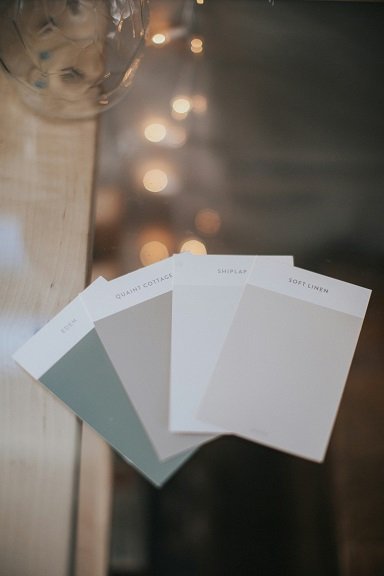
Color theory plays a significant role in home design, influencing not only the aesthetic appeal but also the mood and perception of the space. Each color has its own unique psychological effects that can evoke various feelings and responses from individuals. Understanding color theory is crucial in selecting the appropriate shades for interior spaces.
Warm colors, such as reds, yellows, and oranges, are often associated with energy and warmth. These hues can create a lively atmosphere, making a room feel more inviting and stimulating. Conversely, cool colors like blues, greens, and purples promote calmness and relaxation. Utilizing such colors can help to create a tranquil sanctuary within the home, ideal for bedrooms or quiet areas.
Furthermore, the choice of color can significantly affect how a space is perceived in terms of size and brightness. Lighter shades tend to make rooms feel larger and more airy, while darker tones can create a cozy, intimate feel but may also make a space appear smaller. Designers often leverage this knowledge when reimagining a room’s layout and character.
In addition to the psychological impacts of colors, it is vital to consider how different shades can complement existing decor and architectural features. Cohesion within a room can be achieved by selecting colors that harmonize with furniture, fixtures, and other design elements. For instance, a neutral palette can serve as a perfect backdrop for bold accent pieces, allowing them to stand out without overwhelming the space.
By thoughtfully selecting colors that resonate with personal preferences while accounting for the intended function of each area, homeowners can significantly enhance the overall ambiance and functionality of their living spaces.
Top Trending Paint Colors for a Fresh Look
As we delve into the world of interior design for 2023, selecting the right paint colors can significantly enhance the freshness of a home. This year, several paint colors have emerged as frontrunners, combining aesthetics with a sense of serenity and vibrancy.
One of the most sought-after hues is “Soft Sage,” a gentle green that brings the tranquility of nature indoors. Ideal for living rooms or bedrooms, Soft Sage pairs beautifully with light wood tones and can create an inviting atmosphere. A subtle addition, it allows for versatile decor styles, from modern minimalist to rustic farmhouse.
Another trending color is “Warm Terracotta,” which evokes a cozy ambiance and complements a variety of furnishings. This earthy tone is particularly striking in kitchens, where it can enhance wooden cabinetry and terracotta flooring, infusing warmth and energy into the space.
If vibrant colors are more to your taste, consider “Electric Blue.” This bold choice can serve as an accent wall in a home office or playroom, invigorating creativity and inspiration. It pairs well with white or light gray trims, providing a sharp contrast that can rejuvenate any area.
For those preferring subtle elegance, “Pale Lavender” is an exquisite option, particularly suited for bedrooms or study rooms. Its soft, calming quality promotes relaxation and tranquility, making it an excellent backdrop for personal spaces.
Incorporating these top paint colors of 2023 into your interior design not only adds freshness but also reflects personal style. Whether opting for soft pastels or lively hues, the right choice can transform any room into a welcoming haven.
Combining Colors for a Cohesive Look
Creating a harmonious palette within your home is an art that involves understanding the fundamentals of color theory and its application in interior design. One effective strategy is the use of complementary colors, which are situated opposite each other on the color wheel. For instance, pairing a soft blue with a warm orange can create energetic yet balanced spaces that draw the eye without overwhelming it.
Another approach is adopting a monochromatic scheme, focusing on variations of a single color. This method ensures a subtle yet sophisticated look, allowing differing shades and tints to add depth and dimension to rooms. For example, utilizing light and dark shades of grey throughout the home can unify spaces while contributing to a modern and understated aesthetic.
Accent colors can also play a pivotal role in color theory combinations. By choosing one or two colors that contrast with your primary palette, you can highlight particular features in a room, such as artwork or architectural details. For example, if the main color is a neutral beige, an accent of deep teal can add an element of surprise and sophistication.
Before making a final decision, it is advisable to utilize color theory swatches to visualize how combinations will interact in your space. Place swatches on walls at different times of the day to observe lighting effects. Testing paint samples directly on the walls will also provide insight into how the colors work together in your home’s actual environment. Through thoughtful consideration and strategizing, you can achieve a well-coordinated look that enhances the overall aesthetic of your living space.
Practical Tips for Painting and Home Refresh
Transforming your home’s interior with a fresh coat of paint involves careful planning and execution. To ensure a successful paint job, preparing adequately is key. Begin by selecting the right paint type and color that harmonizes with your overall home decor. Once you have finalized your color choice, gather all necessary materials, including high-quality brushes, rollers, painter’s tape, drop cloths, and a paint tray.
Before you start painting, it is essential to prepare the surfaces. Clean the walls to remove dust and grease; this process may include washing them with soap and water. Fill in any cracks or holes with spackling compound, and sand these areas to create a smooth surface. Moreover, applying a primer is advisable, especially if you are transitioning to a darker color or painting raw wood. Primer helps paint adhere better and can create a more vibrant finish.
When you’re ready to paint, start tackling one section of a wall at a time. It is typically best to begin with the edges using a brush before applying paint with a roller for a smooth finish. For even coverage, dip the roller into the paint and roll it on the wall without excessive pressure. Overlapping strokes will help blend the paint seamlessly.
Timing is also crucial in ensuring the success of your paint project. Ideally, plan your painting for dry, mild weather avoid extremely hot or humid days, as these conditions can affect paint application and drying time. Aim for spring or fall, as these seasons provide more favorable temperatures for indoor painting.
In conclusion, taking the time to prepare and choosing the right tools will make your painting project more manageable and enjoyable. Following these practical tips will lead to a professional-looking finish that refreshes your home.