
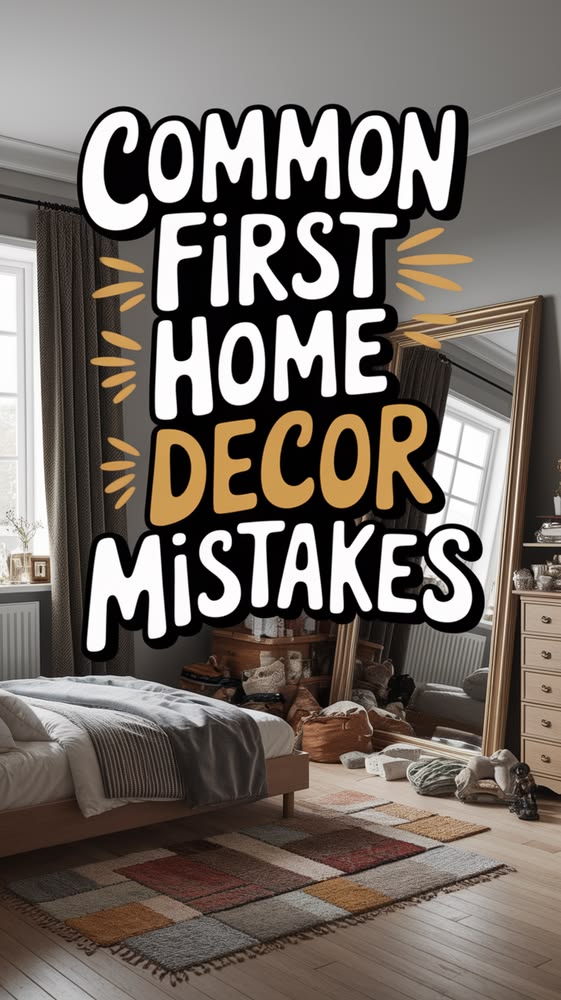
Introduction to Common Home Decor Mistakes
Creating an inviting and aesthetically pleasing living space is a goal for many homeowners, yet it is surprisingly easy to make decor mistakes that can detract from the overall ambiance of a home. Home decor encompasses various elements, including furniture selection, color palettes, lighting, and spatial arrangement, all of which play a pivotal role in shaping both the functionality and visual appeal of a room. Understanding common pitfalls in home decor is essential for anyone looking to cultivate an enjoyable living environment.
One of the most prevalent mistakes is the failure to establish a cohesive design theme. A well-thought-out decor strategy contributes to harmony within a space, ensuring that colors, styles, and furnishings complement one another effectively. Without this cohesive approach, rooms can feel disjointed, making it challenging to create a welcoming atmosphere. In such instances, homeowners often experience discomfort, as mismatched elements can lead to visual clutter.
Another critical aspect to consider is scale and proportion. Oversized furniture in a compact room can dominate the space and restrict movement, whereas too-small furnishings can lead to an empty, uninviting feel. Achieving the right balance is paramount; selecting pieces that communicate well with each other and fit appropriately in their surroundings is fundamental to successful home decor.
Moreover, overlooking the importance of adequate lighting can significantly impact the ambiance of a home. Proper lighting enhances the color schemes and textures of decor elements and must be carefully considered. Whether through natural light, overhead fixtures, or lamps, strategically placed lighting can elevate the aesthetic appeal of any room.
As homeowners embark on their decor journey, awareness of these common home decor mistakes enables them to make informed decisions that promote a harmonious and enjoyable space.
Mistake #1: Overcrowding Spaces
One of the most common home decor mistakes encountered is the overcrowding of spaces with an abundance of furniture and decor items. When a room is filled with too much furniture or decorative elements, it can lead to a cramped and uninviting atmosphere. Signs of an overcrowded space include restricted movement, cluttered surfaces, and an overall aesthetic that may feel chaotic rather than harmonious.
To avoid this issue, it is essential to assess the functionality of the room and consider the flow of movement within the space. A well-designed room should allow for easy navigation, so it is important to ensure that furniture placement does not obstruct pathways. One practical approach to creating a more open feel is to adopt a minimalist design philosophy. This does not mean stripping a room bare but rather focusing on selecting fewer, multifaceted pieces that contribute meaningfully to the space.
Prioritizing key furniture pieces is another effective strategy. Instead of cramming multiple items into a space, choose a few statement pieces that serve both a functional and aesthetic purpose. This may include a standout sofa, a distinctive coffee table, or an artistic rug. These items can set the foundation of the decor while leaving ample room for breathing space around them.
Furthermore, utilizing vertical space can also help distribute visual weight throughout the room. Wall-mounted shelves or tall plants can draw the eye upwards, creating an illusion of height and openness while minimizing clutter on floors and surfaces. By thoughtfully curating the elements within a room, one can achieve a balanced and serene environment that avoids the mistake of overcrowding.
Mistake #2: Ignoring Scale and Proportion
One of the most common pitfalls in home decor is neglecting the scale and proportion of furniture and decorative items relative to the space they occupy. This oversight can lead to an unbalanced aesthetic, resulting in a room that feels either cramped or empty. Selecting furniture that is too large for a room can overwhelm the space, while items that are too small may get lost and fail to make an impact.
To avoid this frequently encountered mistake, it is crucial to first accurately measure the dimensions of your rooms. Use a measuring tape to note the length, width, and height of various areas, while also taking into consideration the flow of the space and how people will move through it. This information will guide your decisions and ensure that each piece of furniture complements the room while maintaining a harmonious balance.
When choosing furniture, consider not just the overall dimensions, but also how each item interacts with others. For instance, a large sectional sofa may need to be paired with smaller accent chairs to create balance, thus maintaining an appropriate conversation area. Alternatively, a petite dining table can serve as a focal point in a larger dining room, provided it is visually offset by decor that complements the scale.
Additionally, think about the ceiling height when selecting tall items such as bookcases or artwork. Large-scale art can add a dramatic effect to a room, but it must be displayed at an appropriate height to ensure it is visually accessible and impactful. Likewise, layering of various heights in decor contributes to a more dynamic look, so incorporating varied scales strategically is essential.
By paying attention to scale and proportion in your home decor choices, you can enhance the functionality and visual appeal of your spaces, turning potential missteps into successful design statements.
Mistake #3: Using Inconsistent Color Schemes
Choosing a color scheme for home decor is not merely an aesthetic choice; it plays a crucial role in shaping the mood and ambiance of a space. One common mistake homeowners often make is using inconsistent color schemes across different rooms or, even worse, within the same room. This inconsistency can create a disjointed feel, leaving visitors confused rather than relaxed.
Colors have the power to influence emotions and perceptions. Bright colors, like yellows and oranges, are energizing and can foster creativity, while cooler tones, such as blues and greens, tend to evoke calmness and tranquility. To create a cohesive environment, it is essential to consider how each color interacts with the others. Utilizing a unified color palette enhances the visual flow from room to room and can significantly improve the overall harmony of your home.
To avoid the pitfalls of an inconsistent color scheme, begin by selecting a primary color. This color can serve as the foundation from which various shades and complementary colors stem. One effective technique is to use a color wheel, which can help in identifying harmonious colors. For example, complementary colors sit opposite each other on the wheel and can create striking visuals when paired, while analogous colors, located adjacent to one another, can establish a more subtle and tranquil look.
Moreover, inspiration boards can be invaluable in this process. By gathering swatches, images, and samples, you can visualize how your chosen colors will work together in your space. This practice allows for experimentation without commitment, ensuring that the final decor reflects a cohesive and aesthetically pleasing environment. Taking the time to develop a thoughtful color scheme can vastly enhance not only the appearance of your home but also the comfort and enjoyment it provides.
Mistake #4: Lack of Personal Touch
A common mistake in home decor is the failure to incorporate a personal touch, often resulting in spaces that feel sterile or generic. A home should be a reflection of its inhabitants, showcasing their individuality, tastes, and experiences. When decor lacks this personal connection, it can create an atmosphere that feels uninviting and impersonal. To address this issue, it is essential to curate decor items that resonate on a personal level.
One effective way to infuse personal experience into your home decor is by displaying artwork that holds significance. This could be pieces created by family members, photographs from memorable trips, or art that resonates with your personal philosophy. Such items not only enhance the aesthetic appeal of your space but also spark conversations and evoke cherished memories. Incorporating artwork can add layers of meaning to your decor and foster a deeper emotional connection with your environment.
Additionally, family mementos, such as heirlooms or keepsakes, can serve as focal points within your decor. These items tell stories and provide a tangible connection to your heritage, making your home feel more genuine and rooted. Consider strategically placing these treasures in areas where they can be appreciated and enjoyed by both residents and guests alike.
Lastly, it is beneficial to regularly reassess your decor to ensure it remains reflective of your evolving tastes and experiences. As life progresses, our preferences change, and incorporating new personal touches can keep your home feeling fresh and relevant. Overall, dedicating thought and consideration to the inclusion of personal elements in home decor will ensure a more inviting and unique living space.
Mistake #5: Neglecting Lighting Effects
One of the most common oversights in home decor is the inadequate or harsh choices of lighting. Often, homeowners focus primarily on the aesthetics of lighting fixtures without considering how lighting impacts the overall ambiance. Effective lighting can transform a space and enhance its appeal, making it essential to understand the different types of lighting available. The three main categories include ambient, task, and accent lighting.
Ambient lighting serves as the foundation for illumination in a room, providing a general light source that allows for visibility and comfort. It can be achieved through ceiling fixtures, floor lamps, or wall sconces. This type of lighting sets the mood and tone of the space, so it is vital to choose fixtures that complement the overall decor style.
Task lighting, as the name suggests, is specifically designed to illuminate areas where activities occur, such as reading, cooking, or working. Desk lamps, under-cabinet lights, and focused ceiling fixtures can enhance functionality while also contributing to the design aesthetic. Proper placement of task lighting ensures that essential work areas are well-lit without detracting from the decor’s overall appeal.
Accent lighting highlights specific features of a room, such as artwork or architectural details, creating visual interest and depth. This can be accomplished using recessed lighting, spotlights, or decorative fixtures. By layering these types of lighting, homeowners can achieve a harmonious balance that adds warmth and invites engagement in their living spaces.
Enhancing natural light is another critical aspect of achieving a well-lit home. Utilizing mirrors, sheer curtains, and strategically placed furniture can boost the flow of sunlight, creating a brighter atmosphere. By thoughtfully integrating various lighting sources, a room can transition from a stark, unwelcoming space to a cozy and vibrant environment.
Mistake #6: Choosing Convenience Over Quality
In the realm of home decor, it is not uncommon for individuals to fall into the trap of prioritizing convenience at the expense of quality. The allure of readily available, inexpensive decor items can often overshadow the long-term value that quality pieces offer. While opting for convenience may seem like a time-saver, it can result in a cycle of replacement and additional costs that far outweigh the initial savings.
Choosing high-quality materials for your decor and furniture not only enhances the aesthetic appeal of your living space, but also contributes to its durability and longevity. Quality items tend to withstand wear and tear better than their cheaper counterparts, meaning that they will require less frequent replacement. This investment in quality can lead to significant savings over time, as durable pieces can last for years, while convenience-based selections may need to be replaced within a shorter span.
In order to avoid the mistake of prioritizing convenience, it is essential to conduct thorough research before making any purchases. Start by evaluating the materials used in the items you are considering, looking for sturdy compositions such as solid wood rather than particle board or inexpensive plastics. Pay attention to reviews from other customers, as these can provide insight into the long-term satisfaction and durability of the product.
Additionally, consider purchasing from reputable brands known for their commitment to quality craftsmanship. These brands often incorporate sustainable practices in their manufacturing processes, reinforcing the overall value of your investment. By taking the time to select quality over convenience, you can create a home decor style that is not only visually appealing but also sustainable in the long run.
Mistake #7: Ignoring Functionality
When it comes to home decor, striking a balance between aesthetics and functionality is crucial. Homeowners often make the mistake of prioritizing beautiful items without considering how they will fit into the daily rhythms of life. A beautifully designed space loses its appeal if it does not adequately cater to the needs of its occupants. Therefore, one of the most common decor missteps is choosing decorative pieces that serve no purpose or do not align with the lifestyle of those living in the space.
For instance, opting for a large coffee table that overwhelms a small living room may seem stylish, but it can hinder movement and disrupt the flow of the area. Similarly, selecting decor that requires excessive maintenance can lead to frustration and deter homeowners from fully enjoying their space. Thoughtful consideration of how furniture and decorative elements interact with daily life is essential for creating a harmonious environment.
Another aspect of functionality involves the careful arrangement of decor items to support the overall flow of daily activities. Pieces should not only be visually appealing but also strategically placed to enhance ease of movement and use. For example, placing a well-designed shelving unit within easy reach can encourage organization and instill a sense of order in the home.
Ultimately, it is vital to integrate functionality into home decor decisions. By prioritizing pieces that serve a purpose while also complementing the overall design, homeowners can create a balanced living space that supports their lifestyle needs. Taking the time to evaluate decor choices ensures that the home is not only aesthetically pleasing but also practical and inviting, allowing for a more enriching living experience.
Conclusion: Embracing Thoughtful Decor Choices
As we conclude our exploration of common home decor mistakes, it becomes evident that thoughtful decor choices play a pivotal role in creating spaces that are not only visually appealing but also functional and reflective of personal style. Throughout this discussion, we have highlighted key pitfalls such as overcrowding spaces, neglecting the power of lighting, and choosing decor that lacks a cohesive theme. By avoiding these mistakes, homeowners can enhance their environments significantly.
The importance of a harmonious balance in home decor cannot be overstated. It is essential to consider how every element contributes to the overall atmosphere of a room. Thoughtful selection of furniture, colors, and accessories can impact not just aesthetics but also the functionality of a space. Homeowners are encouraged to evaluate their current setups critically, taking into account how each component interacts with one another. This reflection is crucial in cultivating an atmosphere that resonates with warmth and welcomes both residents and guests alike.
Moreover, the process of thoughtfully curating one’s home decor should be an enjoyable journey rather than a daunting task. A well-decorated home is a narrative in itself, showcasing personal experiences, preferences, and style evolution. Homeowners are advised to trust their instincts and allow their individuality to shine through their choices. By committing to this approach, each room can become a manifestation of personal artistry, maximizing both practicality and beauty.
In summary, avoiding common decor mistakes and making informed, thoughtful choices ultimately leads to a home that embodies comfort, style, and functionality. Engage in this process with intentionality, and you will undoubtedly create an environment that enhances your overall living experience.