
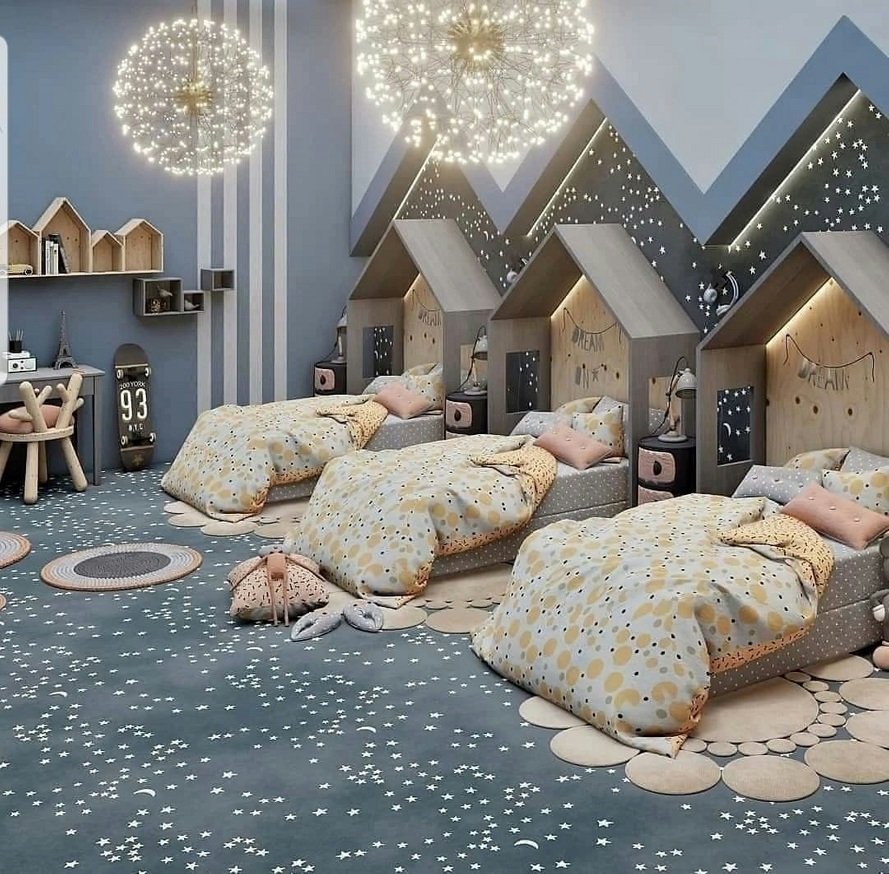
A well-decorated kids room decoration plays a crucial role in fostering an environment that stimulates creativity, productivity, and personal expression. Children spend considerable time in their rooms, using them not only for sleep but also for play, study, and other activities. Therefore, thoughtful decoration is pivotal in shaping their experiences and aiding their development.
Creative kids room decoration can significantly inspire imagination. By incorporating vibrant colors, imaginative themes, and playful elements, parents can create an atmosphere that encourages children to explore their passions and ideas. For instance, incorporating a unique mural or a playful tent can transform a mundane space into an adventurous setting, sparking a child’s creativity. This personalized environment can help children express themselves and inspire them to engage in creative play.
In addition to fostering creativity, a well-planned space must address functional needs for both play and study. A designated area for homework, equipped with the necessary supplies in a bright and organized manner, can enhance focus and productivity. Similarly, a play zone can encourage physical activity and social interaction. Balancing these needs through smart decoration equips children with a space that supports their various developmental stages.
Furthermore, a creatively decorated room reflects the child’s personality, allowing them to connect with their space on a deeper level. By involving children in the decoration process, whether it be choosing colors, themes, or elements, they feel a sense of ownership and pride in their space. This engagement can aid in building their self-identity, as they see their unique tastes and preferences being acknowledged through their environment.
Choosing a Color Scheme
Selecting an appropriate color palette for a child’s room can significantly influence their mood, creativity, and growth. Color psychology plays a crucial role in this process, illustrating how different hues can evoke various feelings and behaviors. For example, warm colors like reds and oranges can promote energy and enthusiasm, while cooler shades, such as blues and greens, tend to create a calming environment, ideal for relaxation and sleep.
When considering a color scheme, it is essential to balance bright and muted shades. Bright colors can stimulate children’s imagination and keep their spirits high, making them perfect for play areas. However, too much intensity can lead to overstimulation. In contrast, muted tones can provide a soothing backdrop that supports concentration, making them suitable for study corners. Therefore, an effective scheme often combines both types, creating a dynamic yet harmonious atmosphere.
Involving children in the decision-making process is key to ensuring their room feels personal and comfortable. Take the time to discuss color options with them; this not only empowers them but also sparks their creativity. You might consider providing a selection of paint swatches or color chart samples and encouraging them to explore various combinations. Ultimately, aim for a cohesive scheme that reflects their tastes while also aligning with the functional needs of the space.
In conclusion, selecting the right color scheme for a child’s room involves understanding the psychological impact of colors, carefully balancing bright and muted tones, and actively involving the child in the process. By doing so, parents can create a colorful sanctuary that feels uniquely suited to their child’s personality and lifestyle.
Incorporating Fun Themes
When designing a kids room decoration, implementing a fun theme can significantly contribute to creating a lively and engaging space. Themes such as outer space, under the sea, and fairy tales inspire creativity and imagination, ensuring the room becomes a haven for exploration and play.
One popular theme is the space adventure motif. This can be effectively achieved through wall decals of planets, stars, and rockets, which can create a celestial atmosphere. Bedding in dark blues or blacks adorned with constellations or spacecraft patterns complements the theme. Additionally, glow-in-the-dark stars can enhance the aesthetic, allowing children to gaze at their “night sky” when the lights are out, thereby sparking curiosity about astronomy.
Another enchanting theme is an underwater adventure. Walls painted in soft turquoise or seafoam green can evoke a sense of being submerged in water. Incorporating vibrant wall art featuring colorful fish, coral reefs, and whimsical sea creatures will further enhance this decor choice. Bedding sets can feature marine life patterns, while decorative elements such as seashells or aquariums can add dimensionality to the space.
Lastly, a fairy tale theme invites children into a world of magic and wonder. Pastel colors, such as soft pinks, purples, and light blues, can cultivate a dreamy atmosphere. Wall murals depicting castles, enchanted forests, or fairy friends can evoke a whimsical ambiance. Bedding with motifs of princesses or knights can reinforce the theme, while decorative items like fairy lights or themed plush toys can add that extra touch of charm.
Incorporating these thematic elements not only assembles a visually captivating environment but also supports children’s imaginative play and exploration. Thoughtfully chosen decor can transform a simple room into a magical retreat that reflects the children’s personalities.
Creative Storage Solutions
The importance of effective storage solutions in a child’s room cannot be overstated. A well-organized space not only fosters creativity but also encourages children to take responsibility for their belongings. By integrating aesthetic storage options into the room’s decor, one can achieve a harmonious balance between functionality and style.
One practical idea is to utilize colorful baskets that blend nicely with the room’s theme. These vibrant containers can store toys, books, and art supplies while adding a playful element to the decor. Baskets can be placed on shelves, beneath beds, or in corners, providing easy access for children as they tidy up after playtime.
Another innovative option is to incorporate built-in shelves. These can be customized to fit the dimensions and design of the child’s room and can serve multiple purposes. Built-in shelves not only provide ample storage for books and decorative items, but they can also be used to display children’s artwork, enhancing the visual appeal of the space. Additionally, they enable vertical storage, which is advantageous in smaller rooms.
Multifunctional furniture is yet another stellar solution to keep rooms organized. Consider beds with drawers underneath or benches that double as storage units. These pieces not only optimize space but can also be designed to match the overall decor, maintaining a cohesive look. Investing in furniture that offers dual purposes can significantly reduce clutter, creating a more serene environment.
In conclusion, the right storage solutions are essential for maintaining an organized and aesthetically pleasing kids’ room. By incorporating colorful baskets, built-in shelves, and multifunctional furniture, one can seamlessly blend functionality with creative decor, ensuring the space remains welcoming and orderly.
Personalizing the Space
Creating a personalized atmosphere in a child’s room can significantly enhance their sense of belonging and self-identity. One effective approach is to use their name as a focal point in the decoration. Custom name decals, available in various fonts and colors, can be applied to walls or above the bed, offering a unique touch that immediately establishes the room as theirs.
Artwork is another wonderful method for personalizing the space. Encourage your child to display their creativity by framing some of their best drawings or paintings. This not only cultivates pride in their accomplishments but also infuses the room with personal flair. Additionally, consider dedicating one wall as a gallery where they can rotate their artwork regularly, keeping the decor fresh and reflective of their evolving interests.
Personalized decor items also have a significant impact. Items such as custom pillows, blankets, or even lampshades can add a distinct character to the room. Websites specializing in custom children’s decor provide numerous options, from playful patterns to more sophisticated designs, ensuring a match with your child’s tastes.
For those inclined towards DIY projects, there are various crafts that can enhance personalization. Creating a photo collage of family and friends or a vision board with their favorite quotes can add warmth and inspiration to the space. Remember to involve your child in these projects; their input will ensure the space reflects their personality.
Ultimately, personalizing a child’s room with their name, artwork, and unique decor elements not only creates a visually appealing environment but also encourages self-expression. By integrating these elements into the design, you will foster a dynamic space where they can thrive and make lasting memories.
Incorporating Play Areas
In designing a children’s room, incorporating dedicated play areas is essential to foster creativity and encourage active play. These spaces serve not only as areas for recreational activity but also as zones that stimulate imagination and learning through play. One effective approach is to use soft play mats, which provide a comfortable and safe surface for children to explore their creativity without risk of injury. These mats can come in various colors and patterns, making it easy to match the overall theme of the room while offering a fun environment.
Another creative idea is to include tents or playhouses within the bedroom. These structures can serve as cozy hideaways for children, where they can engage in imaginative play, read, or simply relax. Tents can also be designed using vibrant colors and patterns that align with the room’s decor, providing a visually appealing element that enhances the overall atmosphere of the space.
A puppet theater is another wonderful addition to a play area, allowing children to explore storytelling and performance. These setups can be easily constructed with lightweight materials or even repurposed furniture to create a whimsical backdrop. When designed with an eye for aesthetics, they become not only functional but also an artistic feature in the room.
When planning these play areas, it is crucial to consider the amount of available space, ensuring that each area is appropriately sized to avoid overcrowding. Additionally, using multipurpose furniture can maximize space efficiency, allowing for storage and functionality without compromising playability. Overall, by implementing dedicated play areas, a child’s bedroom can transform into a dynamic environment conducive to development, creativity, and active engagement, which is vital for their growth and happiness.
Lighting and Ambiance
Lighting plays a crucial role in setting the ambiance of a child’s room, combining functionality with aesthetics to create a comfortable, engaging space. There are three primary types of lighting to consider when decorating a child’s room: ambient, task, and accent lighting. Each type serves its specific purpose while contributing to the overall atmosphere.
Ambient lighting functions as the main source of light, providing a uniform illumination that fills the room. Common choices for ambient lighting include ceiling-mounted fixtures, recessed lights, and chandeliers designed with playful themes that appeal to children. Utilizing dimmable switches can also enhance flexibility, allowing parents to adjust the brightness depending on the time of day or activity, effectively promoting a cozy environment during bedtime.
Task lighting is essential for focused activities such as reading, homework, or crafts. Table lamps, wall sconces, and pendant lights are ideal options, ensuring sufficient illumination for specific tasks while keeping the rest of the room softly lit. It is vital to select fixtures that have comfort and safety in mind, particularly given that children may be prone to accidents. Adjustable designs are advantageous, as they can adapt to the child’s changing needs as they grow.
Accent lighting, on the other hand, adds personality and charm to the room. Through the use of string lights, fairy lights, or thematic night lights, parents can introduce elements of fun. These decorative fixtures not only illuminate essential areas but also create a whimsical atmosphere. When combined effectively, ambient, task, and accent lighting can transform a child’s room into a cozy retreat, fostering creativity while ensuring safety and practicality.
Creative Wall Decor Ideas
When it comes to decorating a child’s room, the walls serve as a blank canvas, ripe for creativity and expression. One option that can truly transform the ambiance of the space is the addition of murals. Murals can be tailored to suit the child’s interests, whether it be whimsical woodland creatures, outer space adventures, or enchanting landscapes. These large-scale designs not only captivate attention but also become a focal point that enriches the overall theme of the room.
Another effective method for enhancing wall decor is the use of educational posters. By incorporating visually stimulating materials that reflect the child’s learning objectives such as the alphabet, numbers, or even world maps parents can create an engaging atmosphere that simultaneously nurtures learning. The key is to select posters that are vibrant and appealing while also relevant to the age and developmental stage of the child.
Chalkboard paint is an innovative choice that allows for dynamic wall decor options. This versatile medium enables children to express their creativity by drawing or writing directly on the wall, encouraging interaction. Additionally, using chalkboard paint in a designated area can create a space where children can share messages, quotes, or doodles, thereby personalizing their environment while cultivating artistic skills.
Lastly, incorporating picture frames filled with family photos, artwork, or even their own creations can instantly add a personal touch to the room. Rotating these images helps keep the decor fresh and reflects the evolving interests of the child. This approach not only beautifies the walls but also fosters a sense of belonging and comfort within their unique space.
Inspiration from Real-Life Examples
When it comes to creative kids room decoration decoration, real-life examples often serve as the most effective source of inspiration. By observing how others have transformed their spaces, one can glean ideas that are both practical and visually appealing. From whimsical themes to functional designs, children’s rooms can encompass a myriad of styles that cater to various preferences and age groups.
For instance, a nursery designed with a soft pastel palette can evoke tranquility while allowing for playful accents. This could include wall decals of animals or clouds, complemented by cozy furnishings. A room like this not only meets the needs of a newborn but also grows with the child, allowing for easy adaptations as they age.
Older children may prefer themes that reflect their interests or hobbies. A vibrant Lego-themed room, for example, showcases bright colors and unique shelving to display their growing collection. Elements such as a dedicated building space, complete with table and chairs, encourage creativity and active play. Alternatively, a more subdued nature-inspired room with earthy tones and botanical prints can foster a calming environment for rest and study.
Teen rooms often shift towards personal expression. For example, a combination of vintage and modern decor can create an eclectic space that resonates with their identity. Customized wall art, a cozy reading nook, and comfortable bedding all play vital roles in transforming a standard bedroom into a personalized retreat. Each room tells a unique story, affirming that the decoration of kids’ spaces can be both functional and expressive.
In embracing these diverse real-life examples, one may find that the journey of creating a creatively decorated kids’ room is marked by individual style and preference, ultimately leading to a space that is not only beautiful but also fully functional.